Ontario Crown land camping and fishing access permit rules
There's nothing quite like the allure of Ontario's vast wilderness, especially when it comes to fishing those secluded, untouched waters. But for many, the idea of venturing onto Crown land comes with a confusing tangle of questions about permits, access, and rules. It's easy to feel overwhelmed, wondering if you're going to accidentally break a rule just by casting a line or setting up a tent. This guide is here to untangle that complexity, offering clear, actionable information about the specific permit rules and regulations for camping and fishing on Ontario's incredible Crown land.
Understanding Ontario's Crown Land System
Ontario is blessed with an immense amount of publicly owned land, and it's a huge draw for anglers and outdoor enthusiasts seeking solitude and adventure. However, just because it's public doesn't mean it's a free-for-all. There's a structure to this vast wilderness, and understanding it is key to enjoying your time responsibly and legally.
What Exactly is Crown Land?
When we talk about Crown land in Ontario, we're referring to lands and waters that are owned by the provincial government, making up about 87% of the province's total area. That's a staggering amount of space! Unlike national or provincial parks, which have highly specific regulations and often require entry fees or camping reservations, general Crown land offers a more rustic, less regulated experience. It's the wild heart of Ontario, where you can truly get away from it all and find those hidden fishing gems.
However, it's crucial to understand that not all Crown land is the same. Some areas are managed for forestry, others for mining, and some are designated for conservation or recreational use. You'll find a mix of untouched wilderness, managed forests, and even some smaller, less developed recreation areas. The appeal for anglers is obvious: the chance to explore remote lakes and rivers that might not see much pressure, offering a truly wild fishing experience. But with that freedom comes the responsibility to know and follow the specific rules that apply to that particular piece of land. Without that knowledge, what seems like a simple fishing trip can quickly become a headache.
The Importance of Knowing the Rules
Let's be honest, nobody wants to get a fine or, worse, be asked to pack up and leave in the middle of a perfectly planned trip. Yet, the rules for Crown land camping and fishing can feel like a labyrinth, and it's a common source of anxiety for many heading into the backcountry. The reality is, ignoring or not knowing the rules can lead to significant consequences, from monetary penalties that can quickly ruin your budget to legal issues.
Beyond the personal ramifications, knowing and following these rules is vital for the health of Ontario's natural environment. Irresponsible camping, like leaving garbage behind or starting uncontrolled fires, can devastate ecosystems and wildlife. Overfishing or not adhering to catch limits can deplete fish populations that are already under pressure. Our actions, even seemingly small ones, have a ripple effect. By understanding and respecting the rules, we contribute to the sustainability of these incredible resources for future generations of anglers and adventurers. It's about being a good steward of the land that offers us so much.
Camping Permit Requirements on Crown Land
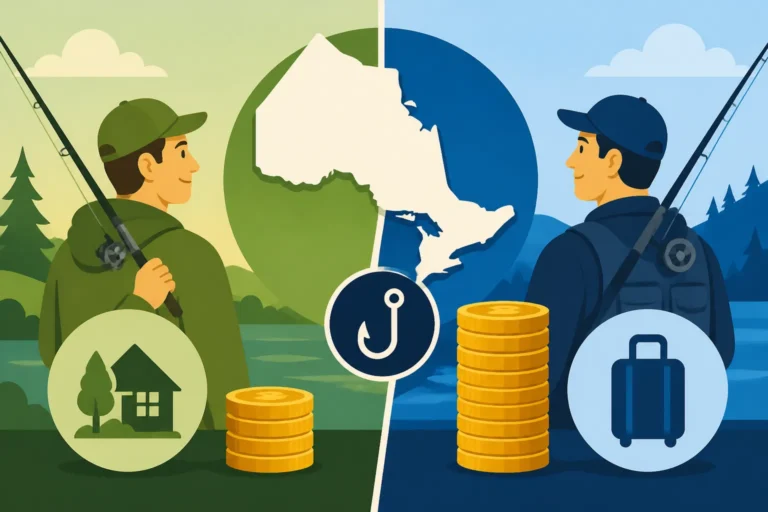
One of the most common questions regarding Crown land access revolves around camping. Can you just pitch a tent anywhere? The answer, like most things in life, is "it depends." Specifically, it depends on whether you're an Ontario resident or not. This distinction is paramount and often where people get tripped up.
Who Needs a Crown Land Camping Permit?
This is the big one, and it's where most of the confusion arises. If you're a resident of Ontario, you generally do not need a permit to camp on Crown land for non-commercial purposes. This means you can venture out, find a suitable spot, and enjoy the wilderness without paying a camping fee to the province. This incredible perk is one of the many reasons why so many Ontarians cherish their access to these lands. However, there's a critical caveat: this only applies to general Crown land. If you're planning to camp in a designated Provincial Park, even if it's within Crown land boundaries, you will still need a specific park permit. Similarly, some restricted Crown land areas might have unique permitting requirements, which is why researching your specific destination is always the first step.
Now, if you are a non-resident – this includes visitors from other Canadian provinces, the United States, or any other country – you are required to obtain a Non-Resident Crown Land Camping Permit (NRCLCP) if you plan to camp on Crown land. This permit is a vital part of Ontario's efforts to manage and maintain its vast wilderness areas, ensuring that the costs associated with conservation and public access are shared. These permits are typically issued for specific durations, such as weekly or for a certain number of days, and you must carry proof of your permit with you at all times while camping. This permit system helps to regulate use and protect the natural environment from overuse, particularly in popular areas.
How to Obtain a Crown Land Camping Permit
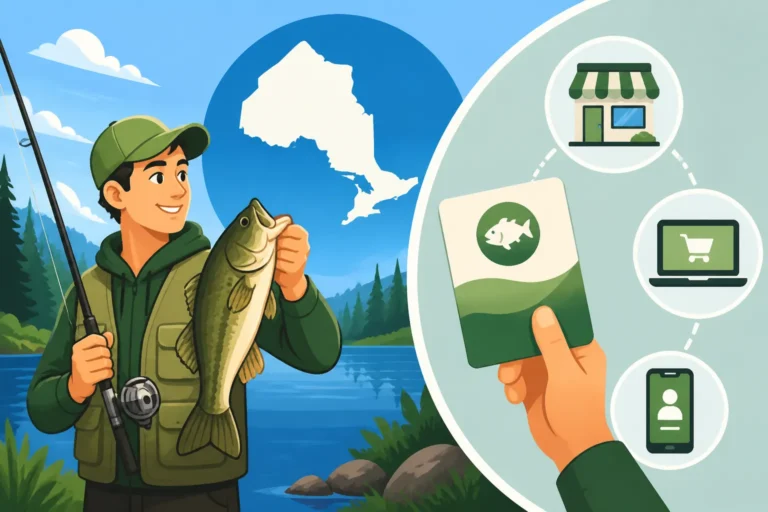
For non-residents, getting your Crown Land Camping Permit is a relatively straightforward process, but it's essential to plan ahead. The most convenient way to acquire a Non-Resident Crown Land Camping Permit is online through the official Ontario government website. This digital system allows you to select your dates, designate your group size, and make your payment from the comfort of your home before your trip even begins. It's designed to be user-friendly, and you'll typically receive your permit via email, which you can then print or store digitally on your phone.
Alternatively, these permits can sometimes be purchased from authorized licence issuers across the province. These include many tackle shops, general stores, and even some ServiceOntario centres, especially in regions popular with tourists and anglers. These vendors are equipped to help you navigate the application process in person, which can be helpful if you have specific questions or prefer a face-to-face interaction. Remember, much like purchasing your Ontario Fishing License Guide for 2026, having all your personal identification and trip details ready will make the process smoother. While the permit itself has a cost, it's a small investment for the privilege of experiencing Ontario's wild camping, and it directly supports the conservation efforts of the Ministry of Natural Resources and Forestry (MNRF). It’s always a good idea to secure your permit well in advance, especially during peak seasons, to avoid any last-minute stress.
Restrictions and Prohibited Areas for Camping
Even with a permit (if required), you can't just pitch your tent anywhere on Crown land. There are definite boundaries and rules in place to protect the environment, ensure public safety, and respect private property. A common restriction, for instance, is that camping is generally prohibited within 400 meters of a provincial highway. This rule is in place for safety reasons, both for campers and motorists, and to prevent roadside areas from becoming impromptu, unmanaged campsites. You also can't camp in designated day-use areas, which are intended for short visits, picnicking, or boat launching, not overnight stays.
Furthermore, certain Crown land areas are designated as "restricted areas" or are within the boundaries of a Provincial Park or Conservation Reserve. These specific locations often have their own unique set of rules, which may include requiring permits for residents as well, or prohibiting camping entirely in very sensitive ecological zones. For example, parts of the French River Provincial Park and the Lake Temagami area have specific regulations concerning Crown land camping, even for residents. The only way to truly understand what's allowed in your chosen spot is to consult the Crown Land Use Policy Atlas (CLUPA) – an invaluable online tool that maps out Crown land and its specific designations and permitted uses. You’ll also want to cross-reference this with the Ontario Fishing Regulations Summary to ensure your fishing plans align with any local species-specific rules. Doing your homework beforehand can save you a lot of hassle and ensure your trip is smooth sailing.
Fishing on Crown Land: What You Need to Know
While camping has its own set of rules, fishing on Crown land also comes with critical stipulations. The general principle is that provincial fishing regulations apply across all waters in Ontario, regardless of whether they are surrounded by Crown land, private property, or within a park. This often catches people off guard, assuming that remote access means fewer rules, but that's simply not the case.
Standard Fishing License Requirements
Let's start with the absolute basics: if you're planning to fish on Crown land, you must possess a valid Ontario fishing license. There are no exceptions to this rule, whether you're an Ontario resident, from another province, or visiting from another country. This isn't unique to Crown land; it's a fundamental requirement for fishing anywhere in the province. Without a valid license, you risk significant fines and potential seizure of your equipment. It's a common frustration to have to navigate different permit systems, but the fishing license is non-negotiable for all.
To obtain your fishing license, you'll first need an Ontario Outdoors Card, Explained. This card is your unique identifier as an angler or hunter in Ontario and is valid for three calendar years. Once you have an Outdoors Card, you can purchase either a Sport Fishing License or a Conservation Fishing License. Understanding the difference between an Ontario Sport vs Conservation Fishing License is vital, as it dictates your catch limits and possession limits. A Sport license generally allows for higher limits, while a Conservation license promotes stricter catch-and-release practices with lower limits. Even if you're exploring the most remote lakes on Crown land, these limits still apply, and knowing them is crucial to avoiding accidental violations. Remember, you can usually buy your Outdoors Card and fishing license online or from a licensed issuer, making it quite convenient.
Special Regulations and Zone Rules on Crown Land
Just because you’re deep in the backcountry on Crown land doesn't mean you're exempt from the province's fisheries management strategies. In fact, understanding the specific regulations for the water body you’re fishing is even more critical in these remote areas, as some may have very unique rules. Ontario is divided into 20 Ontario Fisheries Management Zones, Explained (FMZs), each with its own specific regulations regarding season dates, size limits, and Ontario Bag and Possession Limits by Species for various fish species.
For example, a lake on Crown land in FMZ 1 might have entirely different walleye season dates or possession limits than a lake in FMZ 15. Some remote lakes are designated as Ontario Catch and Release Only Waters to protect fragile populations, while others might have specific slot limits to encourage the growth of larger fish. The "general regulations" might apply to some species, but many popular game fish have special rules. To stay compliant, you absolutely must consult the current Reading the Ontario Fishing Regulations Summary, which is updated annually. An indispensable tool for this is the Ontario Fish ON-Line Interactive Zone Map, Explained. This online map allows you to zoom in on specific lakes and rivers, revealing the FMZ they fall into and providing direct links to their particular regulations. Never assume general rules apply when exploring a new Crown land lake; always verify the local specifics.
| Aspect | Ontario Residents (Canadian Citizens) | Non-Residents (Including other Canadian Provinces & International) |
|---|---|---|
| Crown Land Camping Permit | Generally NOT Required for non-commercial camping on general Crown land. May be required in designated "restricted areas" or provincial parks. | REQUIRED for all camping on Crown land. |
| Fishing License | REQUIRED (Ontario Outdoors Card + Fishing License). | REQUIRED (Ontario Outdoors Card + Fishing License). |
| Outdoors Card | REQUIRED for purchasing fishing licenses. | REQUIRED for purchasing fishing licenses. |
| Purchase Method | Online via MNRF website, ServiceOntario centres, authorized license issuers. | Online via MNRF website, ServiceOntario centres, authorized license issuers. |
| Boating Rules | Standard Ontario Boating Laws for Anglers apply. | Standard Ontario Boating Laws for Anglers apply. |
| Fishing Regulations | Subject to all Ontario Fisheries Management Zones, Explained and species-specific rules. | Subject to all Ontario Fisheries Management Zones, Explained and species-specific rules. |
| Validity | Varies by permit/license type (e.g., Outdoors Card 3 years, fishing license 1-3 years). | Varies by permit/license type (e.g., Non-Resident Camping Permit typically daily/weekly, fishing license 1-3 years). |
Navigating Access and Respecting the Environment
Accessing Crown land for camping and fishing often means venturing into truly wild territory, and this comes with an added layer of responsibility. Unlike maintained parks, you might not find marked trails or designated campsites. This means your approach to the land needs to be particularly thoughtful. When seeking access, always ensure you're not trespassing on private property to reach Crown land. Sometimes, a narrow strip of private land might border the public access point, making it crucial to know exactly where you are. Using tools like the CLUPA map can help you identify legal access routes.
Once you’re on Crown land, practicing "Leave No Trace" principles is paramount. This means packing out everything you pack in, including all garbage, food scraps, and even human waste if you're in a sensitive area. Improper waste disposal can contaminate water sources and attract wildlife, creating dangerous situations. Fire safety is another huge concern, especially in the dryer months. Always check for local fire bans before starting a fire, and if fires are permitted, ensure it's contained, small, and completely extinguished before leaving. The fire restrictions in Northern Ontario, for instance, are very serious and strictly enforced. Minimizing your impact includes staying on existing tracks where possible, avoiding sensitive vegetation, and giving wildlife a wide berth. Remember, many essential items for safe and responsible Crown land exploration, such as durable garbage bags, compact camp shovels, and fire-starting aids, can be easily found on Amazon.
Practical Tips for a Successful Crown Land Adventure
Venturing onto Ontario's Crown land for camping and fishing offers unparalleled solitude and incredible angling opportunities. But these aren't trips to take lightly. A little extra planning and preparation can make all the difference between a memorable adventure and a miserable ordeal.
Planning Your Trip and Researching the Area
The cornerstone of any successful Crown land expedition is thorough research. This means more than just glancing at a map. Your absolute first stop should be the Crown Land Use Policy Atlas (CLUPA) website. This interactive map allows you to pinpoint the exact location you plan to visit and see its specific Crown land designation. Is it general use? Is it a conservation reserve? Are there any specific local restrictions? The CLUPA will answer these vital questions. Cross-referencing this information with the most current Ontario Fishing Regulations Summary is equally important. Even if the land is open for camping and fishing, the water body itself might have unique rules regarding seasons, limits, or even tackle restrictions.
Don't underestimate the power of local knowledge either. Many smaller towns bordering Crown land have bait shops or outfitters who are a treasure trove of information. They know the local access points, current conditions, and often have invaluable insights into fishing hot spots or potential hazards. Satellite imagery (like Google Maps satellite view) can also be incredibly helpful for identifying potential access roads, portage routes, or even promising fishing structures on lakes. And remember, for those truly remote trips, bringing a reliable power bank for your phone or GPS, which you can easily grab on Amazon, is an absolute necessity. You don't want to run out of juice when you're miles from anywhere.
Essential Gear and Safety Considerations
When you're out on Crown land, you are largely self-sufficient, and preparedness is key. Navigation is paramount. Always carry a reliable GPS device, a detailed topographic map, and a compass, and know how to use all three. Technology can fail, so a redundant system is always best. A comprehensive first-aid kit is non-negotiable, stocked with supplies for cuts, scrapes, insect bites, and any personal medications.
Wildlife encounters, particularly with bears, are a real possibility in many Crown land areas. Educate yourself on bear safety: how to store food, how to make noise on trails, and what to do if you encounter a bear. Carry bear spray and know how to use it. Water purification is another critical element; don't rely on finding potable water. Bring a reliable filter or purification tablets. For truly remote areas, consider a satellite messenger device (like a Garmin inReach or a Zoleo) for emergency communication, as cell service will be non-existent.
In terms of fishing and camping gear, choose durable, reliable equipment that can withstand rugged conditions. This includes a robust tent, a sleeping bag rated for the expected temperatures, and appropriate clothing layers. For fishing, ensure your tackle is suited for the species you're targeting and the conditions you expect. Investing in quality gear, from waterproof backpacks to sturdy fishing rods, will enhance your safety and enjoyment. Many of these essential items, from high-performance headlamps to insulated water bottles and robust camping stoves, are readily available on Amazon, ensuring you’re well-equipped for whatever Ontario’s wilderness throws your way.
Responsible Angling and Conservation Practices
Fishing on Crown land offers a unique opportunity to connect with nature and often to target fish populations that are less pressured. With that privilege comes a significant responsibility for conservation. Practice selective harvesting: keep only what you need for a meal and release the rest, especially larger breeding fish that are vital for the health of the population. Learn proper catch and release techniques, minimizing the time the fish is out of the water, handling it gently with wet hands, and supporting it until it swims away strongly. This is especially critical for species like Walleye, which can be sensitive to rough handling. If you are ever unsure of the local regulations for a particular body of water, it’s best to err on the side of caution and release any fish caught.
Be mindful of sensitive habitats, such as spawning beds or areas with fragile vegetation. Avoid disturbing these areas. If you plan to clean fish on-site, do so away from the water's edge and bury the offal deep in the soil, far from your campsite and water sources, to avoid attracting bears and other wildlife. Participating in citizen science initiatives, such as reporting unique fish sightings or stream conditions to the MNRF, can also contribute valuable data to conservation efforts. Your actions as an angler on Crown land have a direct impact on the future of these precious resources, ensuring that the wild fishing experiences we cherish today remain for generations to come.
Disclaimer
The information provided in this guide is intended for general informational purposes only and is not a substitute for official government documentation. Fishing regulations, permit requirements, and Crown land policies in Ontario can change. Always consult the most current official resources from the Ontario Ministry of Natural Resources and Forestry (MNRF), including the Ontario Fishing Regulations Summary, the Crown Land Use Policy Atlas (CLUPA), and the Ontario government website, before planning and embarking on any trip. Compliance with all applicable laws and regulations is the sole responsibility of the individual.