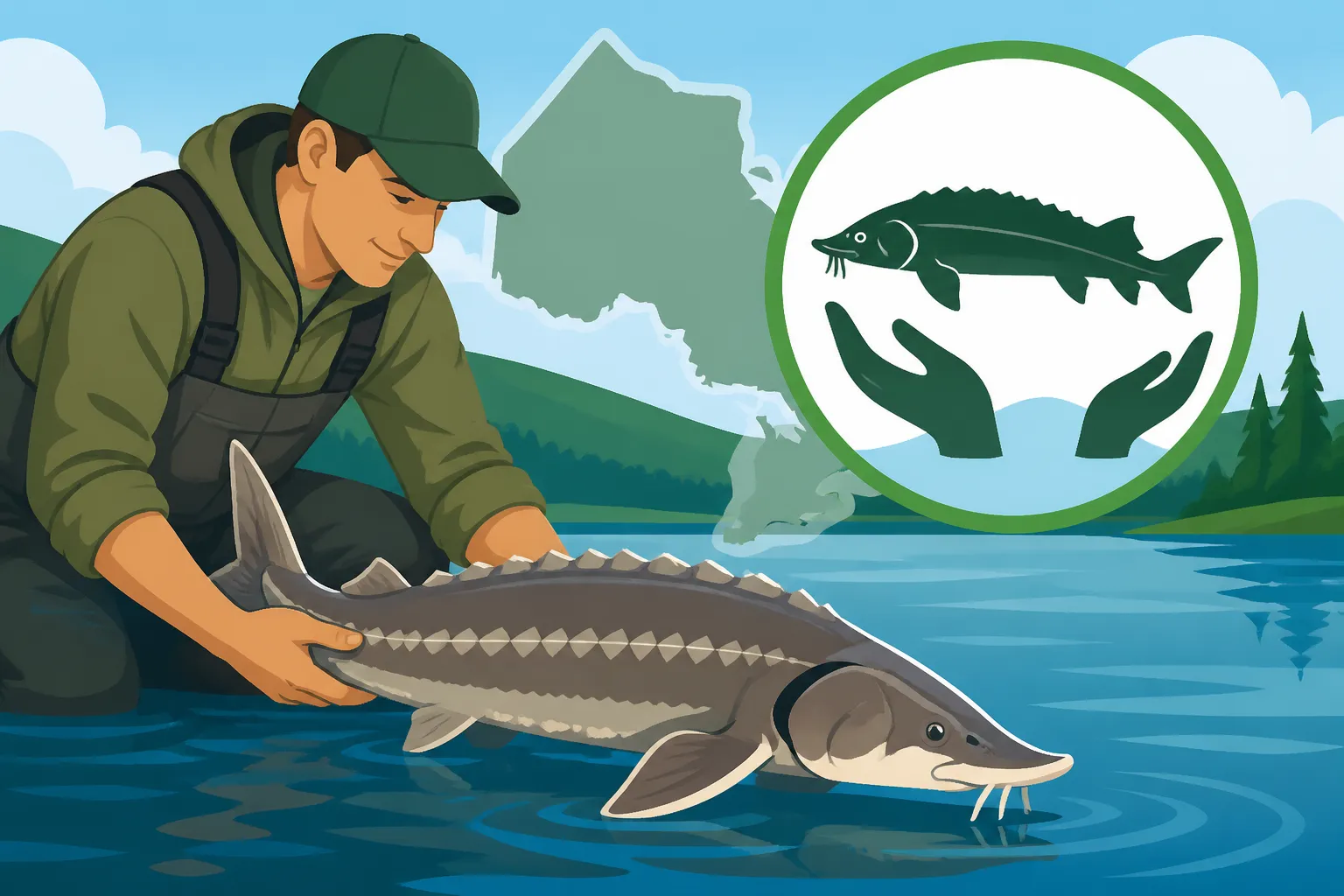
Ontario sturgeon catch and release requirement
For anglers hoping to encounter one of Ontario's most majestic and ancient fish, the lake sturgeon, it's absolutely crucial to understand the rules. Many seasoned fishers are familiar with bag limits and open seasons for common species, but sturgeon fall into a completely different category. This guide is here to walk you through everything you need to know about the strict catch and release requirements for sturgeon in Ontario, ensuring you stay compliant and, more importantly, help protect these incredible creatures for generations to come.
Understanding Sturgeon's Protected Status in Ontario
Lake sturgeon are truly a relic of the past, often referred to as "living dinosaurs" due to their ancient lineage and unique appearance. However, their longevity and slow growth also make them incredibly vulnerable, which is why Ontario has put such stringent protections in place. It's not just another fish; it's a vital part of our natural heritage that needs our careful attention.
Why Sturgeon are Special and Vulnerable
Imagine a fish that can live for over 100 years, grow to immense sizes – some pushing over 200 pounds and 8 feet long – and doesn't even reach sexual maturity until they're often 15 to 25 years old. That's the lake sturgeon. This incredibly slow reproductive cycle means that populations are very slow to recover from any decline. Historically, they faced immense pressure from overfishing, habitat destruction, and damming of rivers which blocked their spawning migrations. Many anglers recall a time when sturgeon were more plentiful, but those days are largely gone, replaced by a critical need for conservation.
These fish are also an essential part of the aquatic ecosystem. As bottom feeders, they help to stir up sediments and play a role in nutrient cycling, contributing to the overall health of the waters they inhabit. Their distinctive bony plates (scutes) instead of scales, along with their barbels for sensing food on the bottom, make them unmistakable. Because of their unique biology and historical declines, the Ministry of Natural Resources and Forestry (MNRF) lists the Lake Sturgeon as a "Species of Special Concern" under the provincial Endangered Species Act. This classification isn't just a label; it dictates how we interact with them as anglers, emphasizing protection above all else. You can learn more about how Ontario protects various species by looking into Endangered and Protected Fish Species in Ontario.
Ontario's Approach to Sturgeon Conservation
The Ontario government, through the MNRF, has adopted a very clear and protective stance on lake sturgeon, driven by the need to rebuild and sustain their populations. This isn't a temporary measure; it's a long-term commitment to conservation. Unlike many other species where regulations involve bag limits or slot sizes, the approach for sturgeon is almost universally prohibitive of harvest. The core of this strategy is the mandatory catch and release requirement across nearly all of Ontario's waters where sturgeon are present.
This conservation strategy is not just about keeping sturgeon from disappearing; it's about trying to restore them to healthy numbers. Their management often involves extensive research, habitat rehabilitation projects, and strict enforcement of fishing regulations. Anglers play a critical role in this by understanding and adhering to the rules. Simply put, if you target or accidentally catch a sturgeon in Ontario, you must release it. There's no grey area, no exceptions for size or location. This strict policy is a testament to the serious challenges sturgeon populations continue to face. For a broader understanding of how these rules fit into the larger regulatory framework, check out our Ontario Fishing Regulations Explained guide.
The Core Catch and Release Requirement for Sturgeon
Let's get straight to the point: if you hook a sturgeon in Ontario, it's going back in the water. This isn't an option or a recommendation; it's a legal obligation. This clear-cut rule removes any ambiguity for anglers, making it easier to understand and follow.
Universal Catch and Release in Ontario
The rule for sturgeon fishing in Ontario is unequivocally catch and release only. This means that at no time, in any Ontario waterbody, is it legal to retain or possess a lake sturgeon. There are no open seasons for harvest, no size limits that permit keeping a fish, and no special tags that allow for retention. If you target sturgeon, or if one is caught incidentally while fishing for other species, it must be released immediately back into the water where it was caught, with the least possible harm. This is a fundamental aspect of sturgeon conservation and a critical piece of information for any angler venturing into waters where these fish might reside.
This policy stands in stark contrast to the regulations for many other popular game fish, where anglers often need to consult detailed Ontario Bag and Possession Limits by Species tables. For sturgeon, the limit is always zero. This universal requirement simplifies compliance but places a strong emphasis on responsible angling practices. Recognizing the distinct nature of this regulation is the first step in ensuring you're fishing responsibly and legally.
The Importance of Immediate Release and Minimal Handling
Catch and release only isn't just about letting the fish go; it's about ensuring that the fish has the best possible chance of survival after it swims away. Sturgeon are robust fish, but they can be stressed and injured by improper handling, especially their delicate internal organs and protective slime coat. The goal is to minimize their time out of water and reduce physical contact as much as possible.
When you bring a sturgeon to the boat or shore, prepare for its release beforehand. Have your tools ready, such as large, rubberized landing nets (similar to those recommended for species like Best Landing Net for Muskie), long-nosed pliers or forceps for hook removal, and a measuring tape if you wish to record its length while it's still in the water. Avoid using stringers or keeping the fish out of water for photos longer than absolutely necessary. If you do take a photo, ensure the fish is supported horizontally with both hands, ideally with one hand under its head and the other supporting its tail, keeping it low over the water. You can find quality versions of these essential items, like specialized fish-friendly measuring tapes or heavy-duty pliers, on platforms like Amazon, ensuring you’re well-equipped for a safe release.
Specific Regulations and Best Practices for Anglers
Understanding the general "catch and release only" rule is a great start, but responsible angling for sturgeon goes deeper. It involves specific gear considerations and diligent handling practices to ensure the fish's well-being.
Permitted Gear and Prohibited Methods
When fishing for sturgeon, using appropriate gear is crucial. You'll want sturdy rods and reels capable of handling a potentially large, powerful fish. Heavy action rods (often similar to those used for muskellunge or large catfish) paired with reels spooled with strong, abrasion-resistant line (e.g., 20-40lb test monofilament or braided line) are recommended. Circle hooks are often favored because they are designed to hook fish in the corner of the mouth, reducing the chance of deep hooking and making removal easier. Using a single, barbless hook, or flattening the barb on your hook, is also a highly recommended practice to facilitate quick and easy removal.
What's absolutely prohibited are methods that intentionally or unintentionally harm the fish or violate ethical angling principles. Snagging, using spears, or any method designed to foul-hook a fish is strictly illegal and can lead to severe penalties. Similarly, leaving gear unattended for extended periods, especially with live bait, increases the risk of a deeply hooked or exhausted fish. It’s also wise to check local Ontario Fishing Regulations Explained because some specific waters might have additional restrictions on gear or bait when targeting or encountering sturgeon.
Handling and Releasing Sturgeon Safely
The moments after a sturgeon is hooked are critical for its survival. Here's a step-by-step approach to safe handling and release:
- Fight the Fish Efficiently: Bring the fish in as quickly as possible without over-stressing it. A long, drawn-out fight can exhaust a sturgeon, reducing its chances of recovery.
- Use a Large, Rubberized Net: If possible, net the fish with a large, knotless, rubberized landing net. This type of net minimizes damage to its protective slime coat and fins. Avoid gill netting at all costs.
- Keep it in the Water: The best practice is to unhook the sturgeon while it's still in the water, if safe to do so. If you need to bring it aboard a boat or to shore for unhooking or a quick measurement/photo, do so gently and quickly.
- Support its Body: Never lift a large sturgeon by its tail, head, or with a gaff. If lifted, always support its entire body horizontally to prevent internal injury. If on shore, keep its body wet and place it on a soft, damp surface.
- Remove the Hook Carefully: Use long-nosed pliers or forceps to remove the hook. If the fish is deeply hooked and removal would cause excessive trauma, cut the line as close to the hook as possible. Barbless hooks make this process much simpler.
- Quick Measurements/Photos: If you want to measure or photograph the fish, do it swiftly, ideally with the fish partially submerged. Keep the fish's head facing the current if possible to help water flow over its gills.
- Revive if Necessary: If the fish appears sluggish, hold it gently in the water, facing into a mild current, until it regains its strength and can swim away under its own power. You'll feel a strong kick when it's ready.
- Report: While not always mandatory, reporting significant catches (especially very large sturgeon or those in unusual locations) to the MNRF can provide valuable data for conservation efforts.
Following these practices is not just good sportsmanship; it's a vital contribution to sturgeon conservation. You'll find many useful tools for proper catch and release, from measuring mats to specialized fish grippers, available through retailers like Amazon, making it easier to be prepared.
Reporting Sturgeon Catches
While the general Ontario Fishing License Guide for 2026 doesn't typically include mandatory reporting for individual catches of most species, specific initiatives or unusual circumstances might warrant reporting a sturgeon catch to the MNRF. For instance, if you catch a sturgeon that has a tag or a research device, it's essential to follow the instructions on the tag for reporting the information.
Even without a tag, if you catch an exceptionally large sturgeon, or one in a waterbody where they are rarely seen, sharing this information with the local MNRF district office can be incredibly helpful for monitoring populations and understanding their distribution. This data, even anecdotal, can contribute to ongoing research and conservation strategies for these vulnerable fish. Always check the current fishing regulations summary for any updated reporting requirements for specific species or zones, as these can change. You can also utilize resources like the Ontario Fish ON-Line Interactive Zone Map, Explained to understand the specific management zones and who to contact in your area.
Consequences of Non-Compliance and Enforcement
Ignoring the catch and release requirement for sturgeon isn't just a minor infraction; it carries significant legal consequences. Ontario's conservation officers are diligent in enforcing these regulations, understanding the critical importance of protecting these ancient fish.
Penalties for Violating Sturgeon Regulations
The penalties for violating sturgeon catch and release requirements are severe and can include substantial fines, seizure of fishing equipment, and even suspension of your fishing license. These aren't minor tickets; they reflect the serious nature of harming a protected species. For example, individuals caught keeping a sturgeon could face fines ranging from hundreds to thousands of dollars per offense, depending on the severity and whether it's a first or repeat offense. In some cases, illegal possession could even lead to jail time.
Beyond the immediate legal repercussions, there's the long-term impact on your ability to enjoy fishing in Ontario. A suspended license means you won't be able to fish legally in the province for a specified period, affecting all species, not just sturgeon. These penalties are designed to be a strong deterrent, underscoring the government's commitment to sturgeon recovery. It's a stark reminder that understanding rules like those for Fishing Without a License in Ontario: Penalties extends to specific species regulations as well.
The Role of Enforcement Officers
Ontario's conservation officers are the front line of enforcing fishing regulations, including those for sturgeon. These dedicated professionals patrol lakes, rivers, and remote areas, often using boats, ATVs, and even aircraft to monitor angling activity. They have the authority to inspect catches, licenses, and fishing gear. Their job isn't just about handing out tickets; it's fundamentally about protecting Ontario's natural resources.
When approached by a conservation officer, always be cooperative, respectful, and transparent. Have your Ontario Fishing License Guide for 2026 readily available, understand the regulations for the waters you're fishing, and be prepared to explain your fishing practices. They are trained to identify sturgeon and will not hesitate to take action against those found in violation of the strict catch and release rules. Remember, responsible anglers are partners in conservation, and respecting enforcement officers is part of that partnership. If you're operating a boat, be aware that officers also enforce Ontario Boating Laws for Anglers, ensuring safety and compliance on the water.
Here’s a quick summary of essential sturgeon catch and release guidelines:
| Action Required | Details | Rationale |
|---|---|---|
| Catch and Release Only | No retention or possession of sturgeon allowed. | Critical for population recovery due to slow growth and reproduction. |
| Immediate Release | Return fish to water as quickly as possible. | Minimizes stress and exhaustion, increasing post-release survival. |
| Minimal Handling | Keep fish in water if possible; support horizontally if lifted. | Protects internal organs, slime coat, and reduces physical trauma. |
| Barbless/Single Hooks | Strongly recommended to facilitate quick, easy hook removal. | Reduces tissue damage, especially if deeply hooked. |
| Rubberized Landing Net | Use large, knotless, rubberized nets for safe control. | Preserves slime coat and fins, minimizing injury. |
| Proper Hook Removal Tools | Long-nosed pliers or forceps are essential. | Enables efficient and safe hook extraction. |
| No Snagging/Spearing | All forms of intentional foul-hooking or spearing are illegal. | Ensures ethical angling and prevents injury to a protected species. |
| Report Tagged Fish | Follow instructions on any tags found on the sturgeon. | Provides vital data for scientific research and conservation efforts. |
Remember, fishing for sturgeon is a privilege, not a right. By adhering to these strict catch and release requirements, you're directly contributing to the conservation of one of Ontario's most magnificent and vulnerable aquatic species. Many waters in Ontario, including specific rivers and lakes, are designated as Ontario Catch and Release Only Waters for various species, but for sturgeon, this rule applies everywhere. It's a small effort that makes a huge difference in ensuring the survival of the Lake Sturgeon in Ontario Rivers and other waterbodies.
Disclaimer
The information provided in this guide is for general informational purposes only and is not a substitute for the official Ontario Fishing Regulations Summary. Regulations can change, and it is always the angler's responsibility to consult the most current official summary published by the Ontario Ministry of Natural Resources and Forestry (MNRF) before heading out to fish.