Best dry box for phone and keys on the water
There's nothing quite like the heart-stopping moment when your phone or, even worse, your electronic key fob for the truck, takes an unexpected dip into the chilly waters of an Ontario lake or river. We've all been there, or know someone who has – that instant panic as you watch your essential items sink or scramble to retrieve them, knowing full well the damage is likely already done. This guide is all about helping you avoid that gut-wrenching experience by exploring the best dry boxes and storage solutions to keep your phone, keys, and other valuables safe and perfectly dry while you're out enjoying the fantastic fishing Ontario has to offer.
Why a Dry Box is Absolutely Essential for Ontario Anglers
Let's face it, fishing in Ontario isn't just about the fish; it's about the adventure, the peace, and often, the convenience of having your everyday essentials with you. But that convenience comes with a risk, especially when water is involved. From an unexpected splash to an accidental capsize, or even just persistent condensation, water has a way of finding its way into everything. Investing in a reliable dry box isn't just about protecting your gadgets; it's about safeguarding your peace of mind and preventing potential headaches that could cut your fishing trip short.
The Cost of a Wet Phone or Key Fob
A wet phone isn't just an inconvenience; it can be an expensive disaster. Modern smartphones are packed with sensitive electronics, and while some boast "water resistance," that's a far cry from being truly waterproof. A quick dunk could render it useless, costing you hundreds of dollars in replacement fees or pushing you to upgrade sooner than planned. Beyond the financial hit, there's the immediate loss of navigation apps, communication with loved ones, and, let's be honest, the ability to snap that perfect photo of your trophy catch.
Then there's the key fob. These aren't your grandpa's simple metal keys anymore. Most vehicles today use electronic fobs that communicate wirelessly with your car. Even a small amount of moisture can fry the internal circuits, leaving you stranded at the boat launch. Imagine finally reeling in a massive walleye after a long day on Lake Erie, only to realize your truck won't start because its key fob decided to go for a swim. It's a nightmare scenario that's easily preventable with the right dry storage.
Beyond Electronics: Protecting Other Valuables
While phones and keys are often the first things we think of, a good dry box protects so much more. Think about your wallet, fishing license, car registration, emergency cash, or even important medications. These items are just as susceptible to water damage and can be a huge hassle to replace. Keeping them secure in a dry box ensures they're accessible and intact when you need them, whether you're navigating new waters or simply showing your Ontario Fishing License Guide for 2026 to a conservation officer.
Even small items like spare batteries for your headlamp, a multi-tool that rusts easily, or a compact first-aid kit can benefit from being in a dry environment. The goal is to create a secure, water-free zone for anything that absolutely cannot get wet, allowing you to focus on the fishing without constant worry about your personal effects.
The Unpredictable Nature of Ontario Waters
Ontario's lakes and rivers are beautiful, but they can be incredibly unpredictable. A calm morning can quickly turn into a windy afternoon with choppy waters. A sudden summer downpour can materialize out of nowhere. Even a simple maneuver in a canoe or kayak can lead to an unexpected splash over the gunwales. When you're paddling on the French River or battling a gusty day on Georgian Bay, you're constantly exposed to the elements.
Accidents happen. Your tackle box might slide, knocking your phone into a puddle on the boat floor. You might misjudge a wave while launching your kayak. Or, in a moment of excitement when a fish strikes, something could slip from your grasp. Having a dedicated dry box for your most critical items removes a major variable from these unpredictable scenarios. It's about being prepared, no matter what the day throws at you.
Key Features to Look for in a Quality Dry Box
Not all dry boxes are created equal. Just like choosing the right fishing rod or reel, selecting the best dry box requires understanding what features are most important for your specific needs. You want something that provides robust protection without becoming a hindrance to your fishing experience.
Waterproofing Ratings and Materials
The absolute most critical feature of any dry box is its ability to keep water out. Look for explicit waterproofing ratings. Many will refer to an IP (Ingress Protection) rating, like IP67 or IP68, which indicates resistance to dust and water. For fishing, you want something that can handle at least temporary submersion, not just splashes.
The materials used are also key. Hard-shell dry boxes are typically made from durable, impact-resistant plastics, often with O-ring seals and strong latches that create a watertight barrier. Brands like Pelican are renowned for this level of protection. Soft-sided dry bags often use PVC or TPU-coated fabrics with roll-top closures, which, when properly sealed, are excellent at keeping water out. The thicker and more robust the material, the more resistant it will be to punctures and abrasions, especially important if it's going to be jostled around in a Best Kayaks for Ontario Fishing or a small boat.
Size, Capacity, and Organization
Think about what you realistically need to carry. Do you just need space for a phone and keys, or do you also want to stash your wallet, a small camera, and some snacks? Dry boxes come in a huge range of sizes. A compact hard case might be perfect for minimalist anglers, while a larger dry bag might be necessary for multi-day trips where you're packing extra layers and food.
Consider internal organization. Some dry boxes offer foam inserts that you can customize to fit your items snugly, preventing them from bouncing around. Others might have internal mesh pockets or dividers. A thoughtful interior design helps you find what you need quickly without everything becoming a jumbled mess. For example, if you often carry a variety of small baits or tools, a box with compartments can be a lifesaver.
Durability and Fastening Options
Beyond keeping water out, a good dry box should be able to withstand the rigours of an outdoor adventure. It should be tough enough to survive being dropped, bumped, or even stepped on, especially if you're fishing from a small craft or rough terrain. Look for reinforced corners, strong hinges, and quality latches that won't accidentally pop open.
Equally important are the fastening options. Does the box have sturdy loops or D-rings that allow you to secure it to your boat, kayak, or backpack? Many anglers prefer to tether their dry box to their vessel or person, ensuring that even if it's knocked overboard, it's not lost forever. Consider features like buoyant materials or an included lanyard for smaller cases. You'll want to ensure it stays put, whether you're battling a big fish or navigating choppy conditions on Lake Simcoe.
Different Types of Dry Storage Solutions
The market is flooded with various dry storage options, each with its own advantages and ideal uses. Understanding the differences will help you pinpoint the perfect solution for your specific fishing adventures.
Hard-Shell Dry Boxes
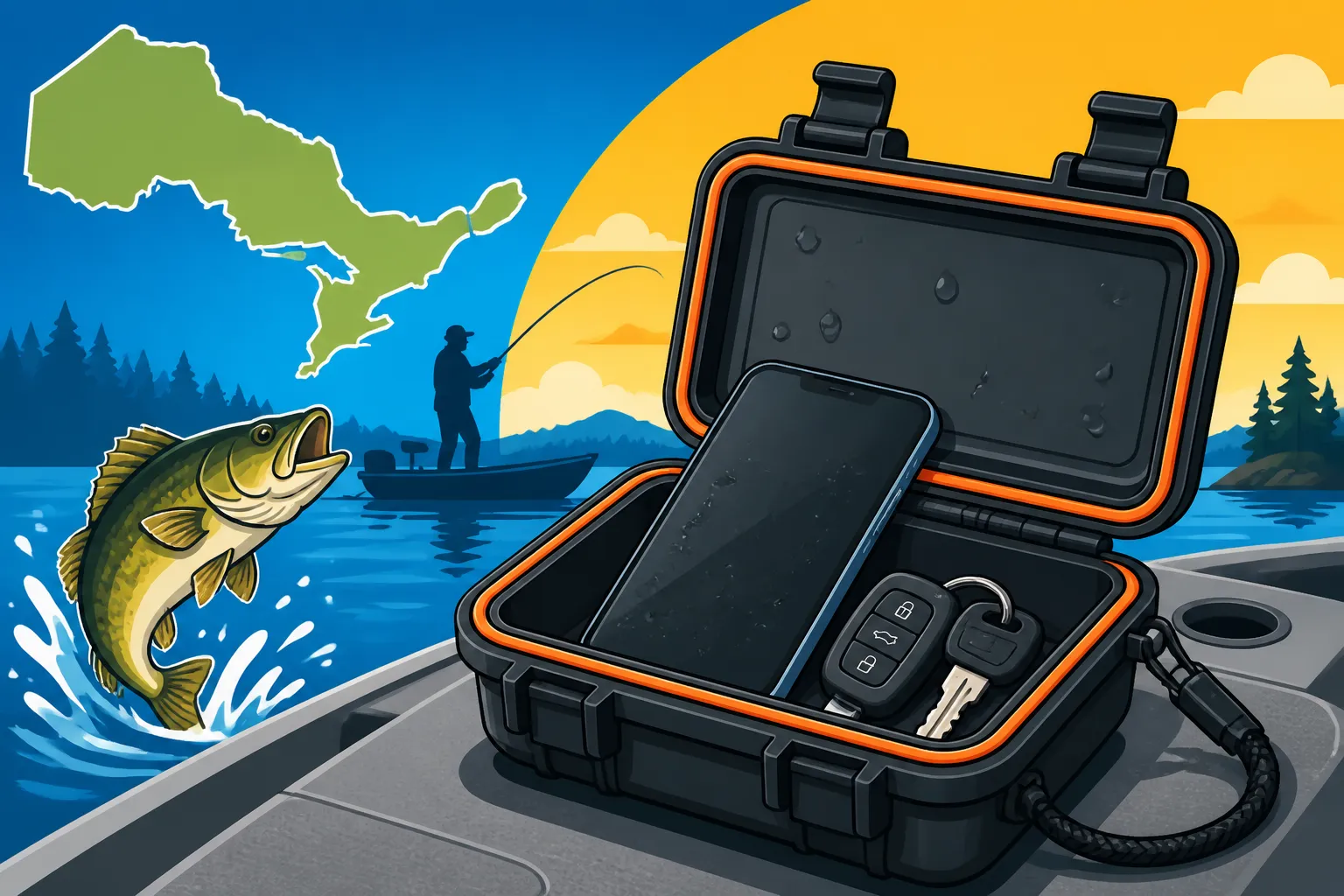
These are the workhorses of waterproof storage. Hard-shell dry boxes, often made from high-impact polypropylene or similar tough plastics, are designed for maximum protection against both water and physical impact. They typically feature a robust hinge, strong locking latches, and a rubber O-ring seal around the lid, creating an airtight and watertight enclosure. Many come with customizable foam inserts, allowing you to cradle delicate items like phones, cameras, or GPS units securely.
The primary advantage of hard-shell boxes is their superior protection. They can withstand significant crushing forces and are less prone to punctures than soft bags. This makes them ideal for anglers who need absolute peace of mind for expensive electronics or fragile items, or those operating in rougher environments. They are a staple for serious boaters and expedition anglers. You can often find a great selection of these robust cases at outdoor retailers like Bass Pro Shops, where you can feel the quality firsthand.
Soft-Sided Dry Bags and Cases
Soft-sided dry bags are a popular choice for their versatility, lighter weight, and often greater capacity relative to their packed size. They are typically made from durable PVC or TPU-coated nylon, featuring a roll-top closure system that, when sealed correctly (usually three tight folds), creates a waterproof barrier. These bags are flexible, allowing them to conform to irregular spaces in a kayak or canoe, and many are designed to be compressible when not full.
While they don't offer the same crush protection as a hard box, good quality dry bags are excellent for keeping clothes, sleeping bags, extra tackle, and even electronics (often double-bagged or placed inside a smaller, harder case within the dry bag) completely dry. They are a favourite among paddlers and those who need to carry larger volumes of gear. Smaller soft cases are also available, specifically designed for phones or cameras, offering a lighter, more flexible option for quick access. Amazon often has a wide array of soft-sided dry bags and pouches in various sizes and colours, making it easy to find one that suits your needs.
Hybrid and Specialty Options
Beyond the two main categories, there are some clever hybrid and specialty dry storage solutions worth considering. Some manufacturers offer "soft cases" that have a semi-rigid internal structure, providing more protection than a traditional dry bag while retaining some flexibility. These can be a great middle-ground for items that need more than basic water protection but don't warrant a full hard case.
Then you have specialty items like waterproof phone pouches with transparent windows that allow touchscreen use while your phone is still protected. These are fantastic for quick checks of the time, weather, or your Ontario Fish ON-Line Interactive Zone Map, Explained without exposing your device. Another specialty item is a waterproof "pellet" or capsule designed specifically for key fobs or other small, critical items. These are often extremely durable and compact, perfect for clipping onto a life jacket or tackle box. Some even float, adding an extra layer of security.
Choosing the Right Dry Box for Your Fishing Style
The "best" dry box really depends on how and where you fish. A weekend warrior who stays close to shore will have different needs than someone embarking on a multi-day backcountry canoe trip. Let's break down some common fishing styles and what dry storage might work best.
Kayak and Canoe Fishing Considerations
For kayak and canoe anglers, space and weight are often at a premium, and the risk of capsize or constant splashing is higher. You'll want a dry box that is not only waterproof but also reasonably compact and easy to secure. A smaller hard-shell box, perhaps from Pelican, or a robust soft-sided dry bag are both excellent choices. Many kayak anglers prefer to attach their dry box with a lanyard or carabiner to a D-ring on their boat, ensuring it stays with them even if the kayak flips. Look for boxes that are relatively flat or can fit snugly under bungee cords on the deck.
If you're using a pedal kayak, you might have some built-in storage areas that could benefit from a smaller dry box to organize your essentials. For longer canoe trips into remote areas, multiple dry bags of varying sizes will be your best friend – a large one for clothes and sleeping gear, and a smaller, more robust hard case for your satellite messenger, phone, and camera. Consider a bright color for your dry storage so it's easy to spot if it goes overboard. You can also explore options that fit well with your Kayak Fishing Techniques for Ontario Lakes.
Boat Fishing: Day Trips vs. Multi-Day Adventures
Anglers fishing from larger boats, whether a small aluminum tiller or a larger fibreglass bass boat, often have more space, but water exposure is still a significant concern. For day trips on bodies of water like Lake Huron or Lake Ontario, a medium-sized hard-shell dry box is a fantastic option. It can sit securely on the deck, protect your electronics, and even provide a sturdy surface. Look for models with rubberized feet to prevent sliding.
For multi-day boat trips, especially if you're venturing to remote camps or lodges, you'll likely need a combination of storage. A larger, perhaps wheeled, hard case can protect sensitive electronics and important documents during transport and while at camp. Smaller, easily accessible dry boxes or soft bags can be kept on deck for quick access to phones, snacks, and extra layers. Don't forget to consider how different weather conditions will impact your trip, as even a gentle rain can soak everything if not properly protected. Knowing your Ontario Boating Laws for Anglers also includes understanding how to keep your gear safe.
Shore and Wading Anglers
Even if you're not in a boat, shore and wading anglers are still exposed to water. A splash from a reeling fish, slipping on wet rocks, or just setting your backpack down in damp grass can compromise your gear. For these scenarios, a compact, durable dry case for your phone and keys is ideal. These can often be clipped to a belt loop, the straps of a fishing vest, or tucked into a waterproof pocket of your Best Waders for Ontario Trout Streams.
Soft-sided, roll-top pouches designed specifically for phones are also great as they are lightweight and unobtrusive. When wading, particularly in swift currents on rivers like the Grand or Credit, keeping your essentials secure and dry on your person is paramount. You want something that won't impede your movement or snag on branches. Even when fishing from a pier or bank, keeping a small dry box nearby for your valuables prevents them from getting splashed or accidentally kicked into the water.
| Dry Box Type | Primary Protection | Durability | Capacity Range | Ideal Use Case | Typical Fastening Options |
|---|---|---|---|---|---|
| Hard-Shell Box | Water, Impact, Crush | Excellent | Small to Large | Electronics, cameras, fragile items, keys | D-rings, padlock holes |
| Soft-Sided Bag | Water | Good | Medium to Extra Large | Clothing, sleeping bags, general gear, food | D-rings, compression straps |
| Waterproof Pouch | Water | Moderate | Very Small | Phone, key fob, wallet | Lanyard, belt loop, clip |
Final Thoughts on Keeping Your Valuables Dry
Whether you're chasing Muskellunge Fishing in Ontario on the Georgian Bay or trying your hand at Fly Fishing for Trout in Ontario on a pristine stream, protecting your essential items from water damage is a non-negotiable aspect of responsible angling. The market offers a fantastic range of dry boxes, from ultra-rugged hard cases to versatile soft bags and specialized pouches. By considering your specific fishing style, the items you need to protect, and the conditions you expect to encounter, you can easily find the perfect dry storage solution to keep your phone, keys, and other valuables safe and sound. Don't let a preventable water incident ruin an otherwise perfect day on the water – get yourself a quality dry box!
Disclaimer
This article is for general informational purposes only and does not constitute professional advice. Laws, prices and regulations vary by location and change over time. Consult a qualified professional for guidance on your specific situation.