Best canoe fishing routes in Ontario
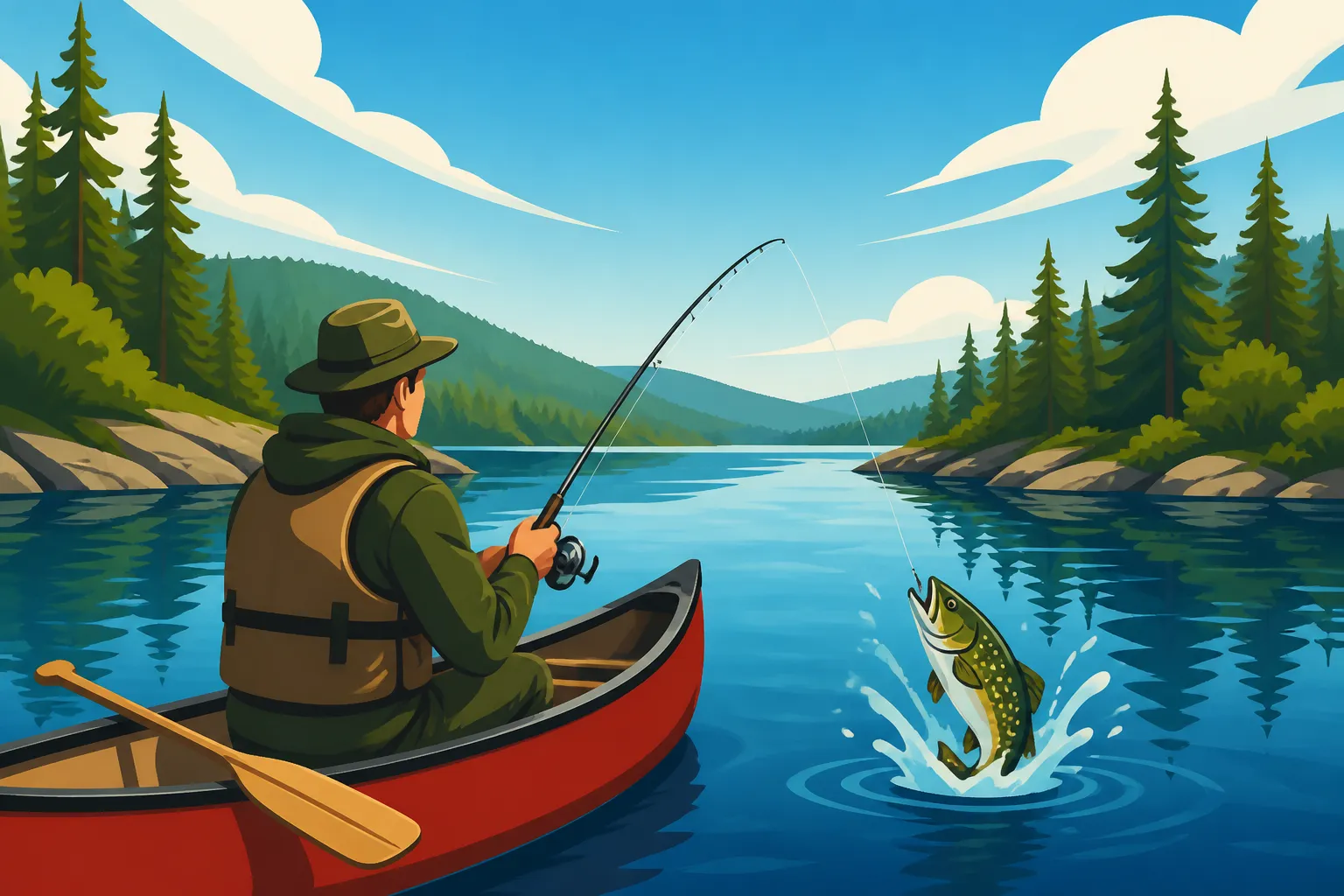
There's nothing quite like the feeling of silent paddles cutting through pristine waters, the only sounds being the dip and drip of your blade and the distant call of a loon. Yet, for many anglers, figuring out which of Ontario's countless lakes and rivers offer the best, most rewarding canoe fishing experiences can feel like navigating a maze. This guide aims to clear the waters, helping you discover the province's prime canoe fishing routes, from serene backcountry lakes teeming with fish to historic river systems waiting to be explored.
Understanding What Makes a Great Canoe Fishing Route
Choosing the perfect canoe fishing route isn't just about finding a body of water with fish. It's about blending the thrill of the catch with the immersive experience of wilderness travel. Ontario, with its vast network of interconnected lakes and rivers, offers an unparalleled canvas for these adventures, but knowing what to look for can make all the difference.
Defining the Ideal Waterways for Canoeing and Fishing
When we talk about ideal waterways for canoe fishing, we're really looking for a few key characteristics. First and foremost, you want waters that are navigable by canoe, meaning they aren't overly exposed to large, unpredictable winds or currents that could pose a safety risk for paddlers. Rivers with a good mix of calm stretches, manageable rapids, and clear portage routes are fantastic, as are chains of smaller, sheltered lakes. These types of waters often have diverse underwater structures like weed beds, rocky shoals, and varying depths, which are critical habitats for a wide array of fish species. Think about those hidden bays or narrow channels that larger motorboats simply can't access; these are often teeming with undisturbed fish populations.
Moreover, the best routes often include a series of interconnected lakes or a river system that allows for multi-day trips. This allows you to truly get away from the hustle and bustle, venturing deeper into the wilderness. Imagine setting up camp on a secluded island after a day of paddling and fishing, enjoying a campfire under a sky full of stars. That's the essence of what we're aiming for. It’s not just about catching fish; it’s about the journey and the tranquility of nature.
Considering Accessibility and Portaging
While the allure of remote wilderness is strong, practical considerations like accessibility and portaging effort are crucial for a successful canoe fishing trip. Some routes offer relatively easy access points, allowing you to launch your canoe with minimal fuss and quickly be on your way. These are great for shorter trips or for those who prefer not to tackle strenuous portages. Other routes, however, require a significant commitment, involving long drives on gravel roads and challenging portages over rugged terrain. These are the routes that lead to truly untouched waters, where fishing pressure is minimal, and the rewards can be extraordinary.
Portaging, for the uninitiated, is the act of carrying your canoe and gear over land between bodies of water or around unnavigable sections of a river. It's an integral part of many backcountry canoe trips and can range from a short, easy walk to a grueling, multi-kilometer trek over uneven ground. When planning your trip, consider your group's physical fitness and experience level. A route with too many or too challenging portages can quickly turn an enjoyable fishing trip into a test of endurance. Conversely, an easier route might mean more company on the water. Researching the specific portages, including their length and terrain, is vital. Services like FishingBooker can sometimes help you find local guides or outfitters who can provide detailed intel on specific portage conditions and route difficulties.
Targeting Specific Fish Species and Habitats
Ontario boasts an incredible diversity of fish species, and your choice of route can significantly impact what you’ll be reeling in. Are you dreaming of battling a trophy Northern Pike in shallow, weedy bays? Perhaps the thrill of catching a leaping Smallmouth Bass on rocky points excites you? Or maybe you're after the delicious fight of a Walleye in deeper, current-rich waters, or the quiet pursuit of native Brook Trout in pristine, cold-water streams? Each of these species thrives in different environments and habitats.
For instance, if Walleye is your primary target, you'll want to focus on routes with good river systems or large, productive lakes known for healthy Walleye populations, often with rocky bottoms and plenty of baitfish. Many of the Best Fishing Lakes in Ontario are renowned for their Walleye. If Muskie is on your bucket list, you'll be looking for large, complex lake systems with abundant cover, such as the French River or parts of Georgian Bay. For trout, particularly native brookies, you'll seek out smaller, clear lakes and cold streams often found deeper in provincial parks or Crown land. Matching your target species to the predominant habitats along a given route is key to a successful and satisfying canoe fishing adventure. Don't forget to check the Ontario Fishing Regulations Explained and the specific Ontario Fishing Season Dates by Zone for your chosen species and area before you head out.
Top Canoe Fishing Regions in Ontario
Ontario's immense size means there's a lifetime of canoe fishing to explore. From the easily accessible wilderness of central Ontario to the truly remote backcountry of the northwest, each region offers a unique flavor of adventure and angling opportunity.
Algonquin Provincial Park: A Classic Wilderness Experience
Algonquin Provincial Park is arguably Ontario's most famous and beloved destination for canoe tripping, and for good reason. Its sprawling network of lakes, rivers, and well-maintained portage trails makes it incredibly accessible for a wide range of skill levels, from families with young children to experienced paddlers seeking multi-week expeditions. The park is home to abundant Smallmouth Bass, Lake Trout, and Brook Trout, offering fantastic fishing opportunities amidst stunning scenery. The sheer variety of routes means you can choose anything from a day trip on a single lake to a complex loop covering dozens of kilometers and multiple portages.
What makes Algonquin particularly special for canoe fishing is its blend of accessibility and wilderness feel. You can find outfitters right at the park's edge, like Algonquin Outfitters, who can set you up with everything from a lightweight Kevlar canoe to camping gear and even guided tours. This makes it a perfect entry point for those new to canoe camping. However, even with its popularity, it's still entirely possible to find solitude, especially if you're willing to paddle a bit further into the interior. The park's interior lakes are often spring-fed, offering prime habitat for trout, while the larger lakes hold robust populations of bass and other species. Planning is key here, especially for permits and campsite reservations, which are essential for any overnight stay. Consult an Algonquin Park Fishing Guide for more detailed information on regulations and hotspots within the park.
Quetico Provincial Park: Remote Backcountry Adventures
For those craving a truly remote and rugged experience, Quetico Provincial Park in Northwestern Ontario is a legendary destination. Often referred to as the "Crown Jewel" of Ontario's wilderness, Quetico shares its southern border with Minnesota's Boundary Waters Canoe Area Wilderness (BWCAW), forming one of the largest protected wilderness areas in North America. This is a place where you truly disconnect: no roads, no motorboats, no lodges, and often no cell service. It's a pristine landscape of ancient forests, rocky Canadian Shield lakes, and winding rivers.
Fishing in Quetico is exceptional, with renowned populations of Walleye, Northern Pike, Lake Trout, and Smallmouth Bass. Because of its remote nature and the effort required to get there, fishing pressure is significantly lighter than in more accessible areas. This often translates to larger, more aggressive fish. Portages here can be more challenging, often less maintained than in Algonquin, and self-sufficiency is paramount. Outfitters are generally found in nearby towns like Atikokan or Ely, Minnesota, if you're crossing from the US side. A trip to Quetico is an expedition that requires careful planning, robust gear, and a solid understanding of wilderness navigation and safety. It’s an adventure for those who truly want to immerse themselves in untamed nature and reap the rewards of exceptional fishing.
French River Provincial Park: History, Culture, and Great Fishing
The French River, Ontario's first designated Canadian Heritage River, offers a unique blend of history, culture, and fantastic fishing opportunities, all within a more accessible framework than some of the deeper wilderness parks. Flowing from Lake Nipissing to Georgian Bay, the French River system is a complex maze of channels, rapids, and lakes, historically significant as a vital route for Indigenous peoples and early European explorers and voyageurs. The river's character changes dramatically along its length, from narrow, winding channels to expansive, lake-like sections.
This river is a true angler's paradise, boasting a diverse fishery that includes Walleye, Northern Pike, Smallmouth Bass, Largemouth Bass, and, famously, trophy Muskellunge. Its diverse structure, with plenty of rocky shoals, submerged timber, and varying depths, provides ideal habitats for these species. While there are some challenging rapids that require portaging, many sections are suitable for less experienced paddlers, and there are even options for guided trips where you can focus solely on the fishing. Services like FishingBooker can be an excellent resource for connecting with local guides who specialize in navigating the French River and targeting its specific fish species, especially if you're hoping to land a formidable Muskie. Given the French River's popularity and complex navigation, a guide can really enhance your experience. Check out our French River Fishing Guide for more detailed insights into this incredible waterway.
Boundary Waters and Other Western Ontario Gems
Beyond Quetico, the vast expanse of Western Ontario offers a treasure trove of canoe fishing routes, many of which share the same rugged beauty and exceptional fishing opportunities. The larger "Boundary Waters" region, encompassing not just Quetico but also the adjacent BWCAW (though that's in the US, many Canadian access points lead to similar waters), is characterized by its millions of acres of interconnected lakes and rivers. This area is a prime example of the Canadian Shield, featuring clear, deep lakes carved into granite, surrounded by pine and spruce forests.
Other notable areas include Woodland Caribou Provincial Park, another roadless wilderness park west of Red Lake, offering incredible opportunities for Walleye and Northern Pike in a true untouched setting. Further east, areas like the Lake of the Woods region, while known for larger, more developed fishing lodges, also contain countless islands and sheltered bays perfect for canoe exploration and phenomenal multi-species angling. These Western Ontario gems often require more planning due to their remoteness, but they reward anglers with unparalleled solitude and some of the best freshwater fishing anywhere. You'll want to ensure you have your Ontario Outdoors Card, Explained and proper fishing licenses for these zones.
| Region / Park | Key Fish Species | Remote/Accessible | Typical Trip Duration | Best For |
|---|---|---|---|---|
| Algonquin Provincial Park | Brook Trout, Lake Trout, Smallmouth Bass | Mix | Day trip to 2+ weeks | All skill levels, multi-species, iconic wilderness |
| Quetico Provincial Park | Walleye, Northern Pike, Lake Trout, Smallmouth Bass | Very Remote | 1 week to 3+ weeks | Experienced paddlers, solitude, trophy fish |
| French River Provincial Park | Walleye, Pike, Smallmouth/Largemouth Bass, Muskie | Mix | Day trip to 1 week | Diverse fishing, historical routes, all skill levels |
| Woodland Caribou PP | Walleye, Northern Pike | Very Remote | 1 week to 2+ weeks | True wilderness, untouched fisheries |
| Lake of the Woods Area | Walleye, Pike, Smallmouth Bass, Muskie, Lake Trout | Accessible (some) | Day trip to 1 week | Resort base trips, extensive lake fishing |
Planning Your Ontario Canoe Fishing Trip
Embarking on a canoe fishing adventure requires more than just throwing a rod and reel into the boat. Proper planning is paramount for a safe, enjoyable, and successful trip, especially when venturing into Ontario's vast wilderness.
Researching Regulations and Permits
Before you even think about packing your tackle box, you absolutely need to understand the local regulations and permit requirements. Ontario's fisheries are managed to ensure sustainability, and rules can vary significantly depending on the specific lake, river, or fishing zone you're in. This includes everything from catch limits and size restrictions to species-specific seasons and bait prohibitions. Ignoring these rules can lead to hefty fines and impact future fishing opportunities. You'll need an Ontario Fishing License Guide for 2026 and to understand the different types, like the Ontario Sport vs Conservation Fishing License, which dictate your catch limits.
Many of Ontario's best canoe fishing routes are located within Provincial Parks or Conservation Reserves, which means you'll need specific permits for overnight camping and even day use. These permits often need to be booked well in advance, especially for popular routes in Algonquin during peak season. Always check the park's official website or call their offices for the most up-to-date information. Additionally, if you plan to use a boat with a motor (even a small electric one, though less common for true canoe trips), you need to be aware of Ontario Boating Laws for Anglers and potentially carry a Pleasure Craft Operator Card. For those seeking expert advice on specific regional regulations or even guided trips in regulated areas, using platforms like FishingBooker can help you connect with local professionals who are intimately familiar with the rules.
Choosing Your Route and Duration
The beauty of canoe fishing is the flexibility it offers in crafting your adventure. When choosing a route, consider your group's experience level, physical fitness, and what kind of experience you're truly seeking. Are you looking for a leisurely paddle with short portages and ample time for fishing, or a challenging expedition that tests your mettle? The duration of your trip will also heavily influence your route selection. A weekend trip will naturally limit you to more accessible routes or shorter loops, while a week or more opens up possibilities for deeper wilderness penetration.
Don't be afraid to consult maps, guidebooks, and online forums. Topographic maps are invaluable for understanding terrain, identifying portage lengths, and spotting potential fishing hotspots like narrows, islands, and river bends. Websites like Ontario Parks provide detailed route descriptions and permit booking systems. Consider a loop route if you want to avoid shuttling vehicles, or a linear route with an outfitter pick-up if you prefer to cover more ground without backtracking. Always have a contingency plan for unexpected weather or delays. Understanding what makes a particular route unique, whether it's a historic river system or a chain of secluded lakes known for specific species, will help you tailor the perfect trip.
Packing Smart for Your Expedition
Packing for a canoe fishing trip is an art form. Every item needs to serve a purpose, as you'll be carrying everything you bring, often over portages. The key is to pack light, efficiently, and with redundancy in mind for critical items. Beyond your fishing gear, which we'll get into, you'll need camping essentials: a lightweight tent, sleeping bags, a cooking system, and waterproof barrel or dry bags for all your food and sensitive gear. Remember, you're venturing into the wild, so robust, waterproof storage is non-negotiable.
Food planning is also critical. Opt for non-perishable, calorie-dense foods that are easy to prepare. Dehydrated meals are popular for backcountry trips, but don't underestimate the joy of a fresh-caught fish cooked over a campfire. Essential safety items like a first-aid kit, a repair kit for your canoe and gear, extra ropes, and navigation tools are absolute must-haves. Think about layers of clothing for fluctuating Ontario weather, including good rain gear. A comfortable, supportive backpack for portaging your gear will save you a lot of discomfort. For a truly smooth experience, many seasoned paddlers use external frame packs or portage packs designed to carry heavy, bulky gear comfortably.
Essential Gear and Safety for Canoe Fishing
A successful and safe canoe fishing trip hinges not only on knowing where to go but also on having the right equipment and a strong grasp of safety protocols. The wilderness can be unpredictable, and being prepared is your best defense.
Canoe, Paddles, and PFDs
Your canoe is, naturally, the star of the show. For multi-day fishing trips, a lightweight, durable canoe is ideal. Kevlar canoes are popular for their strength-to-weight ratio, making portaging significantly easier, though they come with a higher price tag. Aluminum canoes are robust and more affordable but heavier and noisier. Royalex or composite canoes offer a good balance. Choose a length appropriate for your group size and gear load – typically 16 to 18 feet for two people with gear. Consider stability for fishing, as you'll often be casting, netting, or even standing.
Paddles should be comfortable and sized correctly for each paddler. Having a spare paddle is not just a good idea; it's often a critical safety measure, especially on remote routes. Personal Flotation Devices (PFDs) are non-negotiable. Not only are they legally required in Ontario for every person on board a watercraft, but they are also life-saving devices. Ensure everyone has a properly fitting PFD that they wear at all times while on the water. A whistle attached to your PFD is also a legal requirement and an essential signaling device. Understanding Life Jacket Requirements for Ontario Boaters is crucial for compliance and safety.
Fishing Tackle and Techniques for Canoe Angling
When it comes to fishing tackle, simplicity and versatility are your friends in a canoe. Space is limited, and you want to be able to target various species without hauling an entire tackle shop. A medium-light to medium-action spinning rod (6'6" to 7') is a versatile choice for many Ontario species, from Walleye to Smallmouth Bass. Consider a two-piece rod for easier transport. Pack a selection of lures that cover different depths and presentations:
- Jigs: Essential for Walleye and Smallmouth Bass. Pack various weights and colors.
- Crankbaits/Stickbaits: Great for covering water and targeting various species. Include shallow, medium, and deep divers.
- Spinnerbaits/Inline Spinners: Excellent for Northern Pike and Bass in weedy or shallow areas.
- Soft Plastics: Versatile for jigging or Texas rigging for bass.
Don't forget leader material (fluorocarbon for finesse, steel for pike/muskie), extra line, hooks, sinkers, and a small pair of pliers. A collapsible landing net is invaluable for safely landing fish, especially larger ones, and practicing catch and release. For targeting Walleye, many anglers find that a simple live bait rig, often involving a worm or minnow, is highly effective, so consider bringing a small bait cooler if allowed and practical. For specific species, an article like Best Tackle for Ontario Walleye can provide deeper insights.
Navigation, Communication, and Emergency Preparedness
Venturing into Ontario's wilderness requires robust navigation tools. A detailed topographic map of your route and a reliable compass are absolute necessities, and knowing how to use them is paramount. Even if you rely on a GPS device or a smartphone app, always carry paper maps as a backup – batteries die, and electronics fail. Many modern anglers also use handheld satellite communicators (like Garmin inReach or Zoleo) for emergency communication and tracking, especially in areas with no cell service. These devices allow you to send SOS messages, check in with loved ones, and receive weather updates.
Beyond navigation, a comprehensive first-aid kit is crucial. Ensure it’s well-stocked for cuts, blisters, insect bites, and more serious injuries. Pack water purification tablets or a filter, as well as a small repair kit for your canoe (duct tape, fiberglass repair kit) and essential gear. A multi-tool, headlamp with extra batteries, fire-starting supplies (waterproof matches, lighter, fire starter), and a basic emergency shelter are also highly recommended. Always leave a detailed trip plan with a trusted person, including your route, expected return date, and emergency contacts. This information is vital if search and rescue efforts ever become necessary. Being prepared isn't about expecting the worst, but ensuring you can handle it if it arises.
Disclaimer
The information provided in this guide is for general informational purposes only. While we strive to offer accurate and up-to-date advice, fishing regulations, park policies, and weather conditions in Ontario can change rapidly. Always consult official sources like the Ontario Ministry of Natural Resources and Forestry (MNRF) and Ontario Parks for the most current regulations, permit requirements, and safety advisories before planning and undertaking any fishing trip. Safety is paramount; be prepared for wilderness conditions and always put your well-being first.