Best technique for docks and laydowns
There’s nothing quite as frustrating as seeing fish darting under a dock or watching your sonar light up with activity around a submerged tree, only to constantly get snagged or fail to entice a strike. Many anglers shy away from these complex pieces of cover, but that’s where some of the biggest and most aggressive fish in Ontario hide! This guide is going to break down the best techniques for fishing around docks and laydowns, helping you turn those frustrating snags into triumphant catches.
Why Docks and Laydowns are Irresistible to Ontario Fish
You know how much we humans appreciate a good shelter on a hot day or a place to hide when things get dicey? Fish are no different! Docks and laydowns aren't just random clutter in the water; they are absolute magnets for a wide variety of fish species, offering them everything they need to survive and thrive. Understanding why these structures are so appealing is the first step to figuring out how to fish them effectively.
Sanctuary from Sun, Predators, and Current
Imagine being a small baitfish, constantly hunted by larger predators. Where would you go? Somewhere safe, right? Docks provide immediate overhead cover, casting dense shadows that offer fish a cool, dark refuge from the intense summer sun. This shade is crucial for many species, especially in the brighter parts of the day, as it helps them regulate their body temperature and offers a natural hiding spot. Similarly, the pilings and crossbeams of a dock create a labyrinth of escape routes, making it harder for larger fish, birds, or even otters to pinpoint and capture their prey.
For species that prefer to stay out of sight, like a wary walleye or a stealthy northern pike, these dark recesses are perfect ambush points. They can sit in the shadows, virtually invisible, waiting for an unsuspecting meal to swim by. In rivers or areas with significant current, docks and especially laydowns (submerged trees) also act as natural current breaks. Fish can conserve energy by tucking themselves behind these structures, letting the water flow past them while they remain relatively still, yet still in a prime position to dart out and grab any food washed downstream. It’s like their own personal fishing lodge, complete with room and board! Ontario Fisheries Management Zones, Explained shows where you might find such varied fishing conditions.
The Ultimate Ambush Points
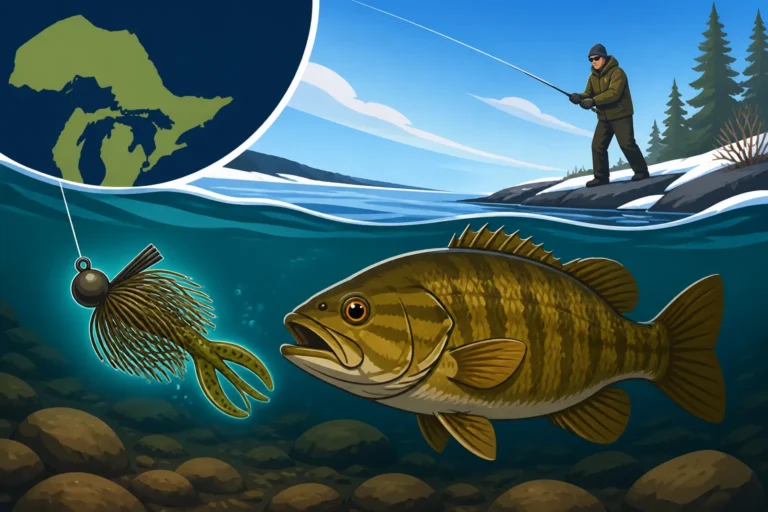
Beyond simply offering shelter, docks and laydowns transform into dynamic hunting grounds. They create edges, bottlenecks, and complex underwater topography that predatory fish absolutely love. Picture a large smallmouth bass lurking under the corner of a dock, its body camouflaged by the shadows. Any minnow, crayfish, or insect that ventures too close is instantly vulnerable. The fish don't have to expend a lot of energy chasing; they just wait.
Laydowns, those fallen trees that extend into the water, are even more complex. Their branches create a three-dimensional maze of cover. Baitfish, insects, and crustaceans all flock to these woody structures, finding food and their own hiding spots within the branches. This abundance of smaller prey naturally attracts larger game fish, creating a vibrant food chain right in front of you. A cunning muskellunge might position itself deep within a laydown, using the cover to mask its approach before exploding on a passing meal. It's a classic predator-prey scenario playing out in real-time, and you, the angler, are trying to insert your lure right into the thick of it. Understanding How to Catch Muskie in Ontario or How to Catch Walleye in Ontario means knowing their preferred hunting grounds.
Habitat Diversity and Cooler Water
Docks and laydowns don't just exist as isolated structures; they contribute to the overall habitat diversity of a lake or river. Dock pilings often become encrusted with algae and mussels, which in turn attract a host of smaller invertebrates and baitfish. Over time, these structures can even accumulate substrate around their base, creating miniature reefs or humps that provide even more hiding spots and foraging opportunities.
Laydowns, particularly those that have been in the water for a long time, often host a thriving ecosystem within their submerged branches. As they slowly decompose, they can also release tannins, subtly altering the water chemistry in their immediate vicinity, which some species prefer. Crucially, in warmer months, the deeper sections of dock pilings or the shaded, deeper branches of a laydown can offer significantly cooler water temperatures than the surrounding open water. Fish, being cold-blooded, are constantly seeking out their preferred temperature range. If the surface water gets too warm, they’ll gravitate towards these cooler pockets of water, making these structures prime locations for finding active fish, even in the dog days of summer. This is especially true for species like lake trout, though they often seek much deeper, colder water. Lake Trout Fishing in Ontario often requires understanding temperature gradients.
Essential Tools for Navigating Structure Fishing
Fishing around docks and laydowns isn't like casting into open water. You're dealing with obstacles, potential snags, and fish that are often larger and more aggressive because they feel secure in their chosen hideout. This means you need specialized gear that can stand up to the challenge. Don't cheap out here, or you'll spend more time re-tying than fishing.
Rods, Reels, and Lines Built for Battle
When fishing heavy cover, your rod, reel, and line become your primary tools for extracting fish from their sanctuary. You need power, backbone, and reliability. For most dock and laydown fishing, a medium-heavy to heavy power rod with a fast or extra-fast action is ideal. This combination gives you the sensitivity to feel subtle bites, the speed to set the hook quickly before a fish burrows deeper into cover, and the lifting power to pull a strong fish away from snags. Rod lengths typically range from 6'8" to 7'6", offering good casting distance and leverage. Brands like St. Croix or Fenwick offer excellent options that can handle the abuse.
Pairing this with a robust baitcasting reel is often the way to go, especially for flipping and pitching heavier jigs or soft plastics. Look for a reel with a strong drag system and a retrieve ratio that suits your technique – a higher ratio (7.1:1 or 8.1:1) is great for quickly taking up slack and moving fish out of cover. For line, braid is your best friend. Its incredible strength, zero stretch, and abrasion resistance make it perfect for cutting through weeds and pulling fish from heavy cover. A 30-50 lb test braided line is a good starting point. However, because braid can be visible in clear water, always tie on a fluorocarbon leader (15-25 lb test, 2-4 feet long) for a stealthy presentation. Fluorocarbon is nearly invisible underwater and has excellent abrasion resistance against rough wood and dock pilings. You can find a fantastic selection of these lines and leaders on Amazon. Best Fishing Rods for Ontario Lakes can give you more specific ideas for suitable setups.
Lure Selection: Weedless Wonders and Heavy Hitters
The key to fishing docks and laydowns without constant frustration is using lures designed to minimize snagging while still presenting an irresistible meal.
- Jigs: Flipping jigs and swim jigs are powerhouses for this kind of fishing. Flipping jigs, with their stout hooks and weed guards, can be pitched into tight spaces and worked slowly around pilings or through branches. Swim jigs, often dressed with a soft plastic trailer, are excellent for imitating baitfish swimming along dock edges or over submerged timber. For added attraction, you might find some excellent trailer options on Amazon to pair with your jigs.
- Soft Plastics: These are incredibly versatile. Texas-rigged worms, creature baits, or even senkos are almost entirely weedless due to the hook point being buried in the plastic. They can be pitched, flipped, or cast into the densest cover. A wacky-rigged senko, although more prone to snagging, has an incredible shimmy on the fall that fish under docks can't resist; just be careful with where you cast it!
- Shallow Crankbaits: For working the outer edges of docks or shallower laydowns, a squarebill crankbait is fantastic. Its unique bill design helps it deflect off wood and rock, reducing snags. Look for models that run in the 2-6 foot range.
- Topwater Lures: Don't forget topwater! Frogs, poppers, or walking baits can be incredibly effective around docks and over matted vegetation adjacent to laydowns, especially in low-light conditions. The explosive strikes they provoke are something you won't soon forget.
Here's a quick comparison of some popular lure types for these structures:
| Lure Type | Best for Docks | Best for Laydowns | Key Feature | Retrieval Style | Snag Resistance |
|---|---|---|---|---|---|
| Flipping Jig | Underneath, pilings, dark corners | Deep in branches, heavy cover | Weed guard, stout hook | Pitch, slow hop, shake | High |
| Swim Jig | Dock edges, transition areas | Over submerged branches, sparse timber | Weed guard, realistic | Steady retrieve, stop-and-go | High |
| Texas Rig | Skipping under, dense pilings | All types of branches, thickest cover | Weedless hook | Pitch, crawl, twitch, slow drag | Very High |
| Wacky Rig | Underneath, open spaces between pilings | Sparse branches, outer edges | Hook exposed | Slow fall, gentle twitch | Moderate |
| Squarebill Crankbait | Outer dock edges, shallow pilings | Shallow timber, bumping off logs | Deflective bill | Erratic retrieve, bumping cover | Medium-High |
| Topwater Frog | Over matted vegetation near docks/laydowns | Thick surface vegetation, lily pads around laydowns | Weedless, hollow body | Walk the dog, stop-and-go | Very High |
For a deeper dive, check out Best Tackle for Ontario Walleye or Best Techniques for Largemouth Bass in Ontario Ponds.
Must-Have Accessories for the Cover Angler
Beyond your rod and reel, a few key accessories will make your life much easier and more successful when fishing structures.
- Pliers/Line Cutters: A good pair of multi-tool fishing pliers is non-negotiable. You'll need them for cutting heavy braid, unhooking fish (especially those with treble hooks), and sometimes even bending hooks to free a snag. Invest in a quality pair, perhaps even a pair from a reputable brand like Rapala or Berkley.
- Polarized Sunglasses: These are a game-changer. They cut glare off the water, allowing you to see submerged logs, dock pilings, and even cruising fish that would otherwise be invisible. Being able to visualize the structure you're fishing is a huge advantage. Best Sunglasses for Sight Fishing Clear Water will tell you more.
- Net: A sturdy landing net, especially one with a rubberized mesh, is crucial. Not only does it help you safely land bigger fish, but the rubberized mesh is much gentler on fish (important for catch and release) and less likely to tangle with hooks.
- Boat Control: If you're fishing from a boat, a reliable trolling motor (like a Minn Kota or MotorGuide) with GPS spot-lock features is invaluable. It allows you to precisely position your boat and hold it steady against wind or current while you pick apart a dock or laydown with surgical precision. For kayak anglers, a good Best Kayak for Lake Erie or anchor system is just as important.
Precision Techniques for Dock Domination
Docks are fantastic fish-holding structures, but they can be tricky to fish effectively without getting snagged. The key is precision and understanding where the fish are likely to be hiding. It's not just about casting at the dock, but into and around it.
The Art of Skipping and Pitching
These are probably the most important techniques for fishing docks. Many of the best fish hide in the darkest recesses, far under the dock structure where overhead casting is impossible.
- Skipping: This technique involves making a low, sidearm cast that causes your lure (typically a jig or soft plastic) to skip across the surface of the water, much like a skipping stone. The goal is to send your lure deep under the dock where fish rarely see baits. It takes practice, but once you master it, you'll open up a whole new world of fishing spots. Start with a relatively light jig (1/4 to 3/8 oz) or a weighted soft plastic. Keep your rod tip low and snap the cast forward with a fluid motion. Aim for a spot about a foot or two in front of the dock, letting the lure's momentum carry it under.
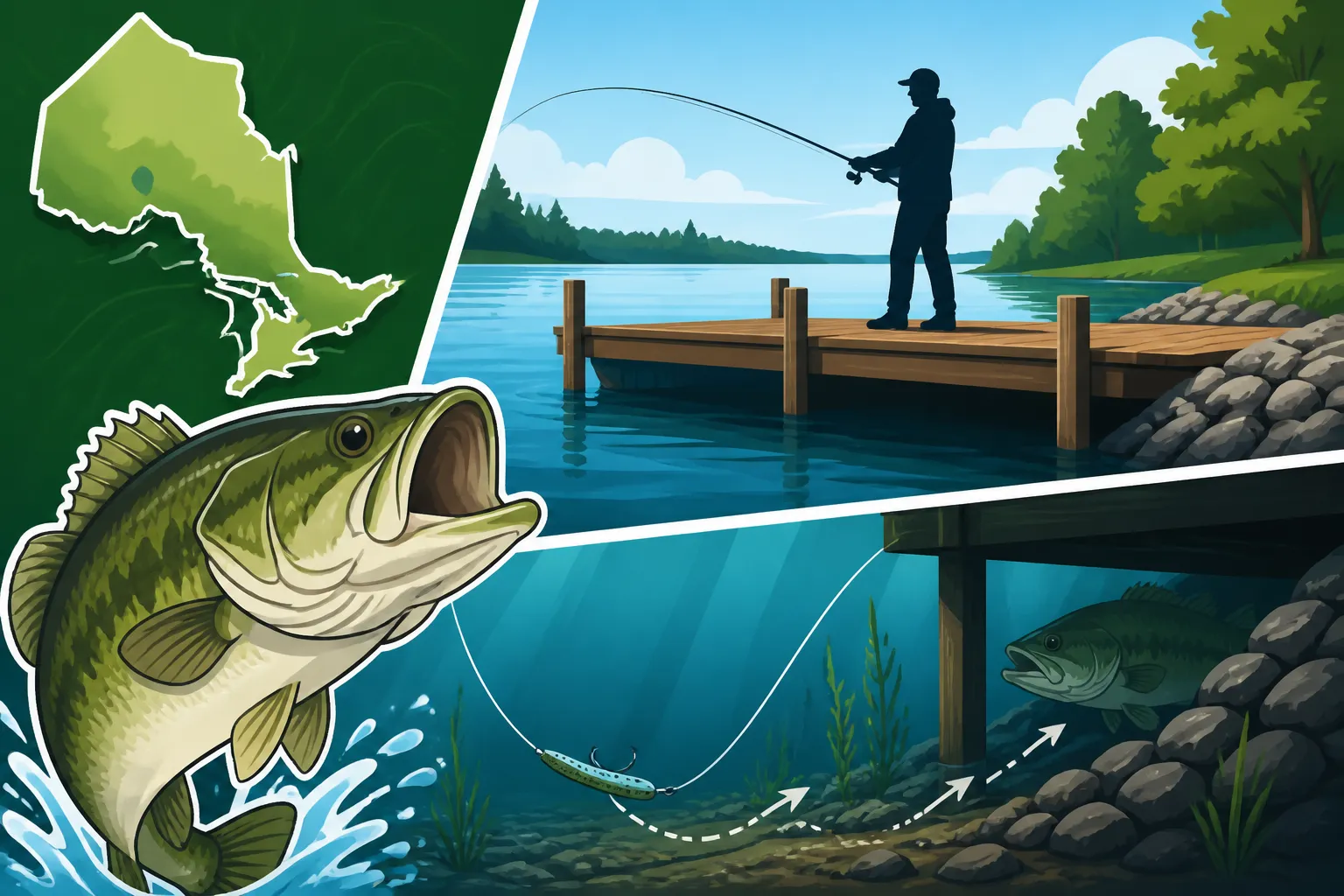
- Pitching: This is a shorter, more controlled underhand cast used for delivering lures accurately to specific targets without a big overhead motion. Instead of skipping, you're gently lobbing the lure. This is perfect for reaching small gaps between dock pilings, tight corners, or the shady areas right along the dock's edge. Both skipping and pitching require practice, but you'll be amazed at how many fish you can pull out from seemingly inaccessible spots once you get the hang of it. Remember to always be ready for a bite the moment your lure hits the water, as strikes often occur on the initial fall.
Targeting Dock Pilings and Edges
Fish don't always hang out in the deepest, darkest parts of a dock. Often, they'll be positioned along the edges or right next to the vertical pilings, waiting for an opportune moment to strike.
- Working the Perimeter: Cast your lure to land precisely along the outer edge of the dock. Let it sink for a moment, then retrieve it with a series of twitches or a slow, steady retrieve, mimicking a baitfish swimming along the structure. Pay close attention to corners and where the dock meets the shore, as these are natural ambush points.
- Pilings are Prime: Every single dock piling is a potential fish hideout. These vertical structures act like mini-reefs. Cast your lure so it lands as close as possible to the piling without snagging. Let it sink, then work it slowly around the base of the piling. A small jig or a Texas-rigged worm dropped directly alongside a piling can be deadly. Often, fish will be sitting on the side of the piling furthest from the sun, so focus your casts on those shaded sides.
- Shadow Lines: Pay attention to where the sun hits the dock. The sharp contrast between light and shadow creates a "shadow line" that fish often patrol. They can dart out from the dark into the light to grab prey, then retreat to the safety of the shadows. Presenting your lure right along this invisible line can trigger aggressive strikes. Best Time of Day to Catch Walleye emphasizes the importance of light conditions.
Probing the Depths Beneath
Sometimes, the fish are holding deeper under the dock, especially in warmer water or when they're less active. This calls for a different approach.
- Vertical Presentation: Instead of casting, try dropping your lure straight down into the deeper pockets underneath the dock. If you're in a boat or kayak, position yourself directly over a likely spot (using your fish finder can help immensely here) and lower a jig or drop shot rig straight down. This allows you to thoroughly work the entire water column under the dock.
- Patience is a Virtue: When fishing deep under docks, slow down. Let your lure hit bottom, then lift it slightly and let it fall again. Remember, the fish here might not be actively chasing; they're waiting for an easy meal. Work every square foot methodically before moving on. Sometimes, the bite will be incredibly subtle, feeling like just a slight pressure or a "tick" on your line. You might find a high-quality reel on Amazon that enhances your sensitivity for these lighter bites.
- Targeting Crossbeams and Submerged Obstacles: Docks aren't just pilings; many have submerged crossbeams, old tires, or other debris that have fallen beneath them over the years. These hidden obstacles are often magnets for big fish. If you get a snag and manage to free your lure, remember that spot – there's likely something interesting down there!
Unlocking the Secrets of Laydowns and Submerged Timber
Laydowns – those magnificent fallen trees reaching into the water – are some of the most challenging yet rewarding structures to fish. They offer a chaotic haven for fish, but they also present a snagging nightmare for anglers. The key is understanding how fish relate to the different parts of the tree and choosing the right technique to get your lure into the strike zone.
Flipping and Punching the Thick Stuff
When a laydown is truly dense, with branches crisscrossing and creating a thick canopy, traditional casting won't cut it. This is where flipping and punching come into play.
- Flipping: This is a short-range, accurate technique where you use your rod to swing or "flip" your lure (typically a heavy jig or Texas-rigged creature bait) into small openings in the cover. You don't cast; instead, you keep your rod tip high, let out just enough line, and swing the lure in a pendulum motion. The goal is to make a quiet entry and let the lure fall vertically into a precise spot. This is perfect for the tighter pockets within the laydown, where a big bass or pike might be waiting.
- Punching: For truly impenetrable cover, like matted weeds that have grown over a laydown, punching is your best bet. This involves using an extra-heavy weight (1 oz or more) with a Texas-rigged soft plastic and "punching" it directly through the mat. The heavy weight helps the lure penetrate the thick cover, getting it down to the fish holding beneath. This is an aggressive technique for aggressive fish. For both flipping and punching, remember to use stout gear – a heavy power rod and strong braided line are absolutely essential to horse fish out of such dense cover. Best Line Weight for Muskie Fishing and Best Braided Line for Muskie Fishing can give you insights into the kind of strength you'll need.
Working Lures Through the Branches
Not all laydowns are impenetrable. Some have more open branches, or you might want to work the outer edges. The challenge here is to present your lure naturally without getting hopelessly tangled.
- Weedless is Key: Always opt for weedless presentations. Texas-rigged soft plastics are paramount here, but weedless swim jigs or even spinnerbaits with a single, upward-pointing hook can be effective.
- Slow and Steady: When retrieving through branches, a slow, deliberate approach is best. Feel your lure. If it bumps a branch, pause, twitch it gently, or slowly pull it over the obstacle. Often, a fish will strike the moment your lure comes free from a snag, thinking it's an escaping meal.
- Mimic Natural Movement: Imagine a bug or small fish navigating through the branches. They don't blast through. They pause, dart, and weave. Try to replicate this with your lure. Twitching a worm, letting a jig fall between branches, or slowly swimming a creature bait can be incredibly effective. Sometimes, the subtle motion is what seals the deal.
- Focus on the "Sweet Spot": The "sweet spot" of a laydown is often where the main trunk meets the water, where the largest branches extend, or where the deepest part of the tree lies. These areas offer the most cover and are often where the biggest fish are holding. Best Techniques for Early Spring Pike also delves into working cover during colder periods.
Reading the Laydown: Identifying the Sweet Spots Within the Tangle
Just like with docks, not all laydowns are created equal. Some will hold fish, and others will be barren. Learning to "read" a laydown can significantly increase your success.
- Depth and Angle: A laydown that extends into deeper water is generally more productive than one that's entirely in very shallow water, especially in warmer months. Look for trees that angle down into the water, providing cover from the surface to the bottom.
- Proximity to Other Features: A laydown that's near a drop-off, a rock pile, a channel bend, or a transition from hard bottom to soft bottom is almost always better than an isolated tree. These combined features create an even more attractive habitat.
- Fresh vs. Old: Newer laydowns with lots of leaves and small branches can be great, especially for smaller fish. However, older, more weathered laydowns with fewer leaves and more substantial branches tend to attract larger game fish because they offer more structural integrity and better long-term cover.
- Branch Density: Identify the areas where the branches are densest, forming natural pockets or overhead canopies. These are often the prime ambush points. Conversely, areas with sparser branches might be good for swimming lures or casting.
- Water Flow: If you're on a river, observe how the current flows around the laydown. Fish will often position themselves on the downstream side, out of the main current, waiting for food to be washed past them. Similarly, the upstream side can be a good spot for ambush. How to Fish a River for Smallmouth Bass is highly relevant for understanding current in laydowns.
Mastering fishing around docks and laydowns takes patience and a willingness to get snagged a few times. But with the right gear and techniques, these challenging structures will become your favorite spots to target some of the biggest and most exciting fish Ontario has to offer. So, gear up, practice your skipping, and get ready to pull some hawgs out of the timber!
Disclaimer
This article is for general informational purposes only and does not constitute professional advice. Laws, prices and regulations vary by location and change over time. Consult a qualified professional for guidance on your specific situation.