How to catch walleye during a cold front in Ontario
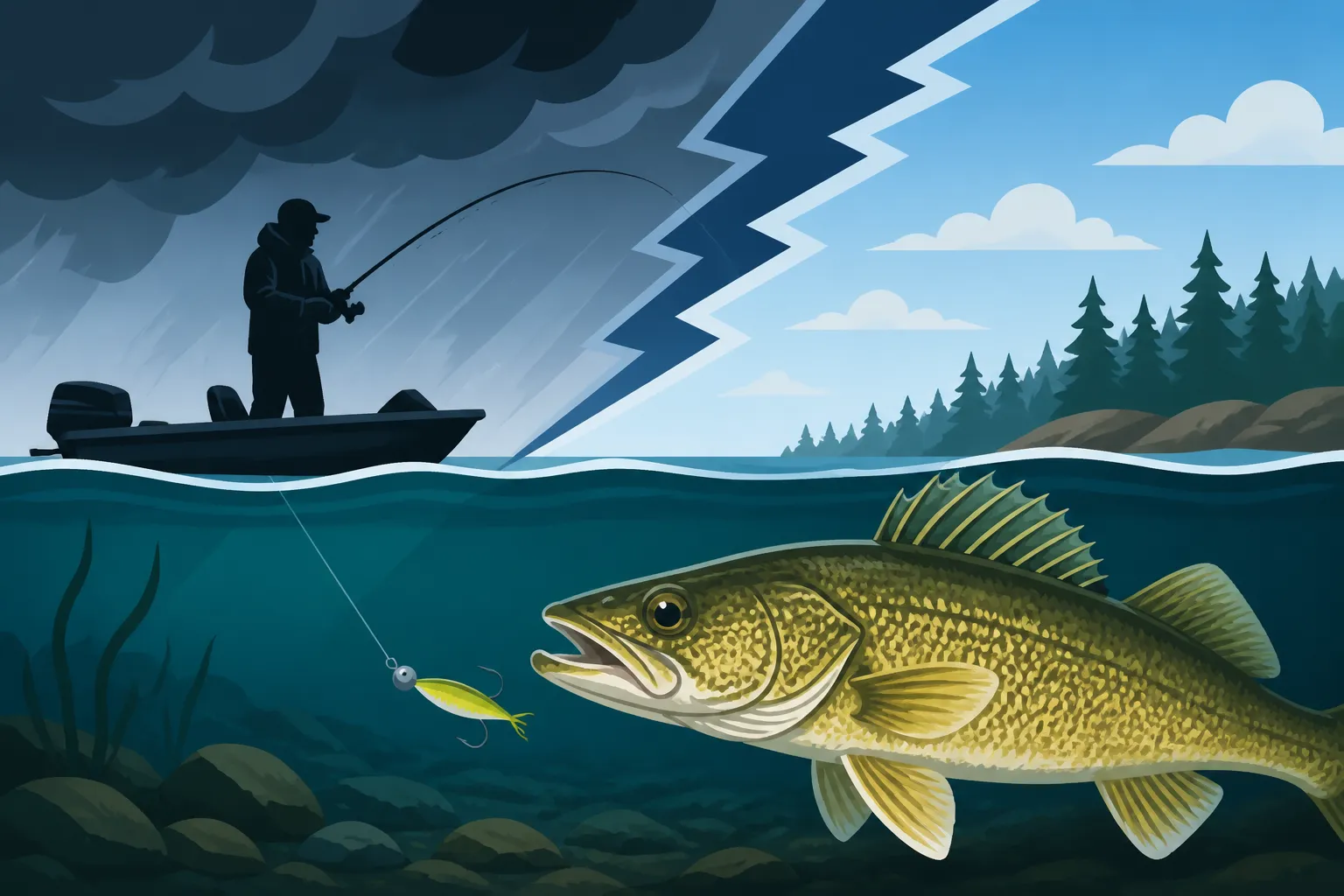
There's nothing quite like the crushing disappointment of planning an eagerly awaited walleye fishing trip in Ontario, only to wake up to a sudden, dramatic cold front. That crisp, clear air feels fantastic to us, but for walleye, it's a game-changer, often turning them from aggressive feeders into finicky, lethargic lumps. If you've ever found yourself staring at a blank fish finder screen, wondering where all the walleye went after a front, you're not alone. This guide is all about understanding why cold fronts wreak havoc on walleye behavior and, more importantly, how you can adapt your approach to still find success, even when conditions feel stacked against you.
Understanding the Impact of a Cold Front on Walleye Behavior
Cold fronts aren't just a change in air temperature; they bring a whole suite of atmospheric and aquatic shifts that directly influence how walleye behave. It’s like their whole world gets a sudden, unwelcome jolt, and they react by shutting down. Knowing why they react this way is the first step to figuring out how to catch them.
How Water Temperature Drops Affect Fish Metabolism
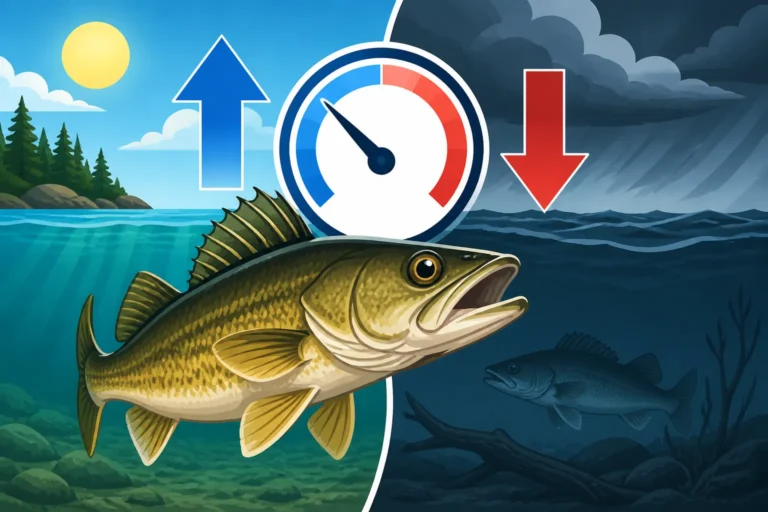
Imagine going from a comfortable, warm room to suddenly being plunged into a chilly breeze. You’d probably tense up, shiver, and want to curl into a ball, right? Walleye, being cold-blooded creatures, experience something similar. Their metabolism is intrinsically tied to water temperature. A sudden drop, even a few degrees, signals to their bodies that it's time to conserve energy. This isn't a gradual seasonal cool-down they're adapted for; it's an abrupt change that causes stress.
When the water cools quickly, their internal systems slow down. Digestion becomes less efficient, energy expenditure needs to be minimized, and their urge to chase down prey diminishes significantly. They're not actively "starving" because their metabolism is too slow to require constant feeding. Instead, they become highly selective, looking for the easiest, least energy-intensive meal possible. This means those fast-moving crankbaits or aggressive jigging presentations that worked yesterday might be completely ignored today. Understanding Best water temperature for walleye fishing can really highlight how critical these subtle shifts are.
Changes in Walleye Location and Behavior
The atmospheric pressure change that accompanies a cold front can also play a huge role. High pressure typically moves in behind a front, and many anglers believe this pushes fish deeper. While the exact scientific reasons are still debated, anecdotal evidence from countless anglers in Ontario suggests walleye often seek out deeper, more stable water columns when high pressure dominates.
They're looking for comfort and refuge. This could mean they retreat to deeper main lake basins, hug the bottom of steep breaks, or tuck themselves into dense cover. They become less active, moving slowly, and often schooling tighter in these deeper sanctuaries. Instead of roaming wide flats or actively cruising weed edges, they'll hold tight to structure. Think of them as essentially hiding out, waiting for conditions to stabilize. This change in location means you can't just fish the same spots with the same methods you did pre-front. It's time to adapt, and sometimes that adaptation means going vertical or incredibly slow.
The "Post-Front Funk": Why Typical Tactics Fail
The "post-front funk" is a real phenomenon that frustrates even the most seasoned Ontario walleye anglers. It's that period, sometimes lasting a day or two after the cold front has passed, where the walleye seem to have simply vanished. All your tried-and-true tactics – casting aggressive jerkbaits, speedy retrieves, or even standard bottom bouncing – often yield nothing but frustration.
The reason these tactics fail is directly related to the metabolic slowdown and the fish's change in behavior. A walleye in a post-front funk isn't going to chase down a rapidly retrieved bait. Its energy reserves are low, and its instinct is to conserve. An erratic, fast-moving lure might even spook it. What they're looking for is a slow, easy target that requires minimal effort to consume. This often translates to baits presented right on their nose, with very little action, or natural bait that offers an irresistible scent. It's a stark contrast to how to catch walleye in Ontario during more favorable conditions, where they can be much more aggressive.
Essential Gear and Bait Adjustments for Cold Front Walleye
When a cold front hits, it's time to put away your power fishing gear and embrace the art of subtlety. Your tackle box needs a re-evaluation, and your presentation needs to become incredibly refined. This is where patience and finesse truly shine.
Downsizing Baits and Slower Presentations
This is perhaps the most crucial adjustment you can make. Forget those bulky swimbaits or large crankbaits for a bit. Walleye aren't in the mood for a big, energetic meal. Think small, subtle, and enticing.
- Jigs: Opt for smaller jigs, typically 1/8 to 1/4 ounce, perhaps even lighter if the wind isn't too strong and you can maintain bottom contact. Pair these with similarly small soft plastics like 2-3 inch minnow imitations, grubs, or small paddle tails. The goal is to mimic a stunned or dying baitfish, something incredibly easy to catch. Brands like Berkley Gulp! Minnows or Trigger X plastics, which have added scent, can be particularly effective during these times. You can often find a good selection of these on Amazon.
- Presentations: The retrieve speed should be excruciatingly slow. Think "deadsticking" – letting the bait sit for long periods, imparting only the barest twitch, or slowly dragging it along the bottom. If you're jigging, it's more of a lift-and-drop, letting the jig fall back to the bottom on a slack line, allowing the plastic to flutter. Subtle is key. Remember, they're not chasing; they're inspecting.
Live Bait as a Game Changer
While artificials have their place, live bait often becomes the MVP during a cold front. Nothing beats the natural scent and subtle, undeniable movement of a real minnow or worm.
- Minnows: Small shiner or dace minnows, hooked lightly through the lip or back, are phenomenal. Present them on a small jig, a plain hook under a slip float, or a slow-trolled bottom bouncer. The natural struggle of the minnow is often enough to trigger a strike from an otherwise uninterested walleye. The best way to present them is often with minimal weight, allowing them to swim as naturally as possible.
- Leeches: If you can get your hands on them, small leeches can be incredibly effective, especially when fished on a jig or under a slip bobber. Their undulating movement is hard for a walleye to resist, and their scent trail is a big draw.
- Worms: Half a nightcrawler on a small hook can also work wonders, particularly when fished slowly along the bottom. The scent trail is strong, and the wriggling motion can be enough to entice a strike.
- Presentation: Again, slow is the name of the game. Whether you’re drifting, slowly trolling, or just anchored and casting, ensure your live bait is presented in a way that allows its natural movements to do the work, without too much added action from your retrieve. Consider a simple split shot rig or a very light jig head.
Rod, Reel, and Line for Finesse Fishing
To effectively present these smaller baits and detect those incredibly subtle cold front bites, your gear needs to be up to snuff.
- Rods: A sensitive, light to medium-light action spinning rod, typically 6'6" to 7' feet long, is ideal. Look for a fast or extra-fast tip that can transmit even the lightest tap from a lethargic walleye. Graphite rods are preferred for their sensitivity.
- Reels: A smooth, smaller spinning reel (2000-2500 series) with a good drag system is perfect. You won't be fighting huge fish typically, but a smooth drag is crucial for setting the hook without breaking light lines.
- Line: This is where you really want to pay attention.
- Main Line: 6-8 lb monofilament or fluorocarbon is a good choice for direct connection. Some anglers prefer a thin braided line (8-10 lb test) for its incredible sensitivity and zero stretch, but if you go this route, a leader is essential.
- Leader: A 4-6 lb fluorocarbon leader, 3-6 feet long, is absolutely vital if using braided main line. Fluorocarbon is nearly invisible underwater, which is a huge advantage for spooky, cold-front walleye. It also has excellent abrasion resistance if you're fishing around rocks. You can find quality fluorocarbon leaders from brands like Seaguar or P-Line on Amazon.
This lighter, more sensitive setup allows you to feel those faint "thumps" or spongy feelings that signify a walleye has picked up your bait. It also lets your bait move more naturally in the water, without the stiffness of heavier lines. For more on optimizing your setup, check out Best Tackle for Ontario Walleye and Best Fishing Rods for Ontario Lakes.
Strategic Locations and Tactics to Find Cold Front Walleye
Knowing what bait to use is only half the battle. You also need to know where to find these reluctant walleye and how to present your offering in a way that coaxes them into biting. This means changing up your usual spots and adopting specific, slow-paced techniques.
Targeting Deep Structure and Transition Areas
When a cold front hits, walleye often abandon shallow feeding flats and move to areas offering more stability and protection. They're seeking refuge from the sudden changes.
- Deep Humps and Reefs: Walleye will often stack up on the deepest sides or bases of offshore humps and reefs. These areas provide stable depths and can act as holding areas. Use your electronics to scan the bottom for clusters of fish, especially near where the structure meets the basin. They might be hugging the bottom so tightly they look like part of the structure itself.
- Breaklines and Drop-offs: Steep breaklines that drop into deeper water (20-40+ feet, depending on the lake) are prime locations. Walleye will position themselves along these breaks, often slightly off the bottom, looking up for easy meals. The transition zone where a hard bottom (rock, gravel) meets a soft bottom (mud, sand) can also be a key holding area, as baitfish often congregate there. Using an interactive map like the Ontario Fish ON-Line Interactive Zone Map, Explained can help pinpoint these key structures before you even launch your boat.
- Points and Submerged Islands: These features, especially those with access to deep water on multiple sides, can be excellent ambush points. Walleye will relate to the deeper edges, waiting for unsuspecting prey to pass by.
- Concentration is Key: Unlike pre-front conditions where walleye might be spread out, post-front fish are often highly concentrated in small areas. Find one, and you've likely found a school.
Vertical Jigging and Deadsticking
These are probably two of the most effective techniques for cold front walleye because they are inherently slow and keep your bait in the strike zone for extended periods.
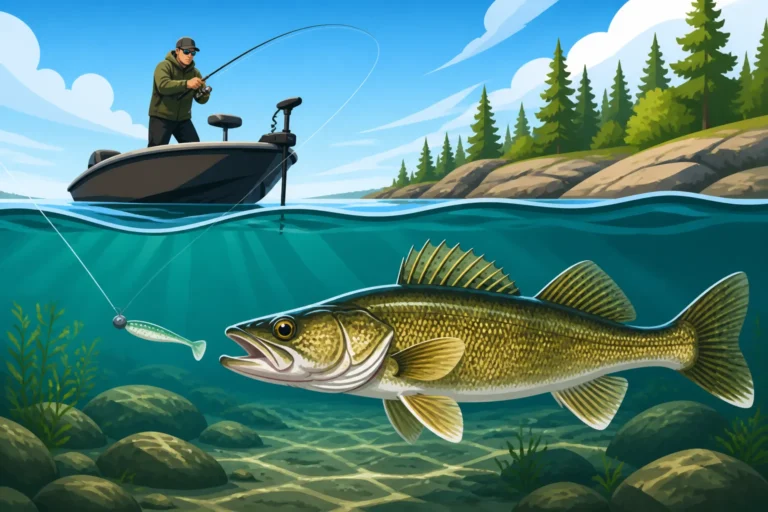
- Vertical Jigging: This involves positioning your boat directly over the fish (often using a trolling motor or spot-lock feature) and dropping a small jig straight down.
- Jig Type: A 1/8 to 1/4 ounce jig head tipped with a 2-3 inch soft plastic minnow, a live minnow, or a leech is usually best.
- Action: The retrieve is minimal. Lift the rod tip a few inches, then slowly drop it back down, letting the jig fall on a semi-slack line. The key is to feel for the bite on the drop. Sometimes, a walleye will just "mouth" it, or you'll feel a slight weight or spongy sensation. Keep your line as vertical as possible to maintain contact with the bottom and detect bites. For detailed guidance on similar techniques, consider How to Fish a Crawler Harness for Walleye, though for cold fronts, you'd want to go even slower.
- Deadsticking: This is even more passive. It involves simply holding your rod still, or even placing it in a rod holder, with a live minnow or jig resting on or just above the bottom.
- Setup: Use a light jig or a plain hook with a split shot, baited with a lively minnow or leech.
- Application: This works particularly well when you've located a school of lethargic walleye. The natural movement of the live bait is often all it takes to trigger a bite. Sometimes, the less you do, the better. This is especially useful in deep water where walleye are less likely to move aggressively.
Slow Trolling with Bottom Bouncers or Harnesses
If vertical jigging or deadsticking isn't producing, or you need to cover more ground to find those concentrated schools, slow trolling can be very effective.
- Bottom Bouncers: These are ideal for presenting live bait or small plastics along the bottom without snagging.
- Setup: Attach a bottom bouncer (1 to 2 ounces, depending on depth and current) to your main line. To the bottom bouncer, attach a snell (typically 3-6 feet long) with a plain hook or a small, single-hook crawler harness. Bait with a live minnow, leech, or half a nightcrawler.
- Speed: Troll at speeds between 0.5 to 1.5 mph. The goal is to keep the bottom bouncer occasionally ticking the bottom, while your bait trails naturally behind.
- Spinner Rigs/Crawler Harnesses: While often used with a worm, these can be adapted. Use a very small blade (size 0 or 1 Indiana or Colorado) on a slow-death style hook or plain hook, tipped with a small piece of worm or a live minnow.
- Presentation: Again, troll very slowly. The small blade will offer just enough flash and vibration to attract attention without being too aggressive.
- Depths: This technique is best suited for covering flat, featureless bottoms, or the tops of deep flats and humps where walleye might be scattered but still lethargic. You can explore Best Baits for Walleye on Lake Erie for more bait insights, which are adaptable to other Ontario walleye lakes.
| Tactic Element | Normal Conditions (Pre-Front) | Cold Front Conditions (Post-Front) |
|---|---|---|
| Walleye Location | Shallower flats, weed edges, actively cruising | Deeper breaks, humps, tight to bottom, less movement |
| Bait Size | Standard to large crankbaits, larger jigs, full worms/minnows | Downsized jigs, small plastics (2-3"), small minnows/leeches |
| Presentation | Aggressive retrieves, faster trolling, casting & retrieving | Extremely slow, vertical jigging, deadsticking, slow drifting/trolling |
| Retrieve Speed | Moderate to fast, erratic movements | Minimal movement, long pauses, subtle twitches |
| Line Type | Braided main line, heavier fluorocarbon leader | Lighter fluorocarbon leader (4-6 lb), highly sensitive rod |
| Patience Level | Moderate, expect aggressive strikes | High, detect subtle bites, longer wait times |
Overcoming the Mental Game and Staying Persistent
Let's be real: cold front walleye fishing can test your patience like no other. It’s easy to get discouraged when the bite is tough, and it feels like the fish have simply evaporated. But a crucial part of succeeding when the weather turns is winning the mental game and sticking with your plan.
Patience is Your Best Friend
You absolutely cannot rush success during a cold front. This isn't the time for run-and-gun fishing. Walleye are in a funk, and they're not going to be eager to chase. This means you need to slow down every aspect of your fishing.
- Extended Soak Times: When vertical jigging or deadsticking, leave your bait in the strike zone for much longer than you normally would. Sometimes it takes minutes for a lethargic walleye to decide to investigate, let alone bite.
- Subtle Bites: Be prepared for incredibly subtle bites. It might not be a jarring strike; it could be a slight increase in weight on your line, a faint tap, or simply your line going slack when it shouldn't. This requires unwavering focus on your line and rod tip.
- Change is Slow: If you're experimenting with different baits or depths, give each change a significant amount of time before declaring it a failure. A quick five-minute try isn't enough to assess effectiveness in these conditions. Walk through the steps of How to use the Fish ON-Line interactive zone map to ensure you're fishing the right spots slowly and meticulously.
Reading the Conditions and Adapting
While cold fronts often bring tough fishing, no two cold fronts are exactly alike, and conditions evolve. Being observant and willing to adapt on the fly is paramount.
- Watch Your Electronics: Pay close attention to your fish finder. Are the fish still deep? Have they moved up a few feet from the bottom? Are they scattered or tightly schooled? Your electronics are your eyes underwater, helping you confirm your theories about where the fish are holding.
- Observe Baitfish: If you see schools of baitfish, walleye are likely nearby, even if they're not actively feeding. These areas indicate potential hotspots once the walleye decide to get active again.
- Subtle Changes: Don't be afraid to make tiny adjustments. If you're getting short strikes on a 3-inch plastic, try a 2-inch. If a steady drag isn't working, try a lift-and-drop. Change jig colors. Sometimes the smallest tweak can make a difference.
- Barometric Pressure: Keep an eye on the barometric pressure. While high pressure typically follows a cold front, if it starts to stabilize or even slowly drop again, the bite might pick up slightly. Understanding How barometric pressure affects Ontario walleye fishing can give you an edge.
Don't Give Up! Persistence Often Pays Off
The biggest mistake you can make during a cold front is throwing in the towel too early. It’s a frustrating experience, but those who persist and adapt are often rewarded with a few hard-earned walleye.
- The Reward: Catching a walleye during a tough cold front feels incredibly satisfying. It’s a testament to your skill, patience, and adaptability as an angler.
- Learning Experience: Every tough day on the water is a learning experience. You're honing your skills, understanding fish behavior better, and becoming a more versatile angler.
- Enjoy the Process: Even if the fish aren't biting, enjoy being out on the beautiful waters of Ontario. Take in the scenery, practice your casting, and appreciate the peace and quiet. Sometimes, just being out there is the real prize. Remember that even on tough days, Best Walleye Lakes in Ontario still hold fish – you just need to work harder for them. And for those planning ahead, knowing the Ontario Walleye Opener Dates by Zone can help you time your trips for better, or at least different, conditions.
Fishing for walleye during a cold front in Ontario is undoubtedly a challenge, but it's far from impossible. By understanding how these conditions affect the fish, adjusting your gear and baits, and employing strategic, slow-paced tactics, you can significantly increase your chances of success. It demands patience, persistence, and a willingness to think outside your usual playbook, but the rewards are absolutely worth it.
Disclaimer
The information provided in this guide is for general informational purposes only and is subject to change. Always consult the most current Ontario fishing regulations and local authorities before heading out on the water. Fishing conditions, fish behavior, and regulations can vary significantly by location and time of year.