How to catch trophy muskie in the fall
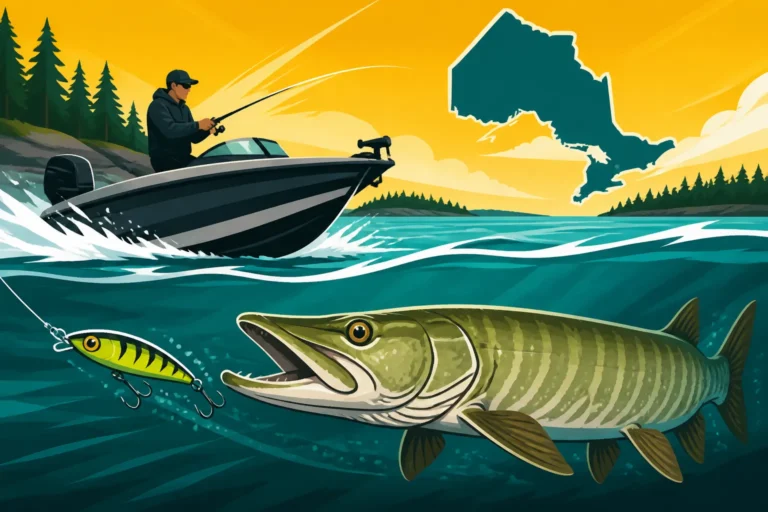
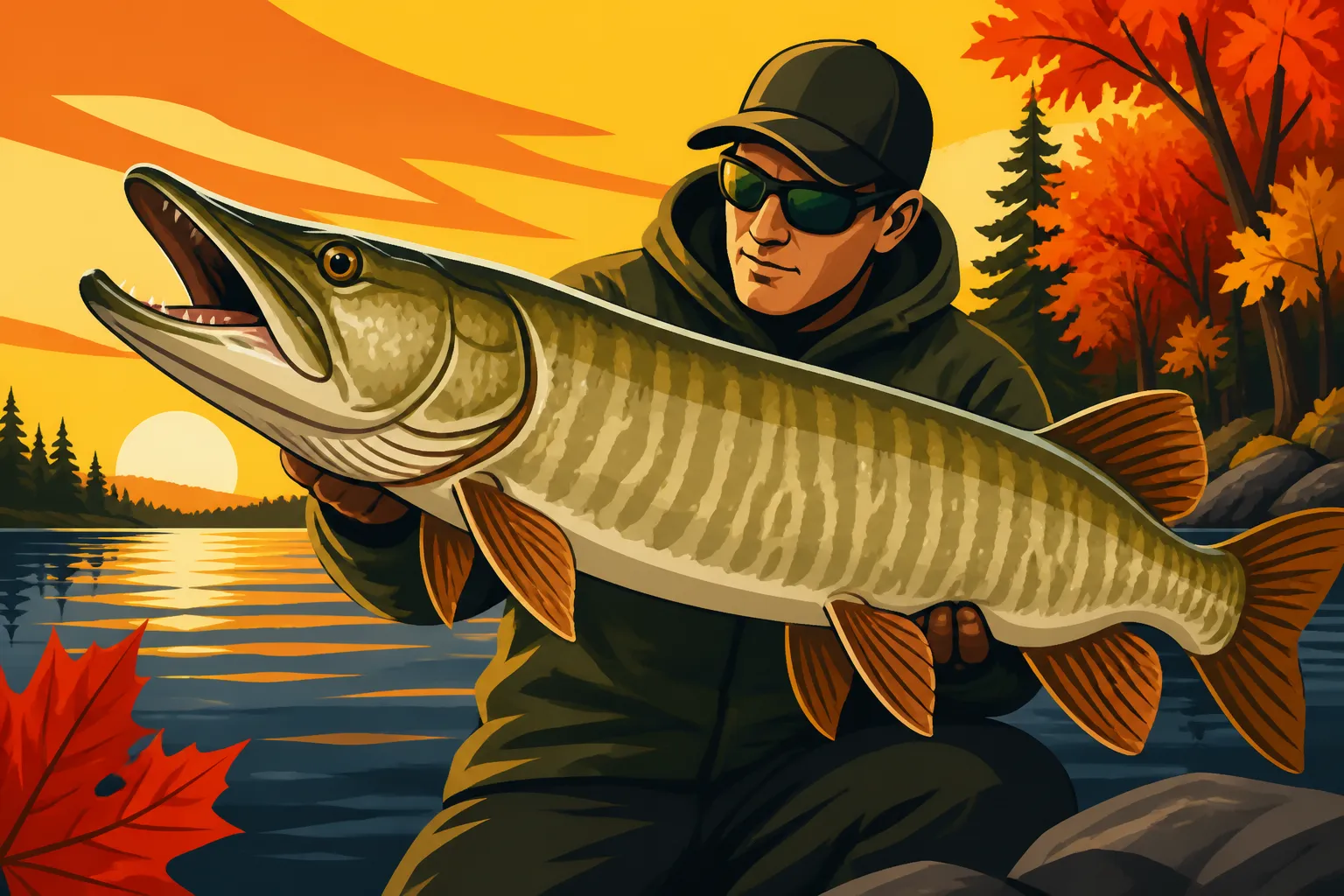
There's a special kind of thrill that comes with chasing trophy muskellunge in Ontario, a feeling that dedicated anglers know all too well. It's not just about catching a fish; it's about the hunt, the patience, and the sheer power of these apex predators. Many anglers spend countless hours on the water through the summer, only to find the biggest fish remain elusive. But as the leaves begin to turn and the air gets crisp, a magical window opens, offering perhaps your best shot at landing that true giant. This guide will walk you through everything you need to know to dramatically increase your chances of catching a trophy muskie this fall.
Why Fall is the Ultimate Season for Trophy Muskie
Fall in Ontario isn't just beautiful; it's absolutely prime time for chasing those monstrous muskies. While the warmer months are certainly productive, fall offers unique advantages that significantly increase your odds of encountering a true trophy. It’s a period of intense feeding, where these fish are literally trying to pack on weight for the long, lean winter ahead.
The Autumnal Feast: A Race Against Winter
As water temperatures begin their slow, steady decline after the summer peak, muskie metabolism kicks into overdrive. They sense winter approaching and know they need to gorge themselves, building up fat reserves to sustain them through the cold months when forage becomes scarce. This pre-winter feeding frenzy means they are often more aggressive and willing to chase down larger baits than they might consider in other seasons. They’re less finicky, more focused on survival, and that works in your favour. Think of it like a bear preparing for hibernation – they're looking for the biggest, easiest meals they can find.
Big Bait, Big Fish: Targeting Larger Forage
With the changing season, baitfish also start to school up and move into different areas. Often, these schools are larger, and the individual baitfish themselves are bigger, having grown throughout the summer. Muskies, being opportunistic predators, will follow this larger forage. If you're throwing smaller baits, you might miss out on drawing the attention of a fish that's specifically looking for a substantial meal. This is when those larger crankbaits, glide baits, and massive bucktails really shine. They accurately mimic the significant caloric intake a trophy muskie is seeking, making your presentation much more appealing.
Gearing Up for Giants: Essential Fall Muskie Tackle
Chasing trophy muskie isn't a task for flimsy gear. These fish are powerful, aggressive, and can put an immense strain on your equipment. Investing in the right rods, reels, line, and lures is absolutely non-negotiable if you want to land one of these giants consistently. Skimping here will almost certainly lead to heartbreak.
Rods and Reels: The Powerhouse Combo
For fall muskie, you're looking for heavy-duty setups that can handle big baits and even bigger fish. A good muskie rod will typically be between 8 and 10 feet long, with a heavy or extra-heavy power rating and a fast action. This length gives you leverage for casting large lures and fighting powerful fish. Brands like St. Croix, G. Loomis, and Shimano offer excellent muskie-specific rods. Pair this with a robust baitcasting reel designed for muskie. Look for reels with a high line capacity, a strong drag system, and a solid gear ratio for retrieving large baits. Many anglers prefer a low-profile baitcaster, but round baitcasters also have their loyal following. You can often find a wide selection of these specialized rods and reels on platforms like Amazon or at dedicated fishing outfitters. Best Rods for Ontario Lakes can offer more insights into suitable rods for the diverse waters of Ontario.
Line and Leaders: Unbreakable Connections
Your mainline should be a heavy-duty braided line, typically in the 80 to 100-pound test range. Braid offers incredible strength, minimal stretch for solid hooksets, and excellent abrasion resistance. Colour isn't as critical as strength. However, braid alone isn't enough; you need a leader. Muskie have razor-sharp teeth that will make short work of monofilament or fluorocarbon. A strong wire or heavy fluorocarbon leader (100-150 lb test) is essential. Many anglers prefer titanium leaders for their durability and kink resistance. Ensure your leaders are at least 12-18 inches long to protect your mainline.
Lures for the Autumnal Appetite
Fall muskie are hungry, and they often want a big meal. Your lure selection should reflect this.
- Large Crankbaits: Deep-diving crankbaits that can get down to where muskie are holding, often in 15-30 feet of water, are crucial. Look for models 8-14 inches long in natural baitfish colours or bright, aggressive patterns.
- Glide Baits: These lures are incredibly effective in fall, offering a unique side-to-side swimming action that can tempt even hesitant fish. They require a specific retrieve but can be deadly.
- Jerkbaits: Large, heavy jerkbaits that suspend or slowly sink are excellent for working over structure. A twitch-pause retrieve can be irresistible.
- Bucktails: While often thought of as a summer bait, large double or triple-bladed bucktails can still be very effective, especially when worked quickly to trigger a reaction strike.
- Soft Plastics: Giant swimbaits and large creature baits rigged on heavy jig heads can mimic substantial prey and are fantastic for vertical jigging or slow retrieving over deep structure.
You’ll find a huge variety of these, including custom colours and sizes, online, with many available directly from Amazon. For a deeper dive into lure selection, check out Best Lures for Muskie Fishing in Ontario.
Locating Fall Muskie: Structure, Baitfish, and Water Temperatures
Finding fall muskie isn't about aimlessly casting. It's about understanding their seasonal movements and preferences, which are largely dictated by water temperature and the availability of their preferred forage. These fish become much more predictable as the water cools, often congregating in specific areas.
Following the Forage: Baitfish Concentrations
As summer turns to fall, baitfish like ciscoes, perch, and suckers begin to move from shallow, warmer water to deeper, more stable environments. Muskie will absolutely follow this migration. Look for large schools of baitfish on your fish finder, especially over deeper humps, points, and along drop-offs into main lake basins. If you find the food, you're likely to find the predators. These baitfish schools often hug structure, providing ambushing opportunities for muskie. Ontario's large lakes, like Georgian Bay Muskie Fishing and Lake St Clair Muskie Fishing, are prime examples where following the bait is paramount.
Deep Structure is Key
Unlike summer, where muskie might be scattered in weed beds, fall brings them to more concentrated, deeper structures. This includes:
- Deep Humps and Reefs: Submerged islands or rock piles that top out in 15-30 feet of water, especially if they have steep breaks.
- Main Lake Points: Points that extend far out into the lake, particularly those with a sharp drop-off on one or both sides.
- Channel Edges: River channels or deep navigation channels within a lake, where muskie can ambush baitfish moving along the edge.
- Inside Turns and Bays: Deeper areas of bays or inside turns of points that offer both shelter and access to deep water.
Often, the side of the structure facing the prevailing wind will be more active, as waves push baitfish into these areas. Learning how to effectively use your fish finder is critical for identifying these key spots and baitfish concentrations.
The Magic Number: Optimal Water Temperatures
Muskies thrive in specific temperature ranges, and in fall, they are looking for that sweet spot. While "optimal" can vary slightly by region and lake, generally, as water temperatures drop into the 50s Fahrenheit (around 10-15 degrees Celsius), muskie become increasingly active. When temperatures dip further, into the low 40s F (5-10 C), they can still be incredibly active, but their location might shift to even deeper, more thermally stable waters. Keep an eye on your water temperature gauge; it's one of your most valuable tools for understanding muskie behaviour.
Effective Fall Muskie Techniques: Trolling and Casting
Fall muskie fishing often involves a blend of specific techniques, primarily trolling and casting, tailored to the deeper water and aggressive feeding patterns of these fish. Mastering both will give you a significant advantage. Remember, muskie fishing is often about making a lot of casts or passes for one bite, but that one bite could be the fish of a lifetime.
Trolling: Covering Water and Reaching Depth
Trolling is an incredibly effective method for fall muskie, especially on larger bodies of water. It allows you to cover vast areas efficiently and present lures at precise depths for extended periods.
- Speed and Depth: Experiment with trolling speeds, typically between 2.5 and 4.5 mph, depending on the lure and water temperature. Pay close attention to your fish finder to keep your lures running just above or through baitfish schools and structure. Use lead core line, diving planers, or downriggers to get your large crankbaits and glide baits down to the desired depth.
- Contouring: Don't just troll in straight lines. Follow contour lines, particularly those associated with deep points, humps, and channel edges. This keeps your lure in the strike zone longer. When using multiple lines, a planer board system can help spread your lures out and cover a wider path.
- Big Baits: This is where those 10-14 inch crankbaits really shine. Use lures that dive to the depths where you're marking baitfish or structure.
Trolling is a patient game, but it often accounts for some of the largest fall muskie catches, especially on sprawling lakes like Lake of the Woods or Lake Nipissing Fishing Guide areas.
Casting: Working Structure with Precision
While trolling covers water, casting allows for more precise presentations to specific pieces of structure or isolated cover.
- Fan Casting Structure: When you locate a promising hump, reef, or point, position your boat to fan cast the entire area. Work your lures from shallow to deep, and around all sides of the structure.
- Jigging Deep: If you're marking fish directly on deep humps or suspended baitfish, vertical jigging with large soft plastics or jigging spoons can be deadly. Drop your lure directly onto the marks and work it aggressively.
- The Figure Eight: This is arguably the most critical technique for muskie casting, especially in fall. Many muskie will follow your lure right to the boat, inspecting it. When your lure is within reach, immediately plunge your rod tip into the water and execute a large "figure eight" pattern beside the boat. Keep the lure moving, changing speeds, and making sharp turns. Often, a muskie that was just following will strike aggressively at this point. It's a skill that takes practice, but it pays off. You'll find more details on this essential boat-side manoeuvre in How to figure eight a muskie boatside.
| Lure Type | Best Application | Retrieve Style | Key Feature for Fall |
|---|---|---|---|
| Deep-Diving Cranks | Open water trolling, deep structure | Steady retrieve, varied speed | Large profile, depth |
| Glide Baits | Casting structure, subtle presentation | Twitch-pause, side-to-side glide | Unique action, can be slow |
| Large Jerkbaits | Suspending over structure, aggressive fish | Erratic retrieve, long pauses | Realistic profile, suspend |
| Bucktails | Covering water, reaction strikes | Fast, steady retrieve | Vibration, flash |
| Heavy Swimbaits | Deep jigging, slow retrieve over bottom | Vertical jig, slow roll | Natural look, large profile |
Catch and Release: Protecting the Future of Muskie Fishing
Catching a trophy muskie is an incredible accomplishment, and responsibly releasing it ensures these magnificent fish can continue to thrive. Muskie are delicate despite their size, especially in colder fall temperatures. Always have a large, knotless rubber landing net ready. When you boat the fish, keep it in the water as much as possible. Use long-nosed pliers or a hook-out tool to quickly remove hooks. Avoid holding the fish vertically by the jaw; instead, support its body horizontally. Get your photos quickly and then gently release the fish, ensuring it swims away strongly. If it needs a moment to recover, hold it upright in the water until it kicks off on its own. Your careful actions directly impact the health of Ontario's muskie fisheries. Read more about protecting these fish in Muskie catch and release survival tips.
Fall offers a unique and thrilling opportunity to connect with some of the biggest, baddest fish in Ontario. By understanding their seasonal patterns, equipping yourself with the right gear, knowing where to look, and mastering effective techniques, you'll be well on your way to catching that trophy muskie you've been dreaming of. Don't forget your Ontario Outdoors Card, Explained and to check the Ontario Muskellunge Season Dates and Limits for your specific fishing zone before heading out!
Disclaimer
This article is for general informational purposes only and does not constitute professional advice. Laws, prices and regulations vary by location and change over time. Consult a qualified professional for guidance on your specific situation.