How to catch holdover lake trout in Ontario
There's a special kind of challenge that comes with pursuing lake trout in Ontario, and it's not always about finding them in the deepest, coldest waters. Sometimes, the real quest is for those elusive "holdover" fish – the ones that have seen it all, survived multiple seasons, and grown wise to every trick in the book. These aren't your typical freshly stocked hatchery trout; they're the battle-hardened veterans of the lake, and catching one feels like a true accomplishment. If you've ever felt the frustration of fish finder screens lit up with marks, only to have your lures ignored, you know exactly what I mean. This guide is here to unravel the mysteries of these wily lake trout, offering practical strategies and insights to help you land those magnificent holdovers.
Understanding Holdover Lake Trout
When we talk about holdover lake trout in Ontario, we're not just throwing around fancy jargon. We're referring to a distinct category of fish that behaves differently from their newly introduced or even truly wild counterparts. They've gone through a crucible of survival, adapting their habits and instincts in ways that make them incredibly challenging, yet incredibly rewarding, to target. Forget everything you thought you knew about easy limits; these fish require a deeper understanding and a more refined approach.
What Makes a Trout a "Holdover"?
At its core, a "holdover" lake trout is any trout that has successfully survived at least one winter in its new environment after being stocked. Now, some might argue about the exact definition, but generally, it means these fish aren't just passing through from a hatchery truck to your frying pan. They've acclimated to the wild, found natural food sources, and crucially, learned to evade predators—including us anglers. This survival instinct sharpens over time, making them far more wary than their naive, pellet-fed brethren.
Think about it from their perspective: they've been through a full cycle of seasons, dodged countless lures, and probably witnessed a few of their less cautious friends get reeled in. This experience fundamentally changes their behavior. They stop reacting to splashes and sudden movements like a freshly stocked fish might. Instead, they become creatures of subtlety, often holding tighter to structure and becoming extremely picky about what they'll strike. They become, in essence, wilder versions of themselves, even if they started life in a hatchery.
Why Holdovers Are Different from Freshly Stocked Trout
The differences between a holdover and a freshly stocked trout are profound, and recognizing them is the first step to success. It's like comparing a house cat to a bobcat – same family, vastly different temperaments and survival skills.
Firstly, freshly stocked trout often behave predictably. They're programmed to eat easily accessible food, and their initial movements are often a reaction to the sudden freedom of a larger body of water. They might cruise open areas, respond aggressively to flashy lures, and generally be less cautious. They haven't yet learned the dangers that lurk in the depths or on the surface. For a few weeks or months, they're relatively easy targets for anglers, which is why early season fishing in stocked lakes can be so productive.
Holdovers, on the other hand, have developed an inherent wariness. They've learned that shiny objects aren't always food, and sudden vibrations aren't always harmless. Their natural foraging instincts kick in, shifting their diet from hatchery pellets to natural prey like ciscoes, smelt, sculpins, and even smaller panfish. This change in diet often translates to a preference for lures that mimic these natural food sources more accurately. Furthermore, their physical conditioning improves dramatically. They're no longer soft from hatchery life; they're lean, muscular, and incredibly strong fighters, making the battle to reel them in a true test of skill and tackle. They’ve adapted to the natural rhythms of the lake, making them more challenging to locate and entice.
Locating Holdover Lake Trout in Ontario Waters
Finding holdover lake trout isn't about aimlessly cruising the biggest part of the lake. These fish are masters of their environment, and they leverage specific underwater features and seasonal changes to their advantage. To consistently find them, you need to think like a holdover – where would you hide, feed, and feel safe in a vast, cold-water lake? It requires a blend of technological savvy and old-fashioned watercraft.
Reading the Water: Structure and Depth
Lake trout, especially holdovers, are inherently cold-water species. Their comfort zone is typically water below 55°F (13°C), and in the warmer months, this means they'll be seeking out the deepest, coolest parts of the lake. However, "deep" isn't enough; they need deep structure. Look for features like underwater points that extend far out into the lake, pronounced humps or shoals that rise dramatically from the bottom, or sharp ledges and drop-offs where the bottom contours change rapidly. These aren't just random spots; they're ambush points where baitfish congregate, and thermal refuges where trout can conserve energy.
Your electronics become your best friend here. A good fish finder with side-imaging and down-imaging capabilities can literally paint a picture of the underwater world, revealing hidden humps, submerged timber, and schools of baitfish that might otherwise go unnoticed. Best Fish Finders for Ontario Lakes often have the technology to pinpoint these subtle transitions. Without proper sonar, you're essentially fishing blind in a vast arena. Pay attention to the thermocline as well – this is the layer where water temperature changes rapidly, and often, baitfish will stack up along its edges, providing a buffet for hungry holdovers. If you find the bait, the holdovers won't be far behind.
Seasonal Movements and Patterns
The movements of holdover lake trout are heavily influenced by the changing seasons, largely driven by water temperature and spawning cycles. Understanding these patterns is key to being in the right place at the right time. This is where knowing the Best Time of Year to Fish in Ontario for specific species really comes into play.
-
Spring (Ice-out to early summer): As the ice recedes and the water begins to warm, holdovers often move shallower, particularly in the upper water column where oxygen levels are abundant and food sources become active. You might find them cruising rocky points, shoreline breaks, and even river mouths. This is a prime time for casting spoons or shallow-running crankbaits. They're often hungry after a long winter and more willing to chase a meal.
-
Summer: This is when the true deep-water game begins. As surface temperatures climb, lake trout retreat to the comfort of the cold, oxygenated depths, often concentrating around underwater structures in 40-100+ feet of water. Targeting them often involves deep trolling with downriggers or heavy lead core, or vertical jigging over marked schools. Finding that perfect depth is crucial, and knowing How deep to troll for lake trout in summer can make all the difference. Look for pronounced thermal breaks where the cooler, oxygen-rich water meets the warmer upper layers.
-
Fall: As the lake begins to cool and "turn over," water temperatures become more uniform, and holdovers may again move into shallower areas. They become very active, feeding aggressively in preparation for winter and, for some wilder populations, the spawning season. Lake Trout Spawning Season in Ontario usually occurs in the fall, and while they might be preoccupied, pre-spawn feeding can offer incredible opportunities. Big spoons and larger crankbaits are effective during this feeding frenzy.
-
Winter (Ice Fishing): For many Ontario anglers, winter is prime time for lake trout. Holdovers are still in deep water but are accessible through the ice. Look for them over main lake basins, deep humps, and points, often suspended or cruising just above the bottom. Heavy jigging spoons and tube jigs are standard fare. Ice Fishing in Ontario for lake trout requires specific gear and knowledge of deep-water tactics, but it can be incredibly rewarding.
Effective Techniques for Targeting Holdovers
Because holdover lake trout are so wary and adapted to natural feeding patterns, your techniques need to be precise and mimic their prey effectively. You can't just throw out any old lure and expect success; you need a strategy that appeals to their evolved instincts.
Trolling for Deepwater Giants
Trolling is arguably one of the most effective methods for covering vast expanses of water and locating scattered holdover lake trout, especially during the summer months when they're hunkered down deep. It allows you to present your lure at a consistent depth and speed, enticing fish that might not be actively chasing. Trolling Techniques for Ontario Lake Trout provides an excellent foundation for mastering this approach.
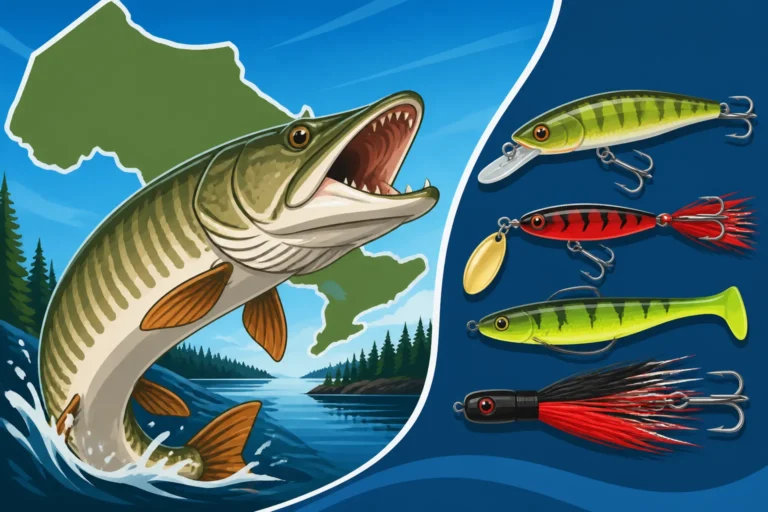
The key to successful trolling for holdovers lies in precision. Downriggers are often indispensable, allowing you to precisely set your lure at a specific depth, even 100 feet or more below the surface. Pair them with planer boards to spread out your lines and cover more water. Lead core line can also be effective for reaching depth without downriggers, especially if you're targeting fish in the 30-60 foot range. When it comes to lures, choose large spoons, deep-diving crankbaits, or stickbaits that accurately imitate the lake's primary baitfish, such as ciscoes, smelt, or alewives. Color choice is critical; natural baitfish patterns are often best in clear water, while brighter or glow-in-the-dark options can be effective in deeper, darker conditions. Vary your trolling speed until you find what triggers a strike, as sometimes just a slight acceleration or deceleration is all it takes.
Jigging and Vertical Presentations
When holdovers are concentrated in a specific area, or when you've pinpointed them on your fish finder, vertical jigging can be incredibly deadly. This technique works wonders when you know the fish are there but aren't willing to chase a trolled bait. It’s particularly effective during ice fishing season or in summer when fish are tightly schooled around underwater structure. Many of the strategies discussed in Best Techniques for Deep Water Summer Lake Trout apply directly to this method.
Heavy jigging spoons, like the Swedish Pimple or Crippled Herring, are perennial favourites, often tipped with a piece of minnow or a scented soft plastic for added appeal. Tube jigs in white, grey, or natural baitfish colors, fished on heavy jig heads, can also be irresistible. The technique often involves a sharp "rip" of the rod to make the jig dart upwards, followed by a controlled "fall" on a semi-slack line. Most strikes occur on the fall, so watch your line carefully for any pauses or twitches. With modern electronics, you can often watch your lure on screen as it descends, seeing how fish react to your presentation. This allows for immediate adjustments in depth, speed, and jigging cadence. A strong, responsive rod is critical to detect those subtle bites, as holdovers are masters of lightly mouthing the bait.
Live Bait and Dead Bait Rigs
Sometimes, no matter how perfectly you present an artificial lure, a wary holdover lake trout just won't commit. This is when live bait or dead bait can truly shine, offering an irresistible, natural presentation that even the most cautious fish struggles to pass up. Always double-check Ontario Lake Trout Limit and Possession Rules and local bait regulations before heading out, as rules vary by zone.
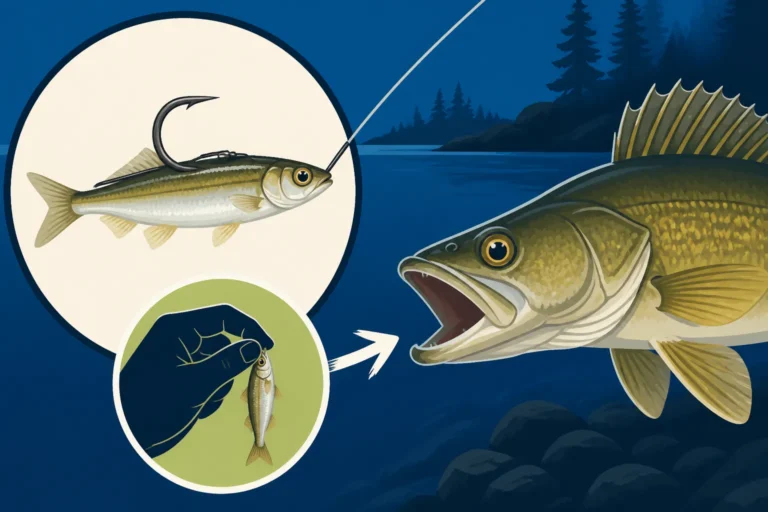
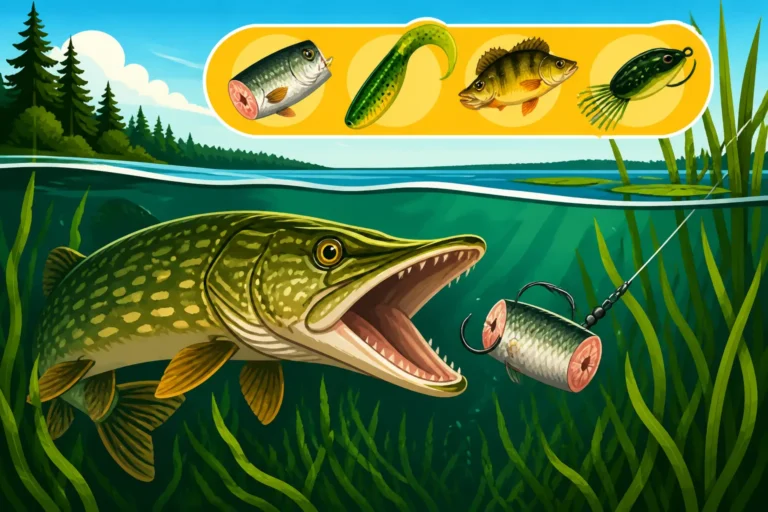
Large sucker minnows, ciscoes, or smelt, fished either live or dead, are excellent choices. For live bait, you can use a simple hook-and-sinker rig, allowing the minnow to swim naturally above or near structure. For dead bait, a quick-strike rig with two treble hooks can be very effective, ensuring a solid hook-up when a large lake trout mouths the bait. Present these baits by slow-drifting over known lake trout hangouts, still-fishing them near deep structure, or even slow-trolling them behind a downrigger. The natural scent and texture of real bait can often trigger a bite from a fish that's ignored everything else. Remember, presentation is key: ensure your bait looks natural and is free to move enticingly. When fishing with live or dead bait, patience is often rewarded; holdovers may take their time to investigate before committing to a strike.
Essential Gear for Holdover Lake Trout Success
Targeting holdover lake trout isn't like panfishing; it requires robust, reliable gear that can withstand the power of these strong fish and the demands of deep-water fishing. Investing in the right equipment isn't just about comfort; it's about increasing your chances of success and ensuring you can land that trophy when it finally bites.
Rods, Reels, and Line Selection
Your rod, reel, and line are the direct connection between you and that potential trophy holdover, so don't skimp here.
-
Rods: For trolling, you'll want a medium-heavy to heavy power rod, typically 7 to 9 feet long, with a moderate action. This allows the rod to absorb the shock of a strike and cushion the powerful runs of a large trout. For jigging, a slightly shorter, faster action rod (6 to 7.5 feet) with a medium-heavy to heavy power is ideal. The fast action provides the sensitivity needed to detect subtle bites in deep water, while the heavy power gives you the backbone to set the hook and fight a strong fish. Consider some options from Best Fishing Rods for Ontario Lakes that are suitable for heavier species.
-
Reels: For trolling, a good quality level-wind baitcasting reel with a smooth, reliable drag system is crucial. Capacity is important, as you might be letting out a lot of line. For jigging, a robust spinning reel in the 4000-6000 size range, also with an exceptionally smooth and strong drag, is perfect. Holdover lake trout will test your drag system to its limits, so invest in quality.
-
Line: Braided main line is almost a necessity for holdover lake trout. Its minimal stretch provides incredible sensitivity, allowing you to feel even the lightest bites in deep water, and its superior strength-to-diameter ratio means you can use a lighter line for more capacity and less water resistance. A common setup is 20-30lb braided line. Always tie on a fluorocarbon leader (15-25lb test, 6-10 feet long) to your braid using a strong knot like an FG or Alberto knot. Fluorocarbon is nearly invisible underwater, crucial for fooling wary holdovers, and offers excellent abrasion resistance against rocks and gill plates. You can find a wide array of reliable braided and fluorocarbon lines on Amazon.
Electronics and Accessories
Modern fishing electronics are no longer a luxury; they are indispensable tools for targeting deep-water holdovers.
-
Fish Finders and GPS: A high-quality fish finder with advanced sonar capabilities (like CHIRP, Down Imaging, and Side Imaging) is your underwater eye. It allows you to identify depth contours, locate submerged structures, mark schools of baitfish, and most importantly, pinpoint individual lake trout. A good GPS system, often integrated into your fish finder, lets you mark productive waypoints and navigate precisely back to them. Learning to effectively use these tools is critical for consistently finding holdovers. Best Fish Finders for Ontario Lakes highlights models perfect for these conditions.
-
Landing Net: A large, sturdy landing net with a rubberized mesh is non-negotiable. Holdover lake trout can be very large and powerful, and a small net will lead to lost fish and potentially injured anglers. The rubberized mesh protects the fish's slime coat, which is vital if you plan on catch and release. Many excellent options are available for purchase on Amazon, designed for handling larger species without harming them.
-
Pliers and Hook Removers: Strong, long-nosed pliers or specialized hook removers are essential for safely dislodging hooks from the mouths of large, toothy lake trout, especially if you're using treble hooks on your lures. This protects both you and the fish, minimizing handling time.
Table: Seasonal Strategies for Holdover Lake Trout
To help consolidate the information, here's a quick reference table summarizing optimal strategies for holdover lake trout throughout the year in Ontario.
| Season | Typical Depth Range | Preferred Structure | Recommended Techniques | Key Lures/Baits | Essential Gear Consideration |
|---|---|---|---|---|---|
| Spring | 10-40 feet | Rocky points, shallow humps, shoreline breaks | Casting, shallow trolling, drifting | Spoons, crankbaits, swimbaits, minnows | Medium-heavy casting/spinning setups, sensitive rods |
| Summer | 40-100+ feet | Deep humps, ledges, thermocline, main lake basins | Deep trolling, vertical jigging | Large spoons, deep cranks, tube jigs, dead baitfish | Downriggers, heavy trolling rods, powerful reels, sonar |
| Fall | 20-60 feet | Underwater reefs, large rock piles, gradual slopes | Trolling, casting, jigging | Large spoons, swimbaits, crankbaits, large minnows | All-around versatile setups, GPS for marking spots |
| Winter | 40-100+ feet | Deep humps, main lake basins, sharp drop-offs | Ice jigging | Heavy jigging spoons, tube jigs, live minnows | Ice auger, portable shelter, sensitive ice rods, sonar |
Disclaimer
This article is for general informational purposes only and does not constitute professional advice. Laws, prices and regulations vary by location and change over time. Consult a qualified professional for guidance on your specific situation.