Best bait for opening day walleye in Ontario
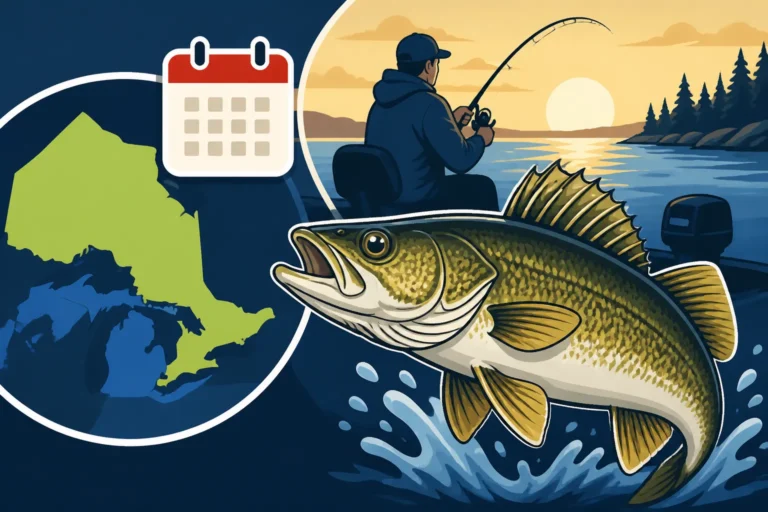
That first day of walleye season in Ontario is often circled on calendars, practically a holiday for many of us. But let's be real, the excitement can quickly turn into a head-scratching frustration when you're staring at your tackle box, wondering which of the seemingly endless options will actually entice a bite from those notoriously finicky fish. You want to hit the water confident, not questioning your bait choice. This guide is here to cut through the noise and give you the real scoop on the best baits to use for walleye on opening day, ensuring you're ready to put some fish in the boat or on the ice.
Understanding Walleye Behavior on Opening Day
Before we even talk about specific baits, it's critical to understand what walleye are typically doing when the season first opens. This isn't mid-summer when they might be aggressively chasing anything. Opening day often falls during or shortly after the spawning period, which means their behaviour can be a bit… unpredictable. Knowing this helps us pick the right tools for the job.
Post-Spawn Recovery and Location
Walleye are often recovering from the rigors of spawning. They've expended a lot of energy, and while they're hungry, they might not be in a super aggressive mood right away. This often means they're looking for easy meals close to their spawning grounds, or they've already started transitioning to slightly deeper, more comfortable holding areas. Think about slower presentations and baits that don't require them to chase far. They're often found staging near drop-offs, weed lines, or current breaks adjacent to shallow spawning areas. Understanding the general Walleye Spawning Season in Ontario can really dial in your timing and location strategy for those first few weeks.
Water Temperatures and Clarity
Opening day can present a huge range of water conditions across Ontario. In some southern zones, lakes might already be warming up, while in northern zones, ice-out might have just happened, leaving the water frigid. Walleye are highly sensitive to water temperature. Colder water usually means a slower metabolism and less willingness to chase. You’ll want to consider the Best Time of Year to Fish in Ontario generally, but for opening day specifically, anticipate cooler water. Stained or muddy water from spring runoff can also affect their vision, making baits with strong vibration or scent more effective. Clear water might demand more subtle presentations and natural colours. Always check local conditions!
Live Bait: The Tried and True Champions
When it comes to opening day walleye, live bait is often the king. There's just something about the natural movement, scent, and texture that can trigger a bite from even the most lethargic post-spawn walleye. Don't underestimate the power of a lively offering.
Minnows: The Perennial Favourite
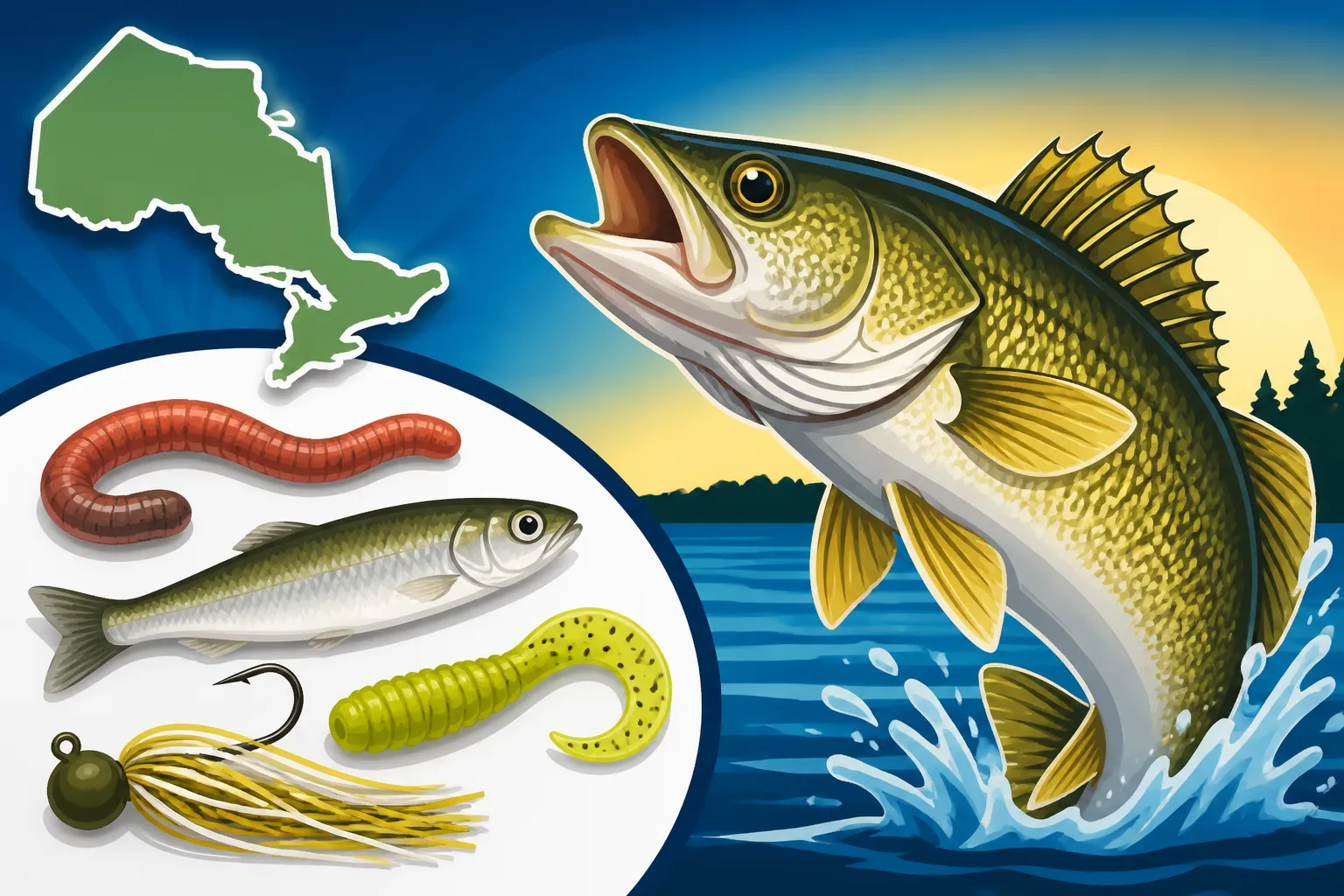
Shiner minnows, dace, or even smaller suckers are arguably the most consistent walleye bait, especially early in the season. Their natural appearance and movement are hard for a walleye to resist. You can present them in several ways:
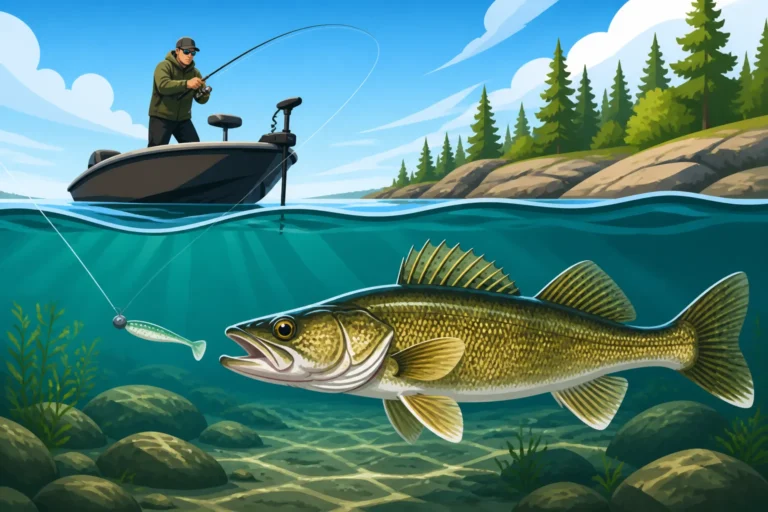
- Jigging: A classic approach is to hook a minnow through the lips or just behind the dorsal fin on a simple jig head. The weight of the jig gets it down to the fish, and a slow lift-and-drop presentation allows the minnow to "swim" naturally. Experiment with jig head colours – chartreuse, orange, or white are often productive, especially in stained water. The key here is often a subtle presentation; just enough movement to entice, but not so much that it scares them off.
- Slip Bobber Rig: For suspending minnows at a precise depth, a slip bobber rig is invaluable. This is particularly effective when walleye are holding in specific zones over deeper water or along vertical structures. The minnow can swim naturally, attracting attention, and you can really dial in the depth. This technique allows you to cover water slowly and thoroughly, making it a great choice when you're targeting areas where walleye are known to congregate.
- Bottom Bouncing/Crawler Harness: While often associated with worms, a smaller minnow can also be effective on a How to Fish a Crawler Harness for Walleye rig, especially when drifting or trolling slowly along the bottom. The spinner blade adds flash and vibration, while the minnow provides the natural scent and profile. This can be deadly for covering large flats or transitions.
Nightcrawlers: The Versatile Option
Nightcrawlers are another fantastic live bait, particularly once the water starts to warm up a bit more, but they are certainly effective on opening day too. Their scent trail is powerful, and their undulating movement can be incredibly appealing.
- Worm Harness/Crawler Harness: This is perhaps the most popular way to present a nightcrawler for walleye. The combination of colourful beads and spinner blades creates flash and vibration, while the worm's scent seals the deal. Trolling or drifting these rigs along breaks, reefs, or weed edges can be incredibly productive. You can find a good variety of these on Amazon to get ready for the season.
- Jigging a Piece of Crawler: Sometimes, less is more. Tipping a jig with just a piece of a nightcrawler (say, a third or half) can add irresistible scent to your presentation without overwhelming it. This is excellent for slower, more methodical jigging when fish are finicky. The combination of the jig's action and the worm's natural appeal is a powerful one.
- Slip Bobber with a Crawler: Similar to minnows, a whole or half nightcrawler suspended under a slip bobber can be lights out. The worm's natural wiggling action can draw attention from a distance, and the slow, controlled presentation is often exactly what a post-spawn walleye is looking for. This allows the worm to explore the water column naturally, often enticing hesitant fish.
Leeches: The Underrated Gem
Leeches are often overlooked by many anglers but are absolute walleye magnets, especially later in spring and early summer, but don't count them out for opening day, particularly if you're fishing in waters where they are naturally present. Their tough, slimy bodies make them durable on a hook, and their subtle swimming action is incredibly enticing.
- Jigging: A leech hooked through the sucker on a jig head is a fantastic combination. It has a natural, subtle pulse in the water that mimics many small aquatic creatures. It’s a great bait for vertical jigging or casting and retrieving slowly.
- Slip Bobber: Like minnows and worms, suspending a leech under a slip bobber allows it to swim freely and present a natural profile. This is especially effective in calm conditions or when targeting walleye in weed pockets or around submerged structure.
- Plain Hook: Sometimes, the simplest approach is best. A leech on a plain hook with a split shot or a small bullet weight, slowly dragged or drifted, can be incredibly effective. The natural presentation is hard to beat.
Artificial Lures: Modern Tactics for Hungry Walleye
While live bait holds a special place, artificial lures have come a long way and can be incredibly effective for opening day walleye, especially for anglers who prefer a more active style of fishing or when live bait isn't readily available.
Jigging Lures: Mimicking Live Bait with Attitude
Jigging lures are a staple for walleye, and on opening day, they can be particularly potent. They allow for precise depth control and can imitate injured baitfish, which is often an easy meal for walleye.
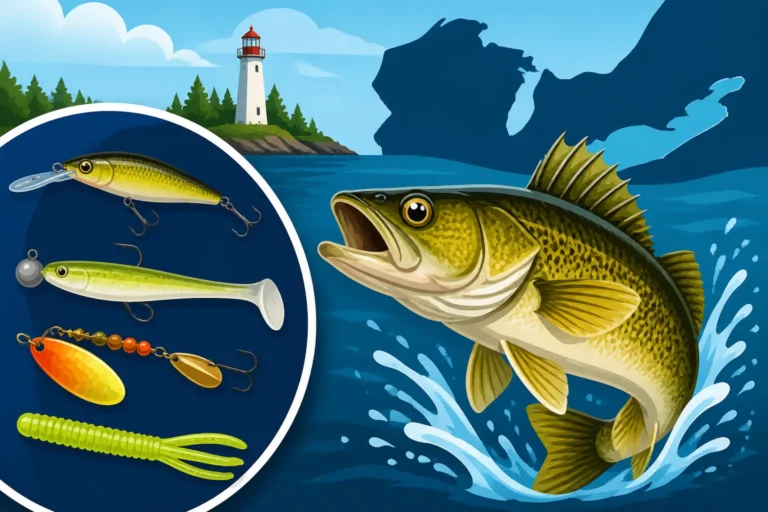
- Soft Plastics: Grubs, paddle tail swimbaits, and even small creature baits rigged on a jig head can be deadly. The key is to match the hatch – choose colours and profiles that mimic the local baitfish. Chartreuse, white, perch patterns, and firetiger are consistent producers. The action of a soft plastic on a slow retrieve or gentle jig can be incredibly realistic. You can find a wide array of options on Amazon], from popular brands to smaller, specialized offerings.
- Blade Baits: These vibrating metal lures are excellent for feeling out the bottom and triggering reaction strikes. Their intense vibration and flash can call in walleye from a distance, even in murky water. A slow lift-and-drop presentation is usually best, allowing the blade bait to flutter on the fall, mimicking a dying baitfish.
- Hair Jigs/Feather Jigs: These traditional jigs offer a very subtle, natural pulsation in the water. They are especially effective in clear water or when fish are particularly finicky. Tip them with a small piece of minnow or worm for added scent. Their natural flow can be irresistible to a hesitant walleye.
Trolling Crankbaits: Covering Water Effectively
Crankbaits are fantastic for covering a lot of water quickly, which can be crucial on opening day when walleye might be spread out as they transition from spawning areas. They come in various diving depths and actions.
- Shallow Divers: In early season, walleye might still be in shallower transition zones or feeding on shallow flats. Smaller, shallow-diving crankbaits that run 5-10 feet deep can be very effective, especially in stained water where their vibration is key. The Best Crankbaits for Ontario Walleye often include those with a tight wobble, mimicking natural baitfish.
- Deep Divers: If walleye have already moved to deeper breaks or main lake basins, deeper diving crankbaits can reach them. Trolling these along contour lines or over submerged structure can trigger bites from fish holding tighter to the bottom. Remember to pay attention to your speed; often, slower is better on opening day.
- Colour Selection: As mentioned, water clarity plays a huge role. For Best Lure Color for Muddy Water Walleye Fishing], think bright, high-contrast colours like firetiger, perch, or orange. In clearer water, more natural patterns like silver, blue, or shad can be more effective.
Stickbaits and Jerkbaits: The Erratic Allure
These lures are designed to be fished with an erratic retrieve, mimicking a wounded baitfish – a sight that's almost irresistible to a predatory walleye.
- Casting and Retrieving: Cast them out and use a "twitch-twitch-pause" retrieve. The pause is often when the strike occurs, as the lure suspends or slowly rises, presenting an easy target. This is a highly active way to fish and can be incredibly rewarding.
- Trolling: Stickbaits can also be trolled, particularly smaller profiles. They provide a different action than crankbaits, often with a tighter wobble or a more subtle darting motion, which can be the trick to enticing strikes from fish that have seen everything else.
Putting It All Together: A Strategic Approach to Opening Day
Success on opening day isn't just about having the right bait; it's about having a strategy that combines bait choice with location, presentation, and adaptability.
Scout Your Spots and Understand Regulations
Prior to opening day, if possible, spend some time scouting. Look for areas adjacent to known spawning grounds – points, shallow reefs, sand or gravel flats, and the first significant break lines. Understanding the Ontario Fishing Regulations Summary and specific rules for your zone, especially regarding Ontario Walleye Opener Dates by Zone, is non-negotiable. Knowing where the fish should be helps narrow down your bait selection and presentation.
The Power of Presentation: Slow and Subtle
On opening day, particularly in cooler water, walleye often prefer a slower, more deliberate presentation. They're not going to chase a fast-moving bait far.
- Slow Roll Jigs: When using jigs, whether tipped with live bait or soft plastics, a slow, methodical retrieve where the jig barely leaves the bottom is often key. Think of it as nudging the bait along rather than aggressively hopping it.
- Minimal Trolling Speed: If you're trolling with crankbaits or crawler harnesses, keep your speed down. Experiment with speeds that allow your lure to have its intended action without being too fast for a lethargic walleye to track down. Sometimes, just above idle speed is perfect.
- Long Pauses: When using jerkbaits or even jigging, incorporate longer pauses than you might normally. A walleye will often hit a bait on the pause, when it looks like it's an easy, vulnerable meal. This is especially true when fishing for Night Fishing for Walleye in Ontario], where fish are often more active but still prefer a slow, easy target.
Adapting to Conditions and Fish Mood
No two opening days are exactly alike. The weather, water temperature, and pressure from other anglers can all affect the walleye's mood. Be prepared to adapt.
- Experiment with Colours: Start with natural colours in clear water and brighter colours in stained water, but don't be afraid to experiment. Sometimes a completely unexpected colour can trigger a bite. Have a range of options in your tackle box.
- Change Presentation Speed: If a slow retrieve isn't working, try speeding it up slightly, or vice versa. The walleye will tell you what they prefer if you're paying attention to the bites (or lack thereof).
- Mix Live and Artificial: Don't limit yourself. Start with live bait, especially if the bite is tough, and then switch to artificials to cover more water once you locate fish. Or, combine them: tip a jigging spoon with a minnow head, for example. You can easily stock up on a variety of jig heads and soft plastics from online retailers like Amazon before your trip.
- Consider the Best Time of Day to Catch Walleye]: While opening day is exciting all day, remember walleye often have peak feeding times, especially around dawn and dusk, or during periods of low light or cloud cover.
Quick Comparison: Live Bait vs. Artificial Lures
Here's a handy table to help you think about when to deploy each type of bait for opening day walleye:
| Feature | Live Bait (Minnows, Worms, Leeches) | Artificial Lures (Jigs, Cranks, Stickbaits) |
|---|---|---|
| Natural Appeal | High (scent, movement, texture) | Moderate to High (mimics baitfish) |
| Cost/Availability | Can be expensive, requires special care/storage | Reusable, no special care, widely available on Amazon |
| Versatility | Excellent for slow, precise presentations | Great for covering water, active presentations |
| Durability | Fragile, often need frequent re-baiting | Highly durable, lasts many fish |
| Effectiveness Early Season | Often superior, especially for finicky fish | Very effective, especially for aggressive or active fish |
| Learning Curve | Relatively low | Can be higher to master different retrieves |
The Importance of Confidence
Finally, remember that confidence in your chosen bait and presentation can make a huge difference. If you believe your bait is going to catch fish, you'll fish it with more attention, better concentration, and ultimately, more success. So, pick your poison, fish it well, and enjoy the thrill of opening day! For a deeper dive into specific tactics, check out our guide on How to Catch Walleye in Ontario. If you're wondering about costs or other regulations, information like the Ontario Fishing License Guide for 2026 or How Much Does an Ontario Fishing License Cost is always useful. And for those keen on maximizing their chances right after the opener, we've got a detailed breakdown on How to fish right after the walleye opener.
Disclaimer
This article is for general informational purposes only and does not constitute professional advice. Laws, prices and regulations vary by location and change over time. Consult a qualified professional for guidance on your specific situation.