Best technique for muskie in cold water
The crisp air of late fall and early winter in Ontario brings a unique challenge to muskie anglers: the water temperature plummets, and these apex predators seem to vanish, making traditional tactics frustratingly ineffective. Many of us have spent countless hours casting our usual baits, only to be met with deafening silence. This guide is dedicated to helping you unlock the secrets of muskie fishing in cold water, breaking down their behavior, essential gear, and the specialized techniques that consistently put these magnificent fish in the net when the mercury drops.
Understanding Muskie Behavior in Cold Water
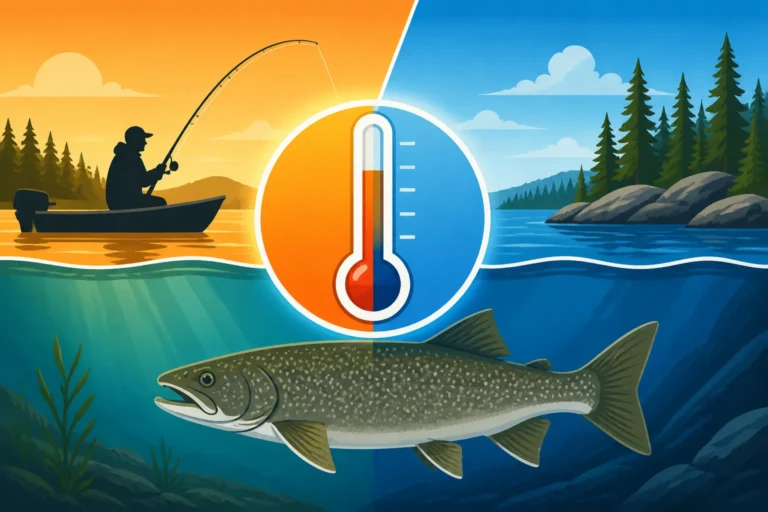
When the seasons change and the water temperatures fall, muskie don't just disappear; they adapt. Their entire world slows down, and as anglers, we need to adjust our approach dramatically to match their cold-blooded reality. Forgetting this fundamental shift is often why many struggle when the weather turns.
The Metabolism Slowdown
Imagine trying to run a marathon after eating a huge holiday dinner; that's kind of how a muskie feels when the water gets cold. Their metabolism, which dictates how active they are and how often they need to feed, drops significantly. Unlike their frenzied summer feeding sprees, cold water muskie become lethargic and opportunistic. They won't chase a fast-moving bait for long distances, and they certainly won't exert unnecessary energy if there's an easier meal to be had. This metabolic shift means our presentations need to be agonizingly slow, deliberate, and presented right in their strike zone. If you're used to burning baits back to the boat or making quick, aggressive jerks, you're likely passing right over uninterested fish. The key is to think like a muskie: conserve energy and wait for the perfect opportunity. This crucial understanding underpins every successful cold water muskie technique.
Where Muskie Position Themselves
As water temperatures plummet, muskie will often seek out areas that offer slight thermal advantages or are simply prime ambush points for a sluggish meal. This isn't just about finding the deepest hole; it's about understanding subtle shifts. Look for main lake points, sharp break lines, deep weed edges (even dying ones can hold fish), and especially significant rock piles or boulder fields. These structures retain heat better and provide shelter from cold currents. Areas where depths transition rapidly from shallow to deep are also prime targets, as muskie can move vertically with minimal effort to find their preferred temperature and prey.
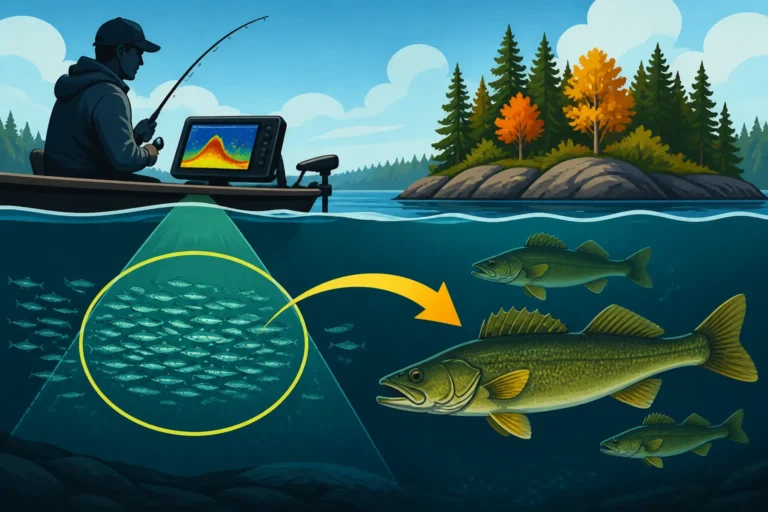
In many Ontario lakes, such as parts of Georgian Bay or Lake St. Clair, muskie will utilize extensive offshore rock structures or deep channels. During late fall, schools of baitfish, like ciscoes or whitefish, often move into deeper water, and muskie will follow, positioning themselves strategically along the edges of these bait concentrations. Pay close attention to your electronics, looking for bait schools and suspending fish, but also don't overlook areas that just feel right for an ambush predator seeking refuge. It's often the subtle differences, a small patch of deep weeds, a specific rock formation on a drop-off, or a slightly warmer current, that hold these elusive fish.
Essential Gear for Cold Water Muskie
Tackling muskie in cold water isn't just about technique; it's also about having the right tools for the job. You're dealing with big fish, heavy baits, and often challenging weather conditions. Skimping on gear will only lead to heartbreak, especially when that trophy fish finally bites.
Rods, Reels, and Line Selection
When it comes to cold water muskie, you need robust gear that can handle the heavy baits and the powerful, head-shaking surges of a big fish. Think heavy-action rods, typically in the 8 to 9-foot range. A longer rod provides better leverage for casting large lures and for fighting big fish, especially at the boat. You'll want a rod with a fast tip for sensitivity, but with plenty of backbone to drive home those big hooks. For reels, a high-quality baitcasting reel with a robust drag system and a low to medium gear ratio (around 5.1:1 to 6.4:1) is ideal. The lower gear ratio provides more torque, which is crucial for slowly working large, high-resistance baits and for cranking down on a powerful fish.
For line, braided line is almost a necessity due to its zero stretch and incredible strength. Opt for 80 to 100-pound test braid. While braid has many advantages, it's critical to pair it with a heavy-duty leader, either fluorocarbon or wire, to prevent bite-offs. A 100 to 150-pound test fluorocarbon leader about 2-3 feet long is a popular choice, offering some stealth while being abrasion-resistant. Alternatively, a solid wire leader or titanium leader will give you maximum bite protection. You can find a wide array of options for Best Muskie Gear for Ontario Waters, including these specialized rods and reels, by browsing online retailers like Amazon or visiting your local tackle shop. Remember, every component of your setup needs to be up to the task of handling both the cold conditions and the sheer power of an Ontario muskie.
Lures Designed for Cold Water Success
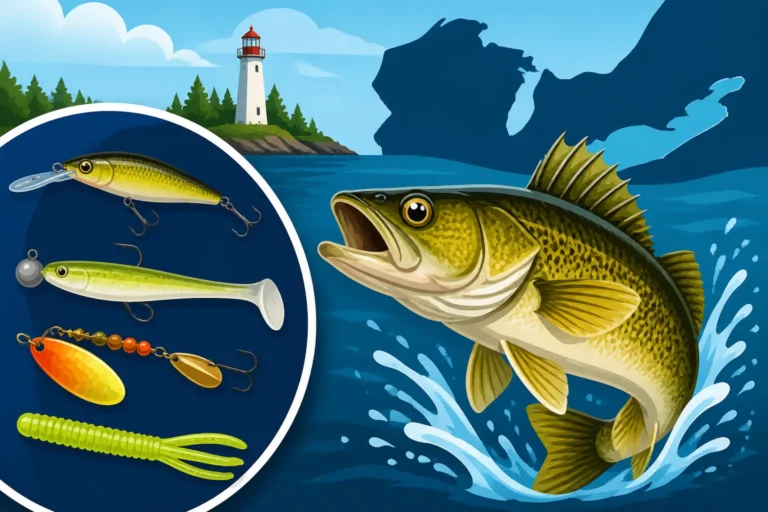
Cold water muskie demand lures that can be worked slowly and effectively in their strike zone. This is not the time for fast-moving bucktails or small jerkbaits designed for warmer water. The ideal cold water muskie baits are typically large, often with significant profiles, and are designed for slow, deliberate presentations.
- Glide Baits: Lures like a Salmo Slider or a Chaos Tackle Medussa are fantastic choices. These baits have an erratic, side-to-side gliding action with a subtle wobble on the pause. The key is to work them with long pauses, letting them slowly sink or "hang" in the water column, imitating a wounded baitfish that's easy pickings. The unpredictable action can often trigger a strike from a hesitant muskie.
- Large Rubber Baits: Think soft plastic baits like Musky Innovations Bull Dawgs (standard or magnum), Musky Mania Toothy Critters, or Bondy Bait Original. These heavy rubber baits can be cast a mile and fished at varying depths. Their slow, undulating action on the retrieve or fall is irresistible to a sluggish muskie. Jigging them vertically or slowly retrieving them with long pauses are common tactics.
- Jerkbaits: Suspended jerkbaits that can be twitched and then left motionless for extended periods are highly effective. Brands like Grandma Lures or Rapala Super Shad Raps are excellent. The ability to pause these baits for 5, 10, or even 20 seconds right in a muskie's face can be the ultimate trigger.
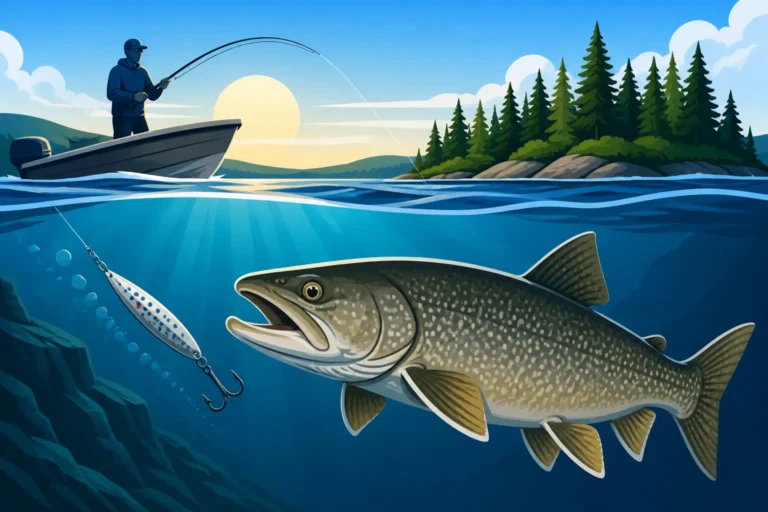
- Blade Baits & Spoons: For vertical jigging in deeper water, heavy blade baits like a Johnson Silver Minnow or large jigging spoons can be deadly. These offer a lot of flash and vibration on the lift and an enticing flutter on the fall.
When selecting colours, often natural baitfish patterns, subtle greens, browns, or even dark colours like black or purple, perform well in clear, cold water. However, don't shy away from something with a pop of orange or chartreuse, especially if you're fishing stained water or on overcast days. For more specific recommendations, you might want to check out our guide on the Best Lures for Muskie Fishing in Ontario. The crucial element here is the presentation, no matter the colour – slow is the name of the game.
Mastering Cold Water Muskie Techniques
Now that you understand the muskie's cold water mindset and have the right gear, it's time to talk about putting it all together on the water. These techniques require patience, focus, and a willingness to break from your warm-water habits.
Slow and Steady Retrieves
This cannot be stressed enough: when the water is cold, your retrieve must be agonizingly slow. Muskie are not going to chase down a bait like they would in August. They are looking for an easy meal, something that wobbles slowly, pauses, and looks like it's struggling.
Think about a wounded minnow slowly fluttering downward, or a dying perch weakly trying to swim. This is the imitation you're going for. With glide baits, make a sweep of your rod, then let the bait sit motionless for several seconds, allowing it to slowly "glide" or sink. With large rubber baits, a slow, steady retrieve with long pauses, or a subtle lift-and-drop presentation, is often most effective. You might only reel in a few feet of line per minute. It feels unnatural at first, especially if you're used to covering water quickly, but this patient approach drastically increases your chances. Many strikes in cold water happen on the pause, as the muskie takes advantage of the bait's vulnerability. Pay close attention to your line, as a subtle "tick" or simply feeling "heavy" might be all the indication you get of a bite. This methodical approach is a cornerstone of How to Catch Muskie in Ontario during the cooler months.
Figure-Eight and Boat-Side Strategies
The figure-eight at the boat is always critical when muskie fishing, but in cold water, it becomes absolutely non-negotiable. Muskie will often follow a bait right to the boat, inspecting it, but won't commit until that last moment. The figure-eight, when executed correctly, often triggers these follows into strikes.
As your lure approaches the boat, don't pull it out of the water. Instead, smoothly transition into a large, wide figure-eight motion right beside the boat. Keep your rod tip in the water, leading the lure through wide turns, ensuring it maintains its action. The slower water around the boat's edge, combined with the continuous, enticing movement of your bait, can be the final trigger. Many cold water muskie, even when sluggish, will ambush during these last few seconds, making it an exhilarating and often heart-stopping experience. Make sure your figure-eights are just as slow and deliberate as your retrieve, giving the muskie plenty of time to react. Mastering this technique, as detailed in our guide on How to figure eight a muskie boatside, can drastically increase your success rate, especially when fish are hesitant.
Vertical Jigging in Deep Water
When muskie are suspended over deep water or holding tight to deep structure, vertical jigging can be your most effective strategy. This technique is particularly useful in lakes with clear water and pronounced depth changes, where muskie might be relating to thermoclines or baitfish concentrations far from shore.
The process involves positioning your boat directly over the fish or structure you're targeting, using your electronics to guide you. Then, you drop a heavy lure – like a large jigging spoon, a blade bait, or a heavy rubber bait – straight down to the desired depth. The presentation is all about lifts and drops. Lift your rod tip sharply, then let the bait fall on a semi-slack line, allowing it to flutter or wobble enticingly. Again, the pace is slow. Watch your sonar for fish reacting to your lure. Sometimes a muskie will rise up to inspect it, and a subtle change in your jigging cadence or a longer pause can trigger a strike. It's an active way to fish deep water, allowing you to cover the entire water column effectively and pinpoint where the muskie are holding. Always be prepared for a bite on the fall, as that's when many of these sluggish fish will inhale the lure. This technique is often fruitful when other casting methods fail to reach the fish hugging deep structure.
Key Considerations for Cold Water Safety and Success
Beyond the techniques themselves, there are important factors to consider for both your safety and the well-being of the fish when venturing out for cold water muskie in Ontario.
Weather and Water Temperature Monitoring
Cold water fishing, especially for muskie, isn't just about bundling up; it's about being acutely aware of your environment. Weather conditions can change rapidly in the fall and early winter in Ontario. Always check the forecast thoroughly before heading out. Pay attention to wind speeds, as cold winds can make already chilly temperatures feel much colder, increasing the risk of hypothermia. Water temperatures are paramount. A sudden cold snap can drop surface temperatures quickly, pushing muskie into different areas. Conversely, a few days of stable, milder weather can sometimes make them slightly more active. Monitoring current and historical water temperatures helps you predict muskie movement and activity levels.
Beyond comfort, safety is key. Dress in layers, including thermal underwear, waterproof outer shells, and a good hat and gloves. Always wear a PFD, even if you're a strong swimmer, as cold water immersion can quickly incapacitate you. Tell someone where you're going and when you expect to return. Knowing the Ontario Muskellunge Season Dates and Limits is crucial for planning your trip, as specific zones may have different opening and closing dates. Fishing in cold conditions requires a higher level of preparedness and caution compared to warmer months.
Fish Care and Handling in Cold Conditions
Muskie are powerful fish, but in cold water, they become more vulnerable to stress. Catch and release is a cornerstone of muskie fishing, and proper handling is even more critical when temperatures are low. Minimize the fish's time out of the water. Air exposure, especially in freezing temperatures, can severely damage a muskie's gills and eyes.
Have all your tools ready before the fish is in the net: a large, rubberized landing net (not knotted nylon, which can damage fins), long-nosed pliers, and a jaw spreader if necessary. Quickly unhook the fish while it's still in the net and in the water if possible. If you need to bring it aboard for a quick photo, keep it over the water and release it immediately after. Avoid dragging the fish onto rough surfaces or squeezing its internal organs. When releasing, hold the muskie gently by the tail and support its belly until it swims off on its own. It's often beneficial to revive them headfirst into any current. For more detailed advice on responsible handling, consult our guide on Muskie catch and release survival tips. Your actions ensure these magnificent fish can continue to thrive in Ontario's waters for future generations of anglers.
| Lure Type | Typical Size | Cold Water Presentation | Best Use Case |
|---|---|---|---|
| Glide Baits | 6-12 inches | Long sweeps, extended pauses (5-20 seconds), subtle twitches | Suspended fish, break lines, clear water |
| Large Rubber Baits | 8-15 inches | Slow, steady retrieve with long pauses; vertical jigging | Deep weed edges, rock piles, open water jigging |
| Jerkbaits | 6-10 inches | Twitch-twitch-pause (10+ seconds); slow cranks with pauses | Suspended fish, shallower structure (5-15 ft) |
| Blade Baits/Spoons | 3-6 inches (heavy weight) | Vertical jigging with slow lifts and drops, subtle bounces | Deep structure, suspended baitfish schools |
Disclaimer
The information provided in this guide is for general informational purposes only. Fishing regulations, season dates, and limits can change frequently. Always consult the most current Ontario Fishing Regulations Summary and local authorities before heading out on the water. Fishing can be a dangerous activity; always prioritize your safety and wear appropriate safety gear.