The biggest crappie ever caught in Ontario
The dream of catching a true behemoth of any species is what keeps many of us coming back to the water, season after season. But for some reason, when we talk about record-breaking fish, crappie often get overlooked. It's a real shame because these speckled beauties offer some of the most exciting and rewarding fishing experiences, and landing a truly gargantuan crappie in Ontario is a feat that deserves serious bragging rights. This guide isn't just about a number; it's about the pursuit, the strategy, and the sheer joy of chasing the biggest crappie Ontario waters have to offer.
The Allure of Trophy Crappie Fishing in Ontario
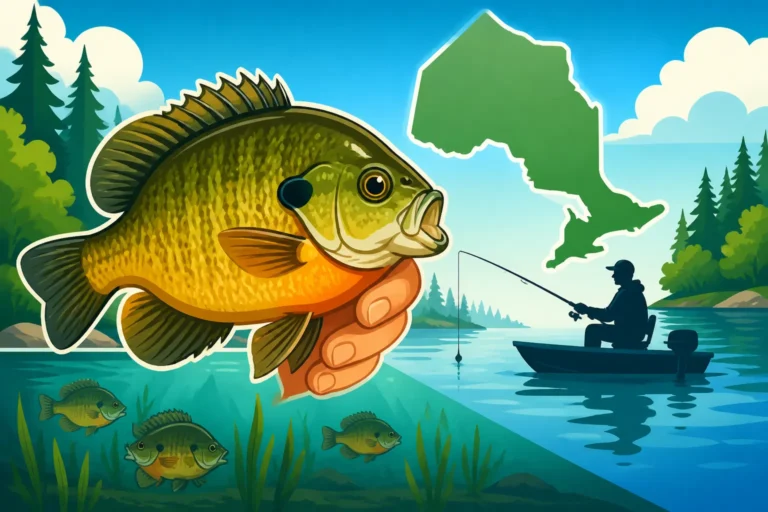
There's something uniquely satisfying about crappie fishing. Maybe it's their feisty fight on ultralight tackle, or perhaps it's their delicious flaky white meat. But for many, especially those of us who grew up fishing smaller lakes and ponds, the crappie represents an accessible pathway to trophy fish. While species like muskie or lake trout command respect for their sheer size, a crappie pushing the one-pound mark is a legitimate slab, and anything beyond that is truly exceptional. We're talking about fish that stretch tape measures and make your hands feel huge around their broad shoulders.
It's easy to get caught up in the pursuit of the "glamour" species, but overlooking crappie means missing out on some incredible action. Imagine the thrill of your bobber disappearing or a subtle tap on your ultralight rod, only to pull up a crappie so big it barely fits in your net. These moments are etched in an angler's memory, and Ontario offers plenty of opportunities to create them. The challenge lies in finding those specific locations and applying the right techniques that consistently produce fish of that caliber. Many of us have tales of "the one that got away," a shadowy crappie that seemed impossibly large, leaving us wondering if we'd just missed a new personal best, or even a provincial record. This pursuit isn't just about fish; it's about validating those fleeting glimpses of giants.
Understanding Crappie Size and What Constitutes a "Giant"
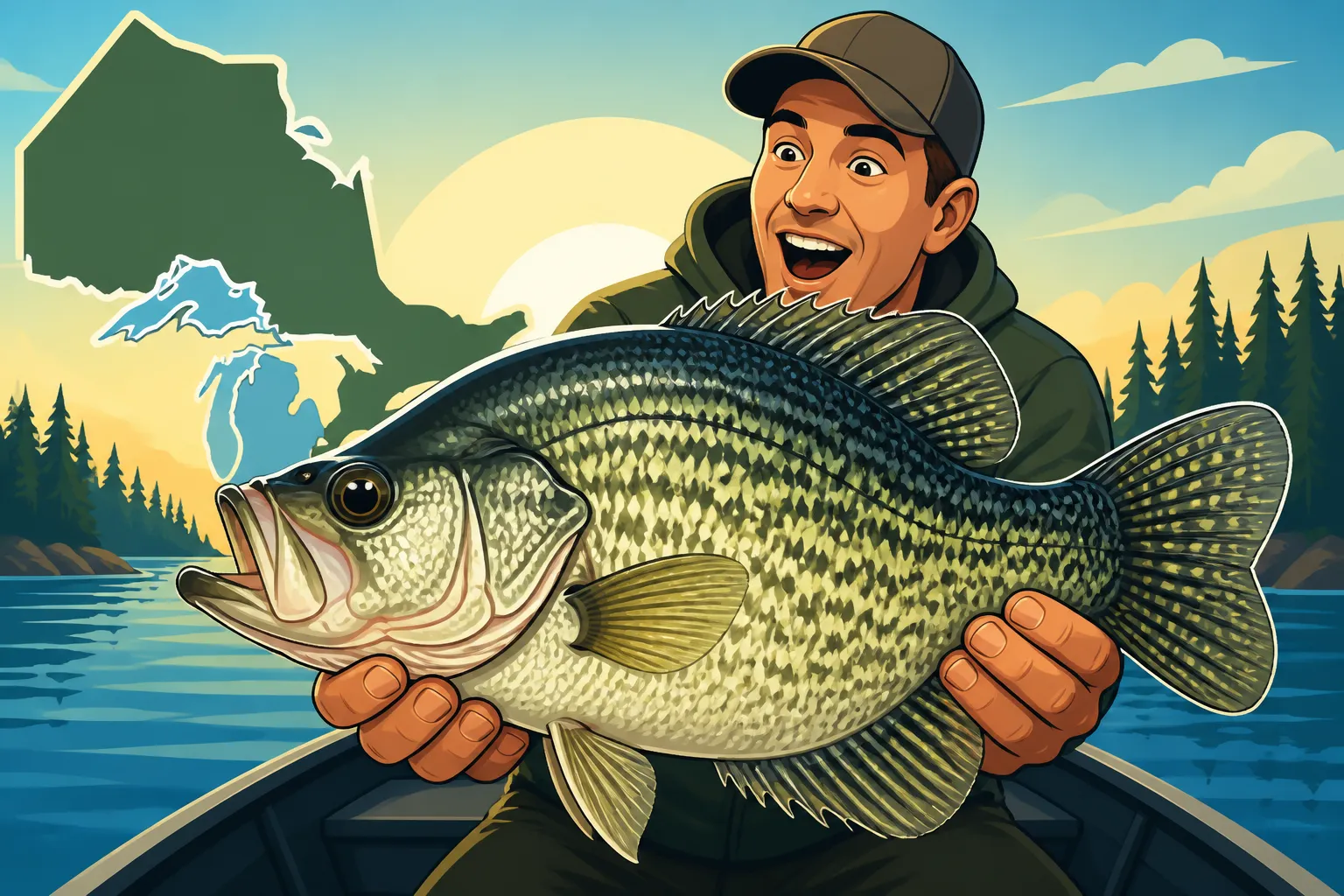
When we talk about the "biggest crappie ever caught in Ontario," it immediately conjures images of mythical beasts. While I can't pull up the absolute latest, exact record-breaking weight and length from a real-time database, it’s fair to say that a true trophy crappie in Ontario is generally going to be well over a pound, often pushing two pounds or more, and boasting a length that approaches or exceeds 15 inches. These are not your average panfish. They are distinct, broad-shouldered, and carry a significant amount of weight for their frame.
There are two primary species of crappie in Ontario: Black Crappie and White Crappie. While both can grow to impressive sizes, the Black Crappie tends to be more common and widely distributed across the province. They’re identifiable by their irregular blotches, seven or eight dorsal fin spines, and a deeper, more compressed body profile compared to their white cousins. White Crappie, with their more distinct vertical bars and typically six dorsal fin spines, can also reach impressive sizes, though they might be slightly less prevalent in some regions. Regardless of species, a crappie that causes your ultralight rod to bend into a serious arc and fills out a five-gallon bucket is certainly getting into that "trophy" class. These fish often have a very different fight than their smaller brethren, pulling harder and for longer, making the experience truly memorable.
| Feature | Black Crappie | White Crappie |
|---|---|---|
| Dorsal Fin Spines | 7-8 spines | 5-6 spines |
| Body Shape | Deeper, more compressed | More elongated, less deep |
| Colour Pattern | Irregular, scattered black blotches | Usually 7-9 distinct vertical bars |
| Mouth Size | Relatively large | Similar to Black Crappie |
| Typical Habitat | Clearer water, more vegetation | Turbid water, open areas, less vegetation |
| Growth Potential | Both can reach trophy size, but black crappie are more widespread in Ontario | Can also reach impressive size, but less common in some areas |
The Ontario Ministry of Natural Resources and Forestry (MNRF) oversees provincial fish records, and while specific numbers fluctuate and are officially held by them, the pursuit often revolves around exceeding what's considered locally large. Many anglers, especially those on dedicated fishing forums, track their personal bests, and the friendly competition to land the biggest slab in a given year or from a particular lake is a constant source of camaraderie and bragging rights. It truly is the stuff of legends when you hear about a crappie that approaches the 2-pound mark.
Where Big Crappie Lurk: Prime Ontario Habitats and Hotspots
Finding these giant crappie isn't just about luck; it's about understanding their habitat preferences and seasonal movements. While crappie are widespread in Ontario, certain types of water bodies and specific structures consistently produce larger fish. Black Crappie in Ontario Lakes tend to favour clear to moderately turbid waters with plenty of submerged vegetation, fallen trees, and brush piles – basically, anything that offers cover and ambush points for their prey.
Lakes and Reservoirs with Abundant Cover
Ontario is blessed with countless lakes, and many of them hold respectable populations of crappie. However, for true trophy specimens, you need to seek out lakes or specific sections of larger reservoirs that offer a perfect blend of depth, structure, and a healthy forage base. Think about lakes like Lake Simcoe, known for its incredible panfish opportunities, or some of the larger Kawartha Lakes such as Balsam, Sturgeon, or Scugog. Even less-pressured lakes in regions like Muskoka or the smaller, more remote lakes in eastern Ontario can hold hidden gems. Look for areas with:
- Submerged Timber and Brush Piles: Crappie are schooling fish, and larger individuals often relate to the biggest pieces of structure. Old drowned timber, sunken logs, and deliberately placed brush piles (where legal and responsible) act as condos for crappie.
- Weed Lines and Edges: The transition zone where a weed bed meets open water is a prime ambush point. Crappie will patrol these edges, especially during low-light conditions. Deeper weed edges (8-15 feet) are often where the bigger fish hold.
- Docks and Boathouses: In residential areas, permanent structures like docks, boat lifts, and boathouses can hold significant numbers of crappie, especially if they have some depth underneath or nearby cover. Always be respectful of private property, of course!
- Isolated Humps and Shoals: Offshore structures that rise from the lakebed can act as magnets for baitfish, and consequently, crappie. These are often overlooked by casual anglers. Using a good fish finder to locate these subtle bottom features can be a game-changer.
Understanding How to locate crappie in Ontario lakes is crucial. They are often found suspended over deeper water adjacent to structure, or tucked right into the cover.
River Systems and Their Backwaters
Don't overlook Ontario's vast river systems. While rivers might seem less obvious than lakes for crappie, many slow-moving sections, oxbows, and backwater areas connected to main rivers can be absolute crappie havens. The Trent-Severn Waterway system, for instance, has numerous bays and slower-moving stretches that are fantastic. The key here is to find areas with reduced current, ample cover, and perhaps even some deeper holes.
- Oxbows and Backwaters: These are essentially isolated pockets of water that used to be part of the main river channel but have been cut off or slowed down significantly. They offer stable, sheltered environments that crappie adore.
- Confluence Areas: Where a smaller creek or stream enters a larger river, the mixing of waters can create unique current breaks and often deposits sediment, leading to deeper pools and slack water areas that can hold crappie.
- Submerged Bridges and Pilings: Man-made structures in rivers, like bridge supports or old dam remnants, can also concentrate crappie, offering vertical cover in an otherwise featureless stretch.
When fishing rivers, pay close attention to water clarity and flow. After heavy rains, the water can become muddy and make crappie harder to find, but as it settles, they will often move back into their preferred haunts.
Essential Tactics and Gear to Land a Trophy Crappie
Chasing giant crappie requires a bit more finesse and specialized knowledge than simply dunking a minnow. While any crappie is fun, targeting the biggest ones means being deliberate with your techniques and gear.
Finesse Presentations for Spooky Slabs
Big crappie didn't get big by being easy to catch. They are often more wary and might require a more subtle approach than their smaller counterparts.
-
Jigging: This is perhaps the most popular and effective method. Small, lightweight jigs (1/32 to 1/8 ounce) tipped with tiny soft plastics, small minnows, or even just bare jigs can be incredibly effective. The key is a slow, methodical presentation.
- Vertical Jigging: Especially effective when you've located a school of crappie on your fish finder. Drop your jig directly into the school, using subtle lifts and drops to entice a bite. This is a deadly Best Techniques for Panfish in Ontario.
- Casting and Retrieving: Cast your jig out, let it sink to the desired depth, and retrieve it with a slow, steady retrieve punctuated by small twitches and pauses. Experiment with different depths until you find where the fish are holding.
- Spider Rigging: For boat anglers, spider rigging involves using multiple long rods out the front of the boat, each with a different bait or jig, slow-trolling or drifting over crappie habitat. This allows you to cover a lot of water and present a variety of options.
-
Float Fishing: A classic technique that's still highly effective, particularly for suspended crappie. Use a small, sensitive bobber (slip bobbers are excellent for fishing deeper) and a tiny jig or a small hook baited with a minnow or worm. The bobber tells you exactly where your bait is and signals the most subtle bites.
-
Trolling: On larger lakes, slow trolling with small crankbaits or spinnerbaits can be surprisingly productive for covering water and locating scattered schools of crappie, especially during periods when they might be spread out. Look for crappie-specific trolling lures available on platforms like Amazon.
Essential Gear for Slab Seekers
Your gear choice can make a significant difference when targeting trophy crappie. You want sensitivity to detect light bites and enough backbone to handle a larger fish.
-
Rods and Reels: An ultralight spinning combo is ideal. A 6 to 7-foot ultralight rod with a fast action tip will allow you to feel those subtle crappie bites and cast small jigs effectively. Pair it with a small spinning reel (500 or 1000 series) spooled with light line. For those looking to upgrade, you can find excellent Best Spinning Rods for Walleye options that also double as great crappie rods.
-
Line: Opt for 4-6 pound test monofilament or fluorocarbon. Monofilament offers a bit of stretch, which can be forgiving on light bites, while fluorocarbon is nearly invisible underwater and offers excellent sensitivity. Braided line (4-8 lb test) can also be used, especially in heavy cover, but you'll want to add a fluorocarbon leader for stealth.
-
Lures and Baits:
- Jigs: Small marabou jigs, tube jigs, and soft plastic grubs in sizes 1/32 oz to 1/8 oz are incredibly effective. Natural colours like white, black, and chartreuse are always good starting points, but don't be afraid to experiment. Many anglers swear by specific Best panfish jig colors for winter.
- Minnows: Live minnows (especially small shiners or fatheads) are irresistible to crappie. Hook them lightly through the lips or back and fish them under a bobber or on a jig head.
- Small Crankbaits and Spinnerbaits: These are more for active, searching fish, often trolled or cast around larger structures. Look for small, crappie-sized versions.
-
Electronics: A portable fish finder can be an invaluable tool, especially when trying to locate schools of crappie suspended over deeper water or tucked into submerged brush. Many compact, easy-to-use models are available on Amazon. Being able to see the fish and the structure they relate to will drastically improve your success.
-
Landing Net: While not always necessary for smaller crappie, a small, fine-mesh landing net is a smart addition when you're targeting those potential record breakers. You don't want to lose a slab boatside! Best Landing Net for Trout could be a good fit for crappie as well.
Ice Fishing for Winter Slabs
Crappie fishing doesn't stop when the lakes freeze over; in fact, winter can be one of the best times to target trophy crappie. They often congregate in predictable areas, making them easier to locate, and their winter metabolism means they're often feeding aggressively. Ice Fishing in Ontario offers a unique challenge and reward.
- Location, Location, Location: During winter, crappie tend to school up in deeper basins, often near submerged structure like old weed beds, rock piles, or sunken timber. They will often suspend at various depths within the water column.
- Sensitive Gear is Key: Bites can be incredibly subtle through the ice. A sensitive ice fishing rod with a spring bobber or a very light tip is crucial. Small jigs, tiny spoons, and tear drops tipped with a single maggot or a small plastic tail are deadly.
- Hole Hopping: Don't be afraid to drill multiple holes and move around until you find them. A portable ice hut and a good ice auger can make this much more comfortable and efficient. Best Ice Auger for Ontario Lakes can make quick work of cutting holes.
- Electronics Under the Ice: A flasher or an ice fishing specific fish finder is almost essential for ice crappie. It allows you to see your lure, monitor fish activity, and understand exactly where the crappie are holding in the water column.
Responsible Angling and Conservation
While the thrill of chasing a trophy crappie is undeniable, it's vital to practice responsible angling to ensure these incredible fisheries remain healthy for future generations.
Catch and Release Best Practices
If your goal is a picture of a potential record and then releasing it, knowing proper catch and release techniques is crucial. Crappie have delicate mouths, so handling them with care is paramount.
- Minimize Handling: Get the fish in quickly, take your photo, and get it back in the water as fast as possible.
- Wet Hands: Always wet your hands before touching the fish to protect its slime coat.
- Gentle Release: Support the fish horizontally and gently release it. If it seems sluggish, hold it upright in the water and gently move it back and forth until it swims away under its own power.
- Barbless Hooks: Consider using barbless hooks or pinching down the barbs on your hooks to make removal easier and less traumatic for the fish.
Adhering to Regulations
Always, always consult the current Ontario Fishing Regulations Summary. Crappie have specific Ontario Bag and Possession Limits by Species that vary by Fisheries Management Zone (FMZ). These regulations are put in place to protect fish stocks and ensure sustainable fishing. Knowing the rules before you go out is part of being a responsible angler. Penalties for not adhering to regulations can be significant, so it's not something to take lightly.
The pursuit of Ontario's biggest crappie is a fantastic challenge, one that combines skill, patience, and a deep appreciation for these beautiful fish. Whether you're casting tiny jigs into submerged timber or dropping a minnow through the ice, the reward of a true slab is a memory you won't soon forget.
Disclaimer
This article is for general informational purposes only and does not constitute professional advice. Laws, prices and regulations vary by location and change over time. Consult a qualified professional for guidance on your specific situation.