Ontario disabled resident fishing license discount
Navigating the world of fishing regulations can feel like trying to untangle a particularly stubborn fishing line, especially when you're also trying to understand how specific conditions, like a disability, might impact your access and costs. It’s a common frustration many Ontario residents face – wanting to enjoy the peace and thrill of fishing but feeling bogged down by paperwork and eligibility criteria. This comprehensive guide is here to shed light on exactly what discounts are available for disabled residents seeking an Ontario fishing license, breaking down the requirements and making the process as clear as possible.
Understanding Eligibility for the Disabled Resident Fishing License Discount
The first step in securing your fishing license discount as a disabled resident in Ontario is understanding who exactly qualifies. The system isn't always straightforward, and it's easy to feel lost in the details, so let's break it down. It’s not just about having a disability; there are specific definitions and required documentation that the Ontario Ministry of Natural Resources and Forestry (MNRF) looks for.
Who Qualifies as a "Disabled Resident" for Fishing Licenses?
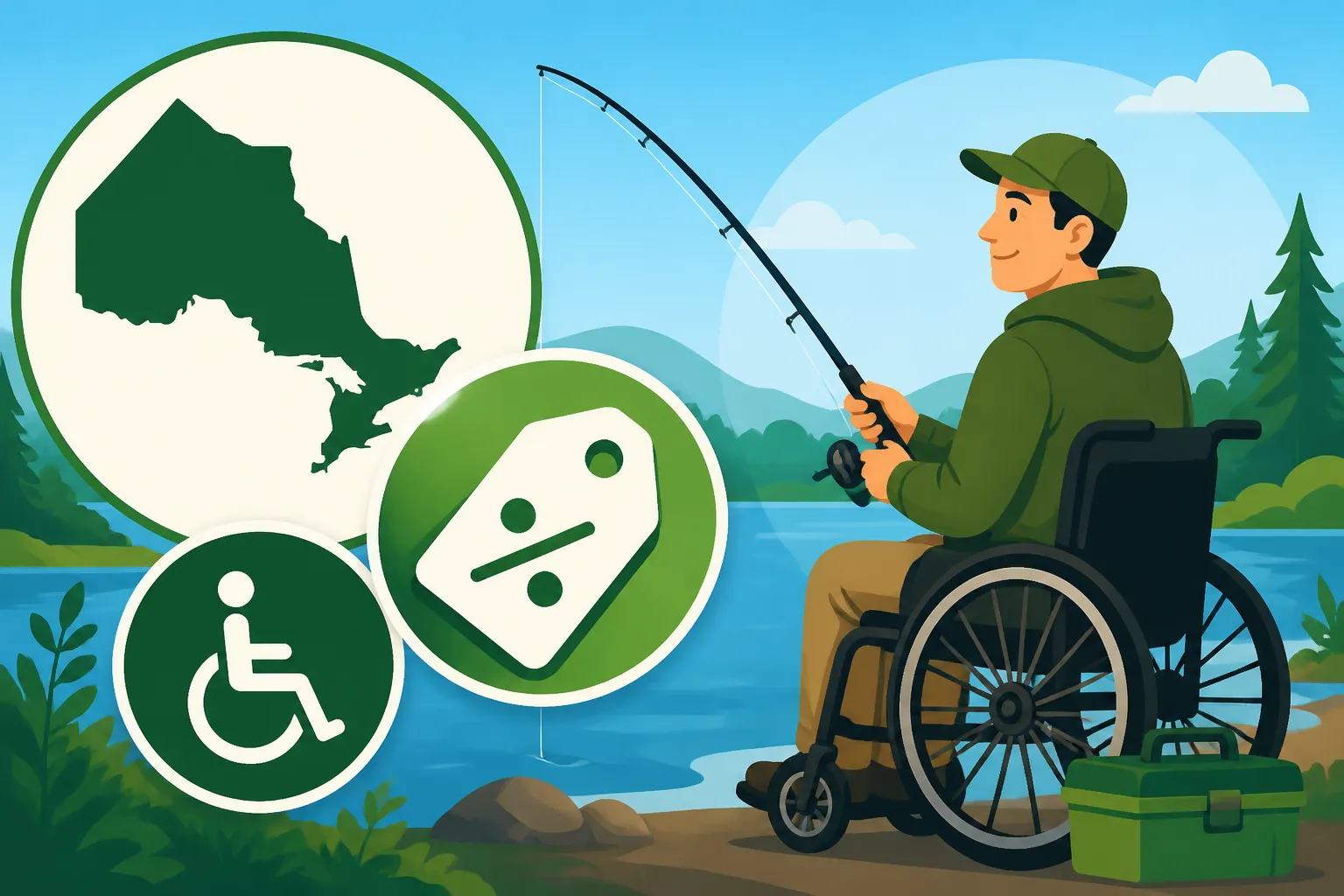
When the MNRF refers to a "disabled resident" for the purpose of a fishing license exemption, they're looking for individuals who meet specific criteria related to their physical or intellectual capabilities. This isn't a broad, catch-all term; rather, it’s quite precise. Generally, to qualify for a free fishing license, an Ontario resident must be identified as having a disability that significantly limits their mobility or daily functioning, often requiring assistance or specialized equipment. This typically includes individuals who are legally blind, require a wheelchair for mobility, or have an intellectual disability.
The crucial part here is the proof. It’s not enough to simply state you have a disability. You will need to provide official documentation, usually from a medical doctor or another recognized professional, that verifies your condition. This documentation confirms that your disability meets the provincial criteria for the exemption. Without the proper paperwork, even if you clearly have a disability, the system can’t process the exemption. This can be a major point of frustration for many, as gathering the right documents sometimes feels like a separate quest in itself.
The Importance of a Valid Outdoors Card
Before you can even think about a fishing license – discounted or otherwise – you absolutely need an Ontario Outdoors Card. Think of it as your primary angler identification; it's a plastic card with your customer identification number that is valid for three calendar years. Without it, you can't purchase any type of Ontario fishing license. It's the foundational piece of the puzzle, and while it itself has a cost, it's a one-time purchase every three years that enables you to then acquire your fishing licenses. You can learn more about its function in our article, Ontario Outdoors Card, Explained.
For disabled residents, the process of obtaining or renewing an Outdoors Card is generally the same as for any other resident. You can apply online through the Fish and Wildlife Licensing Service, in person at a ServiceOntario location, or through an authorized license issuer. Make sure all your personal information is accurate and up-to-date, especially your residency status, as this is critical for qualifying for the disabled resident discount. Once you have a valid Outdoors Card, you're ready to proceed with applying for your fishing license exemption.
The Specifics of the Discounted License for Disabled Residents
Once you understand the eligibility, the next step is to grasp the actual benefits and the application process. It’s not just about saving a few dollars; for many, it's about making fishing more accessible and affordable, recognizing that there can be additional costs associated with specialized equipment or transportation.
What Kind of Discount is Available?
For eligible Ontario residents with disabilities, the "discount" is often much more than a mere reduction in price – it's typically a free fishing license. This significant benefit is designed to encourage participation in fishing, recognizing the recreational and therapeutic value it holds for many individuals. Specifically, those who qualify are usually issued a free Conservation Fishing License.
It’s important to understand the difference between a Sport Fishing License and a Conservation Fishing License. A Sport Fishing License allows for higher catch and possession limits, while a Conservation Fishing License is designed for more moderate harvesting, with lower limits, or often catch-and-release fishing. For disabled residents receiving the free license, it generally falls under the Conservation category. This means you’ll need to be extra vigilant about adhering to the specific catch and possession limits outlined in the Ontario Fishing Regulations Explained for your chosen zone and species. This is a crucial detail, as accidental over-possession can lead to fines, even if you have a valid license. You can find detailed information about the two license types in our guide, Ontario Sport vs Conservation Fishing License.
How to Apply for the Disabled Resident Fishing License
Applying for your disabled resident fishing license requires a systematic approach, ensuring all documentation is in order. The easiest and most common way to apply is either online, through a ServiceOntario centre, or via an authorized license issuer. Regardless of the method, the core requirements remain the same.
First, ensure you have your valid Outdoors Card in hand or have applied for one simultaneously. Next, gather all the necessary proof of your disability. This often includes a letter from a licensed medical practitioner (like a doctor) on official letterhead, clearly stating the nature of your disability and that it meets the criteria for the fishing license exemption. The letter should be current and explicit. You’ll also need valid government-issued photo identification to confirm your identity and Ontario residency.
Once you have these documents, you can proceed with the application. If applying in person at a ServiceOntario location or an authorized issuer, present your Outdoors Card, ID, and disability documentation. The staff will review your documents and, if everything is in order, issue your free Conservation Fishing License. If applying online, you'll need to follow the prompts to upload scanned copies of your supporting documents. It’s always a good idea to keep copies of all your documentation for your own records, just in case. For general information on where and how to purchase licenses, check out Where and How to Buy an Ontario Fishing License.
Overcoming Challenges and Maximizing Your Fishing Experience
While the disabled resident fishing license discount is a fantastic initiative, the path to obtaining and using it isn't always perfectly smooth. Many anglers, particularly those navigating specific physical or intellectual challenges, face unique hurdles. Let's talk about those and how to make your fishing trips truly enjoyable.
Common Hurdles When Applying
One of the biggest frustrations anglers face when applying for any specialized license is the paperwork. For disabled resident discounts, this can be even more pronounced. You might encounter situations where the person processing your application isn't fully aware of the specific regulations for disabled exemptions, or they might require documentation that feels excessive or redundant. It's disheartening to feel like you're jumping through hoops when you just want to get out on the water. Another common hurdle can be the interpretation of what constitutes a qualifying disability. What one doctor certifies, another administrator might question if the language isn't perfectly aligned with MNRF's definitions.
To smooth out this process, preparation is key. Before you head to ServiceOntario or begin your online application, make sure all your documents are pristine, current, and clearly legible. If you have a doctor's letter, ensure it explicitly states that your condition aligns with the MNRF's criteria for a fishing license exemption (e.g., "This patient is legally blind," or "This patient requires the use of a wheelchair for mobility"). If possible, call ahead to the ServiceOntario centre or contact the MNRF directly to confirm the exact documents they need. Don't be afraid to ask for clarification. Having everything meticulously organized can save you a world of grief and multiple trips.
Accessible Fishing Opportunities in Ontario
Once you have your free Conservation Fishing License, the next exciting step is to actually go fishing! Ontario offers a fantastic array of fishing opportunities, and thankfully, more and more locations are becoming truly accessible. It’s a wonderful feeling to find a spot where you can comfortably cast a line and enjoy nature's tranquility. Look for provincial parks and conservation areas that have made accessibility a priority. Many now boast paved paths, accessible washrooms, and specially designed fishing platforms or docks that are wheelchair-friendly.
For instance, places like Sibbald Point Provincial Park on Lake Simcoe, or certain sections of the Grand River, have made strides in creating more inclusive fishing environments. Always check the specific park or conservation area's website or call ahead to inquire about their accessible features before you visit. Beyond the locations, specialized gear can dramatically enhance your experience. Adaptive fishing rods, rod holders that can be mounted to wheelchairs or chairs, and specialized casting aids are readily available. Websites like Amazon offer a wide range of such products, allowing you to find gear that perfectly suits your needs, delivered right to your door. You might also want to explore our guide on Best Fishing Rods for Ontario Lakes or Best Tackle Box Setup for Ontario Anglers for general gear inspiration, then seek out adaptive versions. Finding information on Best handicap-accessible fishing piers in Ontario will also be a great resource for planning your outings.
Frequently Asked Questions and Further Resources
Even with all the information in hand, questions inevitably pop up. The world of regulations and specific requirements can be a labyrinth, and getting clear answers can sometimes be tough. Let's tackle some of those common queries and point you towards reliable resources.
What if My Disability is Not Listed?
It’s completely understandable to feel frustrated if you believe you qualify for the disabled resident fishing license exemption, but your specific condition isn't explicitly listed or easily recognized by the standard application process. The MNRF's criteria, while aiming for clarity, cannot cover every single unique situation. If you find yourself in this position, your best course of action is to contact the Ontario Ministry of Natural Resources and Forestry directly. Their customer service or licensing department can provide clarification on specific conditions and guide you through any appeal processes or alternative documentation requirements.
Be prepared to explain your situation thoroughly and provide detailed medical documentation. Sometimes, it's a matter of ensuring your medical practitioner uses language that aligns with the MNRF's definitions of severe mobility impairment or legal blindness. Don't give up hope; persistent and well-documented communication is often the key to resolving such issues.
Can Non-Residents with Disabilities Get a Discount?
This is a common and fair question, especially for those visiting Ontario from other provinces or countries who also live with disabilities. Unfortunately, the specific disabled resident fishing license discount or free exemption offered by Ontario is strictly for Ontario residents only. This program is funded and administered at the provincial level, specifically to benefit its own residents who meet the eligibility criteria.
Non-residents, even those with disabilities, will need to purchase a regular non-resident fishing license. However, Ontario welcomes all anglers, and the push for accessible fishing locations and amenities extends to everyone. So, while the discount itself isn't available, accessible fishing experiences certainly are. You can find more details on general license requirements in our comprehensive Ontario Fishing License Guide for 2026, which includes information for residents and non-residents alike.
Where to Find More Information
Staying informed is your best defense against confusion and frustration. The official source for all fishing regulations and licensing information in Ontario is the Ministry of Natural Resources and Forestry (MNRF). Their website is constantly updated with the latest regulations, policy changes, and contact information. Always refer to the most current version of the Reading the Ontario Fishing Regulations Summary for up-to-date rules on limits, seasons, and specific zone regulations, as these can change annually.
Beyond official government channels, online communities and forums dedicated to accessible fishing in Ontario can be invaluable. These platforms often connect you with other anglers who have successfully navigated the application process or who can share tips on accessible fishing spots and adaptive gear. Don't forget, for specific gear that can enhance your fishing experience, from specialized rod holders to comfortable seating, platforms like Amazon offer a vast selection. Remember, knowledge is power when it comes to enjoying your time on Ontario's beautiful waters, especially when factoring in your unique needs.
Here's a quick summary of key points:
| Aspect | Details for Disabled Ontario Residents |
|---|---|
| Eligibility | Legally blind, requires wheelchair, or has intellectual disability. Must be an Ontario resident. |
| Required Proof | Official medical documentation (e.g., doctor's letter on letterhead) verifying condition. |
| License Type | Typically a free Conservation Fishing License. |
| Application Process | Online, ServiceOntario, or authorized license issuer. Need valid Outdoors Card, ID, and disability proof. |
| Outdoors Card | Mandatory for all fishing licenses, including the free disabled resident license. |
| Non-Resident Eligibility | No specific disabled discount for non-residents; regular non-resident license applies. |
| Accessible Fishing | Many provincial parks and conservation areas offer accessible docks, platforms, and facilities. |
| Resources | MNRF website, ServiceOntario, official fishing regulations summary, accessible fishing groups. |
Disclaimer
The information provided in this guide is intended for general informational purposes only and does not constitute legal advice. While we strive to provide accurate and up-to-date information, fishing regulations and eligibility criteria can change. Always consult the official Ontario Ministry of Natural Resources and Forestry (MNRF) website or contact them directly for the most current and authoritative information regarding fishing licenses and regulations for disabled residents.