Ontario fishing without a license penalty
It’s an easy mistake to think that fishing, that peaceful pastime we all love, is just a simple matter of dropping a line in the water. Maybe you’re on vacation, you see a beautiful lake, and you just want to cast a few. Or perhaps you forgot to renew your license this year. But in Ontario, dropping a line without the proper authorization can lead to some surprisingly hefty and unpleasant consequences. This guide will walk you through the real penalties for fishing without a license in Ontario, why these rules exist, and how to make sure you're always on the right side of the law.
The Harsh Reality: What Happens If You're Caught?
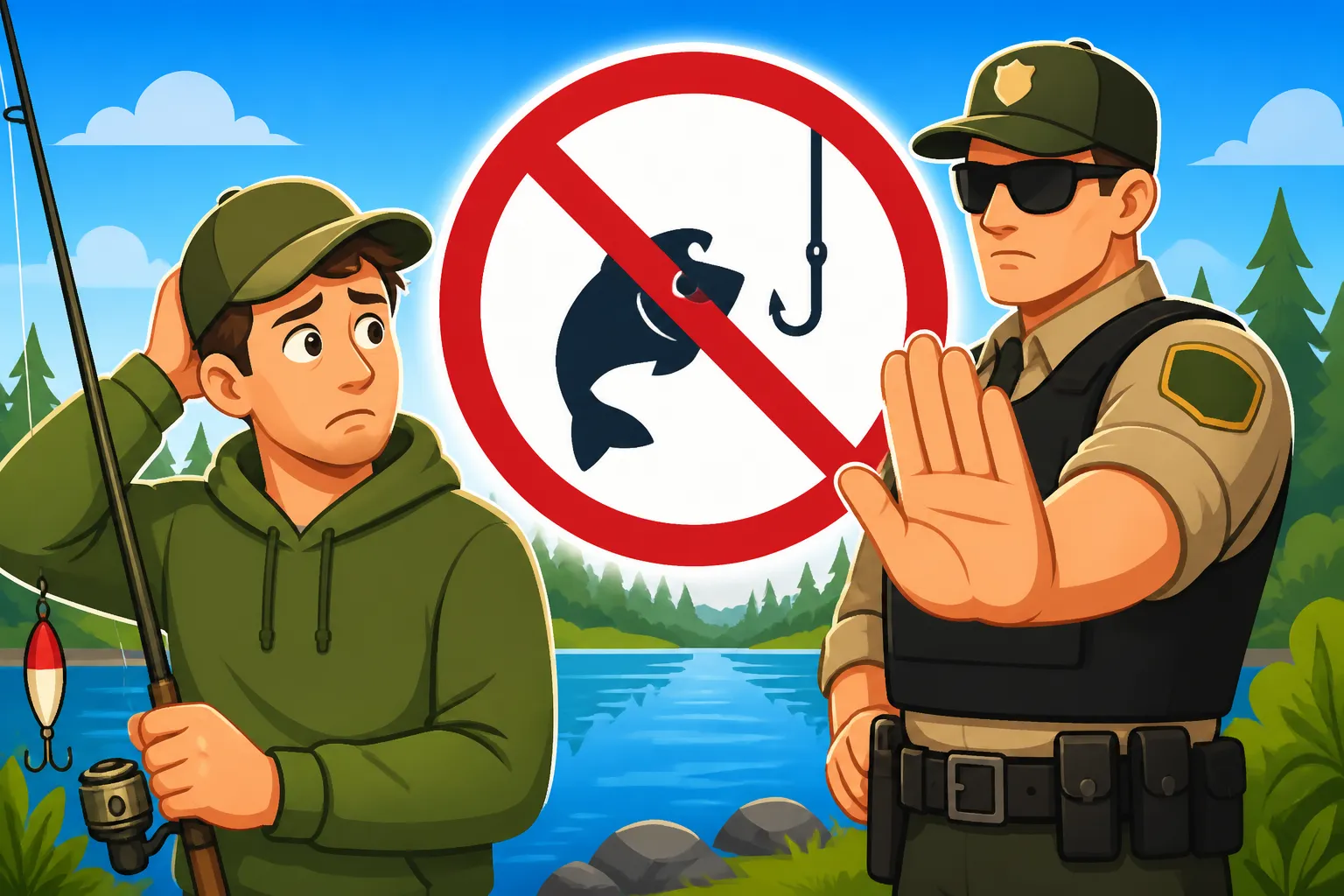
Let's cut to the chase: getting caught fishing without a valid license in Ontario isn't a slap on the wrist. Conservation Officers (COs) are out there, they're well-trained, and they take their job of protecting our natural resources very seriously. They patrol everything from remote northern lakes to popular urban fishing spots, and they have the authority to check for licenses and compliance with regulations at any time.
Initial Fines and Charges
The immediate consequence of being caught without a valid Ontario fishing license is a provincial offence charge, usually under the Fish and Wildlife Conservation Act (FWCA). This isn't just a minor ticket; these fines can be significant. While specific amounts can change and often depend on the discretion of the officer and the specific circumstances of the infraction, a common fine for fishing without a license can start in the hundreds of dollars. We're talking about figures that could easily fund a multi-year fishing license and a new tackle box!
It’s not just about the act of not having a license, either. If you’re also found to be breaking other rules, like exceeding catch limits, fishing out of season, or using illegal gear, those charges stack up, and so do the fines. It’s a bitter pill to swallow when a momentary lapse in judgment or an attempt to save a few dollars ends up costing you far more than you ever intended. This is why understanding Ontario Fishing Regulations Explained is so crucial.
Confiscation and Seizure of Gear
Here's where it really hits home for many anglers: the potential for seizure of your hard-earned fishing gear. If you are found to be fishing illegally, a Conservation Officer has the authority to seize any equipment used in the commission of the offence. This isn't limited to just your rod and reel; it can include your tackle box, the lures you just bought, your cooler, and even your boat or ATV if it was used to access the fishing spot.
Imagine spending good money on a top-of-the-line fishing kayak, maybe one you found on Amazon, or carefully curating your collection of lures, only to have it all taken away. This can be particularly devastating if your boat is part of the seizure, as replacing a vessel can be incredibly expensive. This possibility alone should be enough to make anyone double-check their Ontario Fishing License Guide for 2026. The impact extends beyond just the monetary loss; there’s the sheer inconvenience and frustration of losing items you rely on and cherish for your outdoor pursuits.
Court Appearances and Escalating Penalties
A provincial offence charge isn't always handled with a simple ticket that you pay online. Depending on the severity of the infraction, the circumstances, or if you have previous offences, you might be required to appear in court. This means taking time off work, potentially hiring legal counsel, and facing the added stress of a court proceeding. It’s no longer just a quick fine; it becomes a time-consuming and emotionally taxing ordeal.
Furthermore, if you are convicted, the penalties can escalate. While a first offence might result in a substantial fine, repeat offenders or those involved in more egregious violations (like commercial poaching without a license) can face much higher fines, potentially thousands of dollars, and even imprisonment in serious cases. The courts have the power to impose penalties far beyond what an initial ticket might suggest, making it clear that illegal fishing is not something Ontario takes lightly.
Beyond the Fine: Long-Term Repercussions
The immediate financial hit and loss of gear are certainly painful, but the consequences of fishing without a license in Ontario can stretch far beyond that initial incident. There are long-term repercussions that can affect your ability to enjoy fishing in the future and even impact your standing in the outdoor community.
Suspension of Fishing Privileges
One of the most significant long-term penalties is the suspension of your fishing privileges. A conviction for fishing without a license or other serious infractions can result in your Ontario Outdoors Card, Explained, being suspended. This means you won't be able to purchase any fishing licenses or participate in recreational fishing in Ontario for a specified period, which can range from one year to several years, depending on the severity and frequency of your offences.
For avid anglers, this can feel like an eternity. Imagine being unable to fish for several seasons, watching friends and family head out to the lake while you're forced to stay home, all because of an oversight or a deliberate decision to bypass the rules. This suspension extends to all types of fishing, whether you prefer chasing walleye on Lake Erie or fly fishing for trout in a remote stream. It’s a harsh reminder that fishing is a privilege, not a right, and that it comes with responsibilities.
Impact on Future License Purchases
Even after a suspension period ends, or if you received a less severe penalty that didn't include a direct suspension, a conviction on your record can still complicate future license purchases. While it might not outright prevent you from buying a license forever, it can flag your profile with the Ministry of Natural Resources and Forestry (MNRF). This could lead to closer scrutiny in the future, and any subsequent infractions would likely face much harsher penalties due to your prior record.
It’s essentially a black mark on your angling resume. Ontario's system is designed to track compliance, and having a history of violations indicates a disregard for the regulations that protect our fish populations. This can impact your trust with the authorities and ensure that you're held to a higher standard moving forward, making it crucial to always understand things like Ontario Sport vs Conservation Fishing License.
Reputational Damage and Community Trust
While not a legal penalty, the hit to your reputation within the angling community can be a real sting. News travels fast, especially in local fishing circles or online forums. Being caught fishing illegally can mark you as someone who doesn't respect the rules, the fish, or fellow anglers. This can lead to social ostracization or a loss of trust from others who are dedicated to ethical and sustainable fishing practices.
Many anglers are passionate about conservation and responsible recreation. They view fishing licenses as a direct contribution to the health of the fisheries they love. When someone is caught flouting these rules, it's often seen as a betrayal of those values. It might make it harder to find fishing partners or join local angling clubs, as your actions reflect negatively on the entire community.
Why the Rules Exist: Understanding Ontario's Fisheries Management
It's easy to feel frustrated by regulations, but understanding why these rules are in place can foster a greater appreciation for them. Fishing licenses aren't just a way for the government to collect money; they are a fundamental component of effective fisheries management and conservation in Ontario.
Funding Conservation Efforts
One of the primary reasons for fishing licenses is to generate revenue that directly supports conservation initiatives. When you purchase your How Much Does an Ontario Fishing License Cost, a significant portion of that money goes towards critical programs that protect and enhance Ontario's diverse fish populations and aquatic habitats. This includes funding for fish stocking programs, habitat restoration projects, scientific research into fish health and population dynamics, and the enforcement efforts of Conservation Officers.
Without these funds, many of our beloved fishing opportunities would simply cease to exist or rapidly decline. The revenue from licenses helps ensure that future generations can also enjoy the same vibrant fisheries we have today. It’s an investment in the long-term health of our lakes and rivers, ensuring that when you cast your line, there's actually something to catch.
Data Collection for Sustainable Management
Beyond the financial aspect, the licensing system is vital for data collection. When you purchase an Ontario Outdoors Card, Explained, your information is recorded. This allows the MNRF to track the number of anglers, understand fishing pressure in different regions, and gather crucial demographic data. This information, combined with angler surveys and creel censors, helps fisheries biologists make informed decisions about species management, season dates, and catch limits.
For example, understanding how many people are fishing in Ontario Fisheries Management Zones, Explained, and what species they are targeting helps managers identify areas that might be experiencing too much pressure or where certain fish populations might be struggling. This data is essential for developing sustainable fishing policies that balance recreational opportunities with the imperative to protect and conserve our natural resources.
Protecting Ontario's Natural Resources
Ultimately, the licensing and regulatory framework exists to protect Ontario's incredible natural resources. Our province boasts an astounding number of lakes and rivers, teeming with a wide variety of fish species, from the prized Walleye to magnificent Muskellunge and feisty Smallmouth Bass. Without proper management and enforcement, these resources would quickly be depleted by overfishing, habitat degradation, and illegal activities.
Every regulation, from catch and possession limits to season dates, is designed to ensure fish populations remain healthy and resilient. By requiring a license, the province establishes a baseline level of accountability and ensures that those participating in the activity are aware of and adhere to the rules that safeguard our aquatic ecosystems. It’s about ensuring that the beauty and bounty of Ontario's waters can be enjoyed sustainably for years to come.
| Infraction Category | Typical Initial Fine Range (approx.) | Potential Additional Penalties |
|---|---|---|
| Fishing Without a License | $200 – $600 | Seizure of gear, suspension of fishing privileges, court appearance |
| Fishing Out of Season | $250 – $1,000+ | Seizure of gear, suspension of fishing privileges, court appearance |
| Exceeding Catch Limit | $200 – $800+ (per fish over limit) | Seizure of fish, gear, suspension of fishing privileges |
| Using Illegal Bait/Gear | $150 – $500 | Seizure of bait/gear, potential suspension |
| Obstructing a CO | $500 – $2,000+ | Significant fines, potential jail time, severe suspensions |
Note: These are approximate ranges for common offences. Actual fines and penalties can vary significantly based on specific regulations, severity, and discretion of the courts.
How to Stay Compliant and Avoid Trouble
Nobody wants to deal with fines, seizures, or court dates. The good news is, avoiding these headaches is incredibly easy. A little bit of planning and knowledge goes a long way in ensuring your fishing trips remain enjoyable and stress-free.
Purchasing Your License Legally and Easily
The easiest way to avoid penalties is to simply buy your license. Ontario has made the process incredibly straightforward. You can purchase your license:
- Online: The Ministry of Natural Resources and Forestry (MNRF) website is your best friend. You can buy your Outdoors Card and fishing license from the comfort of your home. It's quick, easy, and you can even print your license immediately or save it digitally. Learn How to Buy an Ontario Fishing License Online.
- In-person: Many ServiceOntario locations, authorized license issuers (often bait shops, sporting goods stores like those found through an Amazon search, or even some general stores) can issue your license. This is great if you prefer to chat with someone or have questions.
- Via Phone: Some options allow for phone purchases, providing flexibility for those without internet access.
Remember, your Outdoors Card is separate from your fishing license. You need an Outdoors Card first, which is valid for three calendar years, and then you purchase your annual fishing license to go with it.
Understanding Your License Type
Ontario offers different types of fishing licenses, primarily the Sport Fishing License and the Conservation Fishing License. Knowing which one you need and understanding its limitations is paramount.
- Sport Fishing License: This allows for higher catch and possession limits and generally offers more opportunities. It's for those who plan to keep a reasonable number of fish for consumption and want to maximize their angling experience.
- Conservation Fishing License: This license has reduced catch and possession limits. It's a fantastic option for anglers who prioritize catch and release, only want to keep a small meal, or who simply enjoy the act of fishing without focusing on a large harvest. It's also a bit cheaper!
Always check the current Ontario Fishing Regulations Summary, available online or in print at most license issuers, to ensure you understand the specific limits for the species and zone you are fishing in.
Carrying Proof and Knowing the Regulations
Once you have your license, you need to ensure you can prove it. This means having your Outdoors Card and fishing license with you whenever you are fishing. While carrying a physical copy is always a good idea, Printing or Carrying a Digital Fishing License in Ontario, on your smartphone is also often accepted. Just make sure your phone is charged!
Beyond carrying proof, truly understanding the regulations for the specific lake or river you're fishing in is essential. Ontario is divided into different Ontario Fisheries Management Zones, Explained, and each zone can have unique rules regarding seasons, catch limits, and even specific methods. Never assume that the rules for one lake apply to another, even if they're nearby. Ignorance of the law is not an excuse, and a Conservation Officer will expect you to know and follow the rules. It's a small effort that saves a huge amount of potential trouble and helps protect the fishing experience for everyone.
Disclaimer
The information provided in this guide is for general informational purposes only and does not constitute legal advice. Fishing regulations and penalties in Ontario are subject to change. Always consult the official Ontario Fishing Regulations Summary and the Fish and Wildlife Conservation Act for the most current and accurate information before engaging in any fishing activities.