Ontario splake stocking and limit rules
Trying to understand the ins and outs of fishing for splake in Ontario can feel a bit like decoding a secret language, especially when you factor in all the different stocking programs and the ever-changing regulations. It's frustrating enough just trying to figure out what a splake is, let alone where to find them and how many you can keep! This guide is here to clear up all that confusion, giving you a clear picture of Ontario's splake stocking efforts and the specific limit rules you need to know before you cast a line.
Understanding Splake: What Are They Anyway?
Let's be honest, the term "splake" itself can throw people for a loop. It's not a natural species you'll find reproducing in the wild on its own. Instead, it’s a fascinating hybrid, specifically created to offer unique angling opportunities across Ontario. Understanding what makes a splake a splake is the first step to truly appreciating this exciting fish.
The Unique Hybrid: Brook Trout Meets Lake Trout
At its heart, a splake is a cross between a male brook trout and a female lake trout. That's right, a purposeful blend! This isn't something that happens naturally in the wild due to their differing spawning habitats and times. The idea behind creating splake was to combine the best attributes of both parent species. From the brook trout, they inherit a faster growth rate, a willingness to strike a lure aggressively, and often a vibrant, colorful appearance. From the lake trout, they get the hardiness, the ability to survive in deeper, colder waters, and a longer lifespan.
Typically, splake are fertile, meaning they can reproduce, but their natural reproduction rates in the wild are often low compared to purebred species. This makes them ideal for stocking programs where fisheries managers can control populations and provide consistent angling opportunities without the risk of an invasive species taking over. They grow relatively quickly, often reaching respectable sizes, which makes them a popular target for anglers looking for a good fight and a potential meal.
Identifying Splake in Ontario Waters
Knowing what a splake is genetically is one thing, but being able to identify one when it’s on the end of your line is another crucial skill, especially given that bag and possession limits often differ between species. Splake can be tricky because they often exhibit characteristics of both parent species, making them a chameleon of the trout world.
When you're trying to identify a splake, pay close attention to its tail. Unlike the deeply forked tail of a pure lake trout or the somewhat square tail of a brook trout, a splake usually has a slightly forked or moderately indented tail. It's often described as being "intermediate" between the two. Another key feature is the presence of pale, worm-like markings (vermiculations) on their back, similar to a brook trout, but often less prominent. They also tend to have light spots on a darker body, much like a lake trout, but these spots might be more numerous and sometimes even reddish, particularly along the lateral line, again echoing their brook trout heritage. If you're really struggling, remember that the Trout Species Identification Guide for Ontario can be a great resource to have handy. It's vital to get this right, as misidentification could lead to accidentally violating regulations.
Ontario's Splake Stocking Program
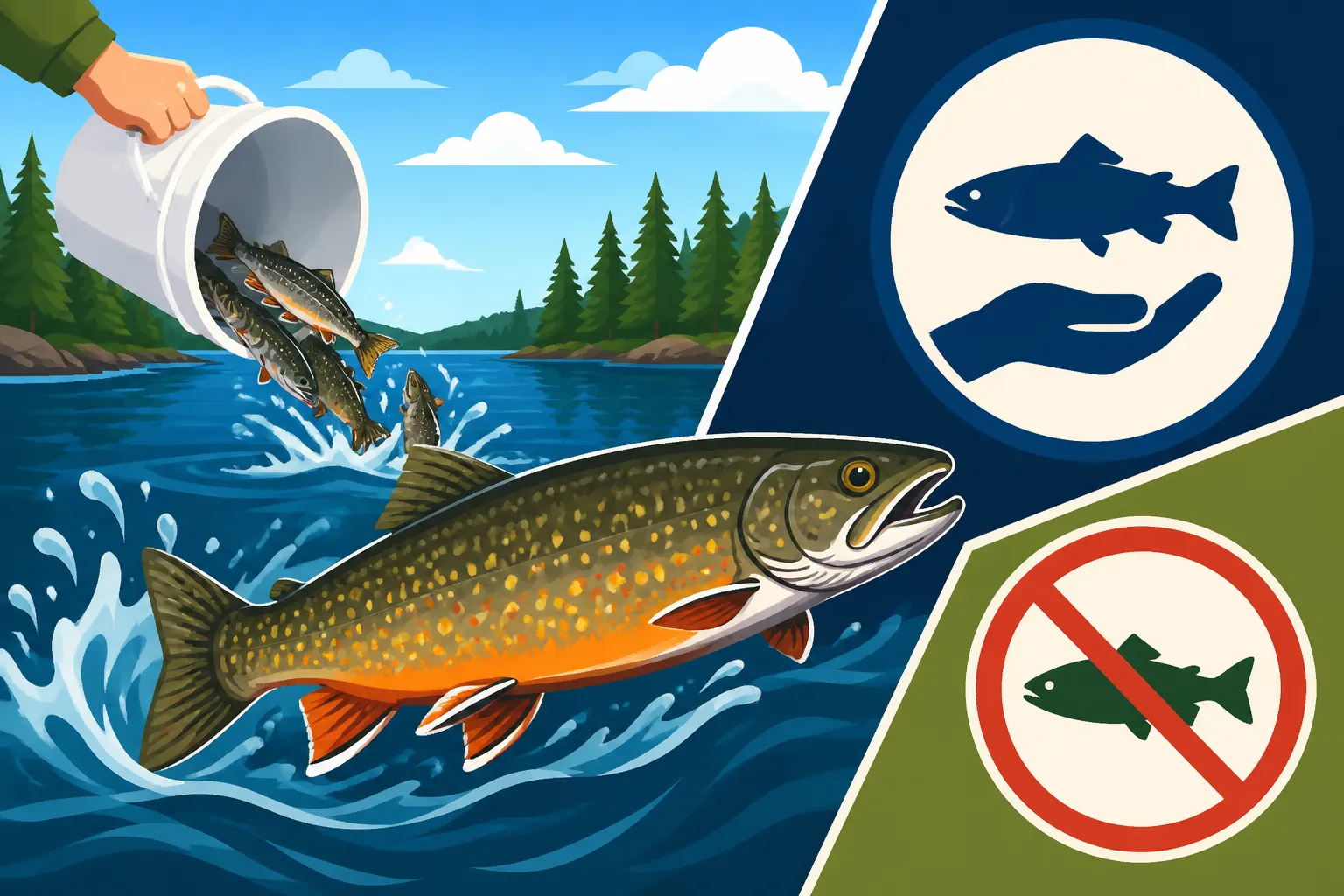
The existence of splake in Ontario's lakes is almost entirely due to intentional stocking efforts by the Ministry of Natural Resources and Forestry (MNRF). These programs are carefully managed to enhance recreational fishing opportunities for residents and visitors alike.
Why and Where Splake are Stocked
The primary reason the MNRF stocks splake is to create and sustain recreational fisheries, particularly in lakes where native trout populations might struggle or where traditional cold-water species like lake trout might not thrive as robustly. Splake are quite adaptable; they can handle a wider range of water temperatures than brook trout and often grow faster than lake trout in certain environments. This makes them an excellent choice for lakes that might have slightly warmer summer temperatures or a lack of suitable spawning habitat for other trout species.
You'll often find splake stocked in smaller, colder inland lakes across various Fisheries Management Zones (FMZs) throughout Ontario. Many of these lakes are former brook trout or lake trout waters where conditions have changed, or simply put, to provide a fresh fishing experience. For instance, some lakes in the Muskokas or even up near Algonquin Park that have good water quality but might lack the deep, oxygenated pockets preferred by large lake trout can become excellent splake fisheries. To pinpoint exactly which lakes are stocked, the best tool is the Ontario Fish ON-Line Interactive Zone Map, Explained. This interactive map allows you to search by species and location, providing valuable insight into specific stocking efforts near your favorite fishing grounds. It's a game-changer for planning your next splake adventure!
The Impact of Stocking on Local Ecosystems
Any time a species is introduced, even a hybrid, there are ecological considerations. The MNRF undertakes thorough assessments to ensure that splake stocking is beneficial and doesn't negatively impact existing native fish populations or the broader ecosystem. Because splake often have lower natural reproductive success, their populations are largely sustained by regular stocking, which gives the MNRF a high degree of control over their numbers. This managed approach minimizes potential risks.
From an angler's perspective, the impact is overwhelmingly positive. Splake stocking programs provide a vibrant fishery that attracts many anglers. These fish offer a rewarding challenge and contribute to the economic well-being of many smaller communities that rely on fishing tourism. They fill a niche, providing a robust, readily available cold-water game fish that can withstand fishing pressure and still offer an exciting catch.
Navigating Ontario Splake Limit Rules
Understanding the regulations for splake is absolutely critical. Just like with any other species in Ontario, there are specific bag and possession limits, and these can vary significantly depending on where and when you're fishing. It's not just about avoiding fines; it's about being a responsible angler and contributing to the sustainability of the fishery for everyone.
General Regulations for Splake in Ontario
Ontario's fishing regulations are designed to manage fish populations effectively, and splake are no exception. The general rule of thumb across the province, when specific zone regulations aren't in play, distinguishes between a Sport fishing license and a Conservation fishing license. A Sport license typically allows for higher bag and possession limits, while a Conservation license has reduced limits, promoting a more catch-and-release oriented approach.
For splake, the province-wide general limits are usually:
- Sport License: 5 splake
- Conservation License: 2 splake
These numbers represent your daily bag limit (how many you can catch and keep in one day) and your possession limit (how many you can have on your person or in your possession, including at your camp or in your vehicle, at any given time). However, these are just the starting point. It's crucial to remember that these are general rules. The real key to legal splake fishing lies in checking the localized regulations for the specific waterbody you're targeting. The Ontario Fishing Regulations Explained goes into much greater detail on how these limits function.
Zone-Specific and Special Regulations
This is where it gets interesting, and where many anglers can get tripped up. Ontario is divided into 20 different Ontario Fisheries Management Zones, Explained, each with its own set of rules and nuances. Within these zones, individual lakes or rivers can have further, even more specific, regulations. These might include:
- Modified Bag Limits: A lake in FMZ 10, for example, might have a splake limit of 1, regardless of your license type, or perhaps a combined limit for all trout species.
- Size Restrictions: You might encounter slot limits (e.g., only splake between 30 cm and 45 cm can be kept), or minimum/maximum size limits. This is a common tool used to protect spawning-sized fish or ensure younger fish have a chance to grow.
- Season Dates: While many stocked splake waters are open year-round for trout, some might have specific opening and closing dates, especially if they are managed alongside other species.
- Catch and Release Only: In certain sensitive or experimental waters, splake might be designated as Ontario Catch and Release Only Waters, meaning you can enjoy the thrill of the catch but must immediately release the fish unharmed.
The only way to be absolutely certain you're compliant is to consult the official Reading the Ontario Fishing Regulations Summary for the current year. This summary is available online through the Ontario government website or in print at most license vendors. You can't rely on word-of-mouth or last year's rules! Make it a habit to look up your specific FMZ and waterbody every time you plan a trip.
The Importance of Knowing the Rules
Ignoring or misunderstanding the regulations for splake, or any species for that matter, carries serious consequences. The Ministry of Natural Resources and Forestry (MNRF) takes conservation very seriously, and enforcement officers are out there actively ensuring compliance. Getting caught with too many splake, fish of an illegal size, or fishing out of season can result in hefty fines, confiscation of your fishing gear, and even the loss of your fishing license. For more details on the penalties, see Fishing Without a License in Ontario: Penalties. It's simply not worth the risk.
Beyond the legal ramifications, knowing and respecting the rules is fundamental to ethical angling. Stocking programs, like those for splake, are expensive and require significant planning. By adhering to the limits, you're directly contributing to the long-term health and vitality of these fisheries. Every angler plays a role in sustaining the resource, ensuring that future generations can enjoy the same opportunities. So, before you head out, double-check that summary. It's your responsibility, and it's for the good of the fishery!
Best Practices for Splake Anglers
Catching splake can be incredibly fun, and there are some tried-and-true methods that tend to work well. But beyond just hooking fish, practicing responsible angling ensures these unique hybrids continue to thrive in Ontario's waters.
Effective Techniques for Catching Splake
Splake are often aggressive biters, making them a fantastic target for a variety of techniques. Given their hybrid nature, they often display characteristics of both brook and lake trout, which influences how you might approach them.
- Trolling: This is a very popular method, especially for covering water in larger lakes. Small spoons, like those from popular brands such as Williams Wabler or Little Cleo, or even small crankbaits that imitate baitfish, are highly effective. You'll want to experiment with depths; splake can be found shallower in cooler months and deeper during the heat of summer. For similar techniques, you can often adapt advice found in guides like How to Catch Lake Trout in Ontario.
- Jigging: Whether from a boat or through the ice, jigging can be incredibly productive. Small to medium-sized jigging spoons, tubes, or even soft plastics tipped with a minnow can entice a bite. Look for splake around underwater structure like points, humps, or drop-offs. If you're looking to stock up on new lures or even a specialized ice fishing rod, you can find a great selection on Amazon.
- Ice Fishing: Splake are a favored target for ice anglers due to their active feeding habits in cold water. Using tip-ups with minnows or jigging with small spoons and lures can yield excellent results. They often cruise near the bottom or suspend in the water column, so a good fish finder is invaluable. For more tips on this winter activity, check out Ice Fishing in Ontario.
- Casting from Shore/Boat: Early in the season or late in the fall, splake can be found shallower. Casting small spinners, spoons, or even fly fishing with streamers can be very productive near shorelines, weed edges, or rocky structure.
No matter the technique, paying attention to the local forage (what the fish are eating) and the water temperature will significantly increase your success. Splake are opportunistic feeders and will often strike at anything resembling a minnow or a bug.
Catch and Release Considerations
While splake often provide excellent table fare, practicing catch and release, especially for fish you don't intend to keep or if you've reached your limit, is crucial for maintaining healthy populations. This is particularly important with stocked species where every fish caught represents an investment in the fishery.
Here are some best practices for catch and release:
- Minimize Fight Time: Bring the fish in as quickly as possible to reduce stress and exhaustion.
- Use Barbless Hooks: Crushing the barb on your hooks or using specific barbless hooks makes removal much easier and causes less damage to the fish's mouth. You can find convenient crimpers and a variety of barbless hook options on Amazon.
- Handle With Wet Hands: Dry hands can remove the fish's protective slime layer, making it vulnerable to disease. Always wet your hands before touching a fish.
- Keep Fish in Water: If possible, remove the hook while the fish is still in the water. Minimize air exposure as much as you can, especially in extreme temperatures.
- Support the Fish: If you must lift the fish for a quick photo, support its body horizontally, especially larger fish, to protect its internal organs and spine.
- Revive Gently: If the fish seems sluggish, hold it gently in the water, facing into the current (or move it back and forth gently if there's no current) until it's strong enough to swim away on its own.
By following these guidelines, you're not just abiding by the spirit of conservation; you're also ensuring that the splake you release have the best possible chance of survival, contributing to the fantastic angling opportunities that Ontario provides.
| License Type | General Province-Wide Splake Limit | Special Zone/Waterbody Rules | Notes |
|---|---|---|---|
| Sport Fishing | 5 Splake (daily & possession) | Varies by FMZ and waterbody | Always check the Regulations Summary for your specific fishing location. |
| Conservation Fishing | 2 Splake (daily & possession) | Varies by FMZ and waterbody | Reduced limits to support conservation; check for special size or season restrictions. |
Disclaimer: Fishing regulations are subject to change. Always consult the most current Ontario Fishing Regulations Summary before heading out on the water. This guide provides general information and should not be used as a substitute for official government documents.