Ontario coho salmon limit on the Great Lakes
It can feel incredibly frustrating trying to keep up with all the specific fishing regulations across Ontario's vast waterways, especially when you're targeting a particular species like Coho salmon in the Great Lakes. The rules aren't always straightforward, and one little oversight can lead to an unexpected fine or, worse, harm to our cherished fisheries. This comprehensive guide is here to untangle the complexities, clearly laying out the current Coho salmon limits and regulations for the Great Lakes in Ontario, helping you fish confidently and responsibly.
Understanding Coho Salmon in Ontario's Great Lakes
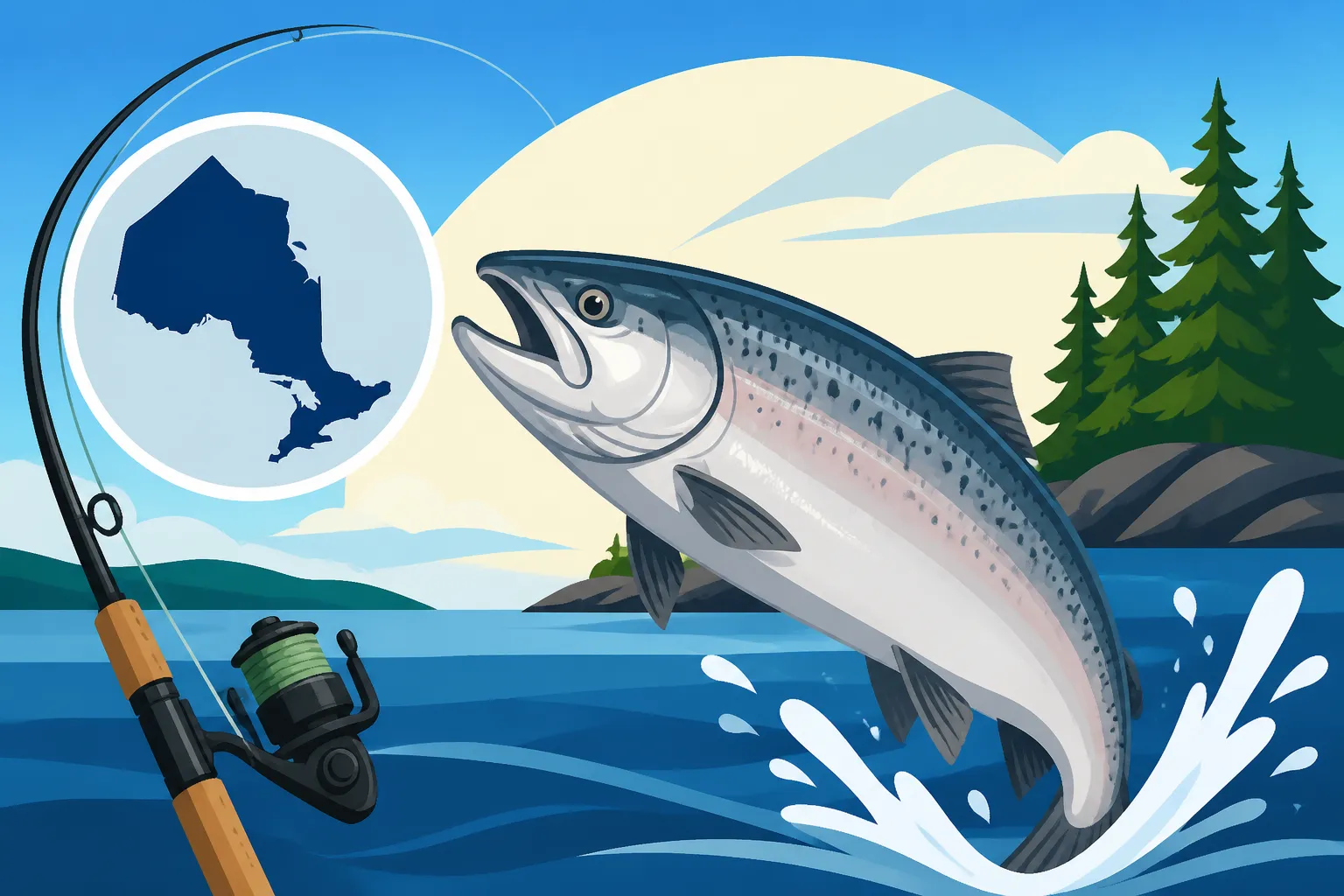
Coho salmon, known for their silvery flanks and spirited fight, are a beloved species among Great Lakes anglers. But to properly appreciate and target them, it's essential to understand their presence and characteristics in our waters.
Coho Salmon in the Great Lakes Ecosystem
Coho salmon are not native to the Great Lakes. They were first introduced into Lake Superior and Lake Michigan in the mid-1960s, primarily from Oregon, as part of a significant fisheries management strategy. The goal was to control burgeoning alewife populations, an invasive species that was causing ecological havoc, and to create a new sport fishery. These introductions were incredibly successful, and Coho quickly established themselves, leading to robust populations that sustain popular recreational fishing opportunities today. They spend their early lives in the lakes, feeding on baitfish like alewives and smelt, before maturing and making their migratory runs up tributary rivers to spawn.
Identifying Coho Salmon
Distinguishing Coho salmon from other salmonids in the Great Lakes can sometimes be a bit tricky, even for experienced anglers. However, there are a few key characteristics to look for. Coho typically have a slightly forked tail with spots only on the upper lobe, unlike Chinook salmon which often have spots all over their tail. Inside their mouth, Coho salmon usually have a white gum line with black at the base of their teeth, a feature often described as a "white mouth." Their body is generally silvery with a bluish-green back, though during spawning runs, they develop a distinct reddish-pink hue. On average, Coho salmon caught in Ontario's Great Lakes typically range from 2 to 10 pounds, with larger individuals possible, offering a fantastic fight on appropriate gear.
Where Coho Salmon Thrive in Ontario
Coho salmon can be found throughout all of Ontario's Great Lakes, including Lake Superior, Lake Huron, Lake Erie, and Lake Ontario. However, specific regions and their tributaries tend to see stronger concentrations, especially during their migratory runs. For instance, the northern shores of Lake Ontario and the eastern shores of Lake Huron are well-known hotbeds for Coho activity. During the warmer months, Coho tend to cruise the open waters of the lakes, often in the upper water column, following schools of baitfish. As fall approaches, they stage near the mouths of rivers, eventually making their way upstream into tributaries like the Ganaraska River or the Saugeen River to spawn. Understanding these seasonal movements is crucial for successful Coho salmon fishing.
Decoding Ontario's Coho Salmon Regulations
Navigating fishing regulations can feel like deciphering an ancient text, but it's an absolutely non-negotiable part of responsible angling. For Coho salmon on the Great Lakes, knowing the specific limits is paramount.
Locating the Official Regulations
The single most important document for any angler in Ontario is the Ontario Fishing Regulations Summary. This publication, updated annually by the Ministry of Natural Resources and Forestry (MNRF), contains all the legal requirements for fishing in the province, including species-specific limits, open seasons, and general rules. You can usually find a copy at most license issuers, tackle shops, or conveniently, download a digital version from the Ontario government website. It's incredibly important to check the most current summary every year because regulations can and do change. Never rely on outdated information or hearsay. For a more detailed guide on how to make sense of this essential document, check out our piece on Reading the Ontario Fishing Regulations Summary.
Current Daily Catch and Possession Limits
Here's where it gets a little more nuanced for Coho salmon in the Great Lakes. Instead of a standalone Coho limit, they are typically grouped with other "Pacific Salmon" (like Chinook) and Rainbow Trout/Steelhead under an aggregate limit for much of the Great Lakes (Fishing Zone 20, for example). This means the number of Coho you can keep contributes to a total number for all these species combined.
For anglers with a Sport Fishing License, the aggregate daily catch limit for Pacific Salmon and Rainbow Trout/Steelhead in many Great Lakes zones is typically 5 fish. The possession limit is also 5 fish. For those holding a Conservation Fishing License, these limits are generally more restrictive, often set at an aggregate of 2 fish for both daily catch and possession.
What's the difference between daily catch and possession limits?
- Daily Catch Limit: This is the maximum number of fish you can catch and keep in one day. Once you reach this number, you must stop fishing for that species or switch to catch-and-release only.
- Possession Limit: This is the maximum number of fish you can have in your possession at any time, whether they're in your livewell, cooler, freezer, or even at your home. This includes fish caught over multiple days.
It's absolutely critical to understand that these are aggregate limits. If you catch two Coho and three Rainbow Trout on a Sport Fishing License, you've met your aggregate limit of five, even if you only have two Coho. These limits are subject to change, so always consult the latest Ontario Fishing Regulations Summary before heading out. Our guide on Ontario Bag and Possession Limits by Species offers a broader look at various species.
Size Restrictions and Open Seasons
When it comes to Coho salmon in the Great Lakes, specific minimum or maximum size restrictions are not typically applied directly to Coho alone in the same way they might be for some other species like Bass or Walleye. The emphasis is primarily on the aggregate daily and possession limits mentioned above. This means that if you catch a legal Coho within your aggregate limit, its size usually isn't a factor, provided it's a legal species.
Regarding seasons, Coho salmon in the Great Lakes generally follow the open seasons for "Pacific Salmon" and "Rainbow Trout/Steelhead." These species are often open year-round in the main basins of the Great Lakes themselves. However, this changes dramatically when they enter tributary rivers to spawn. Many Great Lakes tributaries have very specific and often more restrictive seasons, sometimes with closed periods, gear restrictions (e.g., no live bait, specific hook types), or even catch-and-release-only sections, especially during the peak of the fall spawning runs. It is vital to check the regulations for the specific Great Lakes zone and, if you're fishing a river, the specific river and its designated fishing zones. Don't assume the lake rules apply to the rivers, because they almost certainly do not. Our resource on Ontario Fishing Season Dates by Zone can provide a helpful overview.
| Great Lake / Zone (Example) | License Type | Daily Catch Limit (Aggregate) | Possession Limit (Aggregate) | Size Restriction |
|---|---|---|---|---|
| Great Lakes (e.g., Zone 20) | Sport | 5 (Pacific Salmon/Rainbow Trout) | 5 (Pacific Salmon/Rainbow Trout) | None specified for Coho |
| Great Lakes (e.g., Zone 20) | Conservation | 2 (Pacific Salmon/Rainbow Trout) | 2 (Pacific Salmon/Rainbow Trout) | None specified for Coho |
| Tributaries (specific rivers) | Varies | Often more restrictive | Often more restrictive | May apply/Closed Seasons |
Note: Always refer to the most current Ontario Fishing Regulations Summary for the precise and up-to-date rules for your specific fishing zone and waterbody.
Practical Implications for Anglers
Understanding the regulations is one thing; putting them into practice while maintaining ethical standards and avoiding legal trouble is another.
The Importance of Responsible Angling
Adhering to Coho salmon limits isn't just about avoiding a ticket; it's about safeguarding the future of the fishery we all enjoy. Coho, while widely stocked, are still part of a delicate ecosystem. Overfishing, even by a few individuals, can accumulate and negatively impact fish populations, especially during vulnerable times like spawning runs. Responsible angling also extends to proper catch and release practices, particularly for fish you don't intend to keep or those that exceed your legal limit. Using appropriate gear, minimizing handling time, and reviving fish carefully dramatically increase their survival chances. While we're talking salmon, the principles apply broadly, as highlighted in our article on Is It Legal to Release a Muskie You Catch in Ontario?. We all share a responsibility to protect these resources for generations to come.
Gear and Techniques for Coho Salmon
Fishing for Coho salmon in the Great Lakes can be incredibly rewarding, and having the right gear certainly boosts your chances. Given that they are often caught by trolling in the open lake or casting in tributaries, versatile setups are key. For lake trolling, medium-heavy action rods (7-9 feet) paired with level-wind or large spinning reels spooled with 15-20 lb monofilament or braided line are popular. Downriggers and planer boards are common tools to present lures at various depths and spreads.
When Coho move into rivers, lighter gear becomes more suitable. Medium-action spinning rods (8-10 feet) with matching reels and 8-12 lb fluorocarbon or monofilament lines are excellent for casting spoons, spinners, or drifting roe bags and worms. Many anglers find great deals on these setups, including quality fishing line and a variety of lures, on sites like Amazon, making it convenient to stock up before a trip. For more general advice on selecting the right equipment, you might find our guide on Best Fishing Rods for Ontario Lakes helpful, as many principles apply across species.
Penalties for Non-Compliance
Let's be blunt: fishing without proper licenses or exceeding limits in Ontario can lead to serious consequences. The Ministry of Natural Resources and Forestry (MNRF) conservation officers are out there, and they take these regulations very seriously. Getting caught without a valid fishing license, or catching more than your legal limit for Coho salmon (or any species), can result in significant fines. These fines can range from hundreds to thousands of dollars, depending on the severity and frequency of the offense. In some cases, repeat offenders or those involved in commercial poaching can even face jail time or have their fishing privileges revoked. It’s always cheaper and less stressful to simply follow the rules. Ensure you always have a valid Ontario Fishing License Guide for 2026 and understand the potential repercussions, which we detail further in Fishing Without a License in Ontario: Penalties. Don't forget your Ontario Outdoors Card, Explained, as it's a prerequisite for purchasing your license.
Additional Considerations for Great Lakes Salmon Fishing
Beyond the basic limits, there are a few other important aspects to consider when you're out chasing Coho salmon in Ontario.
Coho Salmon Runs on Great Lakes Tributaries
The highlight for many Coho anglers is the annual fall spawning run, when these fish leave the vastness of the Great Lakes and push upstream into tributary rivers. These runs typically begin in late September and can extend through October, peaking when water temperatures start to cool. Famous rivers like the Ganaraska on Lake Ontario, the Saugeen on Lake Huron, and various streams flowing into Lake Superior see thousands of Coho making their way upstream.
However, fishing these tributary runs comes with its own set of rules and challenges. Many rivers have designated "open" and "closed" seasons for specific sections or even for certain species to protect spawning fish. There are often restrictions on gear, such as mandatory use of single, barbless hooks, or a prohibition on live bait. Some areas might be entirely catch-and-release only. It is absolutely crucial to consult the specific regulations for the tributary you plan to fish, as they almost always differ from the main lake regulations. Observing What Coho salmon runs look like on Great Lakes tributaries can help you prepare for these spectacular events. Also, be mindful of your Ontario Sport vs Conservation Fishing License type, as it dictates your limits even on tributaries.
Distinguishing Coho from Chinook Salmon
Given that Coho salmon are often part of an aggregate limit with Chinook salmon, being able to tell them apart is not just helpful, it's essential for staying within legal limits. While both are Pacific salmon, they have distinct features:
- Chinook Salmon (King Salmon): These are generally larger, often reaching impressive sizes in the Great Lakes. Their tails are usually less forked than a Coho's, and they typically have spots spread across both lobes of their tail fin. Inside their mouth, Chinook have a black gum line, often described as a "black mouth," which is a key differentiator from Coho. Their body color can range from silvery to bronze, especially during spawning.
- Coho Salmon (Silver Salmon): As mentioned, Coho are typically smaller than Chinooks, have spots only on the upper lobe of their tail, and a white gum line with black at the base of their teeth.
Knowing these differences will prevent you from accidentally exceeding your aggregate limit by misidentifying your catch. Our article on Chinook Salmon in Lake Ontario offers more details on that species.
Health Advisories for Great Lakes Salmon Consumption
While catching and eating fresh Great Lakes Coho salmon can be a real treat, it's important to be aware of consumption advisories issued by the Ontario government. Fish, especially larger, longer-lived species from certain bodies of water, can accumulate contaminants like mercury or PCBs. The province publishes a detailed "Guide to Eating Ontario Fish" which provides specific advice on how much fish from particular lakes and rivers is safe to consume, broken down by species, size, and even for different demographics (e.g., women of childbearing age, children). This guide is regularly updated and is a vital resource for anyone planning to keep and eat their catch. Always check the latest advisory for the specific Great Lake you are fishing. For more information on this critical topic, refer to our article on Mercury advisory fish species in Ontario waters.
Disclaimer
The information provided in this guide is for general informational purposes only and is subject to change. While we strive to provide accurate and up-to-date content, fishing regulations are dynamic and can be updated by the Ontario Ministry of Natural Resources and Forestry (MNRF) at any time. It is the angler's sole responsibility to consult the most current official Ontario Fishing Regulations Summary before engaging in any fishing activity. Non-compliance with fishing regulations can result in significant penalties.