Best marine battery for a trolling motor
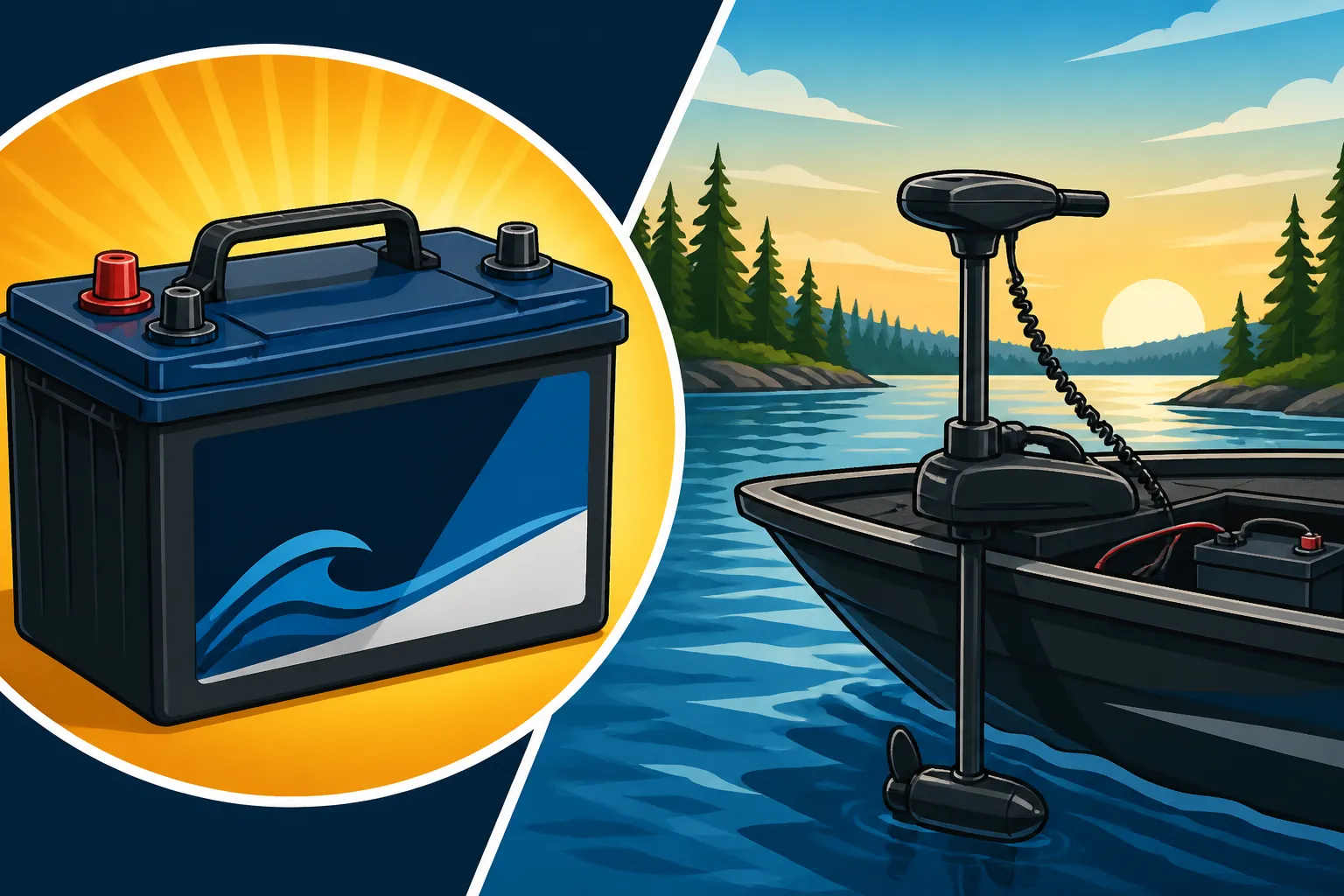
There's nothing quite as frustrating as being out on your favourite Ontario lake, the fish biting, and then your trolling motor starts to sputter, leaving you scrambling for the paddles. Running out of juice at the worst possible moment is a common nightmare for anglers. This comprehensive guide will walk you through everything you need to know to choose the best marine battery for your trolling motor, ensuring you have reliable power for all your fishing adventures, from serene inland lakes to the vast expanse of the Great Lakes.
Understanding Your Trolling Motor's Power Needs
Before you even start looking at batteries, it's crucial to understand what your trolling motor actually needs to perform optimally. Not all trolling motors are created equal, and their power demands vary significantly. Matching your battery to your motor's specifications isn't just about preventing disappointment; it's about ensuring efficiency, longevity, and ultimately, a much better day on the water. Many anglers just grab whatever battery looks big enough, only to find themselves underpowered or overspending.
Trolling Motor Voltage and Thrust
Trolling motors typically come in 12-volt, 24-volt, or even 36-volt configurations. This voltage requirement is paramount. A 12-volt motor needs a single 12-volt battery, or a bank of 12-volt batteries wired in parallel to increase capacity at 12V. A 24-volt motor, however, requires two 12-volt batteries wired in series to achieve the necessary 24 volts. Similarly, a 36-volt motor will demand three 12-volt batteries wired in series. You absolutely cannot use a 12-volt battery on its own for a 24-volt motor – you'll damage the motor or, at the very least, get zero performance.
The thrust rating of your trolling motor (measured in pounds of thrust) also plays a role in how much power it draws. Higher thrust motors, designed for larger boats or stronger currents often found in places like Georgian Bay, naturally pull more amps. A small motor on a kayak might be perfectly happy with a single battery, but a larger boat navigating the currents of the Niagara River for walleye will need a more robust, multi-battery setup. Always check your trolling motor's manual for its specific voltage requirements and recommended battery setup.
Amp-Hour Ah Rating and Run Time Considerations
The Amp-Hour (Ah) rating of a battery tells you its capacity – essentially, how much energy it can store. A higher Ah rating means the battery can deliver power for a longer period. For trolling motors, this directly translates to your run time on the water. If your 12-volt trolling motor draws, say, 10 amps per hour at a moderate speed, and you have a 100 Ah battery, theoretically, you could run it for 10 hours. However, it's never quite that simple in practice. Factors like continuous usage, wind, current, and even the age of the battery will impact actual run time.
When planning your fishing trips, especially if you're venturing to remote Crown land lakes or spending a full day chasing smallmouth on Lake Simcoe, you need to consider your typical usage patterns. Do you usually troll for an hour or two, or are you out for eight hours straight? Do you run your motor at high speeds frequently, or mostly at slow, steady paces? Over-estimating your needs slightly is always better than under-estimating and ending up stranded. Think about a buffer – perhaps you usually fish for 4 hours, but what if you get into a hot bite and want to stay longer, or a storm kicks up and you need extra power to get back?
Battery Types: A Quick Overview for Anglers
In the world of marine batteries, you'll mainly encounter two broad categories for trolling motors: deep cycle lead-acid and lithium. Starting batteries, designed to deliver a massive jolt of power for a short time to start your main engine, are not suitable for trolling motors. Trolling motors require a steady, sustained power draw over many hours, which is precisely what deep cycle batteries are built for. Using a starting battery for your trolling motor will drastically shorten its lifespan and could leave you in a lurch quickly. This distinction is really important for new anglers to grasp.
Deep Cycle Batteries: The Backbone of Trolling Power
Deep cycle batteries are engineered to be discharged deeply and recharged many times without significant damage, making them ideal for trolling motor applications. Within the deep cycle family, you have a few different technologies, each with its own set of pros and cons.
Lead-Acid Deep Cycle Batteries: Flooded, AGM, Gel
Traditional lead-acid deep cycle batteries have been the workhorse of the marine industry for decades. They are generally the most affordable option upfront, which makes them popular with many anglers, especially those just getting into the sport or on a tighter budget.
-
Flooded (Wet Cell) Batteries: These are your classic, often white or black, marine batteries. They contain liquid electrolyte, which means they require regular maintenance, primarily checking and topping up the water levels with distilled water. They also need to be mounted upright to prevent spills and vent hydrogen gas during charging, so good ventilation is a must. They are robust and can handle deep discharges, but their lifespan is generally shorter than other deep cycle types if not maintained properly. They are also heavy, which can be a consideration if you're trying to keep your boat light, such as a smaller aluminum boat or a kayak where every pound counts. You can often find these at most automotive or marine supply stores, including big box retailers.
-
AGM (Absorbed Glass Mat) Batteries: A step up from flooded batteries, AGMs are sealed, maintenance-free, and much more resistant to vibration. The electrolyte is absorbed into glass mat separators, which means no spills, even if the battery is tipped on its side. They also charge faster and have a lower self-discharge rate, meaning they hold a charge longer when not in use. While more expensive than flooded batteries, their convenience and durability often justify the cost for serious anglers. They are also safer to store in enclosed compartments because they don't typically vent gas under normal operation. You'll find these widely available at places like Bass Pro Shops and other specialty marine retailers.
-
Gel Batteries: These are also sealed and maintenance-free, similar to AGMs. Instead of a liquid or absorbed electrolyte, they use a gelified electrolyte. Gel batteries are excellent for very deep, slow discharges and perform well in high temperatures. However, they are more sensitive to overcharging and tend to have a lower power output than AGMs of the same size. They also charge slower and are generally the most expensive lead-acid option. For trolling motors, AGMs usually offer a better balance of performance and cost.
Lithium Iron Phosphate LiFePO4 Batteries: The Modern Choice
Lithium Iron Phosphate (LiFePO4) batteries are rapidly becoming the gold standard for trolling motors, especially for those who demand peak performance and are willing to invest more. They offer a host of advantages that make them incredibly appealing:
- Lightweight: This is a huge benefit. A LiFePO4 battery can weigh 50-70% less than a comparable lead-acid battery. For smaller boats, kayaks, or even larger vessels where weight distribution is critical for performance and fuel efficiency, this is a game-changer. Imagine less strain on your back when loading and unloading, or better boat stability on the water.
- Longer Lifespan: LiFePO4 batteries can last 5-10 times longer than lead-acid batteries, with many rated for thousands of charge cycles. While the upfront cost is higher, their extended life can make them more economical in the long run. You won't be replacing them nearly as often.
- Consistent Power Output: Unlike lead-acid batteries, which see a voltage drop as they discharge, LiFePO4 batteries maintain a much more consistent voltage throughout their discharge cycle. This means your trolling motor performs at its peak longer, without noticeable power fade.
- Faster Charging: They accept a charge much more efficiently, meaning less downtime between fishing trips.
- Maintenance-Free: Completely sealed and requires no maintenance.
- Safety: While all batteries require careful handling, LiFePO4 batteries are inherently more stable and safer than other lithium chemistries, significantly reducing the risk of thermal runaway.
The main drawback, as you might guess, is the cost. LiFePO4 batteries are a significant investment compared to lead-acid options. However, for serious anglers, tournament fishermen, or anyone who values maximum run time, consistent power, and less weight, the long-term benefits often outweigh the initial sticker shock. Brands like Dakota Lithium and Battle Born are well-known in this space, often available through online retailers like Amazon or specialized marine stores.
Comparing Deep Cycle Battery Technologies
To help you visualize the differences, here's a quick comparison of the main deep cycle battery types for trolling motors:
| Feature | Flooded Lead-Acid | AGM Lead-Acid | Gel Lead-Acid | Lithium Iron Phosphate (LiFePO4) |
|---|---|---|---|---|
| Initial Cost | Lowest | Moderate to High | High | Highest |
| Weight | Heavy | Heavy | Heavy | Very Light |
| Maintenance | High (water topping) | None | None | None |
| Lifespan | Moderate (200-500 cycles) | Moderate (400-800 cycles) | Moderate (500-1000 cycles) | Very Long (2000-5000+ cycles) |
| Charging Speed | Moderate | Fast | Slow | Very Fast |
| Discharge Rate | Drops voltage with discharge | Drops voltage with discharge | Drops voltage with discharge | Consistent voltage output |
| Vibration Resist | Low | High | High | High |
| Spill Proof | No | Yes | Yes | Yes |
| Mounting Flex | Upright only | Flexible | Flexible | Flexible |
When considering this table, think about your personal priorities. Is saving money upfront your main goal, or are you willing to invest more for long-term performance and convenience, especially if you spend a lot of time fishing?
Factors to Consider When Choosing Your Battery
Beyond the technical specifications, there are several practical considerations that will influence your final battery choice. It’s not just about getting a battery, but getting the right battery for your unique fishing style and boat.
Budget vs. Performance: Striking a Balance
Let's be real, budget is almost always a factor. Flooded lead-acid batteries are undoubtedly the most budget-friendly upfront. If you're a casual angler who only goes out a few times a season, or you're just outfitting a small boat for the first time, a couple of well-maintained flooded batteries might be perfectly sufficient. You might save a few hundred dollars initially, which can then go towards other gear like a Best Fish Finders for Ontario Lakes or Best Tackle for Ontario Walleye.
However, if you're on the water every weekend, participating in tournaments, or simply hate the idea of constantly replacing batteries, the higher upfront cost of AGM or especially LiFePO4 batteries might actually save you money in the long run. Their extended lifespan means fewer replacements, and their superior performance means less frustration on the water. It’s a classic "pay now or pay more later" scenario. Consider your investment not just in the battery itself, but in your overall fishing experience and peace of mind.
Weight and Space: Impact on Boat Performance
This is often an overlooked but critical factor. Lead-acid batteries are heavy. A typical 100 Ah 12V lead-acid deep cycle battery can weigh upwards of 60-70 pounds. If you need two or three of these for a 24V or 36V system, you're looking at a substantial amount of weight in your boat.
- Smaller Boats & Kayaks: For something like a fishing kayak or a small aluminum boat, excess weight can significantly impact stability, speed, and even how much gear you can comfortably carry. A lighter LiFePO4 battery can make a huge difference here, improving your boat's performance and making it easier to transport. For instance, if you're using a Best Kayak for Lake Erie, cutting down on battery weight can seriously enhance your experience on larger, choppier waters.
- Larger Boats: Even in larger boats, weight can affect fuel efficiency and how the boat sits in the water. More importantly, battery placement often dictates where other essential items, like your Best Cooler for a Fishing Boat, can go. LiFePO4 batteries, being smaller and lighter for their capacity, offer more flexibility in battery compartment design and overall boat layout. They also don't require venting, allowing for more enclosed storage.
Always measure your available battery compartment space and consider the combined weight of your chosen battery setup.
Charging and Maintenance Requirements
Different battery types have different charging and maintenance needs, and this can impact your ownership experience.
- Flooded Lead-Acid: As mentioned, these require regular checks of electrolyte levels and topping up with distilled water. They also need proper ventilation during charging. You'll need a compatible charger that specifically states it can charge flooded deep cycle batteries, often with a "marine" or "deep cycle" setting. Incorrect charging can significantly shorten their life.
- AGM and Gel: These are "sealed" and maintenance-free, which is a huge convenience. They generally charge faster than flooded batteries. However, gel batteries are particularly sensitive to overcharging, so using a smart charger with a specific "gel" setting is crucial. AGMs are more forgiving but still benefit greatly from a smart charger that optimizes the charge cycle.
- LiFePO4: These batteries are completely maintenance-free and can accept a charge much faster. However, they require a charger specifically designed for lithium batteries. Using a standard lead-acid charger can damage a LiFePO4 battery or, at best, not charge it fully or efficiently. Many quality LiFePO4 batteries come with a built-in Battery Management System (BMS) that protects them from overcharge, over-discharge, and temperature extremes, further enhancing their safety and longevity.
Regardless of battery type, investing in a good quality smart charger is highly recommended. It will prolong your battery's life and ensure it's always ready for your next trip. This is just as important as the battery itself for long-term performance.
Making the Right Choice for Your Ontario Fishing Adventures
Now that we’ve delved into the types and considerations, let’s tie it all back to making an informed decision for your specific Ontario fishing needs. Your choice should reflect your typical fishing habits, your budget, and the kind of boat you operate.
Scenarios: From Small Lakes to Great Lakes
Think about where you fish most often in Ontario and for how long.
- Small Inland Lakes & Rivers (e.g., Kawartha Lakes, Credit River): For shorter trips on calmer waters, or if you're frequently rowing or paddling as well, a single 12V flooded or AGM deep cycle battery might be perfectly adequate. A 75-100 Ah battery should give you several hours of run time for a small trolling motor. If you’re fishing from a smaller vessel, a lighter LiFePO4 could be a worthwhile splurge for ease of transport and extended, consistent power without the bulk.
- Larger Inland Lakes (e.g., Lake Simcoe, Lake Nipissing): These lakes can get windy and have stronger currents, demanding more from your trolling motor. If you’re running a 12V motor, consider two 100 Ah batteries in parallel for extended range. For a 24V motor, two 100 Ah AGMs or LiFePO4s in series would provide excellent performance and run time. The durability of AGMs or LiFePO4s will also stand up better to the bumps and vibrations of navigating larger choppy waters.
- Great Lakes (e.g., Lake Erie, Lake Ontario, Georgian Bay): When battling big waves and strong currents on the Great Lakes, you'll need maximum power and reliability. Many anglers on these waters opt for 24V or 36V trolling motors, requiring two or three batteries wired in series. Here, the benefits of LiFePO4 batteries – their lighter weight, consistent power, and long lifespan – truly shine. The reduction in weight can improve your boat's handling and fuel efficiency, which are critical on such vast waters. Plus, the peace of mind of consistent power for longer periods is invaluable when you're miles from shore. Ontario Boating Laws for Anglers and Ontario required boat safety equipment checklist are also critical considerations when venturing out on these larger bodies of water.
Where to Purchase and What to Look For
You have a few excellent options when it comes to buying marine batteries.
- Specialty Marine Stores: Places like Bass Pro Shops or local marine dealers are fantastic resources. The staff are often very knowledgeable and can help you size a battery to your specific trolling motor and boat. They’ll also have a good selection of quality chargers and accessories. You can see the batteries in person, compare weights, and ask detailed questions about warranties and compatibility.
- Online Retailers: Websites like Amazon offer a huge selection, often at competitive prices, especially for LiFePO4 batteries from brands that may not be stocked locally. The convenience of doorstep delivery is a big plus. Just be sure to read reviews, check the seller's reputation, and confirm warranty information before purchasing. Remember to also look for a compatible charger if you're upgrading to a different battery chemistry.
- Automotive/Hardware Stores: Many larger automotive parts stores and some hardware chains carry flooded and AGM deep cycle marine batteries. These can be a convenient option, but ensure the battery is indeed a deep cycle and not a starting battery. Staff expertise might be more limited to automotive applications, so do your research beforehand.
No matter where you buy, always look for reputable brands, check the manufacturing date (newer is better for lead-acid), and understand the warranty. A good warranty can save you a lot of hassle down the line if there's an issue with your new Best marine battery for a trolling motor.
Installation Tips and Safety Precautions
Proper installation and safety are paramount when dealing with marine batteries.
- Secure Mounting: Batteries must be securely mounted in your boat to prevent them from shifting or tipping over, especially in choppy water. Use battery trays or boxes and tie-downs. Loose batteries are a major safety hazard.
- Ventilation: If using flooded lead-acid batteries, ensure the battery compartment is well-ventilated to allow hydrogen gas to escape during charging. This gas is highly flammable.
- Wiring: Use appropriate gauge marine-grade wire for all connections. Undersized wire can overheat and pose a fire risk, as well as reduce the efficiency of your trolling motor. All connections should be clean, tight, and corrosion-free.
- Fusing: Install an inline fuse or circuit breaker close to the battery (or battery bank) on the positive cable to protect your trolling motor and wiring from overcurrent. Check your trolling motor's manual for the recommended fuse size. This is a non-negotiable safety step.
- Corrosion Protection: Apply dielectric grease or anti-corrosion spray to battery terminals to prevent rust and ensure good electrical contact.
- Charging: Always use a charger compatible with your battery type. Never mix different types of batteries (e.g., lead-acid and lithium) in the same series or parallel bank, as this can lead to dangerous situations and damage both battery types.
- Personal Protective Equipment: Wear safety glasses and gloves when handling batteries, especially flooded lead-acid, to protect against acid splashes.
Taking these precautions seriously will ensure your fishing trips are not only successful but also safe and worry-free.
Disclaimer
This article is for general informational purposes only and does not constitute professional advice. Laws, prices and regulations vary by location and change over time. Consult a qualified professional for guidance on your specific situation.