Niagara River Walleye Fishing
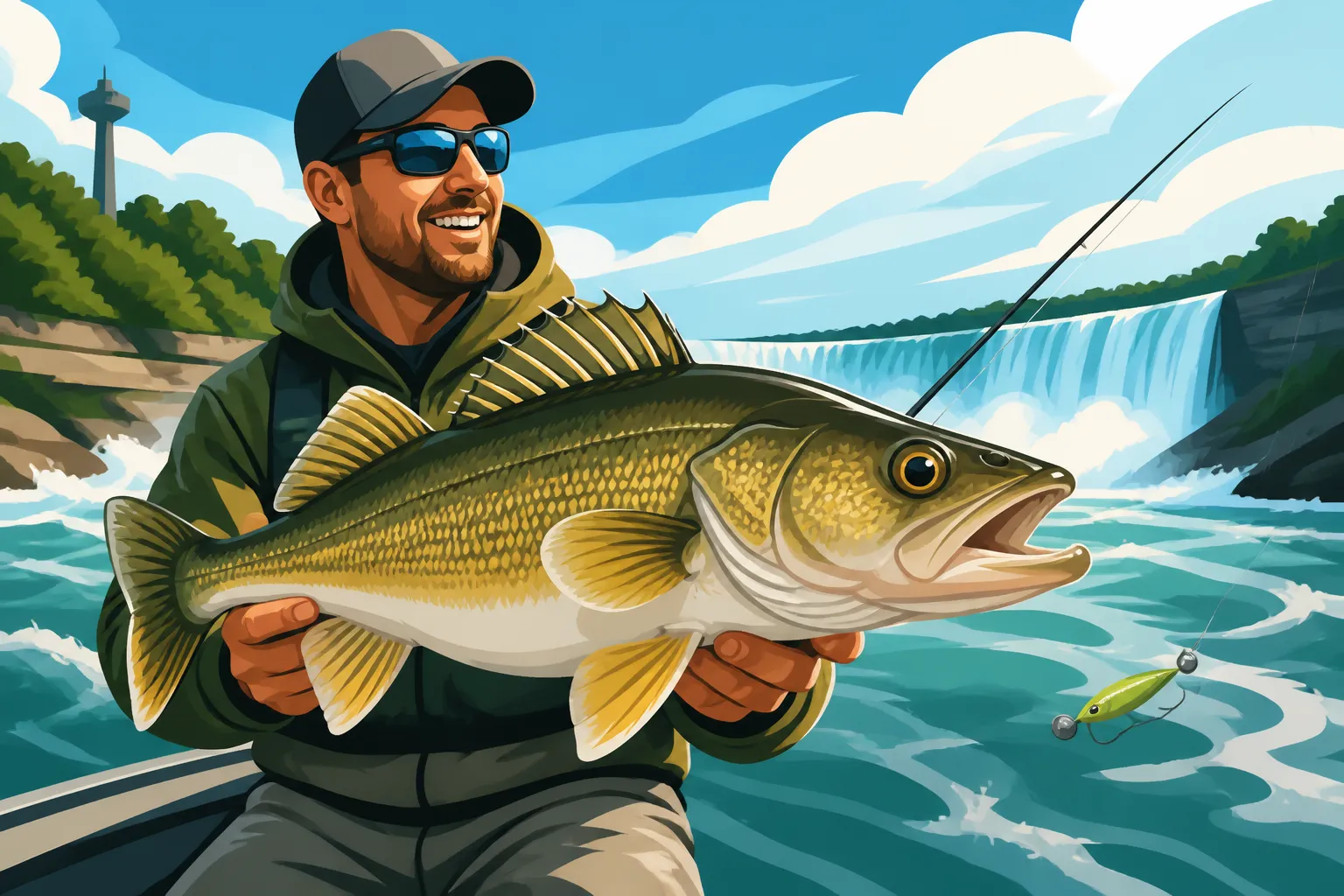
For many anglers, the mighty Niagara River brings to mind images of roaring falls, powerful currents, and perhaps even white sturgeon, but a true hidden gem for freshwater fishing in Ontario is its incredible walleye population. If you've been frustrated trying to find reliable walleye spots or felt intimidated by such a large, dynamic body of water, this guide is for you. We'll demystify Niagara River walleye fishing, offering practical advice and breaking down exactly how to target these delicious fish with confidence.
Why the Niagara River is a Walleye Haven
The Niagara River isn't just a picturesque waterway connecting two Great Lakes; it's a dynamic ecosystem that supports an incredibly robust walleye fishery, often overlooked by those who stick to traditional lakes. This river offers a unique set of conditions that make it a prime location for both numbers and trophy-sized walleye, drawing fish from both Lake Erie and Lake Ontario throughout the year.
Unique Habitat and Forage
What makes the Niagara River so special for walleye? It's all about the perfect storm of habitat diversity and abundant food sources. The river's bottom contours are incredibly varied, featuring deep channels, rocky ledges, gravel beds, and calmer eddies – all prime real estate for walleye. These different structures offer shelter from the powerful currents and ambush points for hunting. The water itself is rich in oxygen, flowing directly from Lake Erie and eventually into Lake Ontario, providing a healthy environment.
Crucially, the Niagara River is teeming with forage fish. Gobies, shiners, smelt, and various panfish species are plentiful, offering a year-round buffet for hungry walleye. This consistent and diverse food supply means the walleye in the Niagara grow large and are almost always actively feeding. Anglers who learn to "read" the river and understand where these baitfish congregate at different times of the year will find success. The sheer volume of food is a major factor in why the Niagara River can produce such impressive walleye, from healthy eaters to absolute giants.
Seasonal Migrations and Abundance
One of the most exciting aspects of Niagara River walleye fishing is the distinct seasonal migrations that occur. Unlike many inland lakes where walleye might stick to general areas, the Niagara sees massive influxes of fish moving between Lake Erie and Lake Ontario. During the spring, after ice-out, huge numbers of walleye move up from Lake Erie into the Upper Niagara River to spawn. This pre-spawn and spawn period offers some of the most concentrated fishing opportunities of the year.
As the seasons progress, different segments of the river become active. Some fish will return to Lake Erie, while others will stay and feed in the river's rich waters or move down into the Lower Niagara, eventually making their way into Lake Ontario. This constant movement means the river is almost always holding a significant population of walleye, you just need to know which section to target and with what methods. Understanding these movements is key to consistent success, ensuring you're fishing where the fish are, rather than chasing ghosts.
Understanding the Niagara River's Distinct Zones for Walleye
The Niagara River is a long, powerful waterway, and it's essential to understand that not all sections fish the same. For walleye, we generally break it down into two main zones, each with its own character, challenges, and incredible fishing opportunities. You'll need different approaches, and even different gear, depending on where you decide to drop a line.
Upper Niagara River: From Lake Erie to the Falls
The Upper Niagara River stretches from the calm waters of Lake Erie down to the spectacular Niagara Falls. This section is characterized by wide, relatively calmer stretches compared to the lower river, though strong currents are still present, especially in specific channels. It’s a major migratory corridor and spawning ground for walleye coming out of Lake Erie, particularly in the spring. Key areas include the "Emerald Shiner Run" in spring, where walleye gorge themselves, and various shoals and drop-offs along the main channel.
Fishing here often involves drifting with live bait or jigging in deeper seams and troughs where walleye stage. Access is generally good, with several public boat launches around Fort Erie and Buffalo (on the U.S. side, but Canadian anglers fish the Canadian side). The depth can vary significantly, from shallow flats to channels over 30 feet deep, so a good fish finder is invaluable for identifying structure and bait balls. Remember that while the current may seem less intimidating than the lower river, it still demands respect, especially when navigating larger vessels.
Lower Niagara River: Below the Falls to Lake Ontario
Below the mighty Niagara Falls, the river undergoes a dramatic transformation. This section, often called the "Niagara Gorge," is known for its incredible depth, powerful currents, and spectacular scenery. It’s also home to a fantastic walleye fishery, particularly as fish move between the river and Lake Ontario. This stretch fishes very differently from the upper river, requiring heavier tackle and specialized techniques.
Walleye in the Lower Niagara often hold in deep, fast-moving current seams, sometimes at depths exceeding 50-80 feet. Popular spots include "The Bar" at the river mouth near Lake Ontario, and various deep pools and eddies closer to Queenston and Lewiston. Trolling with heavy weights and large crankbaits, or bottom bouncing with powerful jigs and minnows, are common and effective methods here. Shore fishing access can be more limited due to the steep gorge walls, but dedicated anglers find success from specific points. Always be aware of the extremely strong currents and the potential for rapidly changing conditions. Safety should be your absolute top priority, and checking local conditions and advisories is always a smart move.
Best Times to Target Niagara River Walleye
One of the beautiful things about walleye fishing on the Niagara River is that it truly offers opportunities throughout the entire year. While some seasons stand out as prime time, a dedicated angler can find success almost any month if they understand the fish's movements and feeding patterns. This river is a dynamic system, and the walleye respond to the changing seasons in predictable, albeit sometimes challenging, ways.
Spring Run Fever
When the ice retreats and the water temperatures begin to climb in late March and April, the Niagara River comes alive with one of the most anticipated events for walleye anglers: the spring spawning run. Massive numbers of walleye migrate from Lake Erie into the Upper Niagara River, staging in key areas before and during the spawn. This is arguably the best time to target large numbers of fish, including some absolute giants. The walleye are typically hungry after winter and aggressive as they prepare to spawn.
During this period, focus your efforts on the Upper Niagara, especially around areas with gravelly bottoms and moderate current, which make ideal spawning grounds. Jigging with soft plastics or live minnows, and drifting with three-way rigs are incredibly effective. The walleye opener date for FMZ 18 in 2026 (the Fisheries Management Zone that encompasses the Upper Niagara River) is crucial to know, as regulations can vary. You’ll often find high concentrations of boats, but the river is big enough for everyone to find their spot. Be prepared for potentially chilly weather and fluctuating water levels.
Summer Structure Fishing
As spring turns to summer, the walleye disperse from their spawning grounds, but they don't disappear from the Niagara River. Instead, they transition to deeper, cooler water and relate strongly to structure. This is when understanding the river's intricate bottom contours truly pays off. Walleye will hold in deep channels, along rock ledges, and in current seams where they can ambush passing baitfish while conserving energy.
Both the Upper and Lower Niagara hold good numbers of walleye through the summer months. In the Upper River, look for deeper flats and drop-offs. In the Lower River, the deep pools and currents become prime feeding grounds. Trolling with deep-diving crankbaits is a fantastic summer tactic, allowing you to cover vast amounts of water and present your lure at the exact depth the fish are holding. Drift fishing with live bait, such as nightcrawlers or minnows on bottom bouncers, is another productive method, especially when you're targeting specific humps or depressions. Summer fishing can be incredibly rewarding, but it often requires more effort to locate scattered fish.
Fall Feeding Frenzy
Fall on the Niagara River is another exceptional time for walleye fishing, often rivaling the spring run in terms of quality and quantity. As water temperatures begin to drop and baitfish schools migrate, walleye go on a serious feeding binge, trying to pack on weight for the upcoming winter. This feeding frenzy makes them incredibly aggressive and willing to hit a variety of presentations.
During the fall, walleye can be found throughout both the Upper and Lower Niagara, with significant movements occurring as fish prepare to either return to Lake Erie or enter Lake Ontario for the colder months. Trolling is once again a highly effective strategy, especially with larger crankbaits or spoons designed to imitate the abundant baitfish. Jigging with larger soft plastics or blade baits can also provoke aggressive strikes from active fish. Look for concentrations of baitfish on your sonar, as walleye will never be far behind. The cooler temperatures make for a pleasant fishing experience, and the vibrant fall foliage adds to the beauty of a day on the water.
Winter Warriors: Ice Fishing Potential
While the powerful currents of the main Niagara River make traditional ice fishing a non-starter, there are sheltered bays and protected areas connected to the river, particularly in the Upper Niagara, where ice fishing for walleye can be possible during exceptionally cold winters. However, caution is paramount. The river's flow can create unpredictable ice conditions, even in seemingly safe areas. Always prioritize safety and thoroughly check ice thickness before venturing out.
For those who venture to safer, ice-covered back bays or nearby protected waters fed by the Niagara system, jigging with spoons, lipless crankbaits, or live minnows through the ice can be effective. This is a much more localized and opportunistic approach to Niagara walleye than the open-water seasons. If you’re looking for a more consistent winter walleye experience, you might explore ice fishing opportunities on nearby Lake Simcoe ice fishing or other lakes known for their hardwater action. For the Niagara, think of winter walleye as a bonus if conditions allow, rather than a primary target season.
Essential Techniques and Tackle for Niagara Walleye
Fishing the Niagara River, with its powerful currents and diverse habitats, demands specific techniques and robust tackle. What works in a calm inland lake might be completely ineffective here. You need to be prepared for strong fish, deep water, and a constant battle with the current.
Jigging Strategies for River Current
Jigging is an incredibly effective technique for walleye in the Niagara River, especially when fish are concentrated in specific areas or holding tight to structure. The key is to use enough weight to get your jig down to the bottom and stay there, even in the current. This often means heavier jigs than you might use elsewhere – think 3/8 oz to 1 oz or even more, depending on depth and flow.
Focus on vertical jigging, allowing your boat to drift slowly with the current, or anchoring strategically above a known walleye hotspot. Popular jig styles include lead head jigs tipped with live minnows, Berkley Gulp! baits, or soft plastic swimbaits. "Snap jigging" – a sharp upward snap of the rod followed by a controlled fall – can trigger aggressive strikes. Pay close attention to your line, as bites can be subtle thumps or simply a feeling of added weight as the fish inhales your offering. Using braided line with a fluorocarbon leader can greatly enhance sensitivity and help you detect those subtle bites in the current. If you're looking to refine your approach, articles on the best jig weight for perch through the ice can provide insight into jig dynamics, even though the species and environment differ.
Trolling and Drifting for Deeper Waters
When walleye are scattered or holding in deeper, open water sections, trolling and drifting become highly productive methods. Trolling allows you to cover vast amounts of water, presenting your bait or lure to many fish until you find a concentration. In the Lower Niagara, where depths can be extreme, heavy inline weights or planer boards are often employed to get crankbaits down to the strike zone. The best crankbait colors for muskie in stained water might offer inspiration for walleye, as similar conditions can exist in the Niagara.
Drifting with the current, often using a three-way swivel rig, is another staple, particularly in the Upper Niagara. This setup typically involves a lead weight on a dropper line, a short leader to a live minnow or worm harness, and a main line to your rod. This allows your bait to tumble naturally along the bottom, mimicking injured baitfish. When drift fishing for walleye in Ontario rivers, it’s essential to manage your boat speed relative to the current to keep your presentation vertical and near the bottom. Many anglers use their trolling motor to maintain precise control while drifting, allowing them to slow down, speed up, or even hold over specific pieces of structure.
Live Bait Rigs that Produce
While artificial lures certainly catch their share of walleye, live bait often reigns supreme, especially in cooler water or when fish are finicky. Minnows, worms (especially nightcrawlers), and leeches are the go-to choices for Niagara River walleye.
- Minnow Rigs: For jigging, a lively emerald shiner or a common shiner hooked through the lips or dorsal fin is deadly. On a three-way rig, a larger minnow allowed to swim naturally is often irresistible. Consider checking out how to rig a live minnow for walleye for detailed instructions.
- Worm Harnesses: These are particularly effective when trolling or drifting. A snelled hook rig adorned with beads and spinner blades, tipped with a juicy nightcrawler, creates flash and vibration that walleye can't ignore. The scent trail is also a major attractant.
- Leeches: While perhaps less common than minnows or worms in the Niagara, leeches can be excellent bait, especially in warmer water. They are hardy and provide a tempting, wriggling presentation.
No matter the bait, always ensure it's fresh and lively. Presenting your bait naturally and near the bottom is key to enticing those hungry walleye. And remember to check the local Ontario Bag and Possession Limits by Species for walleye before you head out.
| Season | Primary Location | Recommended Techniques | Go-To Baits/Lures | Notes |
|---|---|---|---|---|
| Spring | Upper Niagara (Spawning grounds, channels) | Jigging, Drifting (three-way rig) | Live Minnows, Soft Plastics, Blade Baits | Pre-spawn and spawn concentrations, fast action |
| Summer | Deeper channels, ledges (Upper & Lower) | Trolling, Drift Fishing, Vertical Jigging | Deep-diving Crankbaits, Worm Harnesses, Live Minnows | Target specific structure, cover water |
| Fall | Throughout river (Upper & Lower) | Trolling, Jigging, Casting | Large Crankbaits, Soft Plastics, Blade Baits | Aggressive feeding, excellent trophy potential |
| Winter | Protected bays, eddies (caution!) | Ice Jigging (if safe) | Spoons, Live Minnows, Lipless Crankbaits | Limited opportunity, extreme caution needed |
Navigating the Niagara: Access Points and Boating Considerations
The Niagara River is a powerful and significant waterway, and understanding how to access it and navigate safely is just as crucial as knowing your fishing techniques. Whether you're heading out in your own boat or planning a shore-based adventure, planning is key to a successful and safe trip.
Public Boat Launches and Marinas
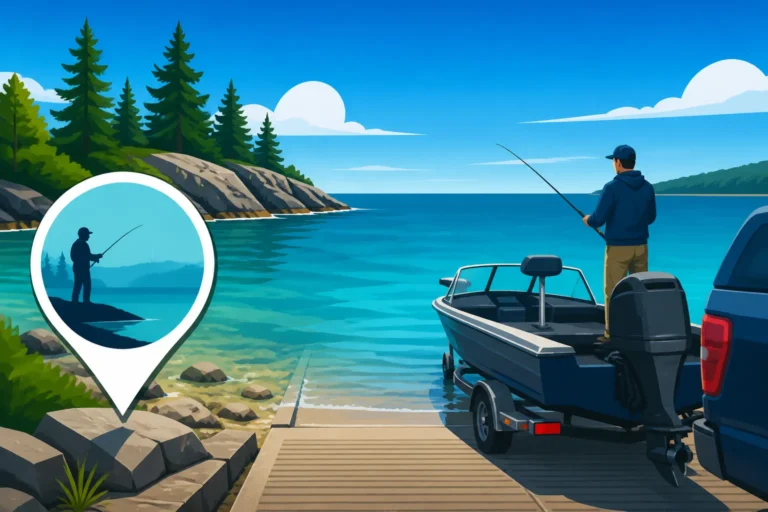
For boaters, several excellent public boat launches and private marinas offer access to both the Upper and Lower Niagara River. On the Canadian side of the Upper Niagara, you'll find launches in Fort Erie that provide direct access to the calmer, wider sections of the river. These are perfect for those targeting the spring walleye run or exploring the various channels and shoals. Marinas often offer additional services like fuel, bait, and tackle, which can be invaluable for a full day on the water.
When heading to the Lower Niagara, public launches near Queenston or Niagara-on-the-Lake provide access to this deeper, faster section. Remember that the currents here are exceptionally strong, so ensure your boat is adequately powered and you have all necessary safety equipment on board. For those visiting from out of town, or without their own vessel, consider chartering a trip with an experienced local guide. Platforms like FishingBooker can connect you with reputable local captains who specialize in Niagara River walleye fishing, providing all the gear and expertise needed for a safe and productive outing. They know the subtle nuances of the river and where to find the fish, even when they're playing hard to get.
Shore Fishing Opportunities
While the Niagara River is predominantly a boat fishery, there are definitely opportunities for shore anglers to catch walleye, especially during peak seasons. In the Upper Niagara, various parks and public access points along the shore, particularly in Fort Erie, can yield results. Look for areas where the current isn't too strong and where you can cast to deeper seams or eddies. Bridges and piers can also be productive, offering access to deeper water without a boat.
The Lower Niagara presents more challenges for shore anglers due to the steep gorge walls and rapid currents. However, dedicated spots like the Queenston Docks or designated fishing platforms near Niagara-on-the-Lake can offer excellent access. These areas are often popular, so arrive early, especially during the spring and fall runs. Remember to dress for the weather, as conditions can change rapidly, and be prepared for a fight, as river walleye are incredibly strong. Always prioritize your safety, staying well clear of fast-moving water and slippery banks.
Safety First: Rapids and Current Awareness
The Niagara River, in all its glory, is an incredibly powerful body of water. Safety should always be your number one priority, especially when boating. The currents, particularly in the Lower Niagara Gorge, are legendary for their strength and can be unforgiving. Even in the seemingly calmer Upper Niagara, certain channels and pinch points have very swift flows.
- Life Jackets: It's not just a recommendation, it's a legal requirement to have appropriate life jacket requirements for Ontario boaters for every person on board, and it's highly advised to wear them at all times.
- Boat Preparedness: Ensure your boat is in excellent mechanical condition, with sufficient fuel, a reliable engine, and a backup plan (like an auxiliary motor). Navigation lights are crucial for early morning or late evening fishing.
- Weather Monitoring: The weather on the Great Lakes can change quickly, impacting river conditions. Always check the forecast before you go and be prepared to head in if conditions deteriorate.
- Pleasure Craft Operator Card: If you're operating a motorized boat, having your Ontario Pleasure Craft Operator Card Requirement is essential and legally mandated.
- Local Knowledge: If you're unfamiliar with the river, consider hiring a guide through services like FishingBooker for your first trip. Their intimate knowledge of the currents, depths, and potential hazards is invaluable. Alternatively, consult detailed charts and maps, and learn how to use your electronics to understand the underwater topography.
Respecting the river's power will ensure you have a safe and enjoyable walleye fishing experience.
Regulations and Conservation for Niagara Walleye
Fishing in a transboundary waterway like the Niagara River means navigating specific regulations designed to manage the shared resource between Ontario and New York State. It’s crucial for anglers to understand and adhere to these rules, not only to avoid penalties but also to contribute to the sustainable future of this fantastic walleye fishery.
Understanding Zone 20 Rules
The Niagara River falls under Ontario Fisheries Management Zones, Explained, specifically within FMZ 20. This zone has particular regulations regarding season dates, catch limits, and size restrictions for various species, including walleye. These regulations are designed to protect spawning fish and ensure a healthy population for years to come.
Before every trip, make it a habit to consult the current Ontario Fishing Regulations Explained summary. This document will outline the specific open season for walleye in FMZ 20, as well as the daily catch and possession limits. For example, there might be a slot limit for walleye, meaning fish within a certain size range must be immediately released. These rules can change from year to year, so relying on old information is a recipe for trouble. Being informed is part of being a responsible angler.
Catch and Release Best Practices
Given the Niagara River's importance as a walleye fishery, many anglers practice catch and release, especially for larger, older fish that are vital to the spawning population. Even if you plan to keep a legal limit for a meal, understanding proper catch and release techniques minimizes stress and injury to fish you intend to release.
- Minimize Fight Time: Bring the fish in quickly to reduce exhaustion.
- Handle with Care: Wet your hands before touching the fish to protect its slime coat. Avoid squeezing its belly or gills.
- Appropriate Tools: Use a large, knotless rubber landing net to support the fish. Employ needle-nose pliers or a de-hooking tool to remove hooks quickly and gently. If the hook is deeply embedded, cut the line as close to the hook as possible rather than tearing tissue.
- Revive Carefully: If the fish is lethargic, hold it upright in the water, facing into the current, until it regains its strength and swims away on its own.
Responsible angling practices, including adherence to regulations and careful catch and release, ensure that the Niagara River remains a world-class walleye destination for generations of anglers. Remember, fishing without a license in Ontario: Penalties can be severe, so always have your valid Outdoors Card and fishing license with you. You can easily check license information by exploring resources on the Ontario Fishing License Guide for 2026 page.
Disclaimer
The information provided in this guide is for general informational purposes only and is subject to change. Fishing regulations, season dates, and conditions on the Niagara River can vary. Always consult the most current Ontario Fishing Regulations Summary and relevant local authorities before planning any fishing trip. Safety on the water is paramount; exercise caution and be aware of your surroundings, especially regarding strong currents and rapidly changing weather conditions.