Best night fishing spots for walleye in Ontario
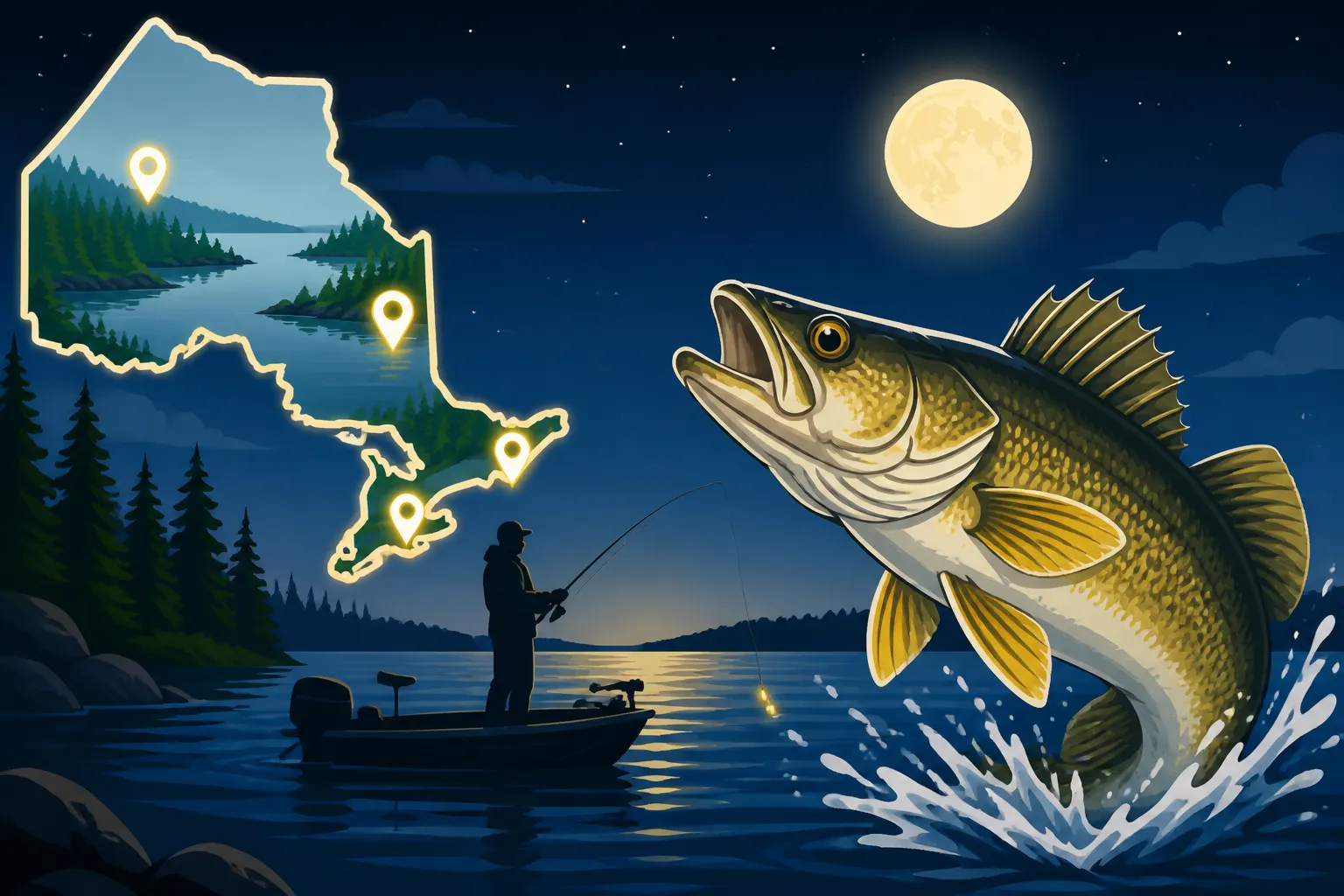
Finding those elusive walleye can be a real challenge during the day, especially when they retreat to deeper, cooler waters to avoid the bright sun and boat traffic. Many anglers pack it in when the sun sets, completely missing out on some of the most exhilarating walleye action Ontario has to offer. This comprehensive guide will illuminate the best strategies and locations for targeting walleye under the cover of darkness, helping you transform frustrating daytime outings into memorable nocturnal triumphs.
Why Walleye Love the Night: Understanding Their Nocturnal Habits
Walleye are fascinating fish, and understanding their behavior is key to consistently putting them in the net. Unlike some species that become less active after dark, walleye often become more active, especially for feeding. It’s not just a preference; it’s a survival strategy tied deeply to their biology.
Adapting to Low Light Conditions
One of the most significant reasons walleye thrive at night is their incredible eyesight. Walleye have a reflective layer in their eyes called the tapetum lucidum, which acts like a built-in night vision enhancer. This allows them to gather more light in low-light conditions, giving them a distinct advantage over most baitfish, which lack this specialized adaptation. Think of it like a superhero vision for murky waters or moonless nights. While you're fumbling in the dark, the walleye is seeing its prey silhouetted against the fainter light, making it an incredibly efficient predator after sunset. This advantage is precisely why "Night Fishing for Walleye in Ontario" can be so rewarding; you're playing to their strengths.
Predator and Prey Dynamics at Sundown
As the sun dips below the horizon, a dramatic shift occurs in the underwater world. Baitfish, often visible and vulnerable during daylight hours, seek refuge in shallower, weedier areas or deeper structure. However, walleye, with their superior night vision, use this twilight period and the ensuing darkness to their advantage. They move out from their daytime hiding spots – often deep breaks, rock piles, or cool thermoclines – and actively hunt in shallower feeding flats, along shorelines, or near current breaks where baitfish might be congregating. This means that a spot that was dead during the day might explode with activity once the stars come out. They become far less cautious, more aggressive, and more willing to chase down a meal. This predatory shift is why many seasoned anglers consider the hours between dusk and dawn the prime "Best Time of Day to Catch Walleye."
Characteristics of Prime Night Walleye Spots in Ontario
Identifying where walleye will be feeding at night is crucial, and it often differs from their daytime haunts. Instead of just deep structure, you're looking for transition zones and areas where baitfish feel vulnerable.
Access to Shallow Feeding Flats and Drop-offs
The best night walleye spots in Ontario almost always feature a nearby shallow feeding flat or a gradual drop-off. Walleye are ambush predators at night, moving from deeper water onto these shallower shelves to hunt baitfish that come up to feed on insects or seek warmer water. Look for areas with a mix of gravel, sand, and even some scattered weeds adjacent to deeper channels or basins. Points and humps that top out in 10-20 feet of water, but are surrounded by much deeper water, are classic spots. These act like underwater highways, allowing walleye to move up to feed and quickly retreat to safety if needed. For instance, on a massive body of water like Lake Erie, a popular fishing spot, understanding these nuances is essential for success.
Proximity to Current and Structure
Current is a walleye magnet, day or night. Moving water concentrates baitfish and provides a steady supply of oxygen and food. At night, walleye will often stage just out of the main current, in eddies or current seams, waiting for unsuspecting prey to be swept by. Think about river mouths, narrows between lakes, or even constricted areas within larger lakes. Bridges and causeways are also fantastic for creating current breaks and attracting baitfish with their lights (if any are present).
Beyond current, significant underwater structure that offers ambush points is key. This could be anything from sunken islands, submerged rock piles, and distinct weed lines to old cribs or brush piles. These structures give walleye places to hide and launch their attacks. Using your sonar effectively, even during the day, to mark these spots, especially drop-offs and humps, will greatly improve your chances at night. For example, knowing "Best sonar settings for finding structure on Lake Nipissing" can translate directly to better night fishing results by helping you pinpoint these key underwater features.
Top Ontario Lakes and Rivers for Nocturnal Walleye Angling
Ontario is blessed with countless incredible walleye fisheries, and many of them offer fantastic opportunities after dark. While almost any walleye lake can be good at night, some truly stand out.
Lake Erie: The Walleye Factory After Dark
Lake Erie is often referred to as a walleye factory, and for good reason. Its immense size and vast populations of baitfish (like smelt and emerald shiners) create an ideal environment for walleye to thrive, especially at night. The sheer abundance of fish means that when they turn on after dark, the action can be furious. Key areas to focus on for night walleye fishing on Lake Erie include the deeper flats and ledges off popular ports like Port Clinton (though that's Ohio, the principles apply to Ontario's side like Port Stanley or Port Colborne) and along the north shore near areas with subtle structure or current breaks.
Anglers often troll crankbaits or drift jigging spoons over these areas. The "Best walleye spots on Lake Erie" during the day often transition into excellent night spots, especially if they involve large, relatively shallow flats adjacent to deeper water. Don't be surprised to see other boats out there after sunset, as its reputation for night fishing is well-earned. When planning a trip, a service like FishingBooker can help you connect with local charters that specialize in night walleye trips on Lake Erie, ensuring you tap into expert knowledge for this vast body of water.
Lake Nipissing: Northern Gem for Night Bites
Lake Nipissing, a large, relatively shallow lake in Northern Ontario, is another legendary walleye destination that truly shines after dark. Its expansive flats, numerous islands, and varied bottom content create perfect nocturnal hunting grounds. Walleye here are known for moving onto shallow shoals and weed edges to feed throughout the night. Areas like the South Bay, West Arm, and around the Manitou Islands are particularly productive.
Target depths can range from as little as 5 feet to 20 feet, often concentrating around the edges of weed beds or rocky humps. Jigging with minnows or soft plastics, or slowly trolling shallow-diving crankbaits, can be incredibly effective. The walleye on Nipissing are often aggressive, and the cooler night air makes for a peaceful and often bug-free fishing experience. Many "Best Walleye Spots on Lake Nipissing" are even better when the sun goes down.
Bay of Quinte: World-Class Night Walleye Trophy Potential
The Bay of Quinte, an arm of Lake Ontario near Belleville, is famous for its truly giant walleye. While it's a phenomenal fishery all season, night fishing here, particularly in the fall, offers the best chance at a true trophy. The walleye in the Bay of Quinte key in heavily on alewives, and as these baitfish move, so do the walleye.
Night trolling with large minnow-imitating crankbaits is the go-to technique here. Look for depths between 15-30 feet along defined breaks and channels, especially those with current or areas where baitfish are schooling. The "Bay of Quinte Walleye Fishing" scene thrives on this nocturnal pursuit, and many dedicated anglers spend countless hours under the stars in pursuit of a personal best. The sheer size of the walleye caught here makes the effort well worth it.
Other Notable Night Walleye Fisheries
While Erie, Nipissing, and Quinte are heavy hitters, many other Ontario waters offer fantastic night walleye fishing. The French River, with its complex system of channels and diverse structure, offers excellent opportunities, particularly in its wider sections where current breaks and shallow flats are present. Smaller, less pressured inland lakes with good walleye populations can also provide incredible night action, especially during warmer summer months when daytime activity slows. Always remember to check the specific "Ontario Fishing Regulations Explained" for the zone you're fishing, as rules can vary.
Essential Gear and Tactics for Successful Night Walleye Fishing
Night fishing for walleye isn't just about showing up after dark; it requires specific gear and adjusted tactics to maximize your success and ensure safety.
Lighting and Safety First
When fishing at night, safety is paramount. Always inform someone of your plans, including your location and estimated return time. Good lighting is essential. A reliable headlamp with both a white and a red light option is a must. The red light helps preserve your night vision while still providing enough illumination for tying knots or handling fish. Lanterns or portable boat lights are also useful for illuminating your fishing area without blinding yourself. For boaters, ensure all required navigation lights are functional and properly displayed. Moreover, keeping a whistle, a buoyant heaving line, and an appropriate number of life jackets, such as those meeting "Life Jacket Requirements for Ontario Boaters", on board is non-negotiable.
Stealth and Presentation
Walleye can be surprisingly spooky, even at night. Loud noises, bright lights, or excessive commotion on the boat can easily send them scattering. Maintain a low profile, minimize noise, and use your lights sparingly. When presenting your bait or lure, focus on slow, methodical retrieves. At night, walleye often rely more on their lateral line to detect vibrations than their vision, so lures with a good thumping action or a slow, undulating movement can be highly effective.
For active presentations, jigging with scented soft plastics like Berkley Gulp! or live bait (minnows are king for walleye) is a perennial favorite. For trolling, crankbaits that dive to the appropriate depth for the structure you're targeting are essential. Many anglers find success with dark-colored lures on moonless nights, as they create a strong silhouette against the faint sky, while brighter colors or glow-in-the-dark options can be effective on clear or moonlit nights. Remember, "How to Catch Walleye in Ontario" often boils down to adapting your presentation to the conditions.
Popular Night Walleye Baits and Lures
Walleye, regardless of the time of day, are predators that respond well to presentations that mimic their natural forage. At night, this often means capitalizing on their enhanced low-light vision and their reliance on vibration.
- Jigs with Soft Plastics/Live Bait: A simple jig head tipped with a live minnow, a salted shiner, or soft plastic paddle tail is incredibly effective. The thumping action of a jig on the bottom, combined with the scent or profile, is hard for a hungry walleye to resist. Slowly drag or hop your jig along drop-offs and flats.
- Crankbaits: Trolling or casting crankbaits is a go-to for many night anglers. Shallow-diving models like the Rapala Shad Rap, Berkley Flicker Shad, or Livingston Lures, with their strong vibration and wounded baitfish action, are excellent choices. Experiment with different sizes and dive depths to match the forage and depth you're fishing. For specific recommendations, you might find "Best Walleye Lures for Lake Erie in Summer" helpful, as many of these are also effective at night.
- Blade Baits: Lures like the Heddon Sonar or Johnson ThinFisher emit strong vibrations and flashes as they are jigged, making them excellent for attracting walleye in dark conditions.
- Hair Jigs: Don't underestimate the subtle appeal of a hair jig, especially in clear water. Their natural breathing action can be irresistible to finicky walleye.
Comparison of Popular Night Walleye Lures
| Lure Type | Primary Action | Ideal Depth | Best Conditions | Pros | Cons |
|---|---|---|---|---|---|
| Jigs (Soft Plastic/Live) | Erratic hop, drag, subtle vibration | Bottom to mid-water | All, especially rocky bottom, current breaks | Versatile, great feel, works well with scent, highly effective | Can get snagged easily, slower to cover water |
| Crankbaits | Wobble, rattle, diving action | Shallow to deep | Open water, trolling over flats/breaks | Covers water quickly, good vibration, wide range of dive depths | Less direct bottom contact, can be expensive to lose |
| Blade Baits | Strong vibration, flash | Mid-water to deep | Vertical jigging, strong current | High vibration attracts from afar, good for marking fish on sonar | Can be tiring to retrieve, limited casting distance |
| Hair Jigs | Subtle breathing, natural flow | Bottom to mid-water | Clear water, finicky fish, light current | Extremely natural presentation, can entice cautious fish | Harder to feel subtle bites, less vibration |
Leveraging Technology and Local Knowledge
Even in the dark, modern technology can be your friend. GPS units and mapping software are invaluable for navigating safely and returning to specific waypoints (like that productive rock pile you found during the day). Your fish finder can still provide crucial information, showing baitfish schools, bottom contours, and even individual walleye. Just be mindful of the screen brightness.
Local knowledge, however, is often the most potent tool. Consider hiring a guide for a night trip, especially on a new lake. Services like FishingBooker can help you find experienced local guides who know the ins and outs of "How to Catch Walleye at Night on Lake Erie" or any other major Ontario fishery. They can show you the ropes, share specific hotspots, and teach you the nuances that only years on the water can provide. This can dramatically shorten your learning curve and make your first night fishing experiences more successful and enjoyable.
Disclaimer
Fishing laws and regulations are subject to change. Always consult the most current Ontario Fishing Regulations Summary before heading out on the water. This guide is for informational purposes only and does not constitute legal advice. Adherence to all local, provincial, and federal regulations is the angler's sole responsibility.