Differences between Ontario’s lake and river fish populations
Ontario lake and river fish populations differ because of water flow, stratification, and habitat diversity found in places like Lake Huron.
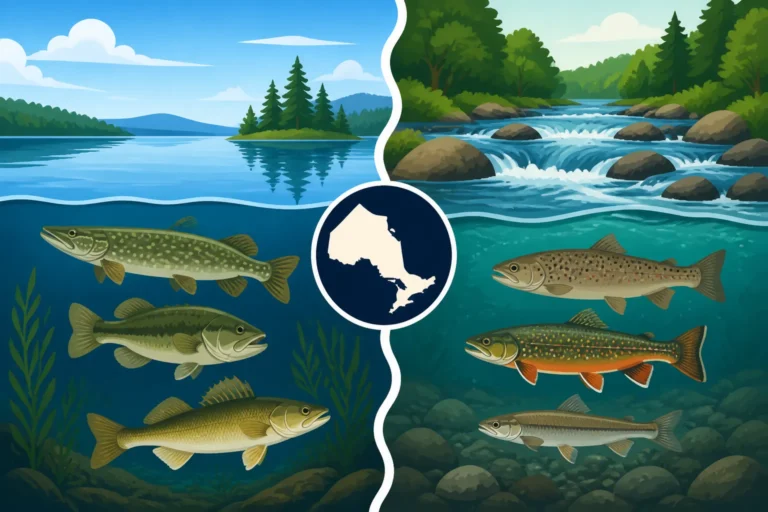
Ontario lake and river fish populations differ because of water flow, stratification, and habitat diversity found in places like Lake Huron.
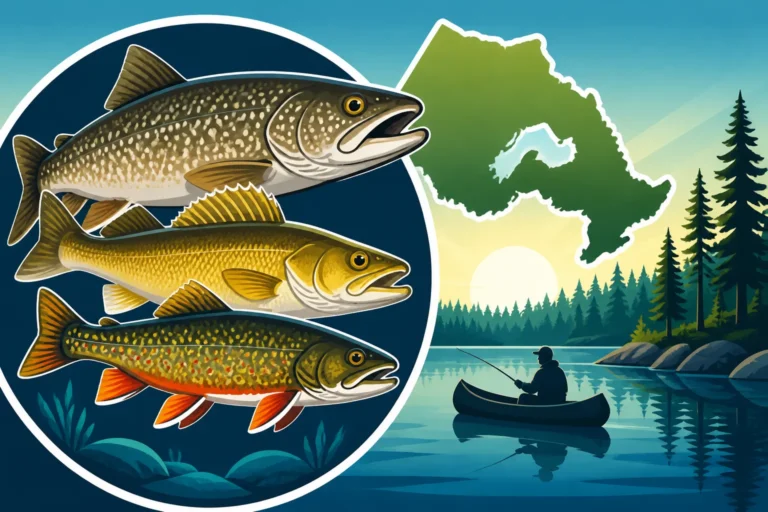
Northern Ontario Crown land lakes provide remote, undisturbed habitats for wild fish populations like the pristine brook trout.
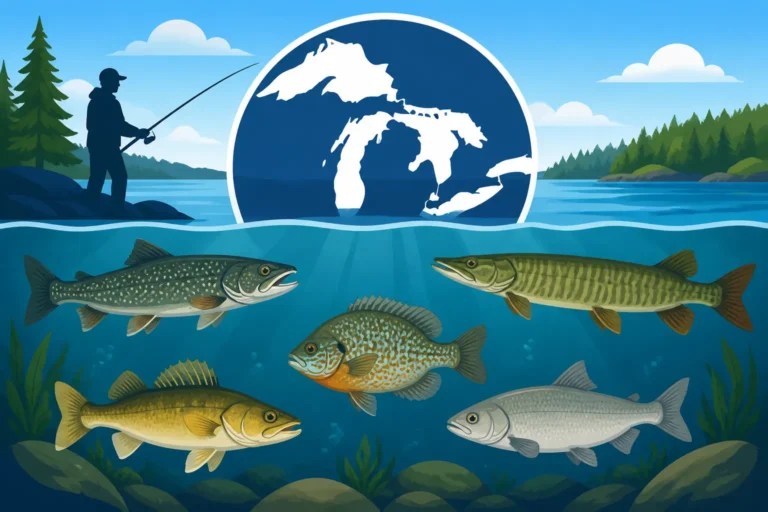
Ontario Great Lakes fish species include endemic deepwater sculpin and ciscoes adapted to deep, cold freshwater ecosystems.

Ontario redside dace physical identification traits and provincially protected status for anglers and stream conservation.
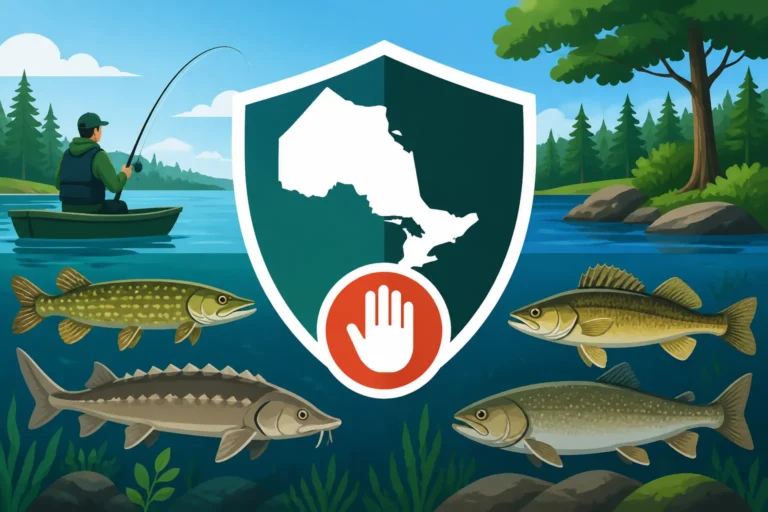
Endangered fish species in Ontario face threats like habitat loss and invasive species, requiring special protection from anglers.
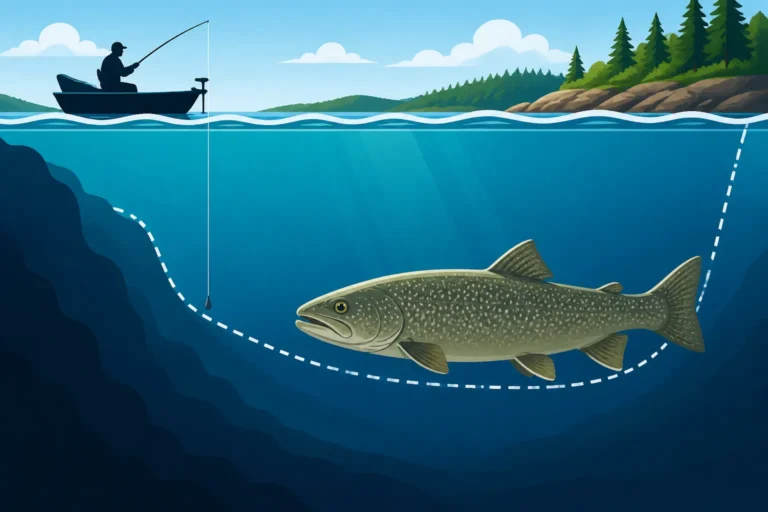
Ontario lake trout summer depths, thermal stratification, and dissolved oxygen levels explained for anglers locating fish.
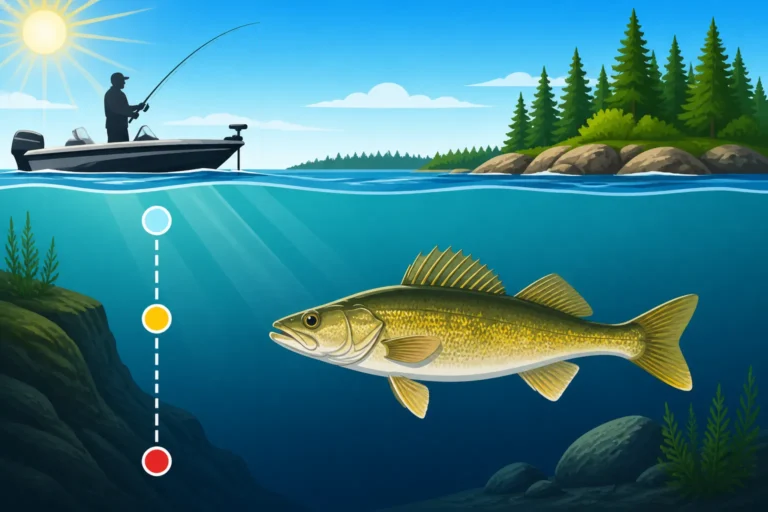
Summer walleye depth in Ontario lakes explained through water temperature, light sensitivity, and thermocline locations ranging from 15 to 40 feet.
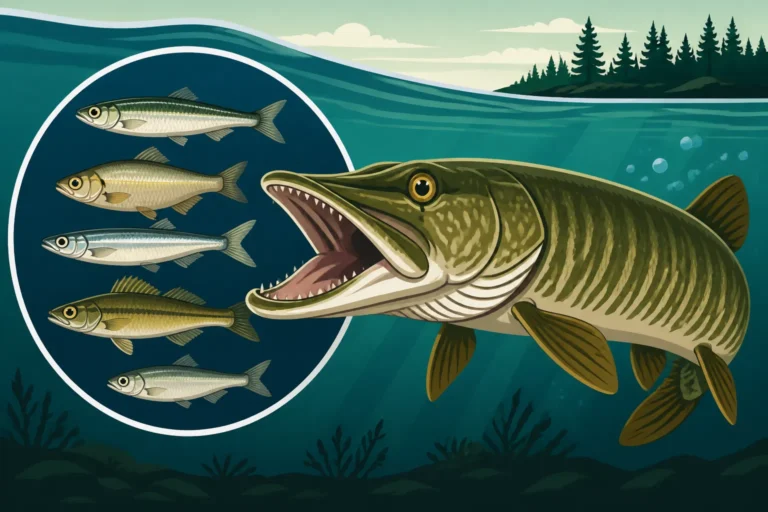
Ontario muskie feeding habits explain how ciscoes and suckers provide the primary prey for these apex freshwater predators.
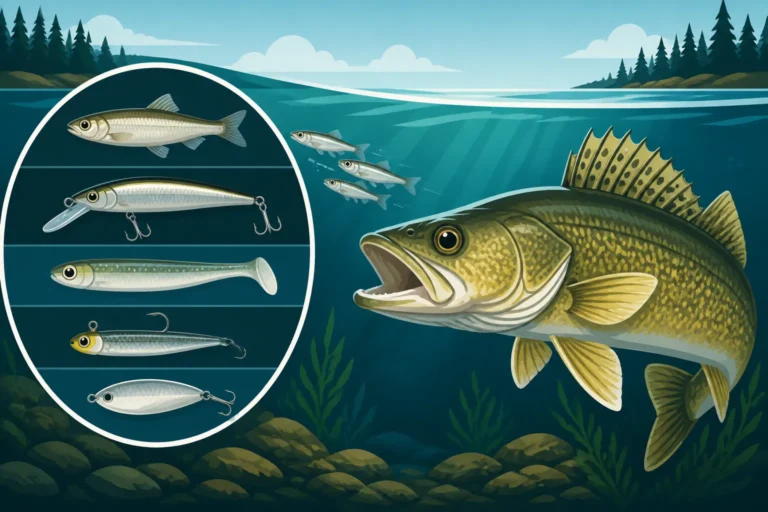
Ontario walleye baitfish species and artificial lures that imitate minnows, perch, and smelt for fishing success in Lake Erie.
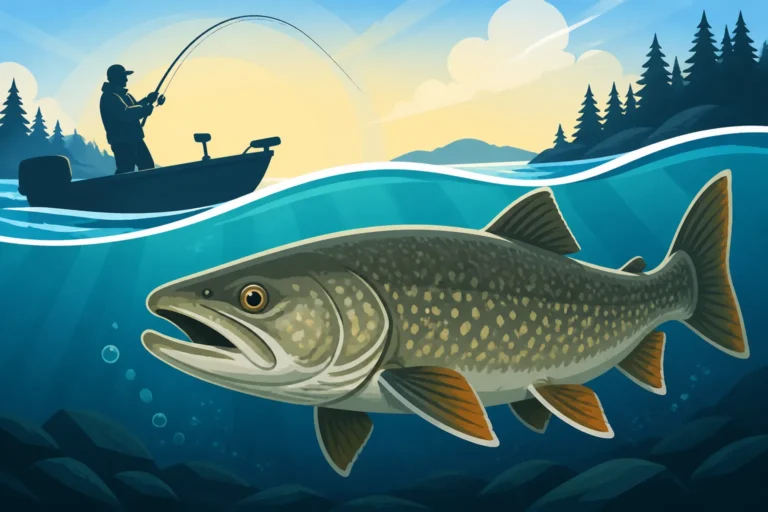
Giant lake trout thrive in deep, cold, oxygen-rich Ontario wilderness waters containing abundant cisco and whitefish forage.