Fish species unique to Northern Ontario’s Crown land lakes
For many anglers, the dream of escaping the crowds and finding truly wild fish feels increasingly out of reach. It's a real frustration when every accessible lake seems to have seen countless lines, and the fish feel pressured. But let me tell you, Northern Ontario's vast network of Crown land lakes still offers incredible opportunities to connect with species that thrive in these pristine, untouched environments. This guide will take you deep into understanding what makes these waters special and introduce you to the unique fish species that call them home.
Understanding Northern Ontario's Crown Land Lakes
Northern Ontario is a mosaic of dense forests, ancient rock formations, and countless lakes, many of which lie within "Crown land." This isn't your average provincial park or private cottage country; Crown land is generally undeveloped public land managed by the province. It's wild, it's vast, and it’s where some of the most authentic fishing experiences still exist. The sheer remoteness and lack of infrastructure are precisely what help these lakes maintain their unique character and foster thriving populations of specific fish species.
What Makes Crown Land Lakes Special for Fish?
Imagine a lake where the only sounds you hear are the dip of your paddle, the cry of a loon, or the rustle of wind through the pines. That's often the reality on a Crown land lake. These waters are typically less impacted by human activity compared to more accessible areas. This means less pollution, minimal development along the shorelines, and often, fewer anglers. The ecosystems are more stable, allowing native fish populations to flourish without the constant pressure of overfishing or habitat degradation. The water quality is often exceptionally high, and natural food sources are abundant, leading to healthier, more robust fish. It’s an environment that truly supports species that prefer cooler, cleaner, and undisturbed conditions. For anglers, this translates into a chance to encounter fish that exhibit more natural behaviours and fight with an untamed vigor you just don't find everywhere.
The Challenge of Remoteness and Accessibility
While the allure of untouched waters is strong, getting to these Crown land lakes is often an adventure in itself. Many require portages, bush plane flights, long drives down gravel roads, or even multi-day canoe trips to reach. There are no paved boat launches, no marinas, and certainly no corner stores. This inherent difficulty acts as a natural filter, keeping angler pressure low and preserving the wildness of the fishery. It means you need to be self-sufficient, prepared for anything, and comfortable with navigating wilderness. The payoff, however, is immense: a sense of solitude and accomplishment, and the knowledge that you are fishing waters that few others ever reach. You'll need to plan meticulously, ensuring you have reliable gear, navigation tools, and safety equipment, which you can often find readily on platforms like Amazon if your local tackle shop doesn't carry specialized wilderness items. Understanding Ontario Boating Laws for Anglers is also critical, even if you're only using a canoe or kayak.
Unique Fish Species and Their Habitats
When we talk about "unique" species in Northern Ontario's Crown land lakes, we're often referring to fish that thrive specifically in these undisturbed, cold-water environments, or that represent the purest genetic strains of their kind. These aren't necessarily species found only in these lakes, but rather species for which these remote, pristine conditions provide an optimal, often protected, habitat where they can grow large and remain truly wild.
The Pristine Brook Trout (Salvelinus fontinalis)
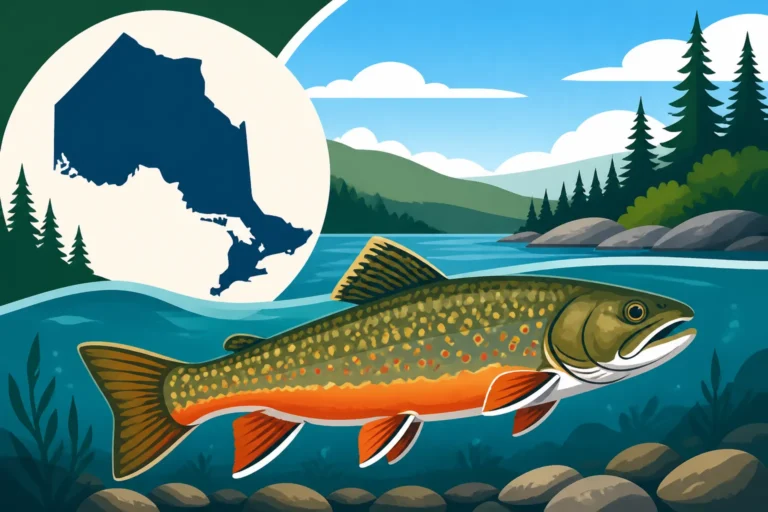
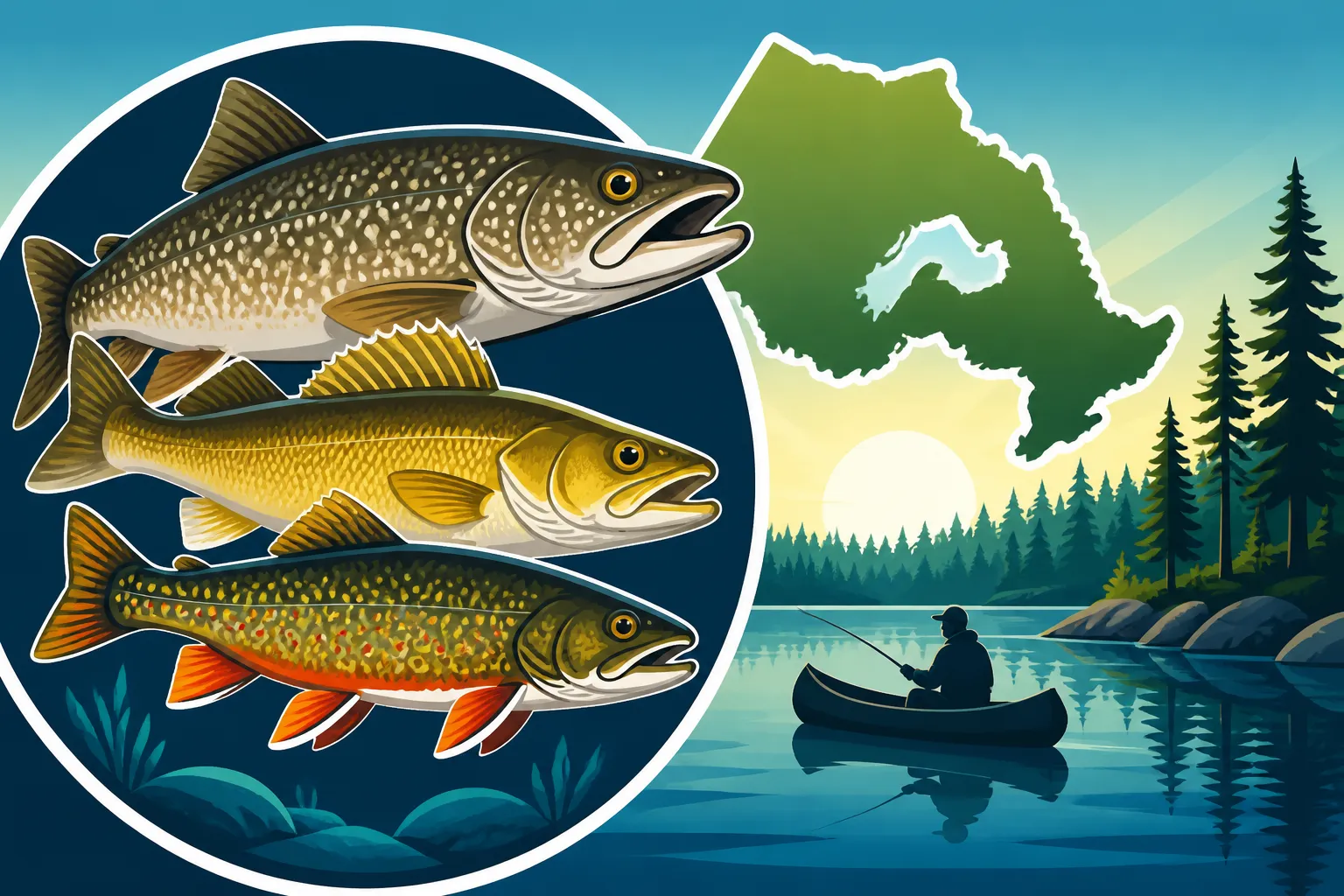
Ah, the brook trout! For many, this is the crown jewel of Northern Ontario's remote waters. While brook trout are found across much of Ontario, it's in the isolated Crown land lakes and connecting streams of the north that you'll find some of the most vibrant, naturally reproducing populations of wild brook trout. These fish are true indicators of water quality and thrive in cold, oxygen-rich environments. The colours of a wild brook trout – deep green marbled with vermiculation, bright red spots haloed in blue, and brilliant white leading edges on its fins – are nothing short of breathtaking.
They are notoriously wary, making them a challenging but incredibly rewarding catch. You'll often find them in lakes with rocky structures, submerged logs, and areas where springs feed into the lake, keeping the water extra cool. Fishing for them often involves stealthy approaches, careful casting, and a deep appreciation for the subtle nuances of their habitat. They are often less common in heavily fished areas, but in Crown land lakes, they can be abundant and grow to impressive sizes, offering a truly special experience for anglers. For more on this iconic species, dive into Brook Trout in Ontario's Crown Land Lakes.
Native Lake Trout (Salvelinus namaycush)
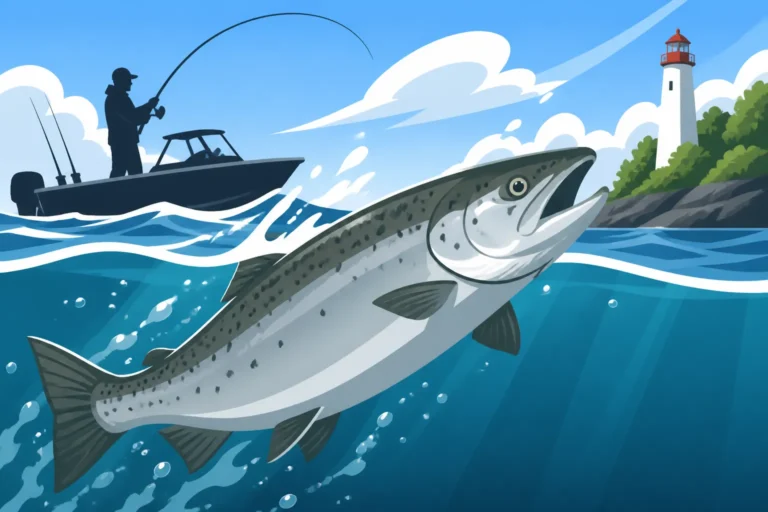
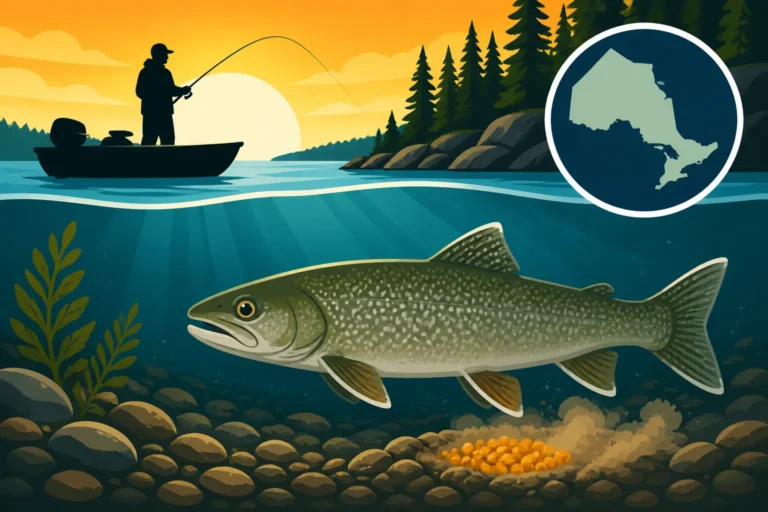
Another iconic cold-water species that truly defines many Northern Ontario Crown land lakes is the lake trout. These ancient fish are perfectly adapted to the deep, cold, and clear waters characteristic of these remote lakes. Unlike their relatives found in some larger, more accessible lakes that might see heavy angling pressure, the lake trout in Crown land lakes often represent native, self-sustaining populations that have been there for millennia. They are apex predators, growing to substantial sizes, and their pursuit can be a deep-water game of patience and skill.
Lake trout prefer the deepest, coolest parts of the lake, especially during the warmer months. Look for them around underwater reefs, steep drop-offs, and deep basins. Their colouring can vary greatly depending on the lake, from silvery-grey to dark green, often mottled with lighter spots. Landing a big, wild lake trout from a remote northern lake is an experience that stays with you forever. It's a testament to the health of the ecosystem and the resilience of these magnificent fish. Understanding Lake Trout Fishing in Ontario can greatly enhance your success.
Identifying Other Unique Inhabitants
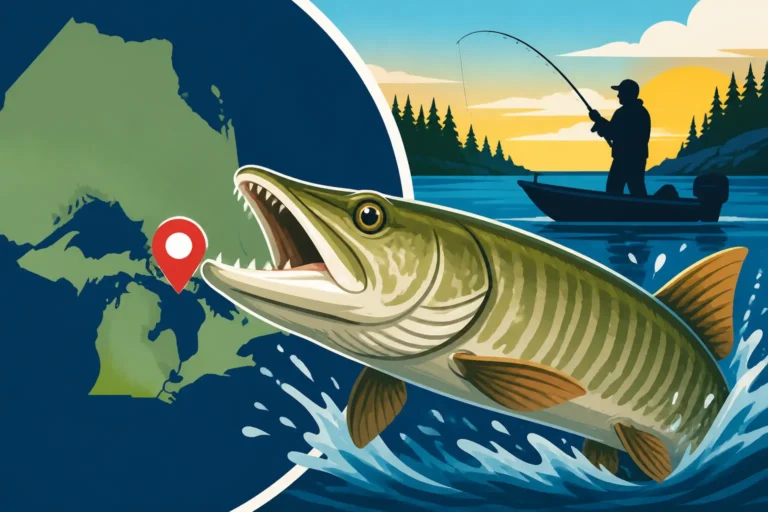
While brook trout and lake trout are often the stars of Northern Ontario's Crown land lakes, these pristine environments also host other species that thrive in the quiet, undisturbed settings. You might encounter healthy populations of northern pike, particularly in shallower bays and weedy areas of these lakes. Pike in these remote waters often grow to impressive sizes due to abundant forage and less fishing pressure. Their aggressive strikes and powerful fights make them a thrilling catch.
Another common resident is the yellow perch, which, while widespread, can be found in large, healthy schools in Crown land lakes, serving as a vital food source for larger predators and a fun target for panfish anglers. Sometimes, if the lake has a connection to larger river systems, you might even find populations of walleye in these remote settings, although they are generally more associated with larger, more fertile systems. The key "uniqueness" here isn't necessarily species exclusivity, but rather the opportunity to encounter these fish in their most natural, undisturbed state, often reaching sizes and exhibiting behaviours rarely seen in more developed areas. Remember to check Ontario Bag and Possession Limits by Species for specific regulations before heading out.
| Fish Species | Preferred Habitat (Crown Land) | Key Characteristics | Best Fishing Season | Typical Size (Crown Land) |
|---|---|---|---|---|
| Brook Trout | Cold, clear, oxygenated lakes; spring-fed areas, rocky cover | Vibrant colours, vermiculation, white-edged fins | Spring, Early Summer, Fall | 10-20 inches, larger specimens exist |
| Lake Trout | Deep, cold, clear lakes; underwater reefs, steep drop-offs | Powerful, silvery to dark green, mottled spots, large mouth | Spring, Late Fall (surface); Summer (deep) | 20-30 inches, trophy fish common |
| Northern Pike | Shallow, weedy bays, submerged timber, slower moving water | Long, slender body, duckbill snout, sharp teeth, aggressive | Spring, Summer, Fall | 25-40 inches, sometimes larger |
| Yellow Perch | Weedy margins, open water schools, structure | Golden yellow, dark vertical bars, spiny dorsal fin | All year, especially winter (ice fishing) | 8-12 inches, robust schools |
Conservation and Sustainable Angling Practices
The very reason these Northern Ontario Crown land lakes hold such special appeal is their pristine nature. This comes with a significant responsibility for anglers to protect and preserve these fragile ecosystems. Unlike managed, stocked lakes, these wild fisheries rely entirely on natural reproduction and the delicate balance of their environment. Sustainable practices aren't just a suggestion here; they are essential for ensuring these unique fishing opportunities remain for future generations.
Protecting Fragile Ecosystems
When you venture into a Crown land lake, you're stepping into a wilderness that has largely escaped human impact. This means the ecosystems are more sensitive and less resilient to disturbance. It's crucial to practice Leave No Trace principles, which go far beyond just packing out your trash. This includes minimizing your footprint on shorelines, avoiding the introduction of invasive species (always clean your boat and gear!), and being mindful of campfires. The remoteness also means that any damage you cause might not be discovered or remedied for a very long time.
Consider the impacts of your fishing methods. Excessive bait use can introduce foreign elements, and careless handling of fish can reduce their chances of survival. Being an ethical angler in these delicate environments means thinking about the long-term health of the lake and its inhabitants. The solitude and beauty of these places are a gift, and it's our duty to treat them with the utmost respect. Always be aware of Ontario Fishing Regulations Explained before you go.
Catch-and-Release and Respectful Fishing
For many of the unique species found in Northern Ontario's Crown land lakes, particularly brook trout and lake trout, practicing catch-and-release is highly recommended, especially for larger breeding fish. These wild populations grow slowly, and large fish are vital for healthy reproduction. If you do choose to keep fish, always adhere strictly to the Ontario Bag and Possession Limits by Species for your specific Fisheries Management Zone. It's not about what you can do, but what you should do to maintain the quality of the fishery.
When practicing catch-and-release, handle fish with wet hands, minimize their time out of the water, and use appropriate tools like de-hookers to ensure a quick and clean release. Using barbless hooks can also significantly reduce stress and injury to the fish. The goal is to return the fish to the water in the best possible condition, allowing them to continue contributing to the ecosystem. Respectful fishing also means being mindful of other anglers, even if they're few and far between, and not disclosing exact locations of particularly sensitive or productive spots publicly.
Planning Your Crown Land Fishing Adventure
A trip to a Northern Ontario Crown land lake isn't just a casual outing; it's an expedition that requires careful planning and preparation. The rewards are absolutely incredible – those moments of pure wilderness fishing are priceless – but being unprepared can quickly turn a dream trip into a nightmare. Think of it as an investment in a truly unforgettable experience, both in terms of gear and knowledge.
Essential Gear for Remote Trips
Since you'll likely be far from any amenities, your gear needs to be robust, reliable, and multi-functional. Beyond your standard fishing rods and tackle, here's what you'll need to consider:
- Navigation Tools: A reliable GPS device (with extra batteries!), paper maps, and a compass are non-negotiable. Cell service will be non-existent.
- Safety Equipment: A comprehensive first-aid kit, a satellite messenger or personal locator beacon (PLB) for emergencies, fire-starting supplies, and emergency shelter are paramount. Make sure your life jacket is properly fitted and worn, especially on unfamiliar waters. Life Jacket Requirements for Ontario Boaters outlines what you need.
- Water Purification: A high-quality water filter or purification tablets are essential, as you'll be relying on lake water for drinking. You can find excellent portable filters on Amazon that are lightweight and efficient.
- Shelter and Camping Gear: A sturdy tent, warm sleeping bag, and cooking system capable of handling various weather conditions.
- Appropriate Clothing: Layers are key, even in summer, as northern weather can change quickly. Waterproof and windproof outer layers are a must.
- Food Storage: Bear-proof containers or methods for hanging food are vital to protect against wildlife.
- Fishing-Specific Gear: Beyond your rods and reels, bring a good selection of lures appropriate for the target species, a reliable landing net (especially for muskie or lake trout, check out Best Landing Net for Muskie), and a tackle box that can withstand the elements. You might even find specialized lures and tackle specifically designed for remote fishing expeditions on Amazon.
Remember, every item needs to earn its spot in your pack, especially if you're portaging or flying in.
Permits, Regulations, and Staying Legal
Fishing on Crown land still requires adherence to all provincial regulations. First and foremost, you need a valid Ontario Fishing License Guide for 2026 and an Ontario Outdoors Card, Explained. Ensure you understand the specific rules for the Fisheries Management Zone (FMZ) you'll be visiting, as regulations, season dates, and limits can vary significantly. Ontario Fisheries Management Zones, Explained is an invaluable resource.
If you plan to camp on Crown land, you might need an additional Crown Land Camping Permit, especially if you are a non-resident of Ontario. Always verify these requirements before your trip. It's also wise to inform someone of your itinerary and expected return time, as help can be a long way off. Being fully informed and compliant not only keeps you legal but also contributes to the responsible use and conservation of these precious wilderness areas. A quick check of the Ministry of Natural Resources and Forestry (MNRF) website before you head out is always a good idea for the latest information on permits and regulations.
Disclaimer
This article is for general informational purposes only and does not constitute professional advice. Laws, prices and regulations vary by location and change over time. Consult a qualified professional for guidance on your specific situation.