Where and How to Buy an Ontario Fishing License
The world of fishing licenses can feel like a tangled mess of regulations, forms, and confusing websites, especially when you're just eager to get out on the water in Ontario. Many of us have faced that last-minute scramble, wondering where exactly to go or what crucial piece of paper we've forgotten. This comprehensive guide is here to untangle that knot, walking you through every step of where and how to successfully buy your Ontario fishing license, ensuring your next angling adventure starts smoothly and legally.
Understanding the Basics Before You Buy
Before you even think about hitting that "buy now" button or walking into a ServiceOntario centre, it’s really important to understand a few fundamental aspects of Ontario’s fishing license system. Trust me, a little preparation here saves a lot of headaches later on. Knowing whether you need a license at all, what kind to get, and what an Outdoors Card is will make the entire process so much smoother.
Who Needs a License and Who is Exempt?
It’s a common question, and one that trips up many anglers, especially newcomers to the province or those visiting from afar. Generally speaking, if you’re 18 years old or older and under 65, you absolutely need a fishing license to fish in Ontario. This applies whether you're a long-time resident or just here for a weekend getaway. The provincial government has a pretty clear system, but there are some important exemptions to be aware of.
For instance, children under 18 years of age are usually exempt from needing a license, though they must adhere to the same fishing regulations as a licensed angler. This means they can fish without their own license, but they can't exceed the adult's bag limit if they're fishing together, or they must follow a licensed adult's limits. It’s a fantastic way to introduce the younger generation to the joys of fishing without an extra hurdle, truly encouraging family outings. On the other end of the spectrum, if you're an Ontario resident who is 65 years of age or older, you also don't need a fishing license. This is a lovely perk for our seasoned anglers, allowing them to enjoy their golden years on the water without the recurring cost or paperwork. However, even with these exemptions, carrying some form of identification that verifies your age is always a good idea. For a deeper dive into these age-related rules, you might find our guide on the Ontario Youth Fishing License Exemption Under 18 or the Ontario Senior Fishing License Exemption at 65 really helpful.
Then there are special events, like the always popular "Family Fishing Weekends." These designated weekends allow anyone to fish in Ontario without a license, making it incredibly accessible for families or individuals who want to try fishing for the first time without any financial commitment or paperwork. It’s a brilliant initiative to get more people hooked on the sport. Outside of these specific exemptions, everyone else needs to be properly licensed. This means if you’re a Canadian resident from outside Ontario, or an international visitor, you'll have different requirements and costs, which we’ll touch on a bit later. Understanding your status—resident, non-resident, or exempt—is the very first step in determining your license needs.
Sport vs. Conservation License: What's the Difference?
Once you've established that you do, in fact, need a license, the next big decision is whether to opt for a Sport Fishing License or a Conservation Fishing License. This isn't just a matter of price; it significantly impacts your fishing experience, particularly when it comes to how many fish you can keep. Many anglers new to Ontario fishing find this distinction confusing, and it's a critical one to grasp to avoid accidental violations.
A Sport Fishing License allows for higher catch and possession limits. This is generally the choice for anglers who plan on keeping a good portion of their catch for personal consumption, or perhaps for those who are targeting trophy fish and want the option to keep one within the larger limits. If you're planning a trip where a fish fry is part of the tradition, or you're hoping to fill your freezer, the Sport license might seem like the obvious choice. However, it’s often more expensive and carries a greater responsibility to know and adhere to the specific bag limits for each species in the zone you’re fishing. Imagine the disappointment of catching a beautiful stringer of walleye, only to realize you’ve exceeded the conservation limit on a Sport license because you misread the regulations. That’s why understanding Ontario Sport vs Conservation Fishing License is so crucial.
On the other hand, a Conservation Fishing License has reduced catch and possession limits, typically about half of what a Sport license allows, and in some cases, certain species might be catch-and-release only. This option is perfect for anglers who prioritize catch-and-release practices, or who only want to keep a small number of fish for a meal. It's often a more affordable option and aligns well with the philosophy of sustainable fishing. Many seasoned anglers, even those who could take more, choose the Conservation license as a way to minimize their impact and ensure healthy fish populations for the future. It's a choice that reflects a commitment to conservation, and it’s a decision many of us grapple with, balancing our desire to harvest with our responsibility to the resource. Weighing these options based on your personal fishing style and intentions is key before you make your purchase.
The Outdoors Card: Your Essential Angling ID
Before you can even buy an actual fishing license in Ontario, whether online or in person, you need an Ontario Outdoors Card. Think of it as your unique identifier for all things fishing and hunting in the province. It's not the license itself, but rather the foundation upon which your fishing license is built. This is where many first-timers get a bit confused; they assume they just buy a license, but in Ontario, the Outdoors Card is a prerequisite.
The Outdoors Card is a plastic, credit-card-sized ID that's valid for three calendar years. It holds your customer number and essential personal information, acting as your official recognition by the Ministry of Natural Resources and Forestry (MNRF). When you purchase a fishing license, that license is then linked to your Outdoors Card. This system makes renewing your license incredibly easy in subsequent years, as your basic information is already on file. You just need to renew the fishing license component. Without a valid Outdoors Card, you simply cannot purchase a fishing license, regardless of whether you're a resident or non-resident. It's the key to unlocking your ability to fish legally in Ontario. Our detailed explanation, the Ontario Outdoors Card, Explained, can give you all the specifics you need to know about getting and maintaining this crucial piece of identification.
For new anglers, getting your Outdoors Card is usually the very first step in the online purchase process. If you’re buying in person, the vendor will help you apply for one if you don’t already have it. It’s a one-time setup for three years, and then you simply renew it when it expires. Carrying your Outdoors Card with you, along with your valid fishing license, is a non-negotiable requirement when you're out fishing. Conservation Officers will ask for both, so make sure they're easily accessible. Losing it can be a minor inconvenience, but thankfully, getting a replacement isn't too difficult, which we'll cover later. Just remember: no Outdoors Card, no fishing license!
The Convenient World of Online Purchases
For many of us, the internet has become the go-to for almost everything, and buying your Ontario fishing license is no exception. It's truly the most convenient way to handle things, whether you're planning a trip from across the province or just realized your license expired yesterday. The online system is designed to be user-friendly, allowing you to purchase or renew your license from the comfort of your own home, 24/7. No more rushing to a store before closing time!
Step-by-Step Guide to Buying Online
Buying your Ontario fishing license online is straightforward, and the provincial government has done a pretty good job making the process intuitive. However, like any online system, having a clear roadmap helps. Many anglers, especially those not overly tech-savvy, appreciate a step-by-step approach rather than fumbling through menus.
First things first, you’ll need to navigate to the official Ontario Fish and Wildlife Licensing Service website. A quick search for "Ontario fishing license online" will usually get you there, or you can find the direct link on the provincial government's environment and natural resources page. Once you're on the site, you'll either log in with an existing Outdoors Card number or create a new account if this is your very first time purchasing. If it’s your first time, you’ll be prompted to get an Outdoors Card simultaneously with your first fishing license purchase. You’ll need to provide some personal details like your name, date of birth, and address. Make sure these are accurate, as they’ll be linked to your official ID. Next, you'll select the type of license you need – remember our discussion about Sport vs. Conservation? You'll also choose the duration (e.g., one year, three years, or a one-day license). The system will then calculate the total cost, including any applicable taxes. Finally, you’ll proceed to a secure payment portal where you can use a credit card to complete your transaction. It’s quick, efficient, and usually takes less than 10 minutes if you have all your information handy. If you want a more in-depth walkthrough, our guide on How to Buy an Ontario Fishing License Online covers every click and consideration.
Once your payment is processed, you'll receive a confirmation email, often with a temporary license attached. This temporary document is crucial, as it acts as your legal proof of license until your physical Outdoors Card and license tag (if applicable) arrive in the mail. Don't forget to print this temporary license or save it digitally to your phone! This immediate access means you can often buy your license and be on the water within minutes, which is a lifesaver for those spontaneous fishing trips. While the system is generally robust, sometimes you might encounter a minor hiccup, like a payment processing delay or a browser compatibility issue. In these rare cases, checking your internet connection or trying a different browser can often resolve the problem. Remember, the goal is to get you fishing, so the process is designed to be as frictionless as possible.
Printing or Carrying Digital: What You Need to Know
In today's digital age, carrying a physical paper copy of everything feels a bit old-school. Thankfully, Ontario has embraced technology to some extent when it comes to your fishing license. But there are still some important details you need to be aware of regarding proof of license. It's not as simple as just having a picture of it on your phone for every situation.
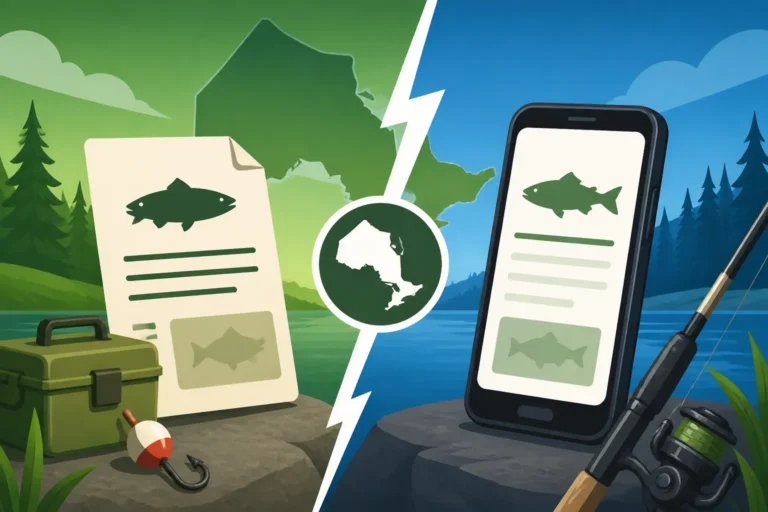
When you purchase your license online, you'll typically receive an email with a printable version of your license. This is often referred to as your "licence summary" or "temporary licence." It's perfectly legal to carry this printed paper copy as proof of your license, especially if your physical Outdoors Card hasn't arrived in the mail yet. Many anglers choose to print it and laminate it or slip it into a waterproof pouch for durability, since being out on the water often means exposure to the elements. This little piece of paper, combined with your Outdoors Card (once it arrives), is your official proof of permission to fish.
What about digital? Yes, you can carry a digital copy of your fishing license on your smartphone or other electronic device. This is incredibly convenient; no more worrying about soggy paper or forgetting your wallet at home. However, there's a crucial caveat: you must be able to produce it for inspection by a Conservation Officer upon request. This means your device needs to be charged, functional, and the license easily accessible. Imagine being asked to show your license, only for your phone battery to die or for you to be in an area with no signal, preventing you from pulling up the document. That's a frustration you definitely want to avoid! So, while the digital option is fantastic, it's always wise to ensure your device is fully charged, and perhaps even consider a backup printed copy, especially if you're venturing into remote areas. For more details on the practicalities, our article on Printing or Carrying a Digital Fishing License in Ontario has some excellent tips.
Renewing Your License Online
One of the greatest benefits of the online system is the sheer ease of renewal. Gone are the days of having to remember exactly when your license expires, digging out old paperwork, and making a special trip. For those of us who have years of fishing under our belts, the thought of saving time on administrative tasks is always welcome. This is where the initial setup of your Outdoors Card really pays off.
If you already have an Outdoors Card, renewing your fishing license is typically a matter of logging back into your account on the Ontario Fish and Wildlife Licensing Service website. The system will recognize your existing Outdoors Card number and display your current license status, including its expiration date. You can then select to renew your fishing license, choosing whether you want a one-year or three-year option, and whether it’s a Sport or Conservation license. The process mirrors the initial purchase but is even quicker since all your personal information is already stored. You simply confirm your details, make your selection, and complete the payment. It's a fantastic feature that removes much of the friction from staying legal on the water.
Many anglers appreciate the option to buy a three-year license upfront. While it's a larger initial payment, it means two fewer years of having to remember renewals! This long-term option is a real time-saver and ensures uninterrupted fishing enjoyment. You'll receive a new license tag in the mail, which you'll need to affix to your Outdoors Card, or simply update your digital records. The convenience of online renewal really shines when you're planning a last-minute trip, or if you're suddenly hit with the urge to go fishing on a beautiful spring day and realize your license expired last month. Just hop online, renew, and you're good to go. It’s also a perfect opportunity to browse for any new fishing gear on Amazon while you're at it – maybe a new tackle box or some fresh line for the season.
In-Person Purchase Options for the Traditionalist
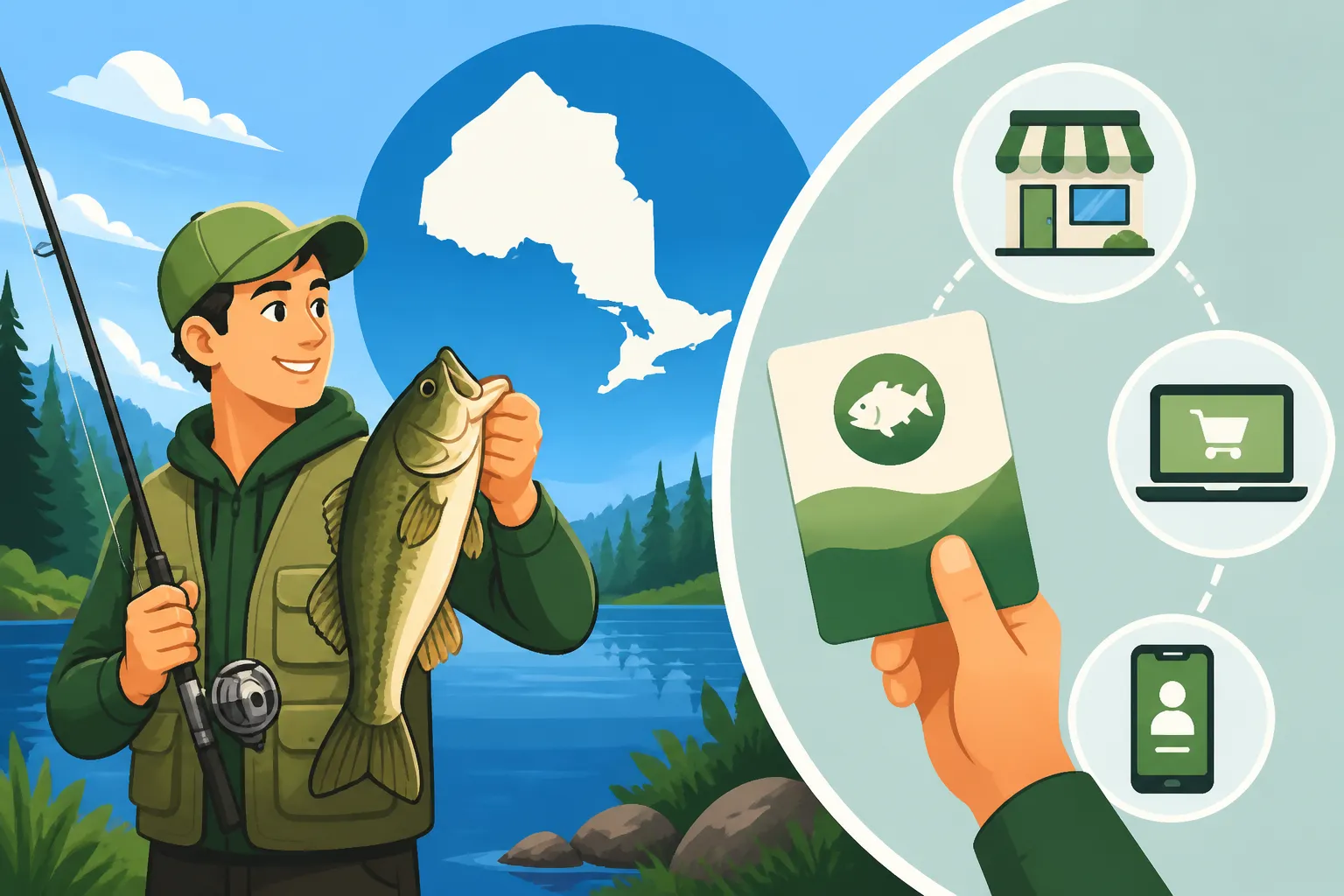
While the online world offers unparalleled convenience, there's still a significant portion of the angling community who prefer to handle things in person. Maybe you don't have reliable internet access, or perhaps you just enjoy the human interaction and the chance to chat with a local expert. For these reasons, and many others, Ontario still maintains a robust network of authorized license issuers where you can buy your fishing license face-to-face.
Authorized License Issuers: Finding a Local Vendor
For those who prefer a tangible transaction or need some guidance, authorized license issuers are your best bet. These aren't just random shops; they are official points of sale that are integrated with the provincial licensing system. Knowing where to find them is key, especially if you're travelling to a new fishing spot and realize you need a license.
The most common and widespread option is typically a ServiceOntario centre. These government offices are designed to handle a wide range of provincial services, including fishing and hunting licenses. They're usually well-staffed, knowledgeable, and can guide you through the process, especially if you're applying for an Outdoors Card for the first time. Beyond ServiceOntario, you'll find many bait and tackle shops, sporting goods stores, and even some general stores in smaller communities that are authorized to sell licenses. These local vendors are often a goldmine of information, not just for licenses but for local fishing tips, hot spots, and current conditions. They often have the latest local regulations posted and can even help you understand specific nuances for their area. For instance, a small bait shop near Lake Simcoe might offer insights into the current ice fishing conditions or the best spots for jumbo perch. The best way to find one near you is to check the MNRF website, which typically has a "Find a Vendor" tool, or simply ask a local! You can often spot these places by looking for signs that say "Authorized License Issuer" or "Fishing Licenses Sold Here."
The personal touch at these locations can be invaluable. Imagine walking into a local bait shop like "Bob's Bait & Tackle" in Port Severn. You not only get your license but also hear about the recent walleye bite on the Georgian Bay side, or tips on the best lures for the local pike. It's a community hub for anglers, and for many, that experience is part of the joy of fishing. This connection to local knowledge is something you simply can't get from an online purchase. Plus, it's often a great opportunity to pick up some last-minute tackle or fresh bait, ensuring you're fully equipped before hitting the water.
What to Bring When Buying In-Person
Just like any official transaction, buying a fishing license in person requires a few key pieces of identification and information. Showing up unprepared can lead to frustration and a wasted trip, which is the last thing you want when you're eager to get out on the water. Getting organized before you head out the door will save you precious time.
For any fishing license purchase, the most crucial thing to bring is proof of identity. This usually means a valid government-issued ID that shows your name, address, and date of birth. A Canadian driver's license or a passport are perfect examples. If you're a non-resident, you'll need similar identification from your home country or state. Your date of birth is particularly important for verifying your eligibility for age-based exemptions or for ensuring you get the correct resident/non-resident rates. If you're an existing angler, make sure to bring your current Outdoors Card, even if it's expired. This card contains your unique customer number, which streamlines the renewal process significantly. The vendor can simply look up your profile, confirm your details, and issue the new license without needing to re-enter all your information from scratch. If you don't have an Outdoors Card and it's your first time, the vendor will help you apply for one on the spot, but still, having that ID is critical.
Payment is also a must. Most authorized vendors accept cash, debit, and major credit cards, but it's always a good idea to confirm their accepted payment methods beforehand, especially if you're visiting a smaller, independent bait shop. While this sounds basic, I've heard stories of anglers driving all the way to a remote outpost only to realize they only take cash and they've only brought plastic. Always best to double-check! Finally, having your previous fishing license (if you had one) can also be helpful, even if it's not strictly required with a valid Outdoors Card. It simply helps ensure continuity and can clarify any questions about your licensing history. Being prepared with these few items will ensure a smooth and efficient purchase, getting you closer to your fishing destination without unnecessary delays.
Real-World Scenarios for In-Person Purchases
Life doesn't always go according to plan, and sometimes, you find yourself in a situation where an online purchase just isn't feasible or desirable. This is where the in-person option truly shines, providing flexibility for various real-world scenarios that often arise for anglers. It's about having options when you need them most.
Consider the scenario where you've arrived at a remote cottage in Northern Ontario, miles from reliable internet service. You've packed all your gear, your boat is ready, and you're just itching to hit the lake, only to realize your fishing license expired last month. This is a common frustration! In this situation, the nearest general store or fishing lodge that doubles as an authorized issuer becomes a lifesaver. You can drive a short distance, get your license, perhaps pick up some local bait or a regional fishing map, and be on your way without missing a beat. There's no stress about slow internet speeds or mobile data limits. This local presence is particularly important in regions like the Kawartha Lakes or the French River, where internet can be spotty, but fishing opportunities are abundant.
Another common situation is when you're introducing someone new to fishing, perhaps a friend visiting from out of province. They've expressed interest, but they're hesitant about the online process. Taking them to a ServiceOntario centre or a well-regarded tackle shop like Bass Pro Shops or Cabela's can make the experience less daunting. The staff can walk them through getting their Outdoors Card and license, explain the Sport vs. Conservation difference in person, and answer any questions directly. It adds a human touch that can be very reassuring for first-timers. This hands-on guidance can make a world of difference for someone who might otherwise feel overwhelmed by online forms. Plus, it’s a chance to immerse them in the fishing culture right from the start, perhaps even picking up their first rod and reel combo, which you can also find on Amazon for a great selection. These in-person experiences underscore the value of having diverse purchase options for all types of anglers and situations.
Exploring Other License Types and Special Considerations
Ontario's fishing license system caters to a broad spectrum of anglers, from those planning a quick day trip to dedicated multi-season outdoors enthusiasts. Understanding the various license types and special considerations is crucial, as it can significantly impact both your experience and your wallet. It’s not a one-size-fits-all situation, and navigating these options ensures you get the right coverage for your specific needs.
Combination Hunting and Fishing Licenses
For many passionate outdoors enthusiasts, the thrill of the hunt goes hand-in-hand with the tranquility of fishing. If you're someone who enjoys both angling and hunting in Ontario, you'll be glad to know there's a convenient option that consolidates your licensing needs: the combination hunting and fishing license. This isn't just about convenience; it can also sometimes be a cost-effective choice compared to purchasing two separate three-year licenses.
The combination license essentially bundles your Outdoors Card, your hunting license, and your fishing license all into one cohesive package. This means less paperwork to manage and fewer renewal dates to remember. If you're an active hunter and angler, this streamlined approach simplifies your administrative tasks, allowing you to focus more on planning your next outdoor adventure rather than juggling multiple documents. To be eligible for a combination license, you must meet the requirements for both a hunting license (which includes hunter education certification) and a fishing license. It's not just a simple add-on; it verifies your qualifications for both activities. For many long-time residents who grew up enjoying both sports, this is the default and most practical option. Our article on Ontario Combination Hunting and Fishing License Options provides a comprehensive breakdown of eligibility, costs, and benefits, ensuring you make an informed decision for your multifaceted outdoor pursuits.
Purchasing a combination license follows a similar process to a standalone fishing license. You can acquire it online through the Fish and Wildlife Licensing Service website or in person at an authorized license issuer. When you log into your account, or speak to a vendor, you'll simply indicate your desire for the combined option, and the system will guide you through the necessary steps. This integrated approach reflects Ontario's commitment to supporting its diverse outdoor community, making it easier for individuals to enjoy the province's rich natural resources responsibly. It’s perfect for the angler who also plans to be in the woods during deer season or pursuing wild turkey in the spring, offering a holistic approach to their outdoor passions.
One-Day Licenses for Quick Trips
Not everyone is a hardcore, year-round angler. Sometimes, you just want to experience the joy of fishing for a single day, perhaps on a family vacation, a spontaneous outing with friends, or while trying out the sport for the very first time. For these scenarios, Ontario offers a fantastic, low-commitment option: the one-day fishing license. This license is designed for maximum flexibility and minimal fuss, making it incredibly accessible for casual anglers.
A one-day fishing license is exactly what it sounds like – it's valid for a single, specific calendar day. It's often chosen by tourists visiting Ontario for a short period, or by residents who only fish once or twice a year. The beauty of this license is its simplicity and affordability. You don't need to purchase an Outdoors Card separately to get a one-day license, which significantly reduces the initial barrier to entry. This is a huge benefit for those who are just dipping their toes into the waters of Ontario fishing and don't want to commit to a three-year Outdoors Card and annual license. The cost is also considerably lower than a full annual license, making it a budget-friendly way to enjoy a day on the lake or river. For all the details on pricing and what’s covered, check out our guide on the Ontario 1-Day Fishing License Cost.
You can purchase a one-day fishing license online or in person. Online, you simply select the one-day option, choose the specific date you intend to fish, and complete the transaction. You'll receive a printable or digital copy immediately, allowing you to hit the water that very day if you wish. In person, authorized vendors can issue it quickly. This ease of access makes it ideal for impromptu plans, like a beautiful Saturday when you suddenly decide to rent a boat and try your luck on Lake Erie. It’s also a popular choice during the Family Fishing Weekends for accompanying family members who don't qualify for the exemption but want to participate without committing to a full license. This flexible option ensures that everyone, regardless of their commitment level, has an easy path to enjoying Ontario’s incredible fishing opportunities.
Licenses for Non-Residents and International Visitors
Ontario's abundant lakes and rivers are a huge draw for anglers from outside the province, including our neighbours in the United States and other international visitors. The good news is that non-residents are absolutely welcome to fish here, but the licensing process and costs differ slightly from those for Ontario residents. It’s essential to understand these distinctions to ensure a smooth and legal fishing trip.
If you're a non-resident of Ontario, you'll still need an Outdoors Card, just like residents, but the cost for your Outdoors Card and fishing license will be different. The province offers various non-resident fishing license options, including annual Sport and Conservation licenses, as well as multi-day licenses (like 8-day licenses) which are particularly popular for those planning a week-long fishing vacation. These multi-day options offer great flexibility, allowing visitors to pay only for the duration of their trip without committing to a full annual license. The specific costs are outlined in our article on Resident vs Non-Resident Fishing License Costs in Ontario, which is a must-read for anyone planning a visit. For example, a non-resident annual Sport Fishing License can be significantly more than a resident one, reflecting the different pricing structures.
The purchasing process for non-residents is largely the same: you can buy your Outdoors Card and fishing license online through the provincial licensing service, or in person at authorized vendors. Many fishing lodges and resorts popular with American tourists are often authorized license issuers themselves, making it incredibly convenient for guests to obtain their licenses upon arrival. When purchasing, you'll need to provide valid identification, typically a passport or a driver's license from your home state or country, to verify your non-resident status. It's important to remember that all non-residents, regardless of age, must possess a valid fishing license (and Outdoors Card), unless they are under 18 and fishing under the direct supervision and within the limits of a licensed adult. This means that a child from out of province, unlike an Ontario resident child, would generally need a license if fishing independently. Understanding these nuances ensures that your fishing trip to Ontario is memorable for all the right reasons, not for any licensing woes.
Common Hurdles and How to Overcome Them
Even with the best intentions and careful planning, sometimes life throws a curveball. Lost licenses, technical glitches, or confusion over residency rules can quickly turn anticipation into frustration. But don't despair! Ontario's licensing system has provisions for these common hurdles, and knowing how to navigate them can save your fishing trip from being derailed.
Lost or Damaged Licenses: Getting a Replacement
It happens to the best of us: you're out on the boat, a gust of wind snatches your wallet, or your pocket-sized license takes an unexpected dip in the lake. Suddenly, your proof of legality is gone or unreadable. A lost or damaged fishing license or Outdoors Card can feel like a major setback, but thankfully, getting a replacement is a relatively simple process designed to get you back on the water quickly.
If you lose your Outdoors Card, you can easily request a replacement online through the Ontario Fish and Wildlife Licensing Service website. You'll log into your account, navigate to your Outdoors Card information, and find an option to order a replacement. There's typically a small fee associated with this, but it's a small price to pay for peace of mind and continued legal fishing. The new card will be mailed to you, but in the interim, you can usually print a temporary document from the website that proves your Outdoors Card is valid and a replacement has been ordered. This temporary proof, along with your printed fishing license summary, should suffice if you encounter a Conservation Officer. The same process generally applies if your license itself is lost or damaged. You can print another copy of your license summary online, or visit an authorized vendor who can access your profile and print a new one for you. Our detailed guide on Ontario Fishing License Refund and Replacement Policy has all the specifics on fees and timelines, so you know exactly what to expect.
The key takeaway here is to act promptly. Don't wait until your next fishing trip to discover your license is missing. Get a replacement as soon as you realize it's gone. Having a spare printed copy stored safely at home or in your vehicle can also be a smart backup plan, especially for your Outdoors Card number which is essential for online access. While it's certainly a minor annoyance, the system is forgiving, ensuring that a simple mishap doesn't permanently sideline your fishing season. And while you're sorting out your replacement, perhaps it's a good time to consider a waterproof case for your phone and documents, which you can easily find on Amazon for added protection on your next outing.
Troubleshooting Online Purchase Issues
While buying your license online is generally smooth sailing, technology isn't always perfect. From unexpected error messages to payment processing woes, encountering an issue can be incredibly frustrating, especially when you're just trying to get your fishing ducks in a row. Knowing a few common troubleshooting tips can help you resolve these problems quickly without losing your cool.
One of the most frequent issues people face is related to payment. Sometimes a credit card might be declined, or the transaction might appear to "hang." First, double-check all your payment details – card number, expiry date, and CVV code. A simple typo is often the culprit. If everything seems correct, ensure you have sufficient funds or credit limit available. Another common problem is browser compatibility. The official licensing website might work best with specific browsers (like Chrome or Firefox), and older versions or less common browsers might cause glitches. Try clearing your browser's cache and cookies, or switch to a different browser altogether. Pop-up blockers can also interfere with the payment gateway, so temporarily disabling them might help. If you receive an error message, make a note of it – this will be incredibly useful if you need to contact customer support.
If you've tried these basic troubleshooting steps and are still stuck, don't hesitate to reach out for help. The Ontario Fish and Wildlife Licensing Service typically has a customer support line or email address. When you contact them, be ready to provide your Outdoors Card number (if you have one), the exact error message you received, and the steps you've already taken. They are equipped to handle these technical issues and can often resolve them by looking at your transaction history on their end. Remember, you're not the first person to face an online hiccup, and these support teams are there to assist. Keep calm, work through the steps, and you'll likely have your license sorted out in no time.
Understanding Residency Requirements
The distinction between an Ontario resident and a non-resident is not just about where you currently live; it's a legally defined status that impacts your license eligibility, type, and cost. Many people assume if they own property here or spend summers here, they're residents, but the rules are more specific. Misunderstanding these requirements can lead to inadvertently purchasing the wrong license, which could result in penalties.
For fishing license purposes, an "Ontario resident" is generally defined as a person who has resided in Ontario for a period of six consecutive months immediately prior to applying for a license. This means a summer cottage owner from New York, no matter how much time they spend here, would still be considered a non-resident if their primary residence and tax home are outside of Ontario. Similarly, a student from another province attending university in Ontario might be considered a resident if they meet the six-month continuous residency requirement. It’s about more than just physical presence; it's about establishing legal domicile within the province. For a detailed breakdown, our guide on Ontario fishing license residency requirements is an invaluable resource.
This distinction is important because the cost of an Outdoors Card and fishing license for non-residents is typically higher than for Ontario residents. This differential pricing helps manage the resource and reflects the different contributions to provincial taxes. When you purchase a license, whether online or in person, you'll be asked to declare your residency status. Providing false information can lead to significant fines and penalties, so it's critical to be honest and ensure you meet the official criteria. If you're unsure about your residency status, especially if you have a unique living situation (e.g., military personnel, long-term visitors, out-of-province students), it's always best to consult the official MNRF guidelines or contact their licensing service directly for clarification. It’s far better to clarify beforehand than to face potential legal issues on the water.
The Importance of Compliance and Where to Find Regulations
Getting your fishing license is only the first step. To be a truly responsible and legal angler in Ontario, you need to understand and comply with the regulations that govern fishing in our waters. Ignorance of the law is not an excuse, and Conservation Officers are out there ensuring everyone plays by the rules. Knowing where to find the rules and why they exist is as important as having your license in your pocket.
Why Carrying Your License is Non-Negotiable
You've gone through the effort of understanding the different license types, navigated the online system, or visited a local vendor. You've got your Outdoors Card and fishing license in hand. Now, the single most important thing you need to do is carry it with you every single time you go fishing. This isn't just a suggestion; it's a legal requirement, and failing to do so can quickly turn a pleasant day on the water into a costly and frustrating encounter with law enforcement.
Imagine this scenario: you're having a fantastic day on Lake Scugog, reeling in panfish, when a Ministry of Natural Resources and Forestry (MNRF) Conservation Officer approaches your boat for a routine inspection. They will ask to see your Outdoors Card and your valid fishing license. If you can't produce them, even if you genuinely possess them but left them in your other jacket, you could face a fine. While some officers might offer grace if you can prove you have one immediately (e.g., through a quick check on their system if they have access), it's not a guarantee. The expectation is that you are responsible for having your proof of license on your person. This ensures officers can quickly verify compliance and maintain the integrity of the licensing system. Our article on Fishing Without a License in Ontario: Penalties delves into the specific repercussions, and trust me, they're not minor!
The easiest way to ensure compliance is to make it a habit. Just like you wouldn't leave home without your car keys, don't leave for a fishing trip without your Outdoors Card and fishing license. Many anglers keep them tucked into a dedicated fishing vest pocket, a waterproof case, or in their tackle box. If you're relying on a digital copy on your phone, ensure your phone is charged and protected from the elements. This seemingly small act of carrying your documents is fundamental to legal and responsible angling in Ontario. It demonstrates your respect for the regulations and supports the vital conservation efforts that ensure healthy fish populations for all of us to enjoy.
Navigating the Ontario Fishing Regulations Summary
Having a license is one thing, but knowing the rules about what you can catch, where, and when, is an entirely different (and equally crucial) aspect of responsible fishing in Ontario. The province is vast, with diverse ecosystems and species, which means regulations vary significantly from one area to another. This is where the Ontario Fishing Regulations Summary becomes your indispensable bible on the water.
The Fishing Regulations Summary is a comprehensive document published annually by the MNRF. It outlines all the rules, limits, and seasons for every fish species across Ontario's various Fisheries Management Zones (FMZs). This includes details on bag and possession limits, size restrictions (slot limits), open and closed seasons, bait restrictions, and special regulations for specific waters. It’s not light reading, but it’s absolutely essential. Many anglers make the mistake of assuming the rules are uniform across the province, only to find themselves in violation because they didn't check the specific regulations for their chosen fishing spot. For example, the walleye limit on Lake Erie is very different from a small inland lake in Northern Ontario, and the season opener for bass varies by zone. To truly understand this document, read our guide on Reading the Ontario Fishing Regulations Summary.
You can access the Fishing Regulations Summary in several ways. A digital version is always available for free download on the MNRF website, which many anglers save to their phones or tablets for easy reference on the water. Printed copies are often available at ServiceOntario centres and most authorized license issuers (bait shops, sporting goods stores) at the beginning of each fishing season. It's highly recommended to review the summary before each fishing trip, especially if you're visiting a new area or targeting a new species. Even experienced anglers re-read it annually, as regulations can change. Being informed is your best defense against accidental infractions and ensures you contribute positively to the sustainability of Ontario's fisheries. Don't just get your license; get to know the rules!
Understanding Ontario Fisheries Management Zones
Ontario is huge, and its diverse geography means that a "one-size-fits-all" approach to fishing regulations simply wouldn't work. This is why the province is divided into 20 distinct Fisheries Management Zones (FMZs). Understanding which FMZ you're fishing in, and why these zones exist, is absolutely critical because the regulations (like season dates and catch limits) vary significantly from one zone to another. It’s one of the most common pitfalls for anglers, particularly those travelling between regions.
Each FMZ is managed based on its unique ecological characteristics, fish populations, and angling pressures. For example, a zone in Northern Ontario might have different limits and seasons for walleye or lake trout compared to a zone in Southern Ontario, due to differences in climate, water body types, and natural fish regeneration rates. The MNRF uses these zones to implement targeted management strategies that help sustain healthy fish stocks while providing diverse angling opportunities. Imagine fishing for Northern Pike; in some zones, it might be open year-round with a generous limit, while in others, it could have specific seasonal closures and stricter limits to protect spawning fish or recovering populations. You really need to know the specific rules for the specific zone you are in at any given time. Our comprehensive guide, Ontario Fisheries Management Zones, Explained, delves into each zone and its unique characteristics.
The Ontario Fishing Regulations Summary (which we just discussed) is always organized by these FMZs. So, once you know which zone you're in, you can quickly locate the relevant regulations. Many fishing maps or online mapping tools like Fish ON-Line will clearly indicate FMZ boundaries. Before heading out, especially if you're exploring a new lake or river, make it a habit to identify the correct FMZ. This simple step will ensure that you're fishing legally and responsibly, adhering to the specific rules designed to protect the fish populations in that particular area. Getting this right is a cornerstone of ethical angling and helps preserve Ontario's incredible fishing heritage for generations to come.
Planning Your Fishing Adventure (Pre-Purchase Considerations)
Okay, you're almost there! You've grasped the licensing basics and where to buy your permit. But before you click "confirm purchase" or head to your local ServiceOntario, a little forethought about your actual fishing trip can make all the difference. It's not just about the license; it's about the entire experience. Thinking ahead ensures you’re not only legal but also fully prepared for a safe and enjoyable time on the water.
Before You Cast: Researching Your Destination's Rules
So, you've got your license, maybe even your Outdoors Card, but are you truly ready to cast your line? Not quite. Even with a valid license, understanding the specific rules for your chosen fishing destination is paramount. Ontario's waters are incredibly diverse, and what's legal in one lake might be strictly prohibited in another. This oversight can quickly lead to fines, even if you have a valid license, because local rules often supersede general provincial guidelines.
Many water bodies in Ontario have "special regulations" that deviate from the general FMZ rules. These might include catch-and-release only sections, specific bait restrictions (e.g., no live baitfish), unique slot limits for certain species, or even complete closures to protect vulnerable populations. Provincial Parks, Conservation Areas, and specific smaller lakes or rivers are prime examples of places that often have these localized rules. For instance, some pristine brook trout lakes might be fly-fishing-only, or have a zero-possession limit to preserve wild stocks. Ignoring these special rules isn't just illegal; it can actively harm delicate ecosystems. Our comprehensive guide on Special Regulation Waters in Ontario highlights these critical exceptions and where to find them.
The best way to research your destination's rules is to consult the Ontario Fishing Regulations Summary, specifically the section on "Special Regulations." Additionally, local bait shops, fishing guides, or park staff can often provide up-to-date information on any unique regulations for their area. Online resources like the Fish ON-Line interactive map (an excellent tool provided by the MNRF) can also display specific regulations for individual lakes and rivers. Taking this extra step before you even leave home ensures you're fishing responsibly and legally, respecting the specific conservation needs of each water body. It’s about being a knowledgeable steward of the environment, not just an angler.
Essential Gear Beyond the License
Okay, license procured, regulations understood – now you're truly ready for your fishing adventure! But let's be real, a license is just the ticket to the show. To make the most of your time on the water, you need the right gear. And I'm not just talking about rods and reels; I'm talking about the practical essentials that ensure comfort, safety, and success.
First, consider the weather. Ontario can be unpredictable, so packing appropriate layers, rain gear, and sun protection is a must. A good quality waterproof jacket and pants (many excellent options available on Amazon) can literally save a day trip from being cut short by an unexpected downpour. Sunscreen, a wide-brimmed hat, and polarized sunglasses aren't luxuries; they're essential for protecting yourself from the sun's glare and for spotting fish more effectively. Hydration is also key; always bring plenty of water, especially on hot summer days. Beyond personal comfort, safety gear is non-negotiable. If you're on a boat, ensure you have the required safety equipment, including properly fitting life jackets for everyone on board. A first-aid kit, a whistle, and a bailing device are also critical.
Then, there's the actual fishing equipment. Your rod and reel setup should be appropriate for the species you're targeting and the waters you'll be fishing. A light spinning combo for panfish won't cut it for Georgian Bay muskie! A well-stocked tackle box with a variety of lures, hooks, weights, and lines is essential. Don't forget a landing net (appropriate for the size of fish you expect to catch), a pair of pliers for unhooking fish safely, and maybe even a camera to capture those memorable catches. If you're going to be handling larger fish like pike or muskie, a long-nosed plier and jaw spreader are crucial for safe release. Thinking through these essential pieces of gear ensures your fishing trip is not only legal and safe, but also comfortable and successful.
Comparison: Online vs. In-Person License Purchase
Choosing how to buy your Ontario fishing license really comes down to personal preference and your specific situation. Both online and in-person methods have their distinct advantages, and understanding these can help you decide which path is best for you.
Here’s a quick comparison to help you weigh your options:
| Feature/Consideration | Online Purchase | In-Person Purchase |
|---|---|---|
| Convenience | High (24/7 access from anywhere with internet) | Moderate (Limited by vendor hours and location) |
| Speed of Access | Instant (Print/digital temporary license immediately) | Instant (Physical license printed on the spot) |
| Required ID/Info | Outdoors Card # (if existing), personal info, payment | Government ID, Outdoors Card (if existing), payment |
| Outdoors Card for New Users | Applied for during first online purchase | Applied for by vendor during first purchase |
| Payment Options | Credit card (typically) | Cash, Debit, Credit (varies by vendor) |
| Local Knowledge/Tips | None | High (Often available at bait shops, sporting goods) |
| Technical Issues | Possible (internet, browser, payment gateway issues) | Unlikely (handled by vendor) |
| Physical Proximity | Not required | Required to visit a ServiceOntario or authorized vendor |
| Ideal For | Experienced anglers, renewals, spontaneous trips | First-time buyers, those without internet, local info seekers |
As you can see, both methods get the job done, but they cater to different needs. If you're tech-savvy and planning ahead, online is tough to beat. If you prefer a human touch, need to ask questions, or are already at the local bait shop, in-person is the way to go.
Disclaimer
Please remember that fishing regulations in Ontario are subject to change. While this guide provides comprehensive and up-to-date information at the time of writing, it is always the angler's responsibility to consult the most current Ontario Fishing Regulations Summary, available on the Ministry of Natural Resources and Forestry (MNRF) website, before heading out on the water. This guide is for informational purposes only and does not constitute legal advice. Enjoy your fishing responsibly and safely!