Ontario Outdoors Card, Explained
Navigating the regulations for fishing in Ontario can sometimes feel like trying to untangle a particularly stubborn fishing knot. Many anglers, especially those new to the province or returning after a hiatus, find themselves scratching their heads over the various permits and pieces of paper required before they can even cast a line. This comprehensive guide is here to demystify one of the most fundamental requirements: the Ontario Outdoors Card.
What Exactly is an Ontario Outdoors Card?
When you first hear "Outdoors Card," you might picture a simple identification card, and in a way, it is. But it's far more than just a piece of plastic with your name on it. Think of it as your official key to participating in regulated outdoor activities in Ontario, specifically hunting and fishing. It's a foundational requirement that proves you're a registered participant in the province's natural resource management system. Without it, you simply cannot purchase a valid fishing license.
For many years, the process involved a series of different permits and declarations. The Outdoors Card was introduced to streamline this, creating a single identifier that tracks your eligibility and activities. It’s designed to be a long-term credential, valid for a set number of years, that simplifies purchasing subsequent fishing or hunting licenses. This means less paperwork each time you want to hit the water, which, let's be honest, is a huge relief when all you want to do is go fishing.
It’s crucial to understand that the Outdoors Card itself is not a fishing license. This is a common point of confusion for many. It's a prerequisite, like needing a driver's license before you can buy car insurance. You need an active Outdoors Card in addition to your fishing license to be legally fishing in Ontario. It's the mechanism that ties your personal information to your fishing privileges, making the whole system more efficient for both the angler and the Ministry of Natural Resources and Forestry (MNRF).
More Than Just a Card: Its Purpose
The primary purpose of the Ontario Outdoors Card is to establish your eligibility and provide a unique identifier for all your fishing and hunting activities. When you purchase a fishing license, that license is electronically linked to your Outdoors Card number. This integration allows the MNRF to manage licenses, track participation, and enforce regulations much more effectively. It helps ensure that everyone participating in these activities has gone through the proper channels and understands their responsibilities.
Beyond basic identification, the Outdoors Card plays a vital role in resource management. By tracking how many people are obtaining licenses, and which types (sport vs. conservation), the government gains valuable data on fishing pressure. This information is critical for making informed decisions about fish stocking, season dates, bag limits, and overall fisheries health. So, while it might feel like just another step, it's actually contributing to the long-term sustainability of Ontario's incredible fisheries.
Furthermore, the card serves as a record of your outdoor qualifications. If you complete hunter education courses, for instance, those certifications are linked to your Outdoors Card. This comprehensive approach means that all your relevant information is stored under one identifier, reducing the need to carry multiple documents or re-prove your eligibility for different activities. It's a system designed for both convenience and accountability, aiming to keep Ontario's natural resources healthy and accessible for generations to come.
Who Needs an Outdoors Card?
The general rule of thumb is this: if you're planning to fish in Ontario and you're old enough to require a fishing license, you'll need an Outdoors Card. This applies to both Ontario residents and non-residents, including Canadians from other provinces and international visitors. There are, however, some specific age exemptions that are important to know.
Children under the age of 18 do not require an Outdoors Card or a fishing license to fish in Ontario. This is a fantastic initiative to encourage youth participation in fishing. They can fish under the license of a parent or guardian, or simply fish without one, provided they adhere to the same catch limits and regulations as the licensed adult they are fishing with. It’s a great way to introduce younger generations to the joys of angling without the immediate hurdle of paperwork and fees. If you're looking for more details, check out our guide on Ontario Youth Fishing License Exemption Under 18.
Similarly, seniors who are 65 years of age and older also have an exemption regarding the Outdoors Card and fishing license fees, provided they are Ontario residents. While they still need to meet certain residency requirements, the process is significantly simplified. For those who qualify, they can often obtain a free senior fishing license that fulfills their legal requirements. You can read more about this in our article about Ontario Senior Fishing License Exemption at 65. For everyone else between these age groups, whether you're a casual angler or a seasoned pro, the Outdoors Card is a non-negotiable part of your fishing kit. It's your ticket to legally enjoying Ontario's vast waters.
Acquiring Your Outdoors Card: The First Steps
Getting your first Outdoors Card, or renewing an old one, is a straightforward process, but knowing your options beforehand can save you a lot of time and frustration. The good news is that the MNRF has made it relatively accessible through various channels. Don't fall into the trap of thinking it's a complicated bureaucratic maze; with a little preparation, you can have your card in hand (or digitally on your phone) quickly.
The key is to have all your personal information ready and to understand the different ways you can apply. Whether you prefer the convenience of online services, a personal touch at a local vendor, or even a quick phone call, Ontario offers avenues to suit most preferences. Remember, this is the very first step before you can even think about purchasing your actual fishing license, so it's worth getting it right the first time.
Many people find themselves in a rush, realizing they need their Outdoors Card right before a planned fishing trip. While it's possible to get it quickly, giving yourself ample time avoids any last-minute stress. Think of it as part of your pre-trip planning, just like checking your tackle box or gassing up the boat. A little foresight goes a long way in ensuring a smooth and enjoyable fishing experience.
The Application Process: Online, In-Person, or Phone
You have a few convenient ways to apply for or renew your Ontario Outdoors Card, making it accessible regardless of your tech comfort level or location.
The most popular and often fastest method is online through the Ontario government's Fish and Wildlife Licensing Service. This portal is available 24/7, allowing you to apply or renew from the comfort of your home. You'll need an email address, and you can pay securely by credit card. Once completed, you'll receive a temporary Outdoors Card that you can print immediately, and your physical card will be mailed to you within a few weeks. This digital option means you don't have to wait for the card to arrive to start fishing, provided you have your temporary proof.
If you prefer a more traditional approach, you can apply in person at a participating ServiceOntario centre or an authorized license issuer. These are typically bait and tackle shops, hardware stores, or convenience stores that have partnered with the MNRF. Many anglers appreciate this option because it allows them to ask questions and get immediate assistance. Plus, you can often pick up some last-minute bait or tackle while you're there! They can issue a temporary card on the spot, and your permanent card will be mailed. You can find a comprehensive list of these locations by searching "Ontario fishing license vendors near me." Our guide on Where and How to Buy an Ontario Fishing License dives deeper into these options.
Finally, for those who prefer verbal interaction, you can apply or renew by phone. The ServiceOntario contact centre can guide you through the process, take your information, and process your payment. Just like the other methods, you'll receive a temporary card number over the phone, and the physical card will be mailed. This option is particularly helpful if you have specific questions or run into issues with the online system. No matter which method you choose, the goal is the same: to get you officially registered and ready to enjoy Ontario's fantastic fishing opportunities.
Essential Information for Your Application
To ensure a smooth application process for your Ontario Outdoors Card, you'll need a few key pieces of personal information handy. Gathering these details beforehand will save you from scrambling mid-application. Think of it like preparing your fishing gear – you wouldn't head out without your tackle box, right?
First and foremost, you'll need your full legal name, date of birth, and gender. These are standard identification requirements. If you've had an Outdoors Card before, even if it's expired, having your previous Outdoors Card number can often expedite the process, as much of your information might already be in the system. Don't worry if you can't find it; you can usually proceed as a new applicant or retrieve it using other personal details.
You'll also need your current mailing address where you want your physical Outdoors Card to be sent. Ensure this is accurate and up-to-date to avoid delays in receiving your card. An email address is essential, especially if you're applying online, as it's often used for confirmation, temporary card delivery, and renewal reminders. Lastly, a valid payment method (credit card for online/phone, or cash/debit/credit for in-person) will be required to cover the applicable fee. While the process is generally straightforward, having all this information readily available will prevent any unnecessary hiccups and get you one step closer to casting your line.
Understanding the Validity and Renewal Process
Having an Outdoors Card isn't a one-and-done deal; it has a specific lifespan. Many anglers mistakenly assume it's valid indefinitely once purchased, only to find themselves in a pickle when their card has expired right before a trip. Understanding its validity period and how to renew it is just as important as getting it in the first place. This knowledge prevents unexpected headaches and keeps you legally compliant on the water.
The Ministry of Natural Resources and Forestry has structured the Outdoors Card to be a multi-year credential, which is great for convenience, but it does mean you need to keep track of its expiry date. Missing a renewal can mean being unable to purchase your fishing license, or worse, facing penalties if you're caught fishing without proper documentation. It's a small administrative detail, but one with significant implications for your angling adventures.
Beyond the practicalities, the renewal process helps the MNRF maintain accurate records of active anglers. This data is vital for managing fish populations and ensuring that regulations reflect current participation levels. So, by staying on top of your renewal, you're not just ensuring your own fishing future, but contributing to the broader conservation efforts in Ontario.
How Long Does an Outdoors Card Last?
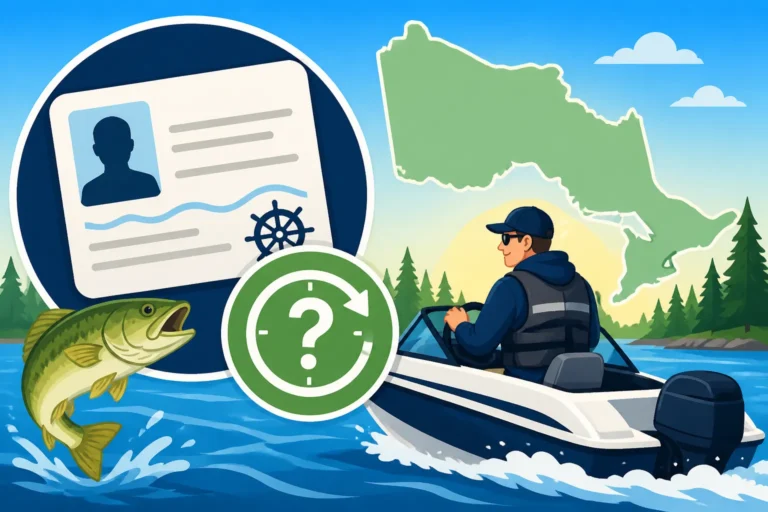
One of the most frequently asked questions about the Ontario Outdoors Card is how long it's actually valid for. It's a fair question, and the answer is fairly simple: an Outdoors Card is typically valid for three calendar years. This means if you purchase it in 2024, it will be valid through the end of 2026. This multi-year validity is a fantastic convenience, saving you the hassle of renewing it annually like a fishing license.
However, it's really important to note that while the Outdoors Card lasts three years, your fishing license still needs to be purchased annually, or for shorter durations like a 1-day or 8-day license. Your valid Outdoors Card acts as the foundation upon which you purchase these specific licenses. So, you'll renew your Outdoors Card much less frequently than your actual fishing permits. For a detailed breakdown of costs and validity periods, you might want to consult our post on Ontario Outdoors Card cost and validity period.
The three-year cycle is designed to strike a balance between convenience for anglers and effective record-keeping for the MNRF. It means you don't have to think about it every year, but it's long enough that you might forget the exact expiry date. That's why keeping a mental note or setting a reminder is crucial. Imagine planning a dream fishing trip to Lake Erie, only to discover your Outdoors Card expired last month! A small detail can throw a big wrench in your plans.
Navigating the Renewal: Don't Get Caught Off Guard
The good news is that renewing your Outdoors Card is usually even easier than the initial application. The MNRF has systems in place to make the process as smooth as possible, but it’s still on you to ensure it gets done. Don't assume you'll get a reminder in the mail; while they do try to send them, things can get lost, or addresses change.
Your best bet for renewal is often the online portal through the Ontario government's Fish and Wildlife Licensing Service. If you already have an account, you can simply log in, navigate to your profile, and select the option to renew your Outdoors Card. The system will pre-fill most of your information, making it a quick verification and payment process. Many anglers find this the most convenient method, as it can be done anytime, anywhere.
Alternatively, you can renew in person at any ServiceOntario centre or authorized license issuer. These locations are particularly helpful if you prefer to speak with someone directly or have any questions about your account. Just bring your expired or expiring Outdoors Card, or sufficient ID, and they can process the renewal for you on the spot, providing you with temporary proof until your new card arrives. Knowing your options for Ontario ServiceOntario license purchase steps can be a real time-saver. Whichever method you choose, the key is to be proactive and check your card’s expiry date well in advance of your next planned fishing outing.
What Happens if Your Card Expires?
An expired Outdoors Card means you're effectively out of the system until you renew it. This might sound minor, but it has significant implications. The most immediate impact is that you cannot purchase any new fishing licenses once your Outdoors Card has expired. The provincial system is set up to require a valid, active Outdoors Card number before it will process any fishing license purchase. So, if you're standing at a bait shop counter trying to buy a 1-day license and your card is expired, you'll be told you need to renew your Outdoors Card first.
Beyond just purchasing licenses, being caught fishing with an expired Outdoors Card (and consequently, an invalid fishing license) can lead to penalties. Conservation Officers regularly check for valid documentation. While it might be an honest mistake, ignorance of the law is generally not considered an excuse. The fines can be substantial, and nobody wants their relaxing day on the water to end with a ticket. For information on potential repercussions, you can look up Fishing Without a License in Ontario: Penalties.
The good news is that renewing an expired Outdoors Card is essentially the same process as renewing an active one. There's no extra penalty fee for letting it expire, just the inconvenience of having to renew it before you can purchase your fishing license again. It’s always best practice to check the expiry date on your card a few months before it’s due, or keep your details up to date in the online licensing system to receive timely reminders. A quick check of the expiry date on your card could save you a lot of grief down the line.
The Financial Side: Costs and Potential Savings
Let's talk money, because fishing, while incredibly rewarding, isn't always free. The Outdoors Card, while essential, does come with a fee. This is a common point of inquiry for many anglers, especially when trying to budget for their recreational activities. Understanding the cost involved and any potential ways to save is important for anyone planning to fish in Ontario.
The fees collected from Outdoors Cards, along with fishing and hunting licenses, are crucial for funding the management and conservation efforts of the MNRF. These funds go towards vital programs like fish stocking, habitat rehabilitation, enforcement, and research, all of which contribute to sustaining the quality of Ontario's fisheries for everyone. So, while it's a cost, it's also an investment in the future of our natural resources.
It’s easy to feel like you're constantly paying for permits and licenses, but when you consider the vastness of Ontario's lakes and rivers, and the efforts required to maintain them, these fees are a small contribution to a larger goal. Knowing the exact cost allows you to plan accordingly and ensures there are no surprises when you're ready to hit the water.
Breaking Down the Outdoors Card Fee
The cost of an Ontario Outdoors Card is fairly consistent, though it can vary slightly based on residency and other factors. As of my last check, a standard 3-year Outdoors Card for an adult resident of Ontario typically costs around $8.57, plus HST (Harmonized Sales Tax). This makes the total roughly $9.68. It’s a relatively small fee for a card that’s valid for three full years.
For non-residents, including Canadian residents from outside Ontario, the fee structure for the Outdoors Card itself is the same. The difference in cost comes into play when you purchase the actual fishing license that is then linked to your Outdoors Card. Non-resident fishing licenses are generally more expensive than resident licenses. For a complete overview of all associated fees, including both the Outdoors Card and various license types, our guide on How Much Does an Ontario Fishing License Cost provides a detailed breakdown.
It's also worth noting that the Outdoors Card fee doesn't change whether you're getting it for the first time or renewing it. The cost is the same for a new card or a renewal, reflecting the administrative processing and the value of having the long-term identification credential. Considering it's valid for three years, the annual average cost is quite minimal, making it an accessible part of your fishing expenses.
Exemptions and Special Considerations
While the majority of anglers will need to purchase an Outdoors Card, there are indeed some notable exemptions and special considerations that can either reduce the cost or eliminate the need for one entirely. Knowing these can save you both time and money, and it’s always good to be aware of who qualifies for what.
As mentioned earlier, youth under 18 years of age are exempt from needing an Outdoors Card and a fishing license. This is a fantastic program designed to introduce kids to fishing without any financial barriers. They can fish without a license, but must still abide by all regulations, including catch limits, for the zone they are fishing in. This exemption is clearly laid out in the Ontario fishing license age requirements.
Similarly, Ontario residents aged 65 and older are also exempt from needing to purchase an Outdoors Card and a fishing license. Eligible seniors can obtain a free fishing license that serves as their legal document. This is a recognition of their contributions to the community and provides a way for them to continue enjoying Ontario's natural beauty.
There are also specific Family Fishing Weekends designated throughout the year where Canadian residents can fish without needing an Outdoors Card or a fishing license. These weekends are a wonderful opportunity for families to try fishing together and experience the outdoors. You can often find the dates for these events in our article about Ontario family fishing weekend dates for 2026. These are great chances to introduce friends and family to the sport, though all other regulations like catch limits still apply.
Finally, some specific programs or events might offer exemptions, but these are usually temporary or highly specialized. Always check the official MNRF website or consult with a license issuer if you believe you might qualify for a unique exemption. For instance, disabled residents might also have specific considerations, so it's always worth looking into all available options before purchasing.
Your Outdoors Card in Action: What it Means for Your Fishing Experience
Once you've got your Outdoors Card, it's not just a piece of plastic that sits in your wallet; it's an active component of your legal fishing status in Ontario. Understanding how it works in conjunction with your fishing license, what to carry, and how to troubleshoot common issues will ensure your time on the water is smooth and stress-free. It’s about more than just compliance; it’s about confidence when that Conservation Officer asks to see your papers.
Many anglers new to Ontario fishing find themselves confused about the distinction between the Outdoors Card and the actual fishing license. This section aims to clarify that, providing a clear picture of how these two essential documents work together. Think of them as a team: the Outdoors Card identifies who you are, and the fishing license dictates what you can do.
Ultimately, having a solid grasp of these operational aspects means you can focus more on the fishing itself – scouting for walleye on Lake Nipissing, casting for bass in the Kawartha Lakes, or simply enjoying the tranquility of an untouched Crown land lake. A little knowledge here goes a long way in maximizing your enjoyment and minimizing any potential legal hassles.
Pairing Your Card with Your Fishing License
This is perhaps the most critical point of clarity: your Outdoors Card is separate from, but absolutely required for, your fishing license. You cannot buy an Ontario fishing license without an active Outdoors Card. When you purchase a fishing license, whether it's a Sport Fishing License, a Conservation Fishing License, or a 1-day license, that license is electronically associated with your unique Outdoors Card number.
Imagine it like this: your Outdoors Card is your membership card to the club of Ontario anglers. Your fishing license is the specific pass that grants you access for a certain period and under certain conditions (e.g., Ontario Sport vs Conservation Fishing License). You need both to be legally fishing. If you buy a fishing license online, for example, the system will prompt you for your Outdoors Card number. If you don't have one, or if it's expired, you'll be directed to obtain or renew it first.
When a Conservation Officer asks to see your documentation, you should be prepared to present both your Outdoors Card and your valid fishing license. They'll cross-reference the information to ensure everything is in order. It's not uncommon for anglers, especially those who only fish once a year, to forget to renew their Outdoors Card or to not realize they need both. Always double-check both documents before heading out, especially if you're planning a trip to one of the Best Fishing Lakes in Ontario.
Digital vs. Physical Card: What to Carry
In our increasingly digital world, Ontario has adapted to offer flexibility in how you carry and present your Outdoors Card and fishing license. This is great news for those who prefer to minimize physical clutter, but it also comes with a few considerations.
When you purchase or renew your Outdoors Card online, you'll typically be given the option to print a temporary paper card immediately. This temporary card is legally valid for fishing until your permanent plastic card arrives in the mail. Many anglers choose to print this out and keep it in a waterproof bag or tackle box. In addition to this, the official policy allows for carrying a digital copy of your Outdoors Card and fishing license on your smartphone or other mobile device. This means you can simply show the electronic version to a Conservation Officer if requested. This option is incredibly convenient, as most people always have their phone with them.
However, a crucial point to remember if relying on a digital copy: ensure your device is charged and accessible. A dead phone battery is not an acceptable excuse for not being able to produce your license. Also, consider areas with no cell service – if you can't load your digital license because you're deep in Algonquin Park, you could still run into trouble. Because of this, many seasoned anglers still prefer to carry a physical copy, even if it's just a printed paper version tucked into their wallet or a waterproof case from Amazon. Our guide on Printing or Carrying a Digital Fishing License in Ontario offers more in-depth advice on this topic. It’s always best to have a backup plan, whether that's a fully charged phone with a downloaded PDF, or a laminated printout, to avoid any unexpected issues.
Common Misconceptions and Troubleshooting
Despite the system being relatively straightforward, there are a few common misconceptions and troubleshooting scenarios that anglers frequently encounter with the Outdoors Card. Being aware of these can save you a lot of hassle.
One common belief is that the Outdoors Card itself grants you fishing privileges. As we've clarified, it doesn't. It's merely the required ID to purchase a fishing license. Always remember the two-part system: Outdoors Card + Fishing License = Legal Fishing. Another misconception is that if you have a valid hunting license, you don't need a separate Outdoors Card for fishing. This is incorrect; the Outdoors Card is a universal identifier for both activities, but you still need a specific fishing license. However, Ontario does offer a Ontario Combination Hunting and Fishing License Options that simplifies things for multi-sport enthusiasts.
Troubleshooting often involves issues with online accounts. If you forget your login details for the Fish and Wildlife Licensing Service, don't panic. There are "forgot password" and "forgot username" options available, and the ServiceOntario helpline can also assist with account recovery. If your physical card is lost or damaged, you can easily replace it through the online portal or at a license issuer for a small fee. Your Outdoors Card number remains the same, so your fishing history and eligibility are preserved. Don't hesitate to reach out to the MNRF or ServiceOntario if you encounter any significant problems; their goal is to help you enjoy Ontario's natural resources legally and safely.
Outdoors Card Key Information Summary
Here’s a quick overview of the essential details about the Ontario Outdoors Card to keep you in the know:
| Feature | Details |
|---|---|
| Purpose | Required identification to purchase Ontario fishing/hunting licenses. Not a license itself. |
| Validity Period | 3 calendar years from the date of purchase. |
| Cost (Resident) | Approximately $8.57 + HST (total ~$9.68). |
| Cost (Non-Resident) | Same as resident for the Outdoors Card itself. Different fishing license fees apply. |
| Who Needs It? | All anglers aged 18-64 (inclusive), residents and non-residents, unless otherwise exempt. |
| Exemptions | Youth under 18; Ontario residents aged 65+; participants during Ontario Family Fishing Weekends. |
| How to Obtain/Renew | Online via Fish and Wildlife Licensing Service, in person at ServiceOntario/authorized issuers, by phone. |
| Required Info | Full name, date of birth, gender, mailing address, email, payment method. |
| What to Carry | Physical card OR printable temporary card OR digital copy on a mobile device (with backup plan). |
| Impact of Expiry | Cannot purchase new fishing licenses; fishing without a valid license is illegal. |
This table provides a concise summary to help you quickly reference the most important aspects of the Outdoors Card. Remember to always pair your valid Outdoors Card with a valid Ontario fishing license when heading out to fish.
Disclaimer
The information provided in this guide is for general informational purposes only and is subject to change. While we strive to keep the content accurate and up-to-date, fishing regulations and licensing requirements can be complex and may be updated by the Ministry of Natural Resources and Forestry (MNRF). It is always the angler's responsibility to consult the official Ontario Fishing Regulations Summary and the MNRF website for the most current and authoritative information before engaging in any fishing activities. Compliance with all applicable laws and regulations is mandatory.