Ontario lake trout daily limit
There’s nothing quite like the thrill of hooking into a powerful Lake Trout in Ontario's vast, pristine waters. But let's be honest, the excitement can quickly turn to anxiety when you're unsure about the exact rules for what you can keep. Many anglers have found themselves squinting at regulation summaries, trying to decipher complex tables, and worrying about accidentally over-limiting. This comprehensive guide is here to clear up all that confusion, giving you a crystal-clear understanding of the Lake Trout daily limits in Ontario.
Understanding Daily and Possession Limits for Lake Trout
Before we dive into the specifics, it's absolutely crucial to grasp the difference between a "daily limit" and a "possession limit." These two terms are often used interchangeably by mistake, and that can lead to some serious trouble if you're ever checked by a conservation officer. Getting these straight is your first step to a stress-free fishing trip.
The daily limit refers to the maximum number of fish of a particular species that you are allowed to catch and keep in a single day. This isn't just about what you decide to take home at the end of the day; it's about what you've caught and retained from the moment you start fishing until you stop. For example, if the daily limit for Lake Trout is two, and you catch and keep two in the morning, you cannot go back out in the afternoon and keep another one, even if you released the first two. Once you've reached your daily limit and kept them, you're done retaining that species for the day.
The possession limit, on the other hand, is the maximum number of fish of a particular species that you are allowed to have in your possession at any time. This includes fish that are currently in your livewell, cooler, or even at home in your freezer. Let's say you're on a multi-day trip. If the possession limit for Lake Trout is four, you can accumulate fish over several days, but you can never have more than four Lake Trout in your possession at any given moment, no matter when or where you caught them. This is why it’s so important to be mindful, especially on extended trips to remote lodges or camps. You need to ensure the total number of Lake Trout you have, from your cooler to your cabin freezer, does not exceed that possession limit. For a broader look at how these rules apply across all species, you might find our guide on Ontario Bag and Possession Limits by Species incredibly helpful.
How Lake Trout Limits Vary by Fisheries Management Zone
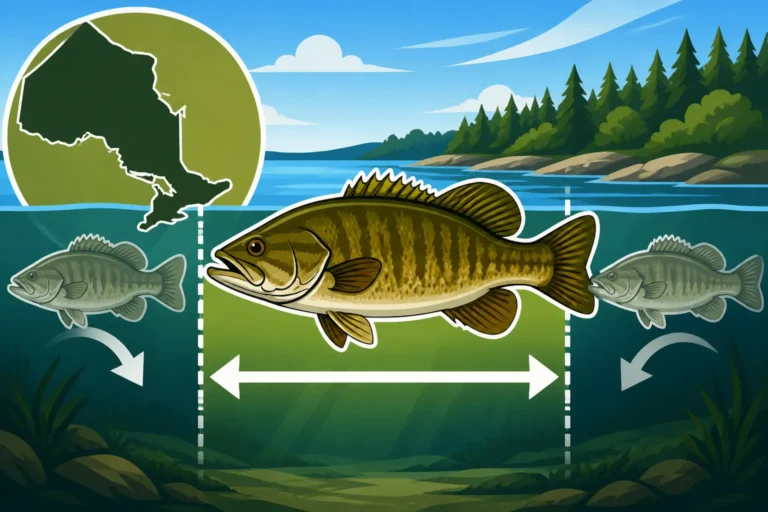
One of the biggest sources of confusion for anglers, especially those exploring different parts of the province, is that Ontario isn't a "one-size-fits-all" when it comes to fishing regulations. The province is vast, with incredibly diverse ecosystems, and to manage its fisheries sustainably, it's been divided into numerous Fisheries Management Zones, or FMZs.
Each FMZ has its own specific set of regulations, tailored to the unique fish populations and ecological needs of that area. What's perfectly legal in one zone could be a violation in another. This is particularly true for a prized species like Lake Trout, which can have varying population health and management strategies depending on the region. For instance, a remote, pristine lake in FMZ 2, which is part of the far northwestern region, might have different limits than a heavily fished lake in FMZ 16, which encompasses parts of southern Ontario. This variability ensures that local fish stocks are protected and managed effectively. Understanding these zones is paramount, and our detailed explanation of Ontario Fisheries Management Zones, Explained can give you a much deeper insight into this crucial system.
Sport vs. Conservation License and Lake Trout Limits
Adding another layer to the regulation onion is your choice of fishing license: a Sport Fishing License or a Conservation Fishing License. This isn't just about the price tag; it directly impacts the number of fish, including Lake Trout, you are legally allowed to keep. It's a fundamental decision that every angler makes, and it has immediate repercussions on your daily and possession limits.
A Sport Fishing License is designed for anglers who want to maximize their catch and keep opportunities. Generally, this license type comes with higher daily and possession limits for most species, including Lake Trout. If you’re planning an aggressive fishing trip where you intend to keep a fair number of fish for consumption, a Sport Fishing License will likely be your preferred option. It allows for a more generous take, acknowledging that some anglers wish to harvest more of their catch.
On the other hand, a Conservation Fishing License is for those who prioritize conservation and wish to have a minimal impact on fish populations. This license type typically comes with reduced daily and possession limits, often half of what a Sport License allows. While the limits are smaller, this option is usually less expensive and is perfect for anglers who enjoy the act of fishing more than the harvest, often practicing catch and release. Many casual anglers or those who only want to keep a few fish for a meal opt for the Conservation License, contributing to a more sustainable fishery. For a thorough breakdown of how these licenses differ and how to choose the right one for your needs, be sure to read our article on Ontario Sport vs Conservation Fishing License. The specific limits for Lake Trout will be clearly laid out in the regulations summary, specifying the difference for each license type within each FMZ.
Locating Specific Lake Trout Limits for Your Fishing Trip
Alright, so you understand the difference between daily and possession limits, and you know that FMZs and your license type play a role. Now, the big question: how do you find the exact Lake Trout limits for your specific fishing destination? The answer lies primarily in the official Ontario Fishing Regulations Summary. This document is your fishing Bible, and consulting it before every trip is not just a recommendation, it's a necessity.
The Ontario Fishing Regulations Summary is published annually by the Ministry of Natural Resources and Forestry (MNRF). It contains all the rules and regulations you need to know, from open seasons and limits to specific gear restrictions and special regulation waters. It can feel a bit intimidating at first glance, with its tables and small print, but once you know how to navigate it, it becomes an invaluable tool. You can pick up a physical copy at most ServiceOntario locations, tackle shops, or even provincial park offices. Many anglers find it helpful to have a physical copy to reference while on the water. You can also download a digital PDF version from the Ontario government website, which you can save to your phone or tablet for easy access. If you're looking for a durable, waterproof version to keep in your boat or tackle bag, you might even find specialty fishing maps or laminated regulation summaries available on Amazon, which can be incredibly useful in unpredictable weather conditions.
Beyond the summary itself, the Ontario government also offers an amazing interactive online tool called Fish ON-Line. This web-based map allows you to pinpoint your exact fishing location and instantly see the regulations that apply to that specific body of water. It's an absolute game-changer for many anglers, especially when you're exploring new lakes or rivers. To truly master the art of finding your specific limits, our guide on Reading the Ontario Fishing Regulations Summary offers a detailed walkthrough, making sure you don't miss a single detail.
A Practical Look at Reading the Regulations for Lake Trout
Let's walk through a hypothetical scenario to make this concrete. Imagine you're planning a trip to a beautiful lake near Temagami, which falls within FMZ 11. To find the Lake Trout limits:
- Open the Regulations Summary: Either your physical copy or the digital version.
- Navigate to the FMZ Tables: Find the section dedicated to FMZ 11. The summary is typically organized by FMZ, then by species, or a general table for all species within that zone.
- Locate "Lake Trout": Scan the tables for "Lake Trout" or "Lakers."
- Identify Your License Type: You'll see separate columns or rows for "Sport Fishing License" and "Conservation Fishing License."
- Find the Daily and Possession Limits: Under your chosen license type, you'll see the specific numbers. For example, it might say:
- FMZ 11, Sport Fishing License: Daily 2, Possession 2
- FMZ 11, Conservation Fishing License: Daily 1, Possession 1
This means if you have a Sport License, you can keep up to two Lake Trout per day, and have no more than two in your possession at any time. If you have a Conservation License, that drops to one per day and one in possession.
It's also crucial to pay attention to any footnotes or specific lake exceptions. Some lakes might have "Special Regulation Waters in Ontario," meaning they have unique rules that override the general FMZ regulations. These could include catch-and-release-only sections, slot limits (where only fish within a certain size range can be kept), or specific season dates for Lake Trout that differ from the general zone opener. For example, some remote, delicate Lake Trout fisheries might be designated as Ontario Catch and Release Only Waters to protect their fragile populations. Always double-check these special regulations, as they are legally binding and supersede the broader FMZ rules. Similarly, make sure you're aware of the specific Ontario Fishing Season Dates by Zone for Lake Trout, as fishing outside of these dates is strictly prohibited, regardless of limits.
The Importance of Knowing Your Exact Location
You might think, "I know I'm fishing Lake Superior, so I'll just check the FMZ for Lake Superior." But hold on a second! Ontario's waters are vast and complex. Many large lakes or rivers can span multiple FMZs, or have specific areas that are designated differently. For instance, a section of a river that flows into a larger lake might be in a different FMZ than the main body of water, or it could have its own special regulations due to unique spawning grounds or protected species.
This is where tools like the Fish ON-Line interactive zone map truly shine. Instead of guessing, you can zoom right in on your exact launch point or fishing spot and see precisely which FMZ applies. This takes all the guesswork out of it and helps you avoid inadvertently breaking the rules. Imagine fishing a massive body of water like Lake Nipissing, which borders several different FMZs. Without knowing your precise location, you could easily be operating under the wrong set of limits. To stay compliant and confident, it's always best to have a reliable GPS, a map of the area, or a mapping app on your phone that clearly outlines FMZ boundaries. For those who prefer traditional navigation, you can often find detailed topographic maps or fishing charts that mark these zones, and many of these specialized maps are conveniently available through online retailers like Amazon, ensuring you have the right tools to navigate safely and legally.
Consequences of Exceeding Lake Trout Limits
Let's talk about the serious side of things for a moment. While most anglers are respectful of regulations, mistakes can happen, and sometimes, unfortunate incidents occur. However, ignorance of the law is not a defense, and exceeding your Lake Trout limits, whether accidentally or intentionally, carries significant legal implications. Conservation officers patrol Ontario's waters vigilantly, and they are well-trained and dedicated to protecting the province's natural resources. Their job is to ensure sustainable fishing for everyone, and that includes enforcing bag and possession limits.
The presence of conservation officers isn't meant to spoil your fun; it's to safeguard the future of fishing in Ontario. They conduct routine checks at boat launches, on the water, and even at remote access points. If they find you in violation of the limits, you will face consequences. It's important to remember that they're looking out for the health of the fishery and ensuring fair play among all anglers. This is why being absolutely clear on your Ontario Fishing Regulations Explained before you even cast a line is paramount.
Fines and Potential Charges for Over-Limiting
The penalties for exceeding daily or possession limits for Lake Trout in Ontario can be quite severe. You're not just looking at a slap on the wrist. Fines are substantial and can range into the hundreds or even thousands of dollars, depending on the number of fish over the limit and the specific circumstances. Each fish illegally possessed can count as a separate offense, quickly escalating the total fine.
Beyond financial penalties, serious or repeat offenses can lead to other, more impactful consequences. This might include the seizure of your fishing gear, your boat, or even your vehicle. In extreme cases, you could face a court appearance, a criminal record, and a ban from fishing in Ontario for a period of time. Imagine having your prized fishing boat impounded because you miscalculated your Lake Trout possession limit – it's a nightmare scenario that no one wants to experience. For a comprehensive overview of the repercussions you could face, our article on Fishing Without a License in Ontario: Penalties provides valuable insights, as many of these penalties apply to various regulation violations, not just licensing.
Long-Term Impact on Lake Trout Populations
Beyond the legal ramifications, there's a much broader and more significant consequence to exceeding limits: the impact on the Lake Trout population itself. Lake Trout are an iconic species in Ontario, known for their powerful fights and delicious flesh. However, they are also a relatively slow-growing, long-lived species, often taking many years to reach maturity and reproductive size. This makes them particularly vulnerable to overfishing.
When anglers consistently exceed limits, even by just a few fish here and there, it puts undue pressure on these populations. It reduces the number of breeding adults, which in turn impacts future generations of Lake Trout. This can lead to declining fish stocks, smaller average sizes of fish, and ultimately, a less vibrant and healthy fishery for everyone. The regulations are not arbitrary; they are carefully determined by fisheries biologists based on extensive research and monitoring of fish populations. They are put in place to ensure that Ontario's Lake Trout fisheries remain healthy and productive for generations of anglers to come. Respecting these limits is a direct way every angler can contribute to the conservation and sustainability of this magnificent species.
| License Type | FMZ 2 (Northwest Ontario) Daily Limit | FMZ 11 (Northeast Ontario) Daily Limit | FMZ 16 (Southern Ontario) Daily Limit |
|---|---|---|---|
| Sport Fishing | 2 | 2 | 1 |
| Conservation Fishing | 1 | 1 | 0 (Often catch & release only) |
Note: These are hypothetical examples. Always consult the current Ontario Fishing Regulations Summary for exact, up-to-date limits for your specific location.
Disclaimer
The information provided in this guide is for general informational purposes only and is not intended as legal advice. Fishing regulations in Ontario are subject to change, and specific rules can vary by location, species, and time of year. Always consult the most current official Ontario Fishing Regulations Summary published by the Ontario Ministry of Natural Resources and Forestry (MNRF) before heading out to fish. It is the angler's responsibility to know and follow all applicable laws and regulations.