Best Fluorocarbon Line for Clear Lake Water
Oh, the crystal-clear waters of an Ontario lake! They can be absolutely stunning to look at, reflecting the towering pines and expansive blue sky. But for us anglers, those beautiful, clear conditions can also be one of our biggest frustrations, turning otherwise eager fish into incredibly cautious, line-shy targets. If you've ever felt like your fishing line was practically glowing under the surface, warning every walleye and smallmouth to keep their distance, you know exactly what I'm talking about. This guide is here to shed some light on why that happens and, more importantly, introduce you to the game-changing solution: fluorocarbon fishing line, and how to make it your secret weapon for success in Ontario's clear waters.
Why Clear Water Demands Specialized Line
There’s nothing quite like launching your boat onto a pristine Ontario lake, only to find the water so clear you can see your lure disappear twenty feet down. It’s breathtaking, yes, but it often means you're in for a tougher bite. Fish in these high-visibility conditions have adapted over generations to be incredibly wary of anything that looks unnatural, and that includes your fishing line.
The Frustration of Spooky Fish in Gin-Clear Lakes
Imagine yourself on Lake Simcoe, known for its incredible clear spots, or perhaps a remote, spring-fed lake in Algonquin Park. You’re targeting those elusive smallmouth bass hugging rocky points or deep walleye suspended over structure. You cast your favourite lure, perfectly presented, but time and again, the fish shy away. It feels like they’re seeing something, doesn’t it? That flash of light reflecting off your line, or the visible thread extending from your lure to your rod tip, can be enough to send even aggressive fish darting away. This isn't just a hunch; it's a well-documented behaviour. When light penetrates the water, it illuminates everything, and an opaque fishing line stands out like a neon sign, especially if the sun is high or the water is exceptionally clean.
It’s a frustrating cycle: you want to use lighter line for a more natural presentation, but then you worry about abrasion from rocks or losing that trophy fish. You try to hide the line, but unless you’re using specific techniques or materials, it just isn't effective enough. This constant battle with line visibility can truly take the joy out of fishing in some of Ontario’s most beautiful, yet challenging, environments.
How Standard Monofilament Fails in High Visibility
For years, monofilament was the go-to fishing line for pretty much everyone. It’s affordable, easy to tie, and has good stretch, which can be forgiving. However, monofilament has a critical flaw when it comes to clear water: its refractive index. The refractive index is a measure of how much light bends when it passes through a material. Water has a certain refractive index, and monofilament line has a significantly different one. This difference means that when light hits your monofilament line underwater, it reflects and refracts dramatically, making the line highly visible to fish. Think of it like looking through a window into a brightly lit room at night – you see your own reflection clearly.
This isn't just a minor issue; it's a fundamental physical property that works against you. In murky water or low light, it might not be as big of a deal, but in those pristine lakes or even just on a bright sunny day, your monofilament can become a glaring beacon of unnatural presence. Fish aren't dumb; they learn to associate those visible lines with danger, or at the very least, something that doesn't belong. This is why many experienced anglers often switch to leaders or even entire spools of more advanced lines when fishing incredibly clear areas like parts of Lake Erie or the deep, clear bays of Georgian Bay. Lake Erie Fishing Guide can certainly help with understanding the unique challenges of that particular body of water.
Understanding Fluorocarbon: The Science Behind Its Invisibility
So, if monofilament is a beacon, what's the solution? Enter fluorocarbon line. It’s been a game-changer for many anglers, especially those who frequently find themselves battling line-shy fish in clear conditions. But what makes it so different? It's all about the science.
Refractive Index and Light Transmission
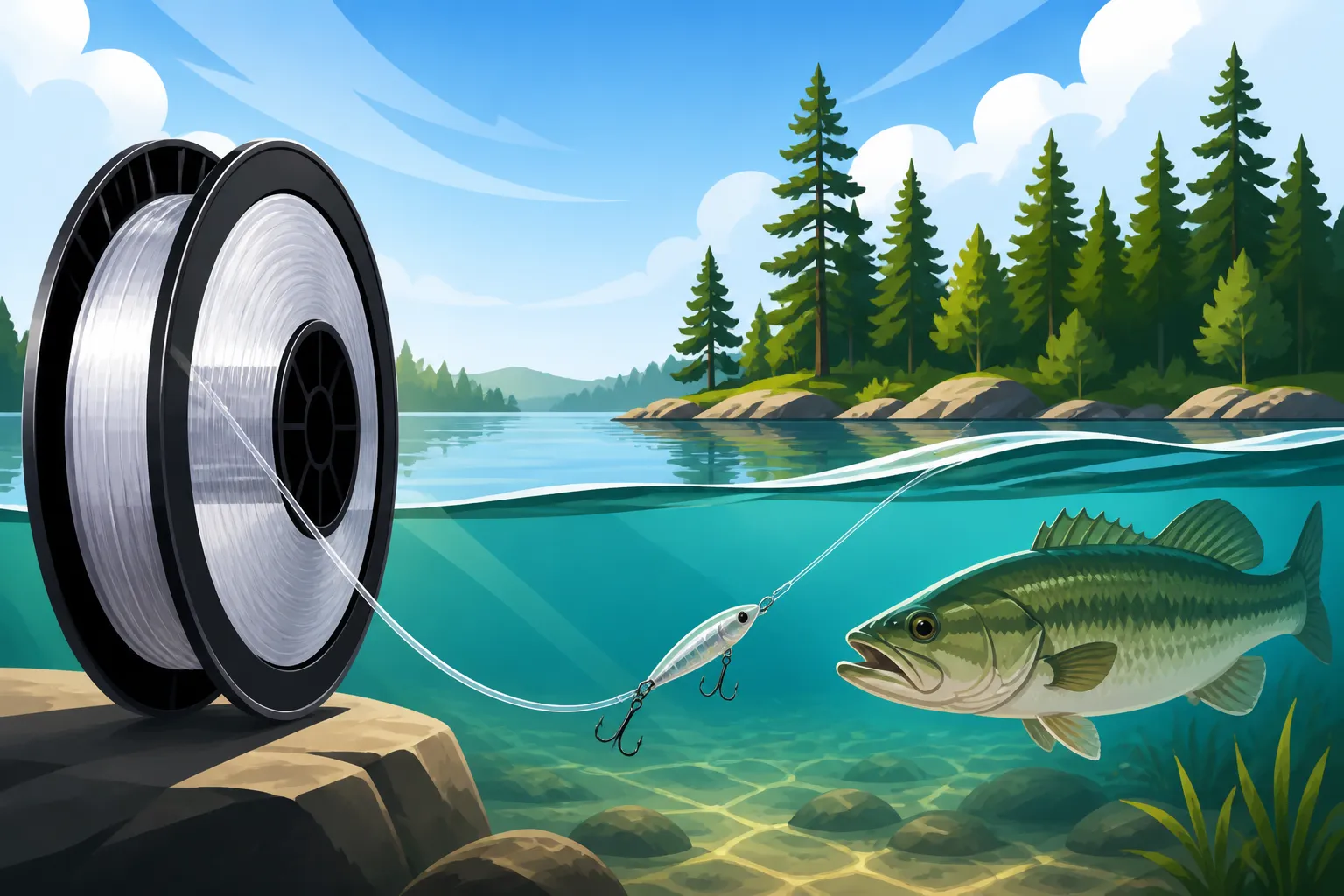
The magic of fluorocarbon lies in its unique molecular structure, specifically its refractive index. As mentioned, water has a specific refractive index. Monofilament has one that differs significantly. The beauty of fluorocarbon is that its refractive index is incredibly close to that of water. This means that when light passes from water into fluorocarbon, it bends much less than it would with monofilament. The result? The line essentially "disappears" or becomes much less visible underwater. It's not truly invisible, of course, but it's as close as you can get with current fishing line technology.
This property is especially pronounced in bright sunlight and very clear water, precisely the conditions where monofilament lets you down. Imagine a clear drinking glass in a sink full of water – it's much harder to see than if it were an empty glass. Fluorocarbon acts much like that submerged glass, allowing light to pass through it with minimal distortion. This optical trickery is the primary reason why fluorocarbon has become so popular for everything from finesse techniques for How to Catch Smallmouth Bass in Ontario to targeting wary How to Catch Walleye in Ontario.
The Advantages Over Mono and Braid in Clear Conditions
Beyond its near-invisibility, fluorocarbon offers several other significant advantages over traditional monofilament and braided lines, particularly in clear water scenarios.
Firstly, abrasion resistance. Fluorocarbon is remarkably tough. Its dense, non-porous structure makes it highly resistant to nicks and cuts from rocks, logs, and fish teeth. This is a huge benefit when you’re fishing around rocky structures for smallmouth bass or dealing with zebra mussel beds common in many Ontario lakes. You can fish with more confidence, knowing your line is less likely to fray and break.
Secondly, low stretch and high sensitivity. Unlike monofilament, which can stretch quite a bit, fluorocarbon has very little stretch. This translates directly into increased sensitivity. You can feel even the most subtle bites, whether it's a light tap from a perch or a soft inhale from a walleye in deep water. This sensitivity is crucial for detecting those barely-there strikes that often occur when fish are being finicky. The low stretch also provides better hook sets, transferring more energy from your rod tip directly to the hook point.
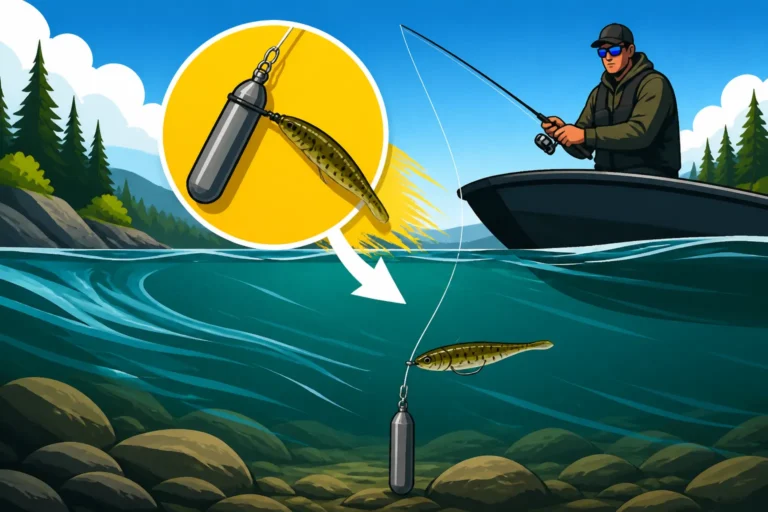
Thirdly, density and sink rate. Fluorocarbon is denser than both monofilament and water, meaning it sinks faster. This can be a huge advantage when you want your lure or bait to get down to the strike zone quickly and stay there, especially when fishing current or trying to present a bait vertically. For instance, when jigging for deep lake trout or presenting a dropshot rig for smallmouth, fluorocarbon helps maintain that direct connection to your lure, providing better feel and control. How to Catch Lake Trout in Ontario often involves deep water presentations where this characteristic shines.
Now, it's not all sunshine and roses. Fluorocarbon can be a bit stiffer than mono, and it can be more expensive. It also tends to retain memory if not spooled correctly. However, the benefits in clear water often outweigh these minor drawbacks, especially when the fish are playing hard to get. For mainline applications, some of the newer, more supple fluorocarbons available at retailers like Bass Pro Shops have really helped mitigate some of the stiffness concerns, making them much more user-friendly.
Key Characteristics of Quality Fluorocarbon for Ontario Waters
When you're outfitting yourself with fluorocarbon for Ontario's diverse fishing grounds, not all lines are created equal. Understanding the key characteristics of a quality fluorocarbon line will help you pick the best one for your specific needs, whether you're targeting smallmouth in the rocky shoals of Georgian Bay or walleye in the sandy flats of Lake Erie.
Abrasion Resistance for Rocky Structures
Ontario's lakes and rivers are full of character – and by character, I often mean jagged rocks, submerged timber, and crusty zebra mussel beds. These elements are fantastic fish habitat, but they can be absolutely brutal on fishing line. A quality fluorocarbon line offers exceptional abrasion resistance, making it an ideal choice for these challenging environments. This resilience comes from its dense molecular structure, which is harder and more resistant to cutting and scraping than monofilament.
Think about fishing for smallmouth bass along a rip-rap causeway or bouncing a jig off rocky bottom structure. Each bump and grind would quickly weaken a less durable line, leading to frustrating break-offs. With a good fluorocarbon, you gain confidence that your line can withstand these encounters, allowing you to fish more aggressively in prime fish-holding areas. This means fewer lost lures and, more importantly, fewer lost fish when they make that final surge into cover. When exploring options, check reviews for lines specifically praised for their toughness – many brands focus on this attribute for a reason.
Sensitivity and Low Stretch for Subtle Bites
One of the often-underestimated benefits of fluorocarbon is its remarkable sensitivity, directly linked to its low-stretch properties. While some stretch can be forgiving, too much stretch means you lose connection with your lure and, more crucially, with the fish. In clear, cold Ontario waters, fish can be incredibly finicky, and bites might be nothing more than a faint tick or a slight change in pressure.
Imagine jigging for walleye in deep water or working a dropshot rig for smallmouth. With a low-stretch fluorocarbon, every subtle movement of your lure, every light "thump" as it hits the bottom, and every tentative bite is transmitted with crystal clarity right to your rod tip. This heightened feedback allows you to react faster and set the hook more effectively, turning what might have been missed opportunities into successful catches. This sensitivity is also paramount when using finesse techniques, where precise lure control and bite detection are key. For anglers serious about maximizing their feel on the water, fluorocarbon's almost direct connection to the lure is an invaluable asset.
Knot Strength and Suppleness: A Balancing Act
Here's where things can get a little tricky with fluorocarbon: finding the right balance between knot strength and suppleness. Early fluorocarbon lines had a reputation for being stiff and prone to knot failure if not tied correctly. This stiffness is a byproduct of its dense material, but manufacturers have made huge strides in recent years. Today, many high-quality fluorocarbon lines offer a much more supple feel while maintaining excellent knot strength.
Why does this matter? A supple line handles better on your spinning reel, reducing line memory and coiling. It also allows for a more natural presentation of your lure. As for knot strength, it's non-negotiable. Even the most "invisible" line is useless if it breaks at the knot. The key is to choose lines known for good knot integrity and to always use knots specifically recommended for fluorocarbon, such as the Palomar or an improved clinch knot, ensuring they are well-lubricated before cinching down. Over-tightening can burn and weaken the line. When you’re shopping for fluorocarbon, especially online at places like Amazon, pay close attention to angler reviews that discuss both suppleness and knot reliability. It’s a delicate balance, but the best lines manage to achieve it.
| Characteristic | Monofilament (Mono) | Braided Line (Braid) | Fluorocarbon (Fluoro) |
|---|---|---|---|
| Visibility in Clear Water | High (Highly visible) | High (Visible, opaque) | Low (Nearly invisible) |
| Stretch | High (Very stretchy) | None (Zero stretch) | Low (Minimal stretch) |
| Sensitivity | Low (Absorbs shock well) | High (Excellent feel) | High (Very sensitive) |
| Abrasion Resistance | Moderate | Low (Frays easily) | High (Very tough) |
| Density/Sink Rate | Low (Floats) | Neutral (Floats/suspends) | High (Sinks quickly) |
| Knot Strength (Properly Tied) | Good | Excellent | Good (Requires specific knots) |
| Suppleness/Handling | Excellent (Very soft) | Excellent (Very soft) | Moderate (Can be stiff) |
| Cost | Low | Moderate to High | Moderate to High |
Choosing the Right Fluorocarbon for Different Ontario Fishing Scenarios
Ontario is a vast province with an incredible variety of fishing opportunities, from small streams to the Great Lakes. No single fluorocarbon line will be perfect for every situation, so understanding how to tailor your choice to the specific fishing scenario is crucial for success.
Mainline vs. Leader Material Applications
One of the most common debates among anglers is whether to use fluorocarbon as a main line or strictly as a leader. Both applications have their merits, and the best choice often depends on the type of fishing you're doing.
Fluorocarbon as a Leader: This is perhaps the most popular application. Many anglers prefer to spool their reels with braided line, which offers incredible strength-to-diameter ratio, zero stretch for maximum sensitivity, and excellent casting distance. However, braid is highly visible underwater. This is where a fluorocarbon leader comes in. You tie a length (typically 2-10 feet, sometimes more) of fluorocarbon to the end of your braided main line using a strong knot like an FG knot or a double uni. This gives you the invisibility of fluorocarbon right at your lure, combined with the strength and casting benefits of braid. It’s a fantastic system for clear water, especially when targeting wary fish like pickerel in the shallow, clear sections of the French River or smallmouth on the rocks of the Rideau Lakes. The low visibility of the leader helps maintain that natural presentation while the braid ensures you feel every subtle bite.
Fluorocarbon as Mainline: Some anglers, particularly those fishing exclusively with spinning gear for finesse presentations or seeking maximum sensitivity, opt for spooling their entire reel with fluorocarbon. This provides consistent invisibility from the reel to the lure, which can be advantageous in extremely clear waters or when targeting highly pressured fish. It eliminates the need for a leader knot, which can sometimes be a point of failure or an obstruction through rod guides. However, full fluorocarbon spools can be more expensive, and the line’s stiffness can lead to more line memory and tangles, especially on spinning reels, if not managed carefully. It's often recommended for baitcasting setups where line management is generally easier. Regardless of your choice, ensuring your reel is properly spooled is key to avoiding issues.
Pound Test Considerations for Various Species (Walleye, Smallmouth)
Selecting the correct pound test is critical, balancing invisibility with strength. Too heavy, and you risk spooking fish; too light, and you risk break-offs.
- Walleye: For most walleye fishing in clear Ontario lakes like Lake Nipissing or the Bay of Quinte, especially when jigging or casting lighter baits, a 6-10 lb fluorocarbon line (as a leader or mainline) is often ideal. If you're trolling with heavier baits or in areas with significant snags, you might bump up to 12-15 lb. Lighter lines offer a more natural presentation, which is key for these finicky feeders. Best Tackle for Ontario Walleye often recommends specific pound tests for different techniques.
- Smallmouth Bass: These hard-fighting fish often inhabit rocky, clear waters like Georgian Bay. For finesse techniques (dropshot, shaky head) in very clear water, 6-8 lb fluorocarbon leaders are common. For casting jigs, crankbaits, or topwater lures, 10-12 lb mainline or leader offers a good balance of strength and castability. If you’re fishing really heavy cover or targeting truly massive fish, 15 lb isn't out of the question, but remember the trade-off in visibility. How to Catch Smallmouth Bass in Ontario details methods where line choice is paramount.
- Lake Trout: When fishing for lake trout in deep, clear Canadian Shield lakes, invisibility is important, but so is strength and abrasion resistance, as they often dive to rocky bottoms. For jigging or live bait presentations, 10-15 lb fluorocarbon leader is a good starting point. For trolling with heavier gear, especially with downriggers, a 20 lb fluorocarbon leader is not uncommon to handle larger fish and the pressures of deep-water trolling. Remember, a smaller diameter line for its strength is generally preferred.
- Panfish (Perch, Crappie): For ultra-finesse presentations for jumbo perch on Lake Simcoe or crappie in brush piles, 4-6 lb fluorocarbon leader is perfect. The low visibility is paramount for these often-wary panfish, and the light line allows for maximum lure action. Best Tackle for Panfish will guide you further on this.
It's all about matching the line strength to the target species, the cover you’re fishing, and the size of your lure. When in doubt, err slightly on the lighter side for clear water, but always be aware of the potential for snags.
Temperature and Water Clarity Variations Throughout the Seasons
Ontario's fishing seasons bring a wide range of water temperatures and, consequently, varying levels of water clarity. Your fluorocarbon choice might adapt to these changes.
- Spring: During spring melt and early season, waters can often be colder and sometimes murkier due to runoff, but many lakes still maintain significant clarity. As the water warms, clarity generally improves. Fluorocarbon is crucial as fish become more active and start to feed aggressively in clearer areas. The low stretch helps detect those initial bites from awakening fish.
- Summer: This is peak clear water season in many Ontario lakes. Long daylight hours and stable conditions allow light to penetrate deep, making line visibility a major concern. Summer is prime time for fluorocarbon, especially when fishing for deep-holding smallmouth or suspended walleye in bright conditions. The density of fluoro helps get baits down through the water column quickly.
- Fall: As temperatures drop, water clarity often increases dramatically as algae blooms die off and particulates settle. This is another excellent time for fluorocarbon. Fish are often feeding heavily in preparation for winter, but the incredibly clear water can still make them line-shy, especially for trophy muskie or lake trout.
- Winter (Ice Fishing): For ice fishing, especially in clear lakes like Lake Simcoe, fluorocarbon is indispensable as a leader. When you're fishing small jigs and baits for perch, crappie, or even deep-water lake trout through the ice, the water beneath is often exceptionally clear. Your line's invisibility is paramount for enticing bites from fish that have ample time to scrutinize your presentation. The lack of stretch also helps tremendously with detecting subtle bites in cold water, as fish can mouth baits very lightly.
Top Tips for Rigging and Fishing with Fluorocarbon
Using fluorocarbon effectively isn't just about choosing the right pound test; it's also about proper rigging, knot tying, and maintenance. Given its unique properties, a little extra care goes a long way in maximizing its performance on the water.
Essential Knot Tying Techniques for Fluorocarbon
This is perhaps the most critical aspect of fishing with fluorocarbon. Because fluorocarbon is denser and less elastic than monofilament, it can be more prone to knot slippage or breakage if the wrong knot is used or if the knot isn't tied correctly. Friction heat generated during tightening can also weaken the line.
Here are a few trusted knots that perform exceptionally well with fluorocarbon:
- The Palomar Knot: This is a favourite for many anglers due to its simplicity and incredible strength. It consistently tests close to 100% of the line's breaking strength. It's excellent for tying directly to lures, hooks, or swivels. The key with fluorocarbon is to make sure you thoroughly lubricate the knot with saliva before drawing it tight, and pull it slowly and evenly. This prevents friction heat from weakening the line.
- The Improved Clinch Knot: Another solid choice, especially for lighter fluorocarbon lines. Again, lubrication is paramount. Ensure you make enough wraps (usually 5-7 depending on line diameter) and snug it down gently but firmly.
- The FG Knot: If you're using fluorocarbon as a leader and connecting it to braided mainline, the FG knot is considered by many to be the gold standard. It’s incredibly strong, has a very small profile, and slides through rod guides beautifully. It takes some practice to master, but the investment in learning it is well worth it, especially if you plan to frequently use braid-to-fluoro setups for Best Fishing Rods for Ontario Lakes. There are plenty of great tutorials online, and a quick search will show you how to tie it.
- The Double Uni Knot: A reliable alternative to the FG knot for braid-to-fluoro connections. While it has a slightly larger profile than the FG, it's easier to learn and still offers excellent strength for many situations.
Always trim your tag ends close, but not so close that the knot can slip. A small buffer is a good idea. And remember, practice makes perfect! Tie your knots at home where you're not battling wind, waves, or the excitement of a hot bite.
Spooling and Maintenance for Longevity
Properly spooling and maintaining your fluorocarbon line will extend its life and prevent common frustrations like line twist and memory.
Spooling:
- Filling the Reel: When spooling a spinning reel, lay the spool of fluorocarbon on the floor with the label facing up. Allow the line to come off the spool in coils. This helps prevent line twist, which fluorocarbon is more susceptible to than monofilament due to its inherent stiffness. For baitcasting reels, it’s generally best to have the line come off the filler spool over the top, onto the reel.
- Tension: Apply consistent, firm tension during spooling. This ensures the line is packed tightly and evenly on the reel, preventing "dig-ins" and reducing line memory. Don't overfill your spool; leaving a small lip will help prevent wind knots, especially on spinning reels.
- Conditioning: Some anglers like to treat their fluorocarbon with a line conditioner, especially after a few uses. Products designed for fishing line can help reduce memory and increase suppleness, making for smoother casting and fewer tangles.
Maintenance:
- Check for Nicks: Regularly inspect the first few feet of your line or leader for any nicks, abrasions, or kinks, especially after fishing around structure or landing a fish. Fluorocarbon is abrasion resistant, but not indestructible. If you find any damage, cut off the affected section and re-tie your lure. It's a small price to pay to avoid losing a trophy.
- Storage: Store your spools of fluorocarbon out of direct sunlight and extreme temperatures. UV rays can degrade line over time, and extreme heat or cold can affect its performance characteristics.
- Line Replacement: While fluorocarbon is durable, it's not eternal. Over time, all fishing line can degrade. If you're fishing frequently, consider replacing your mainline fluorocarbon every season or two, and your leaders even more often.
Pairing Fluorocarbon with Other Line Types (Braid to Fluorocarbon)
As touched upon earlier, the braid-to-fluorocarbon combination is a powerhouse setup for clear water fishing. It marries the best attributes of both lines into one highly effective system.
The Setup:
- Braided Mainline: Spool your reel with braided line in your desired pound test (e.g., 10-20 lb for bass and walleye, 30-50 lb for muskie). Choose a high-quality, smooth casting braid. Best Line Weight for Muskie Fishing can help you determine the right braid for those larger predators.
- Fluorocarbon Leader: Attach a fluorocarbon leader of appropriate length and pound test to your braided mainline using a strong, low-profile knot like the FG or Double Uni. The length can vary from a couple of feet (for very small lures) to 10-20 feet (for added shock absorption or when you want more fluorocarbon in the water). Generally, a leader of about 4-6 feet is a versatile starting point.
- Benefits: This system provides the incredible casting distance and sensitivity of braid, with the near-invisibility and abrasion resistance of fluorocarbon where it matters most – at your lure. It’s particularly effective for long casts on clear lakes, or when jigging deep where you need to feel the slightest tap. You can buy quality braided line and fluorocarbon leader material from reputable outdoor stores like Bass Pro Shops or even conveniently online via Amazon.
This hybrid approach allows anglers to confidently tackle even the most challenging clear water conditions in Ontario, knowing their presentation is as stealthy and effective as possible.
Disclaimer
This article is for general informational purposes only and does not constitute professional advice. Laws, prices and regulations vary by location and change over time. Consult a qualified professional for guidance on your specific situation.