Best Cooler for a Fishing Boat
There's nothing quite like the sting of reaching for a cold drink on a sweltering August day on Lake Simcoe, only to find it lukewarm, or worse, opening your cooler at the end of a successful day on the Bay of Quinte to find your prized walleye catch hasn't stayed as fresh as you'd hoped. Choosing the right cooler for your fishing boat is more than just picking a box; it's about safeguarding your refreshments, preserving your catch, and ultimately enhancing your entire angling experience on Ontario's beautiful waterways. This comprehensive guide will walk you through everything you need to know to select the perfect cooler that will stand up to the rigours of Ontario fishing, keeping things frosty and fish fresh.
Different Types of Fishing Boat Coolers
When you start looking for a cooler, you'll quickly realize there's a whole world beyond the basic plastic box. Each type has its own strengths and weaknesses, making them suitable for different kinds of fishing trips and boat setups. Understanding these differences is the first step in making an informed decision that will serve you well, whether you're chasing smallmouth on Georgian Bay or trolling for lake trout up north.
Rotomolded Hard Coolers
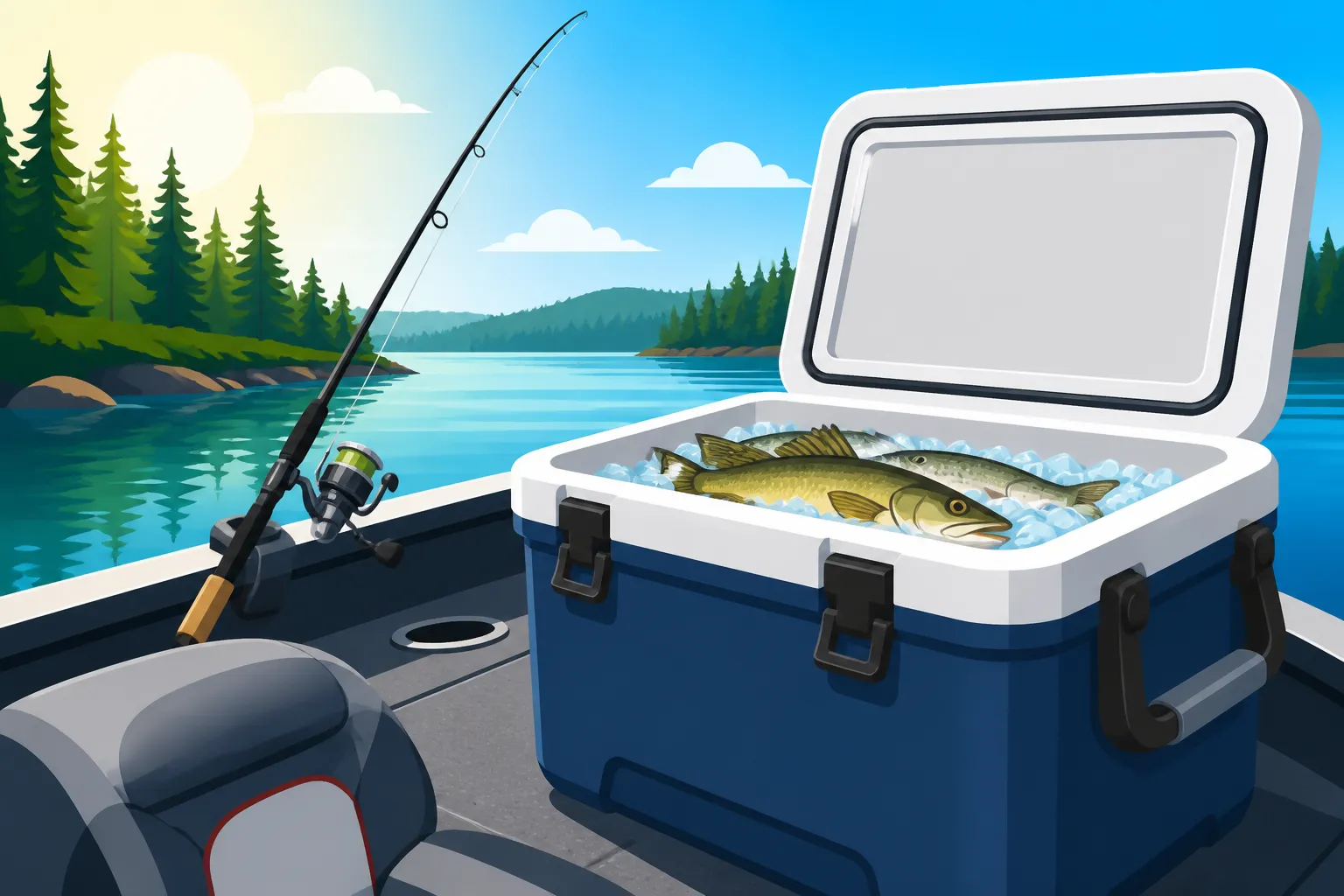
These are the heavyweights of the cooler world, and for good reason. Rotomolding is a manufacturing process where plastic is rotationally molded, resulting in a single, seamless piece with thick, insulated walls. This construction makes them incredibly durable, able to withstand being dropped, sat on, or used as a casting platform. If you've ever seen a cooler that looks like it could survive a bear attack, it was probably rotomolded. They are fantastic for long trips, especially when camping or if you're out on the water for multiple days, because their insulation capabilities are usually top-tier.
The robust construction means they can be heavier and often come with a higher price tag than other types. However, that investment pays off in superior ice retention and resilience. Many anglers swear by these for keeping trophy fish fresh during long runs back to the dock or for keeping drinks icy cold even under the relentless Ontario summer sun. Brands in this category often include features like heavy-duty latches, non-slip feet, and integrated tie-down slots, which are invaluable on a bouncing boat. You might find a wide selection of rotomolded coolers at a place like Bass Pro Shops, which often carries various reputable brands designed for serious outdoors enthusiasts.
Soft-Sided Coolers
For shorter trips, smaller boats, or when portability is paramount, soft-sided coolers are a fantastic alternative. These are typically made from durable fabrics like nylon or canvas, often with waterproof liners and insulation layers. While they won't hold ice as long as their rotomolded cousins, they are much lighter, easier to carry, and can often be collapsed or squished into tight storage spaces on your boat. Think about those times you’re heading out for a quick evening fish for pike in a smaller craft, and you just need to keep a few drinks and some snacks cool.
They're also great for bringing bait, like minnows or worms, especially if you want to keep them separate from your food and drinks. Many soft-sided coolers come with convenient shoulder straps, making them ideal for carrying from your vehicle to the boat, or even for shore fishing excursions. While they might not be the choice for storing a full day's catch of walleye, they excel at keeping essentials chilled for a few hours. For soft-sided coolers or specific accessories, online retailers like Amazon can offer a huge range of choices and user reviews to help you find one that fits your needs and budget.
Electric Coolers
Electric coolers, sometimes called thermoelectric coolers, offer a different approach to keeping things cool. Instead of relying on ice, they plug into a 12-volt power outlet (like a boat's accessory socket or a car's cigarette lighter) and use a thermoelectric module to cool their contents. Some models can even heat food, which is a neat trick for those chilly mornings on the water! The major benefit here is never having to worry about running out of ice or dealing with melting water. This can be a huge convenience, especially on longer trips where buying ice isn't always an option.
However, electric coolers do have limitations. They generally don't cool as effectively as ice-filled coolers, often only achieving about 20-30 degrees Celsius below the ambient temperature. This means on a really hot day, your "cold" drinks might still feel a bit warmer than you'd like. They also require a constant power source, which can drain your boat's battery if you're not careful, and they're not nearly as rugged as rotomolded options. They can be a great secondary cooler for drinks and snacks if your boat has ample power and space, freeing up your primary ice-filled cooler for fish or more critical items.
Key Features to Look For in a Fishing Boat Cooler
Once you've got a handle on the different types, it's time to dive into the nitty-gritty: the features that truly make a cooler stand out when you're out on the water. A good fishing cooler isn't just about insulation; it's about thoughtful design that caters to the specific demands of angling in places like Ontario.
Insulation and Ice Retention
This is arguably the most critical feature. The whole point of a cooler is to keep things cold, right? High-quality insulation, often made of pressure-injected polyurethane foam, is what allows a cooler to hold ice for days, not just hours. When you're fishing in Ontario, especially during the warmer months, temperatures can soar, and the last thing you want is a cooler that's sweating out its contents by lunchtime. Look for coolers that boast multi-day ice retention capabilities. Some manufacturers will even provide ice retention ratings in days.
It’s not just about the thickness of the walls, though that certainly helps. The quality of the insulation material and the construction methods used play a huge role. For example, rotomolded coolers excel here because their seamless construction minimizes thermal leakage points. Think about how frustrating it is to have your ice melt into a slushy mess halfway through a trip for Lake Erie Walleye Fishing. Good insulation means your drinks stay refreshingly cold, your lunch stays safe, and, most importantly, your catch remains prime for the dinner table.
Durability and Construction
A fishing boat is a harsh environment. Coolers get bumped, slid around, used as seats, and sometimes even as makeshift cutting boards. You need a cooler that can take a beating. This is where the robust construction of rotomolded coolers really shines, as mentioned earlier. Look for thick walls, a sturdy lid that won't flex under pressure, and strong hinges that can withstand repeated opening and closing. Metal hinges are generally more durable than plastic ones, though some high-quality plastic hinges are also very tough.
Consider the material. UV-resistant polyethylene exteriors are important for preventing the plastic from degrading and becoming brittle under prolonged exposure to the sun's rays. This is particularly relevant when your boat is often docked outdoors or stored uncovered. A cooler built to last will save you money in the long run by not needing replacement every few seasons. It also adds to the safety of your boat by providing a stable surface for sitting or stepping.
Portability and Ergonomics
While durability is key, you also need to be able to move the cooler around, both on and off the boat. This means paying attention to handles and overall design. Comfortable, robust handles are a must. Many larger coolers feature heavy-duty rope handles with ergonomic grips, which distribute weight better than simple plastic handles, especially when the cooler is fully loaded. Smaller soft-sided coolers will often have shoulder straps, which are great for portability.
Consider how the cooler will fit on your boat. Does it have a narrow footprint that won't take up too much deck space? Does it have non-slip feet to prevent it from sliding around in choppy waters? Some coolers are designed with recessed latches or flush surfaces that make them easier to stash in tight spots, like under a seat or in a storage compartment. If you often fish alone, a cooler that’s manageable to load and unload by yourself is a huge plus.
Drainage and Cleaning
Cleaning a cooler after a day of fishing, especially if you've had a messy catch, can be a chore. A good drain plug system makes this much easier. Look for large, leak-proof drain plugs that allow for quick and complete draining of meltwater or cleaning solutions. Some premium coolers feature drains that can be opened even when the cooler is upright, which is incredibly convenient.
The interior surface should be smooth and easy to wipe clean, resisting stains and odors. Some coolers have antimicrobial liners, which can help prevent the growth of mould and mildew, ensuring your cooler stays fresh-smelling for longer. Being able to easily clean your cooler not only maintains hygiene but also extends its lifespan. Nobody wants a cooler that perpetually smells like last week's forgotten bait!
Lid Latches and Gaskets
These small details make a big difference in a cooler's performance. Strong, secure latches are essential for keeping the lid tightly sealed, which in turn maintains the cold inside. Rubber T-latches, common on rotomolded coolers, are known for their durability and tight seal. You want latches that are easy to operate, even with cold or wet hands, but also secure enough that the lid won't pop open if you hit a rogue wave.
Equally important is a high-quality gasket around the lid. This rubber seal creates an airtight barrier between the lid and the cooler body, preventing cold air from escaping and warm air from sneaking in. Without a good gasket, even the best insulation can't do its job effectively. A worn or poor-quality gasket is often the first reason a cooler starts to underperform, so inspect this feature carefully. It's a key component in achieving optimal Best Cooler for a Fishing Boat.
Sizing Your Cooler for Ontario Fishing Trips
Choosing the right size cooler is a balancing act. Too small, and you won't have enough room for your drinks, snacks, or your catch. Too large, and it becomes unwieldy, takes up too much precious boat space, and might even be harder to keep cold. It's about matching the cooler's capacity to the typical length and purpose of your fishing excursions in Ontario.
Day Trips vs. Multi-Day Excursions
For most casual day trips, where you're out for 4-8 hours on a smaller body of water like the Rideau Lakes, a smaller to medium-sized cooler, say 25-45 quarts (approximately 24-42 litres), is often sufficient. This size can comfortably hold drinks, lunch for a few people, and a couple of panfish or a smaller bass. You don't want to lug around an enormous cooler if you only need to keep a few items cold. Soft-sided coolers can be great for this scenario due to their portability.
However, if you're planning longer, multi-day excursions to remote northern Ontario lakes or overnight camping and fishing trips, you'll need significantly more capacity. For these adventures, a 65-100+ quart (61-94+ litre) rotomolded cooler is often necessary. These larger coolers can hold enough provisions and ice for several days and have ample space for a substantial catch. Keep in mind that a larger cooler means more weight, especially when fully loaded, so factor in how you'll move it and whether your boat has adequate space and stability. When packing for longer trips, efficient use of space inside the cooler becomes key; consider freezing water bottles to serve as both ice and drinking water as they melt.
Fish Capacity vs. Food/Drink Capacity
This is a common dilemma for anglers. Are you bringing the cooler primarily for your lunch and drinks, or is its main mission to store your prized fish? Many anglers opt for two coolers: a smaller, more accessible one for food and drinks, and a larger, dedicated "fish cooler" for their catch. This prevents cross-contamination and keeps your refreshments tasting fresh. If you plan on keeping fish, remember that fish take up more space than you might think, especially if you're adhering to Ontario Bag and Possession Limits by Species.
When calculating fish capacity, assume roughly 1-2 pounds of fish per quart of cooler space, depending on the species and how tightly they're packed. You'll also need space for a generous amount of ice to properly chill them. For example, if you anticipate catching several decent-sized walleye or northern pike, a 65-quart cooler might just be enough for the fish and ice alone, leaving no room for your sandwiches. Consider if you'll be filleting on the boat, which saves space, or keeping fish whole.
Boat Size and Storage Constraints
The size and type of your boat will significantly influence your cooler choice. A small johnboat or a fishing kayak, for example, will only have room for a compact cooler, perhaps a 15-25 quart model, or a soft-sided bag. You simply don't have the deck space or the weight capacity for a massive rotomolded cooler. For those paddling on a Best Kayak for Lake Erie, a cooler designed to fit in a specific hatch or securely strapped to the deck is crucial.
Larger fishing boats, like deep-V aluminum boats, fiberglass bass boats, or even pontoon boats, offer much more flexibility. You might have dedicated cooler tie-down points, built-in cooler storage compartments, or ample deck space for a larger unit. Think about where the cooler will sit. Will it be out of the way? Will it double as a seat? Some boat designs even integrate coolers into their seating arrangements or casting decks. Always measure the available space on your boat before investing in a new cooler to avoid any unwelcome surprises.
Maintaining Your Cooler for Longevity and Performance
A good cooler is an investment, and like any good piece of gear, it needs a little love to perform at its best and last for many seasons. Proper maintenance isn't just about cleanliness; it's about maximizing ice retention and ensuring reliability every time you hit the water in Ontario.
Pre-Chilling and Ice Management
This is a game-changer for ice retention. A warm cooler, especially one that's been sitting in a hot garage, will immediately start melting your ice as it tries to cool down its own internal temperature. The trick is to pre-chill your cooler. Fill it with a sacrificial bag of ice or frozen water bottles the night before your trip, or even just put it in a walk-in fridge or a cool basement. Empty out the meltwater before adding your fresh ice and contents. This simple step can add hours, if not a full day, to your ice retention.
For ice management, avoid draining the meltwater immediately. A mix of ice and cold water will keep contents colder than just ice alone, up to a point. However, if you're dealing with fish, it's often better to drain excess water regularly to keep them from sitting in lukewarm water. Pack your cooler strategically: frozen items at the bottom, then ice, then refrigerated items, and finally your most accessed items on top. Block ice lasts much longer than cubes, and adding a layer of dry ice (if safe and properly handled) can extend ice retention significantly for very long trips.
Regular Cleaning and Odor Prevention
After every fishing trip, especially if fish have been in the cooler, a thorough cleaning is essential. Don't just rinse it out; give it a proper scrub. Use warm, soapy water (dish soap works fine) and a stiff brush to get into all the corners. For stubborn stains or lingering fishy odours, a solution of baking soda and water or a diluted bleach solution (one part bleach to ten parts water) can work wonders. Be sure to rinse thoroughly afterwards to remove all traces of cleaning agents.
Once cleaned, it's crucial to let your cooler air dry completely before storing it. Leaving the lid slightly ajar during storage is ideal to allow for air circulation and prevent mould, mildew, and stale odours from developing. You might even consider placing an open box of baking soda inside the cooler during storage to absorb any lingering smells. A clean cooler not only looks better but also performs better, as odours can actually permeate some insulation materials over time if neglected.
Storage Practices Off-Season
When the Ontario fishing season winds down, or your boat is put away for the winter, proper cooler storage ensures it's ready for action next spring. Clean and dry your cooler thoroughly, as described above. Store it in a cool, dry place, ideally somewhere out of direct sunlight. Garages, sheds, or basements are typically good options.
Never store anything inside the cooler with the lid latched shut, as this traps moisture and can lead to mould and foul odours. Prop the lid open slightly, or remove it entirely if possible, to allow for air circulation. If your cooler has removable gaskets, you might want to clean and inspect them, and even apply a silicone lubricant to keep them supple and prevent cracking. Taking these few extra steps in the off-season will protect your investment and ensure your cooler is ready to perform at its peak when the fishing calls you back to the water.
Top Cooler Brands and Their Offerings
The cooler market has exploded with options, and while many brands offer excellent products, some have truly set the standard for fishing boat coolers. Knowing a few of the top contenders can help you narrow down your choices and understand what features to prioritize based on your budget and needs.
Premium Rotomolded Options
When it comes to top-tier rotomolded coolers, certain brands dominate the conversation due to their exceptional ice retention, legendary durability, and thoughtful features. These coolers are often seen as an investment, but they truly deliver performance that serious anglers rely on. You'll find features like extra-thick insulation, freezer-grade gaskets, heavy-duty latches, and integrated tie-down slots that make them ideal for securing on a boat, even in rough waters.
These brands often come with robust warranties, reflecting their confidence in product longevity. While the initial cost might be higher, the peace of mind knowing your catch and provisions are perfectly preserved for multi-day trips or in extreme heat is often worth it for dedicated anglers. Many of these premium coolers also double as excellent seating or casting platforms, adding versatility to your boat. You can often find a wide array of these high-end options at large sporting goods stores like Bass Pro Shops, where you can compare different models side-by-side.
Value-Oriented Hard Coolers
Not everyone needs or wants to spend top dollar on a cooler, and thankfully, there are many excellent value-oriented hard coolers that offer fantastic performance without breaking the bank. These coolers may not boast the same multi-day ice retention as the premium brands, but they can still keep ice for a day or two, which is more than sufficient for most day trips or weekend excursions on Ontario's lakes and rivers. They often feature similar rotomolded construction or robust injection-molded designs that are still very durable.
Look for coolers that still offer good insulation, reliable latches, and sturdy handles. While they might be slightly heavier or have less elaborate features than their more expensive counterparts, they represent a strong balance of performance and affordability. These are perfect for anglers who fish regularly but don't necessarily need extreme ice retention or the absolute toughest build for professional use. Always check reviews for real-world performance, as sometimes a lesser-known brand can surprise you with its quality. Online retailers such as Amazon often have a diverse selection of these value coolers, complete with customer feedback.
Portable Soft Coolers
For quick trips, transporting bait, or simply having a secondary cooler for personal items, portable soft coolers are incredibly versatile. While not typically rotomolded, the best soft coolers use high-quality, dense foam insulation and often feature waterproof zippers and liners to prevent leaks. They are lightweight, easy to carry, and can be squeezed into tight spaces that a rigid cooler simply wouldn't fit.
These are ideal for anglers who frequent smaller craft like kayaks or canoes on waters like the French River, where space is at a premium, or for those who prefer to walk to their favourite shore fishing spots. While their ice retention is generally measured in hours rather than days, the top models can keep items cold for a full day. Look for sturdy exterior fabrics that resist punctures and abrasions, comfortable shoulder straps, and easily cleanable interiors. Many come with external pockets for extra storage, which can be super handy for keys, phones, or even smaller tackle items.
| Feature | Rotomolded Hard Coolers | Soft-Sided Coolers | Electric Coolers |
|---|---|---|---|
| Ice Retention | Excellent (Multi-day) | Good (Several hours to a full day) | No ice needed, cools to temp differential |
| Durability | Extremely High | Moderate (Puncture/abrasion resistant) | Moderate (Relatively fragile) |
| Weight (Empty) | Heavy | Light | Moderate |
| Portability | Low (Often two-person carry for large) | High (Shoulder strap, collapsible) | Moderate (Often has carry handles) |
| Typical Use | Multi-day trips, storing fish, heavy duty | Day trips, snacks, bait, small boats | Drinks/snacks, no ice, secondary use |
| Power Required | No | No | Yes (12V DC) |
| Cost | High | Moderate | Moderate to High |
| Maintenance | Easy to clean, requires drying | Easy to clean, requires drying, zipper care | Wipe clean, internal fan care |
Cooler Accessories and Organization Tips
Even the best cooler can be made better with a few well-chosen accessories and smart organizational habits. These additions can transform your cooler from a simple storage box into a highly efficient piece of fishing gear, especially useful when managing your equipment on your boat alongside your Best Tackle Box Setup for Ontario Anglers.
Baskets and Dividers
Once you've got a good cooler, keeping its contents organized can be a challenge. That's where baskets and dividers come in. Many rotomolded coolers offer dry goods baskets that suspend items above the ice and meltwater, keeping sandwiches, bread, and other perishables from getting soggy. This is incredibly useful for ensuring your lunch remains appealing throughout the day.
Dividers, either rigid or flexible, help separate your cooler's contents. You might use one section for drinks, another for food, and a third for bait or smaller fish. This prevents everything from becoming a jumbled, watery mess. For example, you could designate a specific area for your catch that will keep it isolated from your beverages. Some dividers are even insulated, allowing you to create different temperature zones within a single cooler, although this is less common.
Tie-Downs and Mounts
On a boat, especially when navigating choppy waters or making high-speed runs, an unsecured cooler can become a dangerous projectile. Many fishing boats have dedicated tie-down points on the deck, and many coolers are designed with integrated slots or loops for securing them. Heavy-duty cam straps or bungee cords are ideal for this. Always make sure your cooler is firmly secured before heading out.
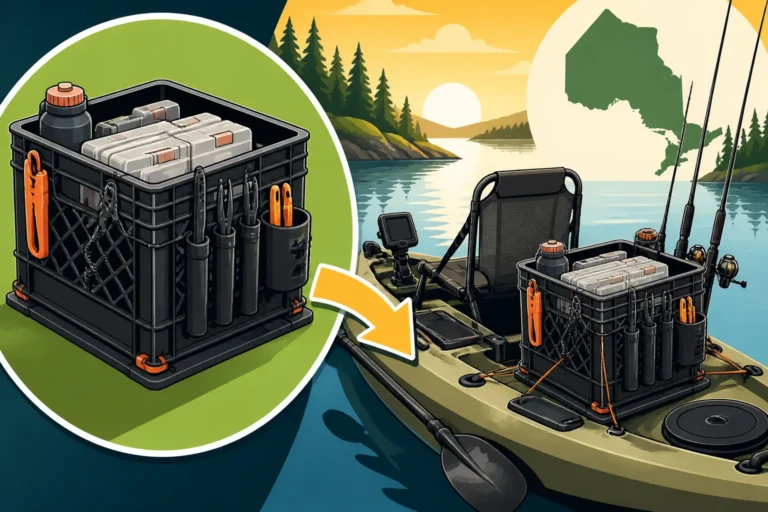
For smaller boats or kayaks, specialized cooler mounts can be invaluable. These might be suction-cup mounts, rail mounts, or even custom-fit trays that keep your cooler locked in place. Some anglers even build custom platforms or brackets to integrate their cooler seamlessly into their boat's layout. A stable, secure cooler enhances safety and prevents damage to your gear or, worse, injury to yourself or your passengers.
Cushion Tops and Rod Holders
Coolers often do double duty on a fishing boat. A cushion top accessory can transform your hard cooler into a comfortable extra seat, which is a great space-saver on smaller boats. These typically attach securely to the cooler lid and are made from marine-grade vinyl, designed to withstand sun and spray. It's much more comfortable to sit on a padded cushion than hard plastic, especially during long waits for a bite or when travelling between fishing spots.
Some coolers or aftermarket accessories even include integrated rod holders. These can be incredibly handy for temporarily storing a rod while you're unhooking a fish, re-tying a lure, or moving to a new location. Instead of leaning your rod precariously against the gunwale or stowing it on the deck where it might get stepped on, a dedicated rod holder on your cooler keeps it safe and accessible. This kind of multi-functionality is a huge plus for maximizing utility and organization on any fishing boat. It frees up space and ensures your valuable fishing rods are protected.
Disclaimer
This article is for general informational purposes only and does not constitute professional advice. Laws, prices and regulations vary by location and change over time. Consult a qualified professional for guidance on your specific situation.