Best inflatable life jacket for kayak anglers
For those of us who live and breathe kayak fishing in Ontario, there’s a constant tug-of-war between safety and comfort. You want to be protected on the water, absolutely, but you also need the freedom to paddle, cast, and reel without feeling like you're wearing a bulky marshmallow. This guide is all about cutting through that frustration and helping you find the perfect inflatable life jacket that keeps you safe without getting in the way of your next big catch.
Why Inflatable Life Jackets Are a Game-Changer for Kayak Anglers
Let's be real, traditional foam life jackets, or PFDs (Personal Flotation Devices), can be a real pain when you're trying to fish from a kayak. They're bulky, they ride up when you're sitting, they restrict your arm movement when casting, and they can make you sweat on a warm summer day. It's no wonder many anglers begrudgingly wear them or, worse, leave them on shore, which is a massive safety risk.
This is where inflatable life jackets truly shine for the kayak angler. They are designed with minimal bulk in mind, often resembling a slim belt pack or a sleek vest that you barely notice until it's needed. The magic lies in their CO2 cartridge system, which, when activated, rapidly inflates a bladder to provide the necessary buoyancy. This means you get the best of both worlds: uninhibited movement for those crucial casts and paddles, and reliable flotation should you unexpectedly find yourself in the water. It’s about being smart and staying safe without sacrificing the enjoyment of the sport you love.
Comfort and Mobility: Unrestricted Casting and Paddling
Imagine you're out on Lake Simcoe, perfectly positioned over a shoal, and a monster smallmouth hits your topwater lure. You need to react instantly, set the hook, and fight that fish with full range of motion. A bulky foam PFD can genuinely hinder this, digging into your armpits or making it awkward to lean and maneuver your rod. Inflatable PFDs, whether a belt pack or a slim vest, allow for almost complete freedom. They sit discreetly, often around your waist or lightly on your shoulders, so you can cast side-arm, overhead, or even reach around for gear in your kayak without feeling constrained.
This enhanced mobility isn't just about comfort; it's about performance and safety. When you're able to move freely, you're less likely to snag your line on your PFD, you can paddle more efficiently, and you can recover more easily if your kayak tips. For those long days on the water, especially when you're exploring new spots on a winding river or paddling across a large lake, the difference in comfort alone can be a game-changer. You're more likely to wear it, and that's the whole point.
Reduced Bulk and Heat Retention
Another significant benefit, particularly during Ontario's warmer fishing seasons, is the reduced heat retention. Traditional PFDs can feel like an oven on a hot, sunny day, leading to discomfort and even heat exhaustion. Inflatable PFDs offer far better ventilation because there's simply less material against your body. A belt pack, for instance, primarily covers your waist, leaving your chest and back open to the breeze. Even the vest-style inflatables are often designed with mesh panels and minimal fabric, promoting airflow.
This reduction in bulk is also fantastic for storage in your kayak. Space is always at a premium when you're out on the water, especially in smaller vessels. A deflated inflatable PFD takes up significantly less room than its foam counterpart, leaving more space for your tackle, cooler, or other essential gear. It’s a small detail, but one that contributes to a more organized and enjoyable kayak fishing experience.
Key Features to Look for in an Inflatable Life Jacket for Kayak Fishing
Choosing the right inflatable PFD isn't just about picking the first one you see. There are several critical features that can make a huge difference in safety, comfort, and functionality for a kayak angler. Understanding these options will help you make an informed decision that suits your personal fishing style and the waters you frequent in Ontario.
Manual vs. Automatic Inflation: Which Is Right for You?
This is perhaps the most crucial decision when selecting an inflatable life jacket. Both manual and automatic systems have their pros and cons, and the "best" choice really depends on your specific needs and the risks you anticipate.
Manual Inflatables: These PFDs require you to actively pull a tab to deploy the CO2 cartridge and inflate the bladder.
- Pros: They won't accidentally inflate if splashed by a rogue wave or if you take a swim to cool off. This can be a huge advantage for kayak anglers who often get wet during normal operations or might intentionally enter the water. You have complete control over when it inflates.
- Cons: You must be conscious and able to pull the cord for it to work. If you hit your head, become disoriented, or are otherwise incapacitated, a manual PFD won't help you.
- Best Use: Ideal for experienced paddlers who are confident in their ability to self-rescue, or those who frequently get splashed or swim while fishing. If you're often Kayak Fishing Techniques for Ontario Lakes or kayak fishing techniques for Ontario rivers, a manual might offer the control you prefer.
Automatic Inflatables: These PFDs have a water-soluble bobbin that dissolves upon prolonged immersion, automatically triggering the CO2 cartridge. Many also include a manual pull-cord as a backup.
- Pros: They offer peace of mind, as they will inflate even if you are unconscious or unable to react. This is a massive safety advantage, especially when fishing alone or in colder waters where hypothermia could quickly impair your ability to act.
- Cons: They can accidentally inflate if exposed to heavy rain or prolonged splashing, though modern designs are much more resistant to false deployments. They are generally a bit more expensive due to the advanced mechanism.
- Best Use: Highly recommended for anglers who might fish alone, in cold water conditions, or anyone seeking the maximum level of passive safety. If you're out on Lake Erie Fishing Guide where conditions can change rapidly, an automatic PFD could be a lifesaver.
It's vital to weigh these points carefully. For most kayak anglers, the slight risk of accidental inflation with an automatic unit is often outweighed by the enhanced safety, especially if fishing on larger, more exposed bodies of water.
| Feature | Manual Inflatable PFD | Automatic Inflatable PFD |
|---|---|---|
| Activation | Pull-cord (user initiated) | Water immersion (automatic) + Pull-cord (manual backup) |
| Primary Pro | Prevents accidental inflation from splashing; full control | Inflates even if user is unconscious/incapacitated |
| Primary Con | Requires conscious effort; useless if unable to react | Can accidentally inflate from heavy rain/prolonged splashing |
| Ideal User | Confident, active kayakers who get wet often; self-rescuers | Anglers seeking maximum passive safety; fishing alone or cold water |
| Cost | Generally lower | Generally higher |
| Re-arming | Requires manual re-arming kit after deployment | Requires manual re-arming kit after deployment |
Buoyancy Rating and US/Canadian Coast Guard Approval
While inflatable PFDs are less bulky, they still need to provide adequate flotation. In Canada, PFDs are rated by their buoyancy in Newtons (N) or pounds (lbs). For recreational use, you'll typically see options around 15.5 lbs (70N) for Type III or 22.5 lbs (100N) for Type V, which is equivalent to standard foam PFDs. For kayak fishing, a minimum of 15.5 lbs of buoyancy is generally recommended. Make sure any inflatable PFD you consider proudly displays its Canadian Coast Guard approval, often alongside US Coast Guard approval for products sold across North America. This isn't just a stamp; it means the device has met rigorous safety standards for design, materials, and performance. Without this approval, it's not considered a legal PFD in Ontario waters.
Fit and Adjustability
Even a minimal inflatable PFD needs to fit correctly to be effective. A PFD that's too loose can ride up and potentially slip over your head when inflated, while one that's too tight will be uncomfortable. Look for models with multiple adjustment points – usually at the waist, shoulders, or chest straps – to ensure a snug, secure fit. This is particularly important for kayak anglers who spend hours sitting and actively moving. A well-fitting PFD will stay in place, allowing you to focus on fishing rather than constantly readjusting your gear. Many models, especially the vest types, are designed to fit over your clothing without adding significant bulk.
Re-arming Kits and Maintenance
Inflatable PFDs are not a one-and-done item. After each deployment, whether accidental or intentional, they require a re-arming kit. These kits contain a new CO2 cartridge and, for automatic models, a new water-sensing bobbin. It's crucial to know what kind of re-arming kit your specific PFD needs and to keep a spare on hand, especially if you're planning a multi-day trip. Brands like Bass Pro Shops and Amazon typically stock a good selection of re-arming kits.
Regular maintenance is also key. Check your PFD before each outing: ensure the CO2 cylinder is tightly screwed in (if applicable for your model), inspect the fabric for any tears or punctures, and verify that the inflation indicator (usually a small window showing green) confirms it's ready for use. A quick visual inspection can prevent a critical failure when you need it most.
Types of Inflatable Life Jackets for Kayak Anglers
Inflatable PFDs come in a couple of main styles, each with its own benefits that cater to different preferences and fishing scenarios. Understanding these differences will help you pinpoint the best option for your kayak angling adventures across Ontario.
Belt Pack Inflatables: Maximum Freedom, Minimal Intrusion
Belt pack inflatables are the epitome of "out of sight, out of mind." They consist of a small pouch worn around your waist, secured by a strap. The inflatable bladder is neatly folded inside this pouch. When deployed, the bladder either inflates directly around your waist or, more commonly, requires you to slip it over your head to position it properly as a vest.
- Pros: These offer the absolute least amount of obstruction to your casting, paddling, and general movement. Your upper body is completely free, which is fantastic for intricate casting techniques or if you find any chest-mounted gear restrictive. They're also incredibly cool in hot weather, as very little material is against your skin. Many anglers appreciate their minimalist design, feeling less "encumbered" compared to even the slimmest vest. This can be a great option if you're fly fishing for trout in Ontario and need maximum arm movement.
- Cons: The primary drawback is that they require a conscious action (pulling the cord and potentially donning the bladder) to become fully functional. If you're incapacitated, they won't help you unless someone else activates and deploys it for you. This makes them less suitable for individuals who might be at higher risk of head injury or unconsciousness.
- Best Use: Perfect for experienced kayak anglers who prioritize unrestricted movement and comfort, especially in warmer conditions. They are also a good choice for those who might prefer to manually deploy their PFD and are confident in their ability to do so. Consider these if your primary concern is feeling absolutely unburdened while casting that Best Lures for Muskie Fishing in Ontario.
Vest-Style Inflatables: A Hybrid Approach to Safety and Comfort
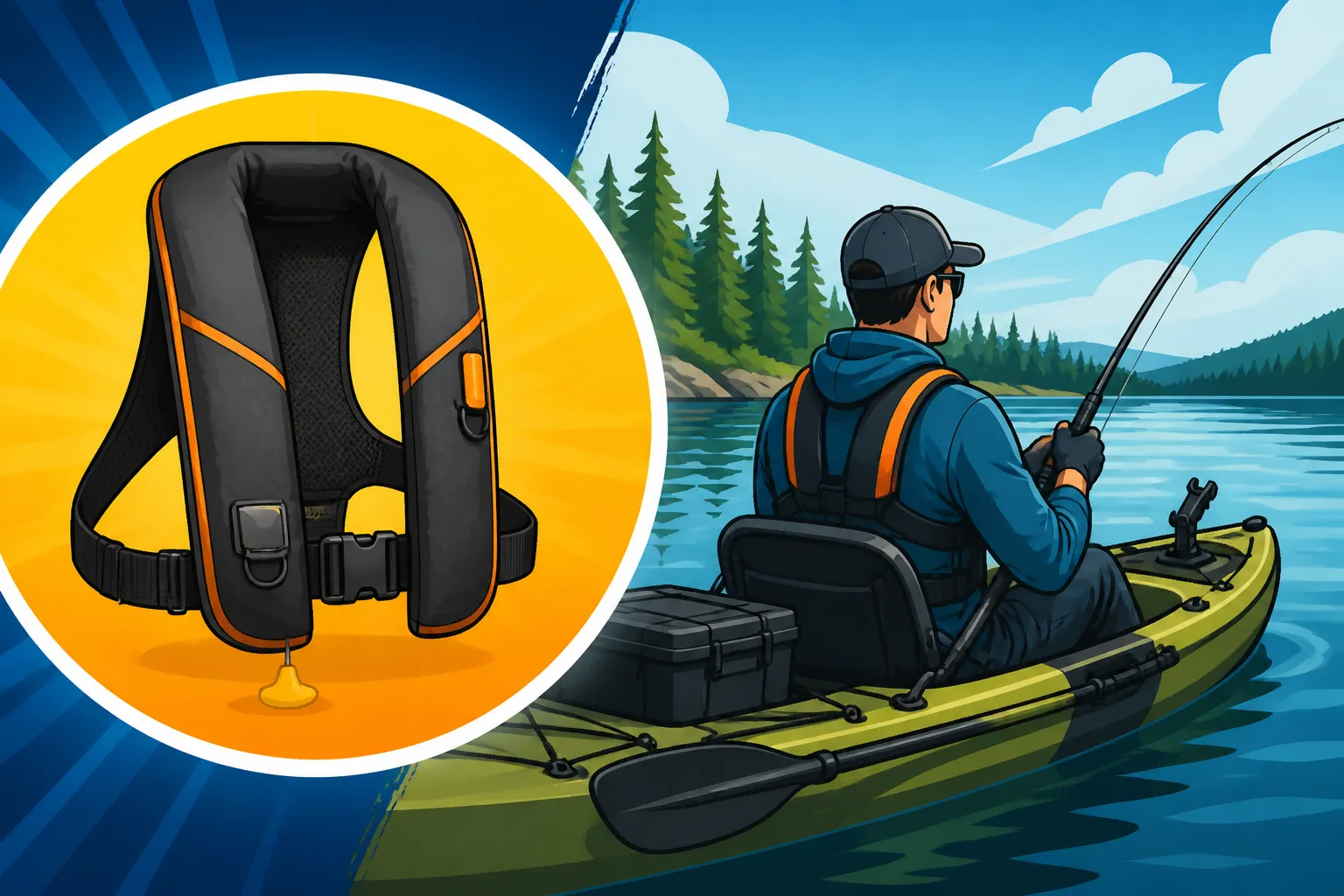
Vest-style inflatables look more like traditional life vests but are much slimmer and less bulky because they rely on inflation rather than foam. They wrap around your torso, usually with a harness-like design, and are equipped with a CO2 cartridge.
- Pros: Many vest-style inflatables are automatic, meaning they will inflate upon immersion, providing a crucial safety net if you become incapacitated. Even manual versions are simpler to deploy, as the bladder is already positioned for flotation once inflated. They often come with handy pockets, D-rings, and attachment points for gear, which can be invaluable for organizing your tools, nippers, or other small items that you need quick access to on the water. Some even have reflective accents for added visibility, which is a bonus on busy waters or in low light.
- Cons: While significantly less bulky than foam PFDs, they still cover more of your torso than a belt pack, which might lead to slightly more heat retention or a feeling of being less "free." The pockets, while useful, can sometimes interfere with rod movement or become submerged if you're leaning over the side.
- Best Use: An excellent all-around choice for most kayak anglers who want a balance of comfort, safety, and functionality. The automatic inflation feature of many vest models makes them particularly appealing for those who fish alone, in cooler waters, or simply desire maximum passive safety. These are great for general fishing across different Best Fishing Lakes in Ontario.
Maintenance and Care for Your Inflatable PFD
An inflatable PFD is an investment in your safety, and like any critical piece of gear, it needs proper care and attention to ensure it's always ready to perform when you need it most. Neglecting maintenance can turn a life-saving device into a false sense of security.
Regular Inspections: Your Pre-Trip Checklist
Before every single kayak fishing trip, especially if you haven't used your PFD in a while, it’s critical to perform a quick but thorough inspection. Think of it like checking your tire pressure before a long drive.
- Check the Inflation Indicator: Most inflatable PFDs have a small visual indicator (often green) that confirms the CO2 cartridge is properly armed and ready to go. If it's showing red, or if the indicator is missing or damaged, your PFD might not inflate. This is a crucial first step.
- Inspect the CO2 Cartridge: For models where it's accessible, ensure the CO2 cylinder is securely screwed into its housing. A loose cylinder can prevent inflation. Never attempt to remove a live, unfired CO2 cartridge unless specifically instructed by the manufacturer for re-arming.
- Examine the Fabric: Look for any tears, abrasions, punctures, or signs of wear on the outer shell and the bladder itself (if visible). Even small damage can compromise the integrity of the PFD. Pay special attention to seams and stress points.
- Check Straps and Buckles: Ensure all straps are free of fraying or damage, and that buckles snap securely into place. A PFD needs to stay on you to do its job, so a broken buckle or worn strap is a serious issue.
- Manual Inflation Cord: Give the manual inflation cord a gentle tug to ensure it moves freely and isn't snagged or obstructed. You don't want to pull it out, just confirm it's ready for action.
If you find any issues during your inspection, address them immediately. Don't take chances on the water.
Cleaning and Storage: Extending the Life of Your PFD
Proper cleaning and storage are vital for the longevity and reliability of your inflatable PFD.
- Rinse After Use: If you've been fishing in saltwater or particularly dirty freshwater, or if your PFD has gotten wet, rinse it thoroughly with fresh water. Use a mild soap if necessary, but avoid harsh detergents or chemicals that could damage the fabric or the inflation mechanism.
- Thorough Drying: This is perhaps the most important step. Always allow your PFD to dry completely before stowing it away. Storing a damp PFD can lead to mildew, fabric degradation, and corrosion of metal components, which can severely compromise its functionality. Hang it in a well-ventilated area, out of direct sunlight.
- Proper Storage: Once dry, store your PFD in a cool, dry place, away from extreme temperatures, direct sunlight, and sharp objects. Avoid folding it too tightly, which can crease the bladder or damage the CO2 mechanism. If you have a vest-style PFD with pockets, ensure they are empty and dry before storage. A sturdy storage bin or a dedicated spot on a gear rack is ideal. You want to protect it from rodents or insects that might chew through the fabric.
Re-arming Your PFD: Knowing the Process
So, your PFD deployed – whether intentionally or accidentally. Now what? It's time to re-arm it. This isn't a complex process, but it requires the correct re-arming kit and careful attention to detail.
- Deflate Completely: If the PFD is still inflated, ensure all air is squeezed out of the bladder. Most have a small oral inflation tube with a cap; you can press the valve to release air.
- Remove Old Components: Unscrew the spent CO2 cartridge. For automatic models, remove the old water-sensing bobbin as well. Dispose of these responsibly.
- Insert New Bobbin (Automatic Only): If you have an automatic PFD, carefully insert the new water-sensing bobbin according to the manufacturer's instructions. These are designed to fit only one way.
- Install New CO2 Cartridge: Screw in the new CO2 cartridge firmly. Don't overtighten, but ensure it's snug.
- Repack the Bladder: This is often the trickiest part. The bladder needs to be folded precisely according to the manufacturer's guidelines to ensure proper deployment next time. There are usually diagrams or videos provided by the manufacturer. Take your time with this step; a poorly packed bladder might not deploy fully or correctly.
- Check the Indicator: Once re-armed and repacked, verify that the inflation indicator shows "green" (or whatever color signifies readiness for your model).
It's a good practice to purchase your re-arming kits from reputable retailers like Bass Pro Shops or Amazon to ensure you're getting genuine parts that are compatible with your specific PFD model. Always refer to your PFD's user manual for the exact re-arming instructions, as they can vary between brands and models. Having a couple of Best Dry Bag for Kayak Fishing bags dedicated to your re-arming kits and other emergency gear is also a smart move for kayak anglers.
Other Considerations for Kayak Anglers
Beyond the core features and maintenance, there are a few other points that can influence your choice and experience with an inflatable PFD for kayak fishing in Ontario.
Attachment Points and Pockets
Many vest-style inflatable PFDs come equipped with various attachment points like D-rings, loops, and even small pockets. These can be incredibly useful for kayak anglers who often need quick access to tools like line snips, forceps, or a whistle. Think about how you organize your small gear. Do you want to clip your favorite multi-tool directly to your PFD, or keep a small emergency whistle easily accessible? If so, prioritize models with these features. Just be mindful not to overload them, as too much bulk can defeat the purpose of an inflatable PFD. For a comprehensive setup, consider how this integrates with your Best Tackle Box Setup for Ontario Anglers.
Visibility and Color
While not always top of mind, visibility on the water is a crucial safety factor, especially on busy lakes or during low-light conditions. Many inflatable PFDs come in bright, high-visibility colors like yellow, orange, or lime green. Some even incorporate reflective tape. If you often fish during dawn or dusk, or on waters with heavy boat traffic, choosing a high-visibility color can make a significant difference in how easily other boaters spot you. This is an important consideration for anyone boating on the Great Lakes or large inland waters.
Comfort During Extended Use
Kayak fishing often involves long hours on the water. The best inflatable PFD is one you barely notice you're wearing, even after half a day of paddling and casting. When trying on a PFD, sit down in a chair (ideally one that mimics your kayak seat) to see how it feels. Does it ride up? Does any part dig in? Can you comfortably make casting motions? Pay attention to the padding around the neck and shoulders, especially if you're leaning back in a high-back kayak seat. A comfortable PFD is one you’ll actually wear consistently, which is the ultimate goal.
Budgeting for Safety
Inflatable PFDs generally cost more than traditional foam PFDs, and re-arming kits are an ongoing expense. However, consider it an investment in your safety and comfort. While you won't find specific prices here, know that there's a range of options available. Don't automatically go for the cheapest model; sometimes a slightly higher investment upfront can mean better features, greater comfort, and ultimately, more reliable safety. Keep an eye out for sales at outdoor retailers like Bass Pro Shops, or check online at places like Amazon for competitive pricing. Remember to factor in the cost of a few re-arming kits when calculating your total budget.
The most important thing is that you wear a PFD every single time you hit the water in your kayak. An inflatable life jacket makes that choice easier by providing comfort and mobility without compromising on safety. Choose wisely, maintain it well, and enjoy your time fishing the incredible waters of Ontario.
Disclaimer
This article is for general informational purposes only and does not constitute professional advice. Laws, prices and regulations vary by location and change over time. Consult a qualified professional for guidance on your specific situation.