Best Jon Boats for Shallow Rivers
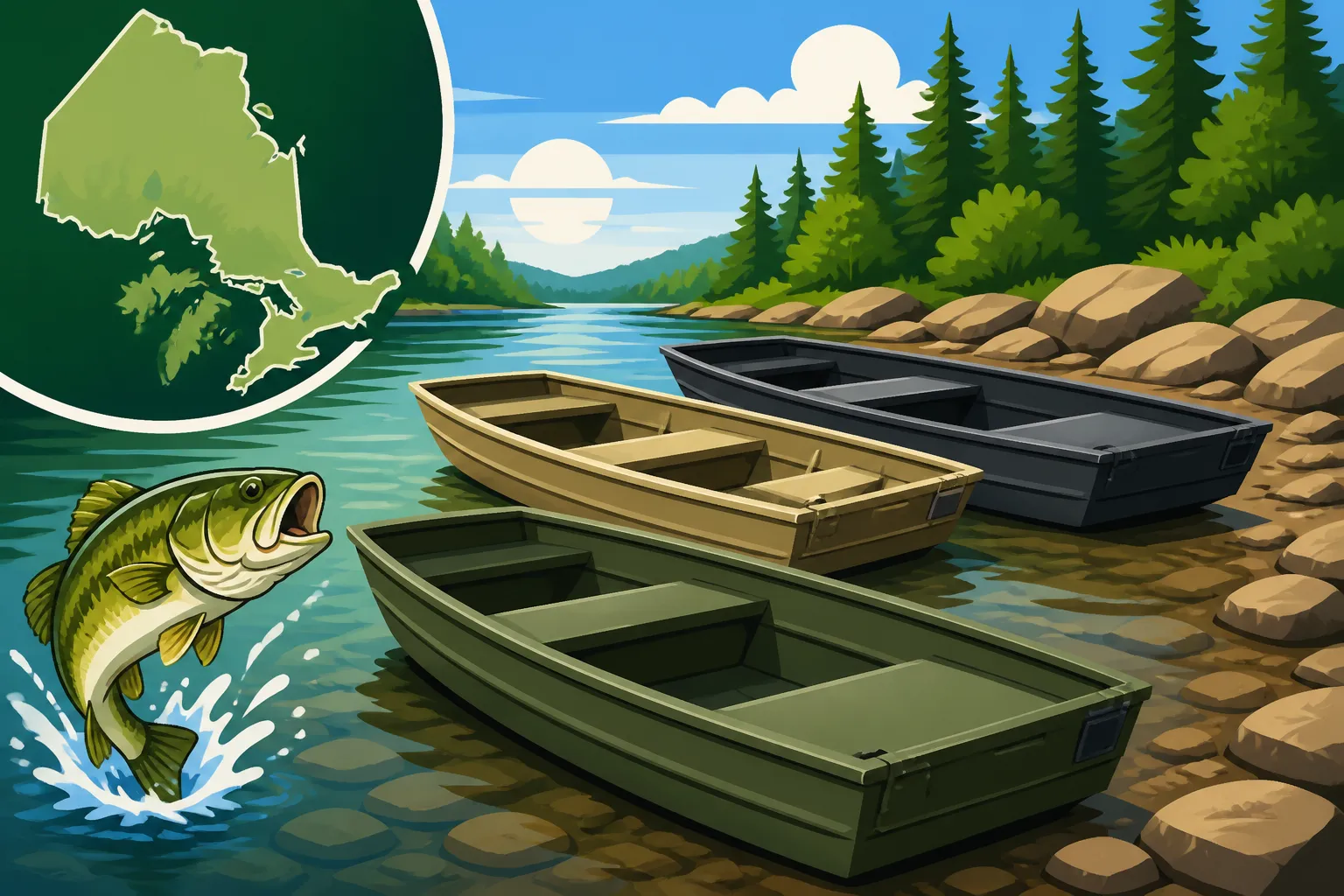
Navigating Ontario's countless rivers can be an absolute joy, but let's be real, it can also be a massive headache if you don't have the right vessel. Traditional V-hull boats often draw too much water, leaving you high and dry (or worse, stuck on a sandbar!) when you're trying to reach those pristine, undisturbed fishing spots. This guide is all about helping you understand why jon boats are the unsung heroes of shallow river fishing and what to look for to make the best choice for your Ontario adventures.
The Undeniable Appeal of Jon Boats for Ontario's Shallow Rivers
There’s a reason you see so many jon boats quietly gliding through the smaller tributaries and back channels of rivers like the Grand, the Trent, or even some of the shallower stretches of the French River. They're specifically designed for environments where other boats fear to tread, and that flat-bottomed design is the key. When you're dreaming of fishing those tucked-away eddies or casting along a weed line just inches deep, a jon boat isn't just a good idea – it's often the only idea that makes sense.
What Makes Them So River-Friendly?
The magic really lies in their unique hull shape. Unlike deep V-hulls that cut through waves but need significant water, a jon boat has a flat, relatively wide bottom. This distributes the boat's weight over a larger surface area, dramatically reducing its draft – that's how much water the boat needs to float. This means you can get into incredibly skinny water without scraping bottom or getting stuck. Imagine effortlessly cruising over a stretch of river that's barely six inches deep, getting to that perfect walleye hole or smallmouth hideout that other anglers can only dream of reaching.
Beyond the minimal draft, jon boats are also incredibly stable. That flat bottom isn't just for shallow water; it provides a very stable platform for standing and casting, which is a huge bonus when you're working a river bank with precision. No more wobbling around trying to maintain your balance as you set the hook! Plus, their open, modular design makes them highly customizable for fishing, whether you're adding rod holders, a livewell, or a comfortable seat for a long day on the water.
Durability and Simplicity for the River Angler
Let's face it, rivers can be tough on boats. There are submerged logs, rocky shoals, and unexpected debris. Jon boats are typically built with robust aluminum, making them incredibly durable and resistant to punctures and dings that would spell trouble for fiberglass boats. This rugged construction gives you peace of mind when you're exploring unfamiliar waters, allowing you to focus on the fishing rather than worrying about every bump and scrape.
Their simplicity also translates into easy maintenance. There aren't many complex systems to break down, and cleaning is usually a straightforward hose-down. This makes them perfect for the angler who wants to spend more time fishing and less time tinkering. This rugged, no-frills approach means they can handle the scrapes and challenges that come with navigating winding, unpredictable rivers, ensuring your investment stands up to the rigors of serious river angling.
Key Features to Prioritize in a Shallow River Jon Boat
When you're sifting through options for a jon boat that can truly master Ontario's shallow rivers, it's easy to get overwhelmed. But focusing on a few critical features will steer you in the right direction. These elements are what separate a good river boat from one that will leave you cursing at the launch ramp.
Hull Material and Construction
For river fishing, aluminum is almost universally the material of choice for jon boats, and for very good reasons. It's lightweight, which contributes to that crucial shallow draft, and it's incredibly strong. You want to look for boats with a good gauge of aluminum – thicker is generally better for durability, especially if you anticipate encountering rocks or logs. Think about those hidden obstacles in a river like the Ottawa or even some of the narrower sections of the Grand River; a well-built aluminum hull can take a hit and keep on going. Welded hulls are often preferred over riveted ones for superior strength and leak resistance, especially in rougher conditions or after years of use. However, riveted boats can also be excellent, particularly if you're looking for a lighter option or a more budget-friendly entry point.
Beyond the material, consider the internal construction. Does it have robust ribs and cross-members? These contribute to the boat's overall rigidity and how well it will hold up to flexing and impacts over time. A well-constructed boat won't feel flimsy, even when it's just a bare hull. When you're browsing online retailers like Bass Pro Shops or even checking out options on Amazon, pay close attention to the specifications detailing aluminum thickness and construction methods.
Transom Design and Height
The transom is where your outboard motor attaches, and its design is crucial for river performance. You'll typically find two main transom heights: 15-inch (short shaft) and 20-inch (long shaft). For shallow river applications, a 15-inch transom is often ideal when paired with a short-shaft motor, as it allows the propeller to ride higher in the water. This significantly reduces the chances of striking bottom, especially when you encounter unexpected shallow stretches or need to trim your motor up to clear an obstruction.
However, a higher transom can sometimes offer more versatility for larger motors or different water conditions, so it's a balancing act. If you plan on occasionally venturing into larger, deeper rivers or even calm lakes, a 20-inch transom might offer a better compromise. Also, consider the strength of the transom. It needs to be robust enough to handle the thrust and vibrations of your chosen motor, especially if you're running a larger outboard or navigating choppy waters occasionally. Reinforcements or thicker aluminum in this area are always a plus.
Hull Shape: Modified-V or Flat Bottom?
While "jon boat" usually implies a flat bottom, there are variations. A pure flat-bottom jon boat offers the absolute shallowest draft and maximum stability at rest. This is fantastic for standing and casting in calm, skinny water. However, the trade-off is often a choppier ride in anything but glass-smooth conditions, as the flat hull tends to "slap" the water. If you're consistently on very calm, shallow rivers, this might be your best bet.
A modified-V hull, sometimes called a semi-V, introduces a slight V-shape towards the bow that flattens out towards the stern. This design offers a compromise: a smoother ride in light chop (think windy days on wider river sections) while still maintaining a relatively shallow draft. It won't get into quite as shallow water as a pure flat bottom, but the improved ride comfort can be a significant advantage if your river excursions involve crossing larger, open stretches or if you value a bit more forgiveness in rougher water. Consider where you'll be spending most of your time on the river when making this choice.
Sizing Your Jon Boat for Ontario's Rivers
Choosing the right size of jon boat isn't just about how many people you want to bring along; it's about matching the boat to the specific rivers you plan to explore and the type of fishing you love. A small, nimble boat is perfect for tight, winding creeks, while a larger one might be better for wider rivers with occasional open water.
Length, Width, and Capacity
Jon boats typically range from 10 to 20 feet in length. For most shallow river fishing in Ontario, a length of 12 to 16 feet hits a sweet spot. A 12-foot jon boat is incredibly easy to maneuver, launch, and retrieve, making it ideal for solo anglers or two people on smaller, more intimate rivers and creeks. It can get into the tightest spots and often requires less power, which means smaller, lighter outboards.
If you fish with a buddy often, or carry a lot of gear, a 14-foot or 16-foot jon boat offers more space and stability. These larger sizes are more comfortable for two or three anglers, provide more deck space for tackle boxes, coolers, and rod storage, and can handle a bit more gear. They're also better suited for wider rivers where you might encounter more boat traffic or slightly choppier conditions. Remember, while longer boats generally track better in a straight line, they can be a bit more challenging to navigate in very tight turns or through dense weed beds.
Width, or beam, also plays a crucial role. A wider boat (typically 48 inches or more at the bottom) offers greater stability, which is excellent for standing and casting, and provides more interior space. However, a narrower boat might be easier to push through dense vegetation or shallow channels. Always check the boat's capacity plate for the maximum number of people and total weight (people, motor, gear) it can safely carry. Overloading a jon boat, especially in shallow, unpredictable river currents, is a recipe for disaster. This is vital information to consider, especially when you review the Ontario Boating Laws for Anglers.
Choosing Between Portability and Space
This is often the biggest dilemma for river anglers. A smaller, lighter jon boat (say, 10 to 12 feet) is a dream for portability. You can often car-top it, easily slide it in and out of tight launch spots, and even motor it through incredibly shallow sections by briefly lifting the motor. These boats are perfect for impromptu trips to those secret spots, allowing for quick deployment and retrieval. If you're frequently moving between different, often remote, river access points, portability will win out every time.
However, if your primary river fishing involves longer days, multiple anglers, or more gear (like specialized Best Tackle for Panfish setups or extensive muskie gear), then the extra space and stability of a 14 to 16-foot boat become invaluable. While less portable for car-topping, they're still relatively easy to trailer and offer a much more comfortable and efficient fishing platform for extended outings. You need to weigh how often you'll be trailering vs. car-topping, and the kind of access points you'll typically be using. Some of the Best Fishing Rivers in Ontario might have fantastic access, while others require a bit more effort.
| Feature | Smaller Jon Boat (10-12 ft) | Larger Jon Boat (14-16 ft) |
|---|---|---|
| Ideal For | Solo or 2 anglers, small creeks, remote access | 2-3 anglers, wider rivers, more gear |
| Portability | Excellent (car-top, easy launch/retrieve) | Good (trailer needed, easier ramp launch) |
| Maneuverability | High (tight turns, dense cover) | Moderate (better tracking, less nimble in tight spots) |
| Stability | Good for size, can feel less stable with movement | Very good, comfortable for standing and casting |
| Gear Capacity | Limited, requires careful packing | Ample, space for multiple tackle boxes, coolers |
| Motor Size | Smaller, lighter outboards (e.g., 5-15 hp) | Larger outboards (e.g., 15-40 hp) |
| Ride Quality | Can be choppy in open water | Smoother ride in light chop |
Powering Your Shallow River Jon Boat
The right motor for your jon boat is just as critical as the boat itself, especially when navigating shallow, current-laden rivers. It's not just about horsepower; it's about propeller protection, efficiency, and the ability to operate in minimal water.
Outboard Motor Options: Prop vs. Jet Drive
Most jon boats are powered by traditional outboard motors with propellers. For shallow rivers, a short-shaft motor (15-inch transom) is usually preferred, as discussed earlier. However, even with a short shaft, a propeller is vulnerable to striking bottom in very shallow water. This is where the "trim" feature on your motor becomes your best friend. Being able to quickly tilt the motor up can save your prop from damage when you encounter unexpected shoals. Many anglers choose propellers made of aluminum, which are designed to sacrifice themselves on impact rather than damaging the lower unit of your motor – a much cheaper fix!
For the ultimate shallow water performance, a jet drive outboard is a game-changer. Instead of a propeller, a jet drive sucks water in and expels it out the back, creating thrust. This means there's no lower unit or prop hanging down below the hull, allowing you to run in incredibly skinny water – often just a few inches deep! Jet drives are more expensive to purchase and often consume a bit more fuel than prop models of equivalent horsepower, but their ability to navigate truly unforgiving shallow and rocky rivers is unmatched. If you're regularly fishing rivers with known rock gardens or consistently minimal water levels, a jet drive is worth every penny. You can find excellent options from various manufacturers at retailers like Bass Pro Shops.
Electric Trolling Motors for Stealth and Precision
Even if you have a gas outboard for primary propulsion, an electric trolling motor is an indispensable tool for river fishing with a jon boat. These motors offer silent operation, which is critical for sneaking up on wary fish in clear, shallow water. They also provide incredible precision control, allowing you to hold your position against a current, slowly drift a seam, or precisely maneuver around fallen trees and structure without spooking fish with a loud gas engine.
Bow-mounted trolling motors with GPS anchoring capabilities are particularly useful. Imagine being able to "spot-lock" your boat in a specific eddy or along a promising weed line, even in current, without dropping an anchor. This frees you up to focus entirely on fishing. For river use, a motor with at least 55-80 pounds of thrust is generally recommended to effectively counter currents. Consider models with longer shafts to ensure the prop remains submerged even when passing over small waves or chop. Many anglers also carry a smaller transom-mounted electric motor as a backup or for very slow, subtle movements.
Essential Accessories for River Fishing in a Jon Boat
A jon boat, in its bare form, is a blank canvas. To truly make it a functional and safe fishing machine for Ontario's rivers, you'll want to outfit it with a few key accessories. These additions enhance safety, comfort, and, most importantly, your fishing success. Remember, when purchasing, always check for deals on Amazon or through dedicated marine retailers.
Safety First: Life Jackets, Bailing Devices, and Sound Signaling
Safety on the water is non-negotiable, especially in the often-unpredictable environment of a river. You absolutely need to ensure you have enough Canadian-approved life jackets for everyone on board. For river fishing, inflatable life jackets can offer more freedom of movement for casting, but traditional foam vests are reliable and often more affordable. Don't forget that Life Jacket Requirements for Ontario Boaters are strict, so make sure you're compliant.
Beyond life jackets, your boat must be equipped with essential safety gear. This includes a bailing device (a bucket or pump) to remove any water that might get into the boat, a watertight flashlight (especially if you're out near dawn or dusk), and a sound-signaling device like a pealess whistle or air horn. If your boat is over 6 meters (about 20 feet) long, additional items like a fire extinguisher and visual distress signals might be required. Always review the Ontario required boat safety equipment checklist before heading out.
Anchoring and Docking Solutions
Even with a trolling motor that has spot-lock, a good anchor system is invaluable on a river. River currents can be strong, and an anchor allows you to hold your position precisely in a productive seam or safely pause to tie a new lure. A grapple or river anchor, designed to dig into varied river bottoms, is often a good choice. Make sure you have plenty of anchor rope – at least 3-5 times the depth of the water you'll be anchoring in, sometimes more for strong currents. Many river anglers also use a "drift sock" or "drift anchor" which deploys behind the boat to slow your drift, allowing for a more controlled approach to fishing a long stretch of river.
For docking, or simply tying up to a bank, fenders (bumpers) and mooring lines are essential. Rivers often have natural, uneven banks, and fenders will protect your jon boat from scratches and dents when pulling up to shore or alongside another vessel. For securing your boat, having a couple of sturdy mooring lines readily accessible is always a smart move. When you consider the many unique access points on rivers, a reliable Best Anchor System for River Fishing setup becomes clear.
Rod Holders and Storage Solutions
A jon boat's open interior is perfect for customization, and rod holders are usually high on every angler's list. Flush-mount holders provide a clean look, while clamp-on or rail-mount holders offer flexibility for repositioning. Consider how many rods you typically bring and where you want them positioned for easy access while casting or trolling. Vertical rod storage in the bow or stern can keep rods safely out of the way when traveling, especially if you're maneuvering through tight spots or around submerged brush.
Beyond rods, consider how you'll store your tackle. Waterproof boxes and bags are a must for river fishing, where splashes and rain are common. Many jon boat owners add small, portable tackle storage systems or even custom-built compartments to keep gear organized and secure. Remember, while jon boats are simple, a little organization goes a long way to enhance your fishing experience.
Maintenance Tips for Your River-Faring Jon Boat
Your jon boat is a workhorse, designed to take on the challenges of shallow rivers. But even the toughest boats need a little love to ensure they provide years of reliable service. Proper maintenance isn't just about keeping your boat looking good; it's about preserving its integrity and ensuring your safety on the water.
Post-Trip Cleaning and Inspection
After every outing, especially on rivers, a thorough rinse with fresh water is crucial. Rivers often carry sediment, algae, and sometimes even invasive species that you don't want to transfer to another waterway. Pay extra attention to the hull, bilge, and any compartments. A good pressure wash can remove stubborn grime and prevent buildup.
While cleaning, take the opportunity to inspect your boat for any signs of wear and tear. Look for dents, scratches, or punctures in the aluminum hull. Check rivets (if applicable) for any signs of loosening or corrosion. Inspect all wiring for your trolling motor, fish finder, and lights for fraying or exposed wires. Ensure all drains and plugs are clear and functioning correctly. Catching small issues early can prevent them from becoming major headaches down the line. It's a bit like regularly checking your trailer lights and tires, just good practice.
Engine Care for Shallow Water Operations
Your outboard motor, particularly the lower unit and propeller, takes a beating in shallow river environments. After each trip, always inspect your prop for dings, bends, or missing pieces. Even minor damage can significantly reduce performance and fuel efficiency, and cause vibration that can damage your motor's lower unit over time. Keep a spare prop on hand, along with the necessary tools to change it.
If you're running a jet drive, inspect the intake grate and impeller for debris (weeds, rocks, sticks) that can clog the system and reduce thrust. Freshwater flush your engine according to the manufacturer's recommendations, especially if you've been in silty or sandy rivers. Regularly check and change your lower unit oil, as water intrusion can be more common in motors that frequently encounter submerged objects or run in dirty water. Keep an eye on your fuel lines and connections for any leaks or cracks, and ensure your fuel tank is free of water and sediment. This diligence helps ensure your engine performs reliably when you're Drift Fishing for Walleye in Ontario Rivers.
Proper Storage and Winterization
When your jon boat isn't in use, proper storage is key. If you store it outside, a good-quality boat cover will protect it from UV damage, rain, and debris. Ensure the cover is properly vented to prevent moisture buildup and mildew. If storing for the winter in Ontario, a thorough winterization process is essential to protect your engine and boat from freezing temperatures.
This typically involves stabilizing your fuel, fogging the engine cylinders, changing the lower unit oil, and removing the battery for indoor storage. Clean the hull thoroughly, and make sure all water is drained from the boat to prevent ice damage. Store your boat with the bow slightly elevated to allow any rain or snowmelt to drain naturally. Taking these steps will ensure your jon boat is ready for action when the next fishing season rolls around, whether you're targeting smallmouth on the Grand River or walleye on the Bay of Quinte.
Disclaimer
This article is for general informational purposes only and does not constitute professional advice. Laws, prices and regulations vary by location and change over time. Consult a qualified professional for guidance on your specific situation.