Best polarized sunglasses for sight fishing
There's nothing quite as frustrating as being out on a beautiful Ontario lake or river, knowing the fish are there, but being absolutely blinded by the glare reflecting off the water's surface. You squint, you strain your eyes, and you end up missing those tell-tale flashes or the subtle movements of a trophy walleye or smallmouth bass just beneath the surface. This guide is all about equipping you with the knowledge to choose the best polarized sunglasses, so you can cut through that glare, spot more fish, and truly elevate your sight fishing game in our incredible province.
The Unseen Advantage: Why Polarized Sunglasses Are Essential for Ontario Anglers
Picture this: you're drifting along a weed line on Lake Simcoe, trying to spot cruising pike, or maybe wading a clear stream up in Algonquin Park, hoping to see the shadow of a brook trout holding in a riffle. Without the right eyewear, it's like looking through a frosted window. The sun's reflection off the water, known as glare, acts like a mirror, obscuring everything below the surface. This isn't just an inconvenience; it's a massive handicap for any angler who relies on their vision to locate fish, observe their behaviour, or accurately present a lure. Polarized sunglasses are truly non-negotiable for serious anglers who want to maximize their success and enjoyment on the water.
Cutting Through the Glare: The Science Behind Polarization
So, what exactly is polarization, and how does it perform this magic? When sunlight hits a flat surface, like water, snow, or even a wet road, it creates horizontal waves of light. These horizontal light waves are what we perceive as glare – that blinding, intense reflection that makes it impossible to see through the surface. Standard sunglasses only darken your view, reducing all light equally, but they don't specifically block this horizontal glare.
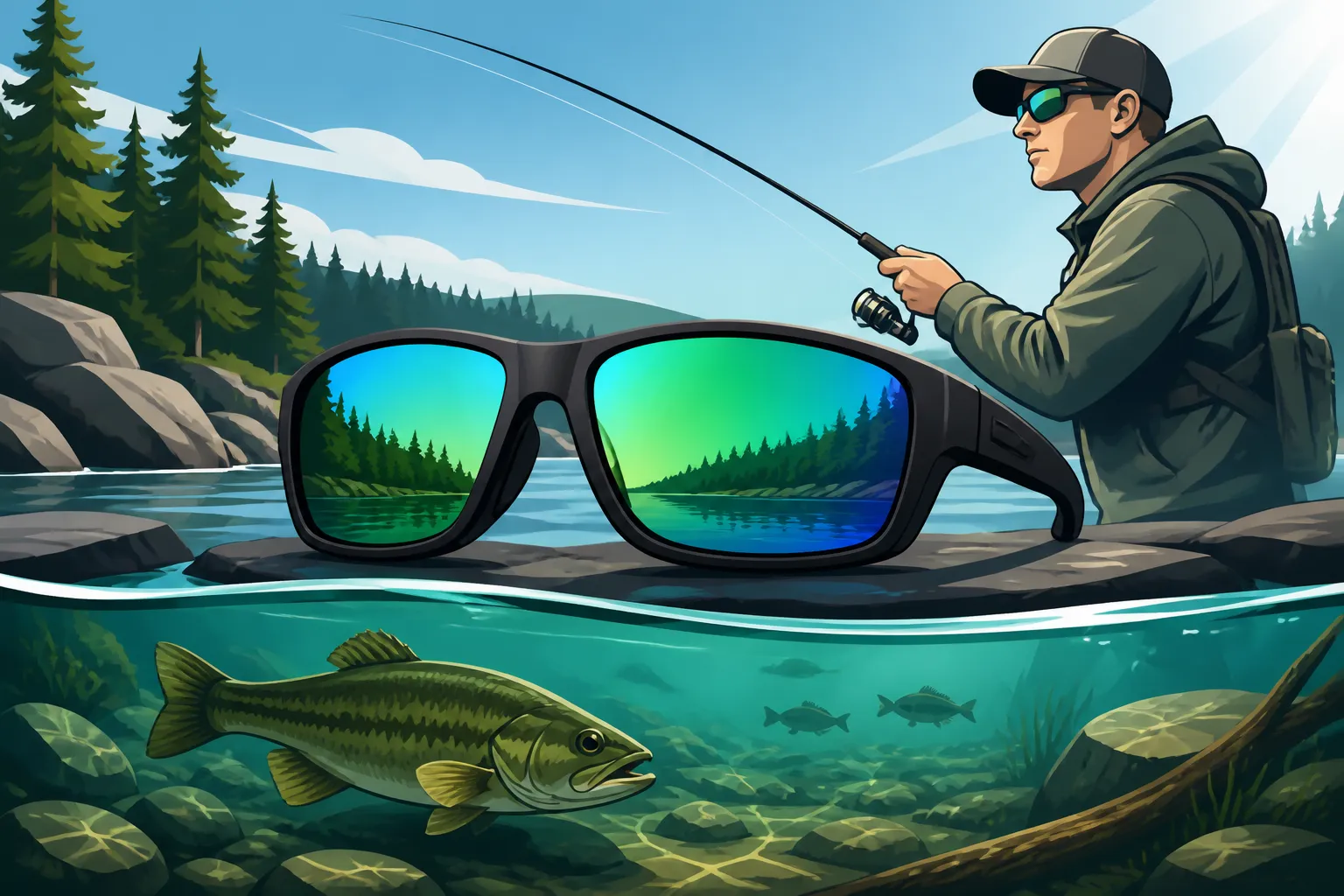
Polarized lenses contain a special chemical filter that's designed to absorb those horizontal light waves while allowing vertical light waves to pass through. Think of it like a tiny venetian blind for your eyes. This selective filtering dramatically reduces glare, allowing you to see into the water, rather than just seeing the reflection off the water. The difference is truly astounding; once you've fished with polarized lenses, you'll wonder how you ever managed without them. It opens up a whole new world of observation and tactical advantage.
Beyond Seeing Fish: Enhanced Vision and Reduced Eye Strain
While spotting fish is the primary benefit, the advantages of polarized sunglasses extend far beyond that. By eliminating glare, these lenses also enhance contrast and visual clarity, making it easier to distinguish structure, underwater vegetation, and subtle changes in depth. This means you're not just seeing fish; you're seeing their entire environment with much greater detail. Imagine being able to pick out individual rocks or submerged logs where a smallmouth bass might be lurking, even in fairly deep water.
Furthermore, constantly squinting against harsh glare leads to significant eye strain, headaches, and overall fatigue, which can really put a damper on a long day of fishing. Polarized lenses drastically reduce this strain, keeping your eyes more comfortable and alert throughout your trip. This allows you to focus more on fishing and less on fighting discomfort, leading to a much more enjoyable and potentially more productive experience. For those long days out targeting species like Walleye Fishing in Ontario or Muskellunge Fishing in Ontario, anything that reduces fatigue is a huge plus.
What to Look For: Key Features in Top Fishing Sunglasses
Choosing the right pair of polarized sunglasses isn't just about grabbing the first pair you see. There are several critical features that differentiate a good pair from a truly great, fish-spotting machine. Thinking about the specific conditions you fish in most often, and what matters most for your personal comfort and vision, will guide you to the best choice. Don't underestimate how much the right features can improve your time on the water.
Lens Color Matters: Matching Your Environment
This is perhaps one of the most crucial decisions you'll make when buying polarized sunglasses for fishing. Different lens colours are optimized for different light conditions and environments, and having the right tint can make a significant difference in your ability to see fish. For instance, a lens that's perfect for bright, open water on Lake Erie might be completely ineffective when you're targeting trout in a shaded, dense forest stream. We'll dive deeper into specific colours shortly, but the key takeaway here is that one size does not fit all. Many anglers even carry multiple pairs with different lens tints to adapt to changing weather and water conditions throughout the day or season. Whether you're at a local tackle shop or browsing online through Amazon, you'll find a range of options, and understanding their purpose is key.
Frame Fit and Comfort: All-Day Wearability
You could have the most advanced lenses in the world, but if your sunglasses are uncomfortable, constantly slipping, or pinching your temples, you won't wear them. And if you're not wearing them, they're not helping you spot fish! A comfortable, secure fit is paramount, especially for long days on the water. Look for lightweight frame materials, like nylon or Grilamid, which are durable and often float if accidentally dropped. Rubberized nose pads and temple tips can provide a secure grip, even when you're sweating or get splashed.
The frame style also plays a role. Wrap-around designs offer maximum peripheral vision and block light from entering through the sides, which can still cause glare and distraction. Many anglers appreciate a close-fitting frame that minimizes gaps where light can creep in. Trying on different styles at a store like Bass Pro Shops can really help you find what feels best on your face and suits your fishing style. Remember, these are an extension of your fishing gear, as important as your Best Fishing Rods for Ontario Lakes or your tackle.
Durability and Materials: Built for the Water
Fishing environments are tough on gear. Your sunglasses will be exposed to sun, water, salt (if you're near the Great Lakes), accidental drops, and general wear and tear. Therefore, durability is a huge factor. Lenses made from polycarbonate or Trivex are excellent choices for impact resistance, which is vital if you accidentally drop them on a rocky shore or deck. Glass lenses offer superior optical clarity and scratch resistance but are heavier and can shatter.
Beyond the lenses, the frame materials should be robust and corrosion-resistant. Many quality fishing sunglasses feature hinges made from stainless steel or other durable, non-corrosive materials. A hydrophobic coating on the lenses can repel water, making them easier to clean and improving vision in wet conditions, while an oleophobic coating can resist oils and smudges from sunscreen or fingerprints. Investing in a durable pair means they'll stand up to the rigours of countless fishing adventures, whether you're fly fishing for trout or battling a big muskie.
Choosing Your Perfect Lens: A Guide to Colors and Conditions
The lens color isn't just about aesthetics; it's about optimizing your vision for the specific light and water conditions you'll encounter. Different tints filter light differently, enhancing contrast, reducing brightness, or improving depth perception in various scenarios. Many experienced anglers have a couple of different pairs they swap out depending on the conditions, which speaks to the importance of this choice.
Grey and Smoke Lenses: For Bright, Sunny Days
Grey or smoke-tinted lenses are the workhorses for bright, sunny conditions. They reduce overall light transmission without altering colors, providing the most natural view of your surroundings. This makes them ideal for open water fishing on a cloudless day, where glare can be intense. Think about those glorious summer days out on Georgian Bay or Lake Superior, where the sun is high and bright.
These lenses are excellent for cutting through the harsh reflections of direct sunlight, allowing you to see deeper into the water column. While they excel in bright light, they might not offer the best contrast enhancement in lower light or overcast conditions. So, if your primary fishing involves clear skies and maximum sun exposure, especially on large, reflective bodies of water, a grey polarized lens is an outstanding choice. They're a staple for any angler who spends time chasing species like Lake Trout Fishing in Ontario in deep, clear waters during peak daylight hours.
Copper and Brown Lenses: Versatility for Variable Conditions
Copper, brown, and amber-like lenses are arguably the most versatile choice for Ontario anglers, and often a favorite for many. These tints excel at enhancing contrast, making it easier to spot fish and structure in a wider range of conditions, especially when light levels are variable. They do this by blocking blue light, which can create haze and reduce visual clarity.
These lenses are fantastic for partly cloudy days, overcast skies, or when fishing in stained or tannin-rich waters often found in Northern Ontario. They help make those subtle changes in bottom contour or the outline of a fish really pop. If you're looking for a single pair of polarized sunglasses that can handle most of what Ontario's diverse fishing environments throw at you, a copper or brown lens is a superb all-rounder. They work wonders whether you're sight fishing for Smallmouth Bass Fishing in Ontario on a river or trying to pick out logs in a murkier lake.
Yellow and Amber Lenses: Enhancing Contrast in Low Light
Yellow or lighter amber lenses are specifically designed to enhance contrast and brighten your field of vision in low-light conditions. These lenses are fantastic for dawn, dusk, heavily overcast days, or when fishing in deeply shaded areas, such as under heavy tree cover along a river or within a dense marsh. They effectively filter out blue light, which can scatter and reduce clarity, allowing your eyes to perceive more detail in dim environments.
While they might not be the best choice for glaring mid-day sun (where they can actually be too bright), they are invaluable for those crucial "golden hours" when fish are most active. If you find yourself frequently fishing early mornings, late evenings, or in dense cover where light is limited, a yellow or amber polarized lens can dramatically improve your ability to spot subtle movements and structure. They can be a real secret weapon for those low-light bites, giving you an edge when others are still struggling to see.
Here's a quick summary of lens colors and their optimal uses:
| Lens Color | Best Conditions | Key Benefit | Ideal For |
|---|---|---|---|
| Grey/Smoke | Bright, sunny days | Natural color perception, maximum glare reduction | Open lakes, bright sun, offshore fishing |
| Copper/Brown | Variable, partly cloudy, overcast | Excellent contrast enhancement, versatile | Rivers, varied light, inshore, stained water |
| Yellow/Amber | Low light, dawn/dusk, overcast | Brightens vision, maximizes contrast in dim light | Early morning, late evening, heavily shaded areas |
Protecting Your Investment: Caring for Your Fishing Shades
You've just invested in a fantastic pair of polarized sunglasses, perhaps from a trusted retailer like Bass Pro Shops or even a specialized brand found on Amazon, and they're already helping you spot fish like never before. Now, the next crucial step is making sure they last. High-quality fishing sunglasses are an investment in your fishing success and comfort, and like any good piece of gear, they need proper care to maintain their performance and longevity. Neglecting them can quickly lead to scratched lenses, loose frames, or damaged coatings, rendering them far less effective.
Cleaning Best Practices: Keeping Your Lenses Pristine
It's tempting to wipe your lenses on your shirt or with whatever cloth is handy, but resist the urge! Dust, dirt, and microscopic grit can act like sandpaper, scratching your polarized coatings and diminishing clarity. The best way to clean your lenses is with clean, running water (freshwater, if possible, especially after saltwater exposure, although that's less of a concern in most of Ontario). This rinses away any abrasive particles.
After rinsing, gently dry the lenses with a dedicated microfiber cleaning cloth, which often comes with your sunglasses or can be purchased separately. Avoid paper towels, tissues, or rough fabrics, as these can also scratch. For stubborn smudges, a specialized lens cleaning spray (one that's safe for coated lenses) can be used. Regular, proper cleaning will keep your vision clear and ensure your lenses continue to perform at their peak, helping you track those elusive fish.
Storage and Handling: Avoiding Damage
How you store and handle your sunglasses when you're not wearing them is just as important as how you clean them. Never toss them unprotected into a tackle box, boat compartment, or backpack where they can be crushed, scratched by hooks, or covered in grime. Always use a hard case for maximum protection, or at the very least, a soft pouch when carrying them. Many brands provide excellent cases with their sunglasses, and it's a good habit to use them.
When taking them on and off, use both hands to avoid stretching the frame or loosening the hinges over time. Avoid leaving them on the dashboard of your car, especially on a hot day, as extreme heat can warp frames and damage lens coatings. Treat your polarized sunglasses with the same respect you give your other essential fishing tools, like your preferred rod for How to Catch Northern Pike in Ontario or your most reliable fishing reel. A little bit of care goes a long way in ensuring they remain a vital part of your fishing arsenal for seasons to come.
Disclaimer
This article is for general informational purposes only and does not constitute professional advice. Laws, prices and regulations vary by location and change over time. Consult a qualified professional for guidance on your specific situation.