Ontario boating under the influence penalties
There's nothing quite like the freedom of being out on an Ontario lake or river, casting a line, and enjoying the tranquility. For many of us, fishing is a cherished pastime, a way to unwind and connect with nature. However, that serene experience can turn into a nightmare if someone decides to operate a boat while impaired. The consequences of boating under the influence (BUI) in Ontario are severe, far-reaching, and often catch people by surprise, affecting not just your time on the water but your life on land too. This guide is here to shed light on those harsh penalties, helping you understand the rules and stay safe.
Understanding Boating Under the Influence BUI in Ontario
When we talk about boating under the influence, it's not just about alcohol. Ontario's laws, and specifically the Criminal Code of Canada, are clear: operating any vessel while impaired by alcohol, cannabis, or any other drug is a serious offense. This isn't just a slap on the wrist; it can lead to devastating legal and personal repercussions.
What Constitutes Impaired Boating
The legal limits for blood alcohol concentration (BAC) in Ontario are pretty straightforward for both driving and boating. The "warn range" is typically between 0.05% and 0.08%. If you're caught in this range, you'll face immediate administrative penalties, even if you're not charged criminally. However, once you hit or exceed 0.08% BAC, you're looking at a full-blown criminal charge under the Criminal Code of Canada.
What's crucial to understand is that "impairment" isn't solely defined by a specific BAC level. You can still be charged with impaired operation even if your BAC is below 0.08% if a police officer (like the OPP or local marine unit) determines that your ability to operate the boat is visibly compromised. This could be anything from erratic steering, fumbling with controls, slurred speech, or poor judgment. The same goes for drugs. Whether it's cannabis, prescription medication that impairs your faculties, or illicit drugs, if it affects your ability to safely operate a vessel, you're breaking the law. They have roadside screening devices for drugs now, too, similar to alcohol. It's not just about what you feel; it's about objective signs of impairment. Remember, operating a canoe, kayak, or even a paddleboard while impaired can also lead to BUI charges, not just powerboats.
Why BUI is a Serious Offence for Anglers
For those of us who love to fish, safety on the water is paramount. An impaired boater isn't just a danger to themselves; they're a danger to everyone else enjoying the lake or river. Imagine reeling in a trophy walleye, only to have your day—or worse, your life—cut short by an out-of-control vessel whose operator is impaired. That's a stark reality that BUI laws aim to prevent.
Beyond the obvious risks of collision and injury, BUI can ruin a perfectly good fishing trip in more ways than one. You could lose your boat, your fishing gear, and even your freedom. Fishing often takes us into remote areas, sometimes far from immediate assistance. Being impaired exacerbates all the inherent risks of boating: sudden weather changes, navigation challenges, and unexpected mechanical issues. A clear head is essential for making quick, safe decisions. It’s also important to remember that many of the same rules that apply to fishing apply to boating, which is why understanding the full scope of Ontario Boating Laws for Anglers is so important. When you're out there, you're responsible not only for yourself but for your passengers and the environment. Don't let a moment of poor judgment jeopardize a lifetime of enjoyment on Ontario's beautiful waters.
The Stiff Penalties for BUI in Ontario
The penalties for boating under the influence in Ontario are no joke. They're designed to deter impaired operation and protect public safety. What many people don't realize is just how severe and far-reaching these consequences can be, often extending beyond the water and impacting your ability to drive a car.
Immediate Consequences and Roadside Suspensions
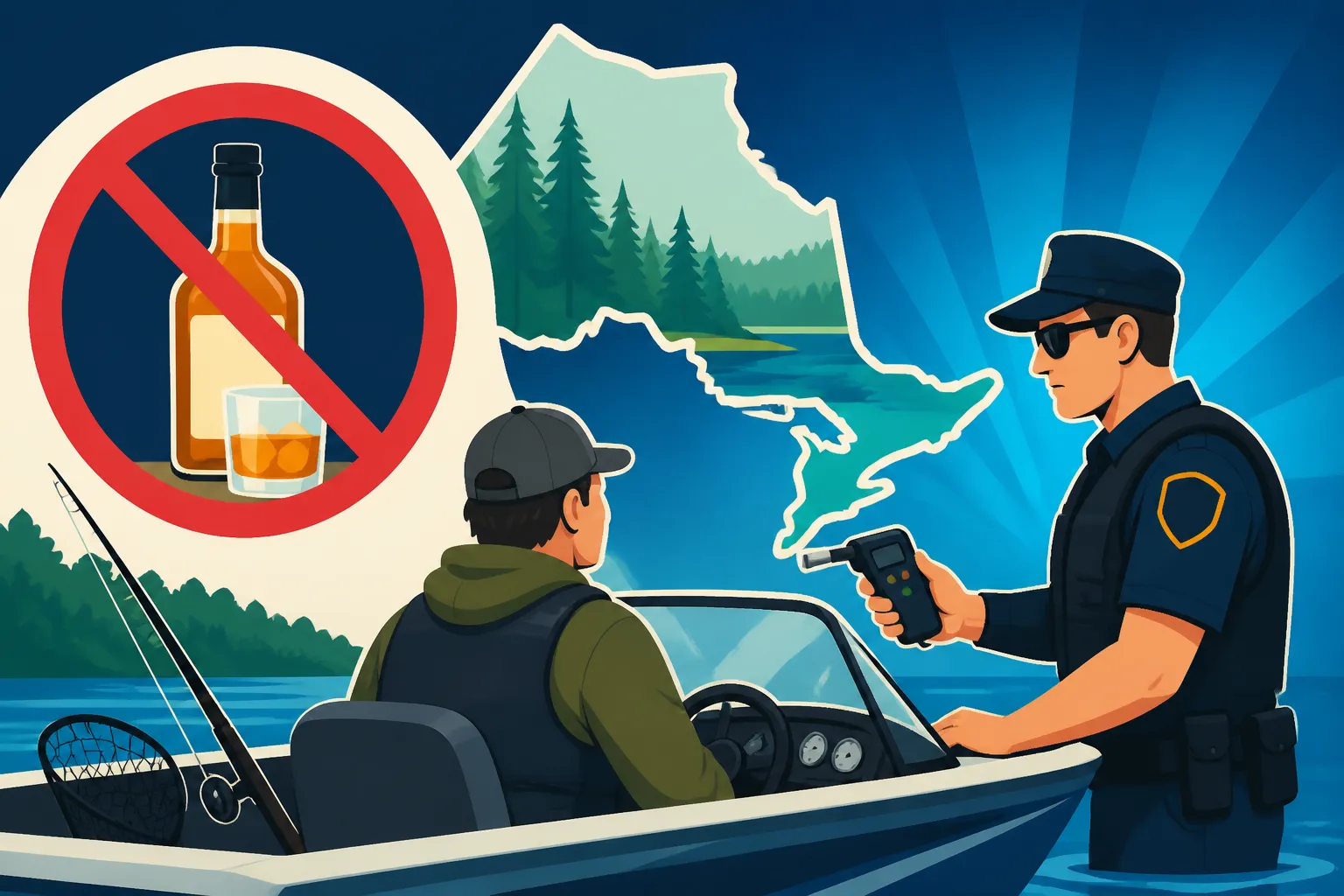
If you're stopped by marine police and found to be impaired, the immediate consequences can hit hard and fast. For alcohol, even if your BAC is in the "warn range" (between 0.05% and 0.08%), you'll face administrative penalties. This often means an immediate 3-day license suspension for your first offense, and it can escalate to 7 days for a second, and 30 days for a third or subsequent offense within a five-year period. Your vessel might also be impounded on the spot, leaving you stranded and with hefty towing and storage fees. This isn't a criminal charge yet, but it's a significant disruption and an expensive lesson.
If your BAC is 0.08% or higher, or if police determine you're impaired by drugs, the situation becomes much more serious. You'll face an immediate 90-day suspension of your driver's license (yes, your driving license, even though you were boating!), and your vessel will be impounded for 7 days. You'll then be charged under the Criminal Code of Canada, which opens up a whole new world of long-term legal and financial nightmares. These immediate penalties are put in place to ensure public safety and underscore the gravity of impaired operation.
Criminal Code Charges and Long-Term Repercussions
A BUI conviction falls under the Criminal Code of Canada, meaning it carries the same weight and repercussions as a DUI (driving under the influence) conviction. This is where things get truly serious.
- First Offense: For a first-time conviction without causing bodily harm or death, you're looking at a minimum fine of $1,000. But that's just the beginning. You'll also likely face a mandatory ignition interlock device requirement on your car (if you want to drive again), mandatory educational programs, and a criminal record. Your driving privileges will be suspended for at least one year, and your boating privileges for a similar period or longer.
- Second Offense: The penalties escalate significantly. A second offense can mean a minimum of 30 days imprisonment, typically up to two years, along with substantially higher fines and a longer driving/boating prohibition, often for three years.
- Third or Subsequent Offense: This is where the legal system really cracks down. A third offense can result in a minimum of 120 days imprisonment, indefinite driving/boating prohibitions, and even longer periods of license suspension.
- Causing Bodily Harm or Death: If impaired operation leads to bodily harm, the maximum penalty can be up to 10 years in prison. If it results in death, you could face a life sentence. These are not just statistics; they are real consequences that shatter lives.
Beyond the fines and jail time, a criminal record for BUI can impact your employment opportunities, particularly if your job requires driving or a clean background check. It can also restrict your ability to travel to other countries, like the United States, potentially for life, as a criminal record can make you inadmissible. Your insurance rates for both your vehicle and your boat will skyrocket, if you can even get coverage. The ripple effects of a BUI conviction can be devastating and long-lasting, far outliving the initial court proceedings.
Fines, Imprisonment, and Driving License Impact
Let's break down some of the potential financial and custodial penalties you could face, keeping in mind these are minimums and can increase depending on the severity of the offense, your BAC level, and whether you caused an accident.
| Offense Level | Minimum Fine | Minimum Jail Time (if applicable) | Driving/Boating Prohibition | Additional Penalties |
|---|---|---|---|---|
| First Offense (No harm) | $1,000 | None | 1 year | Criminal record, mandatory education, ignition interlock on vehicle (if applicable) |
| Second Offense (No harm) | $1,000 (often higher) | 30 days | 3 years | Criminal record, mandatory education, ignition interlock on vehicle |
| Third Offense (No harm) | $1,000 (often higher) | 120 days | Indefinite/Lifetime | Criminal record, mandatory education, ignition interlock on vehicle |
| Causing Bodily Harm | Discretionary | Up to 10 years | Minimum 1 year | Criminal record, severe personal liability |
| Causing Death | Discretionary | Up to Life | Minimum 1 year | Criminal record, devastating personal and legal consequences |
| "Warn Range" (0.05%-0.08% BAC) | N/A (Administrative) | None | Driving: 3-30 days | Vessel impoundment fees, towing fees, increased insurance premiums |
Note: These are general guidelines. Specific penalties can vary based on individual circumstances, aggravating factors, and judicial discretion.
It bears repeating: one of the most surprising and impactful consequences for many is that a BUI conviction almost always results in the suspension of your driving license. Even if you were operating a boat, the Canadian legal system often treats impaired operation of any conveyance (vehicle, boat, aircraft, or railway equipment) similarly. So, that fishing trip with a few beers could mean you can't drive to work for a year or more, completely altering your daily life. This is why it's so important to be fully aware of the Ontario Fishing without a License in Ontario: Penalties as well as the severe consequences of operating any vehicle, land or water, while impaired.
Protecting Yourself and Others on the Water
The best way to avoid the severe penalties of BUI is simple: don't operate a boat while impaired. This isn't just about avoiding legal trouble; it's about ensuring everyone's safety and preserving the enjoyment of Ontario's beautiful waterways. A little planning and common sense go a long way.
Responsible Alcohol and Drug Consumption Practices
The golden rule for boating, just like driving, is to separate drinking or drug use from operating a vessel. If you plan to consume alcohol or any impairing substances, you must have a sober designated operator. This person should be fully aware of their responsibilities and commit to staying sober for the entire outing. It’s not enough for them to just have a couple; they need to be completely clear-headed.
Consider leaving the alcohol at home entirely, especially if you're venturing out in smaller boats like kayaks or canoes where balance and quick reactions are even more critical. Pack plenty of non-alcoholic beverages like water, juice, or pop. If you're hosting friends or family, make it clear beforehand that impaired boating won't be tolerated. Set a good example. The fun of a fishing trip doesn't rely on alcohol; it relies on good company, beautiful scenery, and the thrill of the catch. For tips on managing your fishing outings, you might find articles like How to Buy an Ontario Fishing License Online useful for planning ahead.
Essential Safety Equipment and Practices
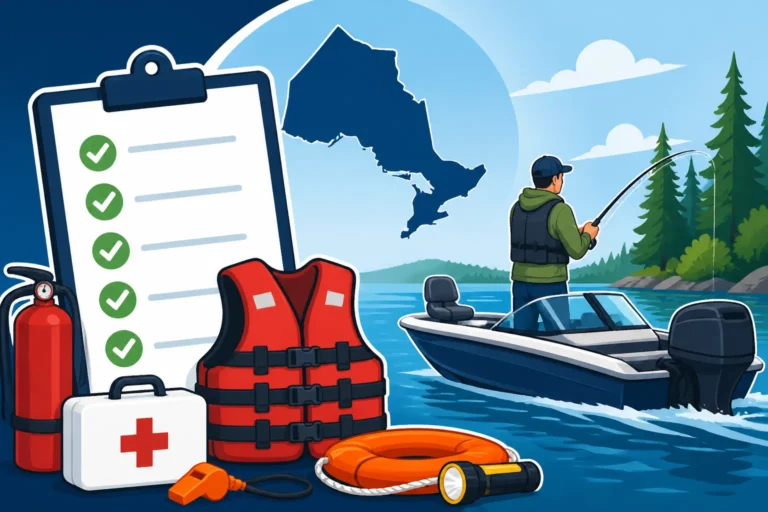
Operating a boat safely extends beyond just avoiding impairment. It's about being prepared and adhering to all safety regulations. Make sure your boat is equipped with all the required safety gear. This includes:
- Life jackets for everyone on board: And not just in the boat, but properly fitted and worn, especially for children. It's a key part of Life Jacket Requirements for Ontario Boaters.
- Sound-signaling device: A whistle or air horn is often required.
- Navigation lights: If you're operating between sunset and sunrise or in periods of restricted visibility.
- Fire extinguisher: For any boat with a motor.
- Bailing device or pump: To remove water from the boat.
- Heaving line: A floating rope for rescue.
Beyond gear, always check the weather forecast before heading out and throughout your trip. Conditions on Ontario lakes, particularly larger ones, can change rapidly and unpredictably. File a float plan with a trusted person, detailing where you're going, when you expect to return, and who is with you. Carry a fully charged cell phone (in a waterproof bag!) or a marine radio for emergencies. Many of these essential items can be found conveniently on platforms like Amazon, ensuring you have reliable gear for your adventures. Knowing your boat's capabilities and limitations is also vital. Whether you're chasing walleye in the Bay of Quinte or lake trout up north, your attention should be on the water and the fish, not on managing an impairment.
What to Do if You Encounter an Impaired Boater
Witnessing an impaired boater can be alarming and dangerous. Your first priority should always be your own safety and the safety of your passengers. Maintain a safe distance from any vessel you suspect is being operated by an impaired individual.
Once you are in a safe position, report the incident immediately. In Ontario, you can contact the Ontario Provincial Police (OPP) or your local police force's marine unit. Try to provide as much detail as possible, including:
- The vessel's description (type, colour, name, registration number if visible).
- The approximate location and direction of travel.
- A description of the operator's behaviour.
- Any identifying features of the individuals on board.
Even if you don't have all the details, any information you can provide can help law enforcement intercept the impaired boater before they cause an accident. By reporting suspicious activity, you're doing your part to keep Ontario's waterways safe for everyone who enjoys fishing and boating. For a deeper dive into the overall regulatory framework, articles like Ontario Fisheries Management Zones, Explained can provide valuable context.
Important Resources and Where to Learn More
Staying informed is key to enjoying Ontario's waters responsibly and safely. There are numerous resources available that can help you understand all aspects of boating and fishing regulations.
Understanding Ontario's Regulations Beyond BUI
While understanding BUI penalties is critical, it's just one piece of the puzzle. Transport Canada is the federal authority responsible for boating safety regulations, including the Ontario Pleasure Craft Operator Card Requirement for most motorized vessels. Their website offers comprehensive guides and frequently asked questions. The Ontario Ministry of Transportation (MTO) and the Ontario Provincial Police (OPP) also provide valuable information on provincial boating laws and enforcement.
For fishing-specific regulations, the Ontario Ministry of Natural Resources and Forestry (MNRF) is your go-to source. Their annual Ontario Fishing Regulations Explained summary is an absolute must-read for any angler. It covers everything from Ontario Fishing Season Dates by Zone to specific catch limits and special regulations for certain waters. Seriously, make it a habit to check the updated summary every year before you head out, and consider carrying a copy or having it digitally accessible. Familiarizing yourself with these resources will not only keep you compliant but also enhance your overall boating and fishing experience. You can find many useful regulatory summaries and guides in physical form or digitally, some even available through online retailers like Amazon.
Legal Assistance and Rehabilitation
If you or someone you know is charged with boating under the influence, the very first step should be to seek legal counsel from a lawyer specializing in BUI/DUI cases. Navigating the Canadian legal system can be incredibly complex, and a good lawyer can explain your rights, guide you through the process, and help you understand all available options, including potential defenses or plea bargains. Don't try to go it alone; the stakes are too high.
Beyond legal representation, many individuals facing BUI charges may be required to participate in educational or rehabilitation programs. These programs are designed to address the underlying issues related to impaired operation and to reduce the likelihood of re-offending. Even if not mandated, voluntarily seeking support or education can demonstrate responsibility and a commitment to change, which can sometimes be viewed favourably by the courts. Resources are available, and reaching out for help is a sign of strength, not weakness. Ultimately, the goal is to prevent future incidents and ensure everyone can enjoy Ontario's waters safely. Also, make sure your Ontario Outdoors Card, Explained is always up to date!
Disclaimer
The information provided in this guide is for general informational purposes only and does not constitute legal advice. Boating under the influence laws and penalties are complex and subject to change. For specific legal advice regarding BUI charges or any boating-related legal matter, it is essential to consult with a qualified legal professional. We strive to provide accurate and up-to-date information, but cannot guarantee its absolute correctness or applicability to every individual situation.