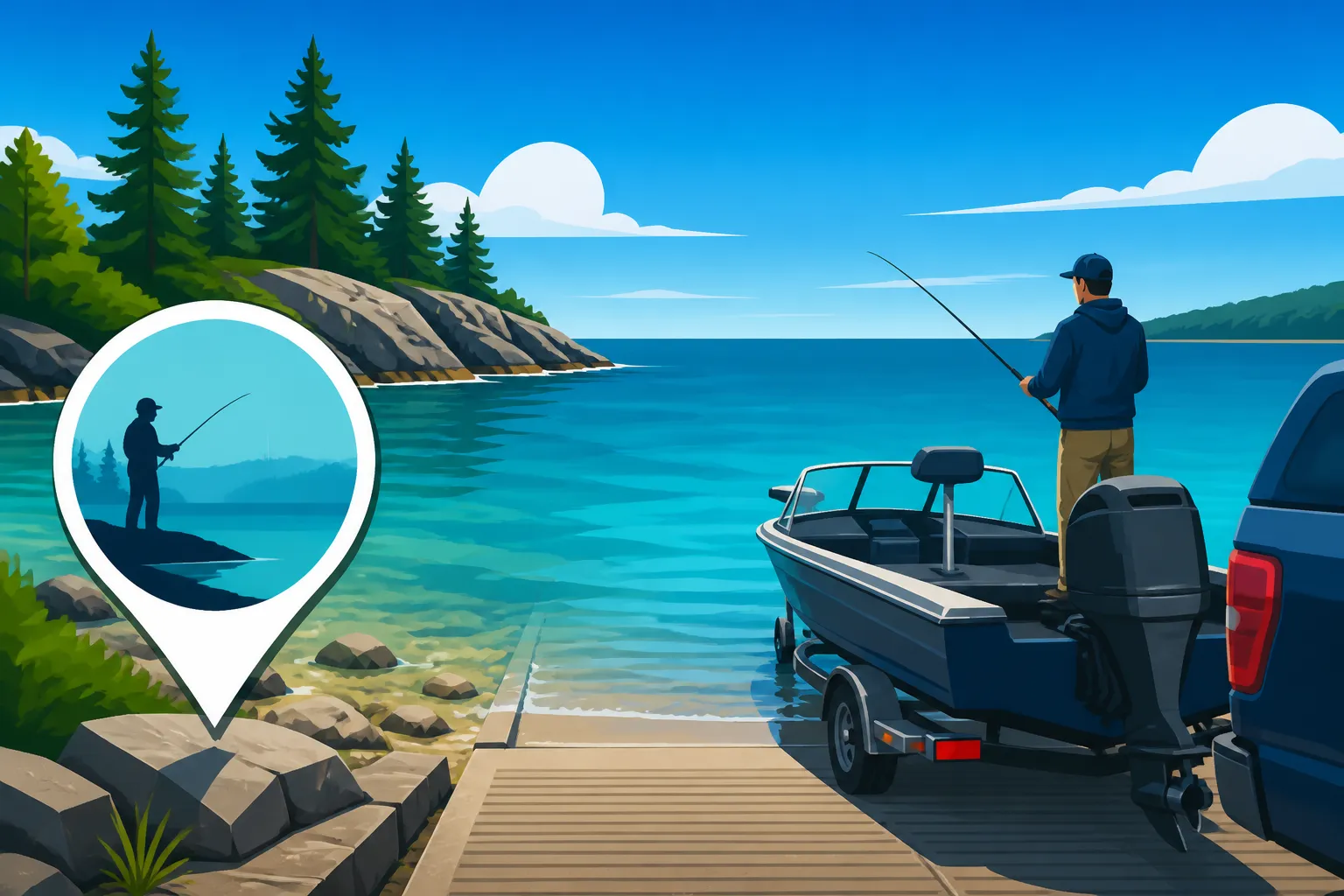
Best fishing access on Lake Huron
Finding prime fishing spots on a massive body of water like Lake Huron can feel like searching for a needle in a haystack. The sheer size and diverse coastline, from rugged cliffs to bustling harbour towns, often leave anglers wondering where to even begin their adventure to ensure good access. This comprehensive guide will help you pinpoint the best fishing access points on Lake Huron, making your next outing successful and frustration-free.
Understanding Lake Huron's Vastness and Access Points
Lake Huron is an immense freshwater lake, the second-largest of the Great Lakes by surface area within Canada, and its shores offer a wildly varied fishing experience. Because of its sheer scale, blanket advice simply doesn't cut it. You've got everything from the sheltered bays of Georgian Bay to the wilderness feel of the North Channel and the bustling towns along the main lake's eastern shore. Each area presents its own set of opportunities and challenges when it comes to finding a spot to cast a line.
Navigating the Sheer Scale of Lake Huron's Fishing Zones
When we talk about Lake Huron, we're really talking about several distinct fishing environments. There's the main body of the lake, which is generally deep and exposed, often requiring larger boats. Then you have the intricate island chains and deep coves of Georgian Bay, a world unto itself with countless islands and protective inlets perfect for smaller craft. Further north lies the rugged North Channel, offering a more remote, wilderness experience. These geographical differences aren't just scenic; they dictate the type of fish you'll find, the gear you'll need, and most importantly, how you can even get to the water. Understanding these distinct zones is the first step to unlocking Lake Huron's potential, especially considering the detailed rules you'll find when exploring the various Ontario Fisheries Management Zones, Explained.
Public vs. Private Access: Knowing Where You Can Go
One of the biggest headaches for anglers, especially those new to an area, is figuring out what's public and what's private. Much of Lake Huron's shoreline is privately owned, particularly around cottage country in Georgian Bay. This means you can't just pull over and set up shop. However, municipalities, provincial parks, and conservation areas have done a fantastic job of providing designated public access points, including boat launches, fishing piers, and shoreline parks. Always keep an eye out for signage, respect private property, and remember that even if you can see a great-looking point, it might not be legally accessible. This is where a bit of pre-trip research, often through local tourism websites or government resources, can save you a lot of grief.
Prime Fishing Access Zones on Lake Huron
Let's dive into some of the most popular and productive areas around Lake Huron where you'll find solid access for various fishing styles. Each region has its own charm and target species, so knowing what you're looking for will guide your choice.
Georgian Bay's Diverse Offerings
Georgian Bay is arguably the most famous part of Lake Huron for anglers, and for good reason. It’s teeming with smallmouth bass, northern pike, walleye, and even muskie. The access here is varied, from bustling harbours to quiet provincial parks.
- Parry Sound Area: This is a major hub on Georgian Bay. You'll find multiple public boat launches in and around Parry Sound itself, offering direct access to the countless islands and channels. Places like the municipal boat launch on Bay Street are well-maintained and provide ample parking. Shore fishing isn't as prevalent right in town due to the docks and private properties, but nearby provincial parks like Killbear Provincial Park offer limited shore access and excellent boat launching facilities for exploring the inner bay.
- Owen Sound: Situated at the southern tip of Georgian Bay, Owen Sound offers access to the deep waters of Owen Sound Bay, known for its salmon and trout runs, especially in the spring and fall. The inner harbour provides easily accessible piers for shore anglers, and several boat ramps allow for launching into the bay. You might also consider exploring nearby rivers that feed into the bay, which can be excellent for migratory fish.
- Wiarton and the Bruce Peninsula: Wiarton, home of Wiarton Willie, provides excellent access to Colpoys Bay, a fantastic smallmouth bass and northern pike fishery. The public boat launch in Wiarton is a popular spot. Further up the Bruce Peninsula, Fathom Five National Marine Park and Bruce Peninsula National Park offer limited, but often stunning, access points, though these are more geared towards scenic beauty than direct fishing spots. For a more direct fishing experience, check out local marinas that often have public launches or guides who know the Best Fishing Lakes in Ontario in the broader region.
The North Channel's Remote Beauty
The North Channel, nestled between Manitoulin Island and the mainland, offers a dramatically different experience. This area is characterized by stunning granite cliffs, clear water, and a more remote feel. While shore access is more limited, boat access is king.
- Little Current: As the primary service town on Manitoulin Island, Little Current is a fantastic gateway to the North Channel. The town has a well-equipped marina and public boat launch, making it easy to get your boat into these pristine waters. From here, you can explore countless islands, bays, and inlets known for their superb smallmouth bass, northern pike, and even lake trout fishing.
- Espanola and Whitefish Falls: Moving off Manitoulin to the mainland side, towns like Espanola and Whitefish Falls provide access to the eastern stretches of the North Channel. While further inland, these areas serve as launching pads to access the winding rivers and lakes that eventually flow into the North Channel. Access here often involves smaller, less developed boat ramps, catering to those seeking a true wilderness fishing adventure. If you're looking for an unforgettable remote experience, booking a guided trip through a service like FishingBooker can be an excellent way to ensure you hit the best, most secluded spots.
Eastern and Southern Lake Huron Hotspots
The eastern and southern shores of Lake Huron are characterized by beautiful sandy beaches, vibrant communities, and excellent salmon and trout fishing, particularly during their migratory runs.
- Kincardine: Kincardine boasts an active harbour with a reliable public boat launch. What truly sets Kincardine apart for access are its iconic fishing piers. These piers are incredibly popular for shore anglers, especially during the spring and fall salmon and trout runs when Chinook and Coho salmon, as well as rainbow trout (steelhead), cruise close to shore. You'll often find anglers lining the piers, casting spoons or soaking roe bags.
- Port Elgin: Just north of Kincardine, Port Elgin also offers good public access through its municipal marina and boat launch. The long, sandy beaches here are more recreational, but the harbour area itself and nearby river mouths can hold fish. Like Kincardine, it’s a popular spot during the migratory runs for salmon and trout, making it a key destination on the Lake Huron Fishing Spots map.
- Goderich: Known as "Canada's Prettiest Town," Goderich has a large, deep-water harbour. This harbour provides excellent public boat launching facilities and considerable pier fishing opportunities. The piers here are a hotspot for salmon, trout, and even some resident walleye and smallmouth bass. The river that flows into the harbour is also worth exploring, especially during the spring and fall.
Types of Fishing Access and What They Offer
The type of fishing you want to do often dictates the kind of access you’ll need. Lake Huron accommodates everything from large cruisers to humble kayaks, so let’s look at the most common options.
Boat Launches and Marinas
For many anglers, especially those targeting species further offshore or wanting to explore multiple spots, a boat is essential. Lake Huron offers numerous public and private boat launches.
- What to Look For: When choosing a boat launch, consider the ramp's condition (concrete vs. gravel), parking availability, and proximity to your desired fishing grounds. Some launches are free, while others may have a small fee or require a permit. Marinas often provide more amenities like fuel, bait shops, and washrooms, but typically come with a launch fee. For those interested in buying, checking out guides like Best Boats for Ontario Lakes and Rivers can help you prepare.
- Safety First: Lake Huron can get rough quickly. Always check the weather forecast before heading out. Ensure your boat is equipped with all necessary safety gear. It's not just a recommendation; it's a legal requirement, and understanding Ontario Boating Laws for Anglers is crucial. Make sure you have enough Life Jacket Requirements for Ontario Boaters for everyone on board and consider reviewing an Ontario required boat safety equipment checklist before hitting the water.
- Charter Options: If you don't own a boat or are unfamiliar with the vastness of Lake Huron, hiring a local fishing charter is an excellent option. Services like FishingBooker specialize in connecting anglers with experienced captains who know the local waters, regulations, and where the fish are biting. This can be especially valuable for targeting migratory salmon and lake trout in the deeper waters.
Shore Fishing from Piers, Parks, and Beaches
Not everyone has a boat, and that's perfectly fine! Lake Huron still offers plenty of opportunities for shore anglers.
- Piers and Breakwalls: As mentioned earlier, towns like Kincardine, Goderich, and Owen Sound have excellent piers and breakwalls. These structures extend into deeper water, providing access to fish that might otherwise be out of reach. They are often hotspots for salmon, trout, walleye, and perch, especially during key seasons.
- Provincial Parks and Conservation Areas: Many provincial parks, while primarily for camping and recreation, also offer designated shore fishing areas. These spots are often well-maintained and provide beautiful backdrops for your fishing. However, fishing opportunities might be more limited to panfish or smaller species in these areas compared to the deep-water access of piers. For more general advice, see Best Shore Fishing Spots in Ontario.
- River Mouths: Where rivers and streams flow into Lake Huron, you'll often find excellent shore fishing, particularly during spring and fall runs for salmon and trout. These areas can be highly productive but also heavily pressured, so arrive early!
Kayak and Canoe Access
For those seeking a quieter, more intimate fishing experience, kayaks and canoes are fantastic options, offering access to shallow bays, weed beds, and tight spots that larger boats can’t reach.
- Launch Points: Kayaks and canoes can be launched from many public boat launches, designated beach access points, or even from undeveloped roadside pull-offs where legal. The key is finding calm water for launching and a safe place to park your vehicle.
- Target Species: This method is perfect for stalking smallmouth bass and northern pike in the countless shallow, weedy bays and rocky shorelines of Georgian Bay and the North Channel. You can get into areas that are less pressured and often hold bigger fish.
- Gear Considerations: When kayak fishing, stability is key. Look for wider, purpose-built fishing kayaks. Always wear your life jacket, and ensure you have a paddle leash. Reading guides on Best Kayaks for Ontario Fishing can help you choose the right vessel for your adventures on Lake Huron. Using a service like FishingBooker can even help you find guided kayak fishing trips if you're looking to learn the ropes or explore new areas safely.
Planning Your Lake Huron Fishing Adventure
A little preparation goes a long way, especially on a lake as significant as Huron. Don't let regulations or a lack of local knowledge spoil your trip.
Essential Regulations and Licenses
Before you even think about casting a line, make sure you're properly licensed and understand the rules. Ontario has specific regulations that anglers must follow.
- Get Your License and Outdoors Card: Every angler over the age of 18 (and under 65, with some exceptions for Canadian residents) needs an Ontario fishing license and an Outdoors Card. You can learn all about this in the Ontario Fishing License Guide for 2026. Don't forget to check out the Ontario Outdoors Card, Explained if you're unsure about that aspect.
- Understand the Regulations Summary: Lake Huron spans multiple Fisheries Management Zones (FMZs), each with its own specific rules regarding season dates, catch limits, and size restrictions for different species. Always consult the current year's Ontario Fishing Regulations Explained summary. It’s a vital resource, and knowing how to navigate it, as detailed in Reading the Ontario Fishing Regulations Summary, is non-negotiable for a legal and responsible trip. Ignoring these rules can lead to hefty fines, ruining an otherwise perfect day on the water.
Utilizing Local Resources for Up-to-Date Information
Local knowledge is gold when fishing a new area. Don't be shy about tapping into it!
- Bait and Tackle Shops: These are often the best source of real-time, hyper-local information. The folks who run these shops know what's biting, where, and what bait or lure is currently working best. They can also point you to lesser-known access points. For example, if you're in Port Elgin, the local tackle shop will tell you which pier is hot for salmon or where the perch are schooling.
- Tourism Offices and Websites: Many towns along Lake Huron have local tourism offices or websites that provide information on public boat launches, fishing piers, and amenities. These are great for planning your trip in advance and finding current conditions.
- Online Forums and Social Media: Angling communities online can be incredibly helpful for gleaning recent reports and specific tips. Just remember to take some information with a grain of salt, as specific spots are often guarded secrets!
- Guided Trips: For a truly hassle-free experience, especially if you're new to a particular area of Lake Huron, a guided fishing trip is invaluable. Charters and guides know the ins and outs of the lake, have all the necessary gear, and can put you on fish quickly. As mentioned, platforms like FishingBooker are a fantastic way to find reputable guides and charters for various species and locations across Lake Huron, ensuring you get the most out of your time on the water.
| Access Type | Best For | Pros | Cons | Key Locations |
|---|---|---|---|---|
| Public Boat Launches | Deeper water fishing, multiple spots, large boats | Access to vast areas, often well-maintained, good parking | Can be busy, launch fees, requires a boat | Parry Sound, Little Current, Kincardine, Port Elgin, Goderich |
| Marinas | Charters, boat services, amenities | Full services (fuel, bait, repairs), guided trips, often good access | Can be expensive, primarily for boat owners | Parry Sound, Little Current, Owen Sound, Kincardine |
| Fishing Piers/Walls | Shore fishing, migratory runs, easy access | No boat needed, accessible, often productive for specific species | Limited range, can be crowded, conditions depend on weather | Kincardine, Goderich, Owen Sound |
| Provincial Parks | Scenic shore fishing, camping combo | Beautiful surroundings, family-friendly, some designated spots | Often limited fishing potential, may require park fees, busy in summer | Killbear Provincial Park, Bruce Peninsula National Park (limited fishing) |
| Kayak/Canoe Access | Shallow bays, secluded spots, quiet fishing | Stealthy approach, access to tight areas, great exercise | Limited range, weather dependent, requires specific gear | Georgian Bay inlets, North Channel bays, smaller river mouths |
Lake Huron is a true gem for anglers, offering incredible diversity and some of the best fishing in Ontario. By understanding the different access points and planning ahead, you'll be well on your way to a memorable and productive fishing trip.
Disclaimer
The information provided in this guide is for general informational purposes only and does not constitute legal advice. Fishing regulations and access rules can change frequently. Always consult the official Ontario fishing regulations summary and local authorities (e.g., provincial parks, municipal offices) for the most current and accurate information before planning your fishing trip. Adhere to all posted signage and respect private property.