What Chinook salmon runs look like on Lake Ontario tributaries
Annual Chinook salmon runs on Lake Ontario tributaries show massive king salmon migrating upstream through rivers to spawn after living three to five years.
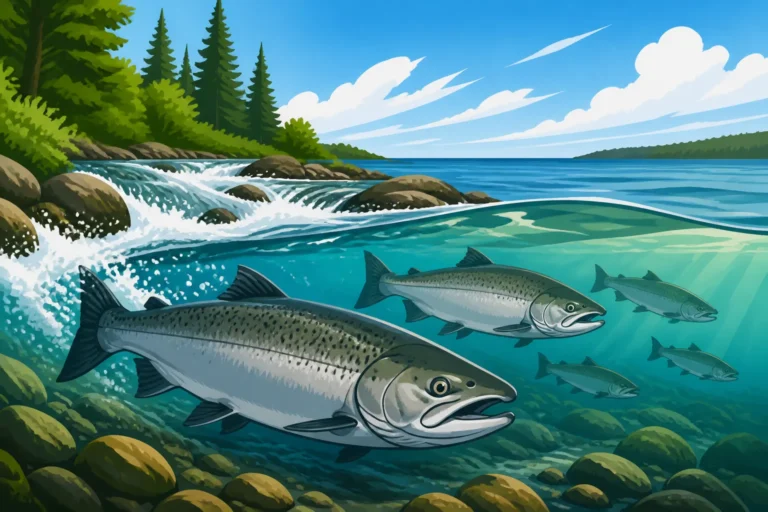
Annual Chinook salmon runs on Lake Ontario tributaries show massive king salmon migrating upstream through rivers to spawn after living three to five years.
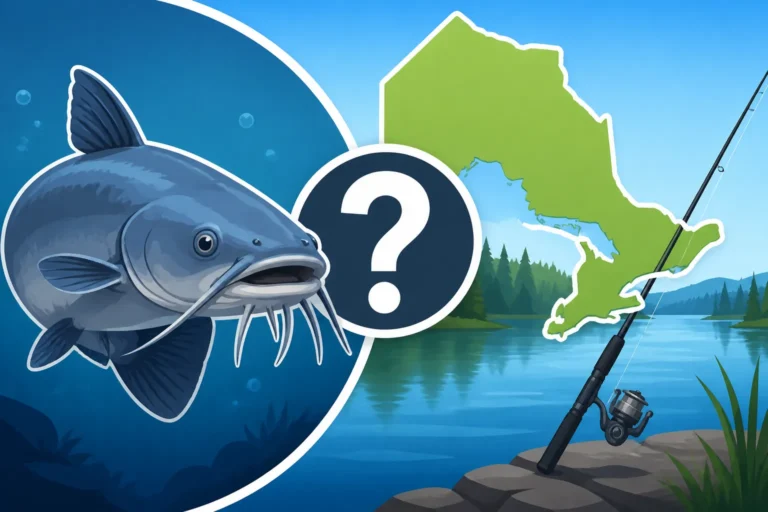
Established populations of blue catfish do not exist in Ontario, while channel catfish remain abundant and native across the province.
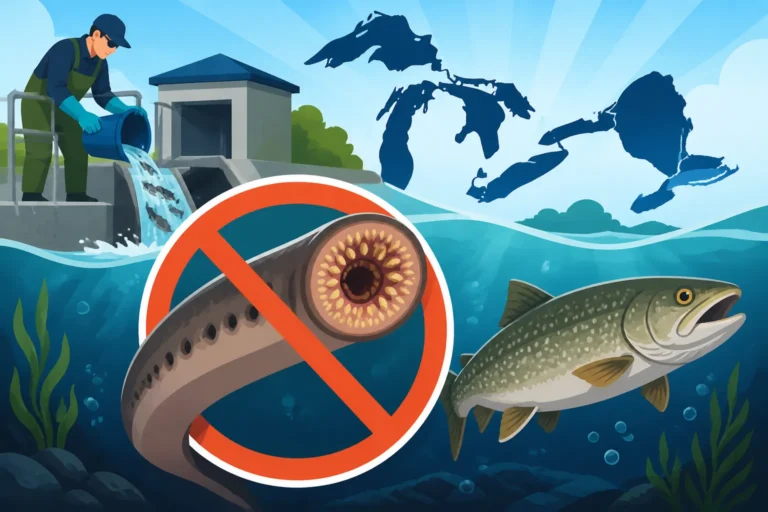
The sea lamprey control program protects Great Lakes fisheries from parasitic jawless fish that migrated through the Welland Canal.
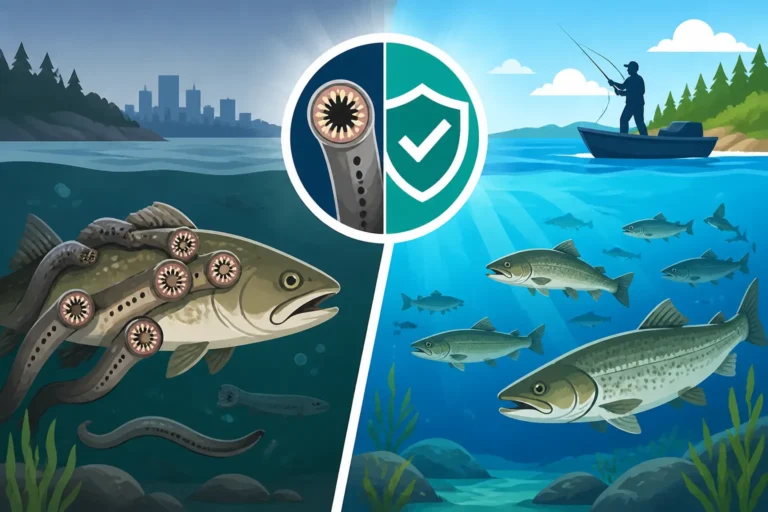
Sea lamprey control efforts in the Great Lakes revived native fish populations like lake trout that once plummeted by ninety-nine percent.
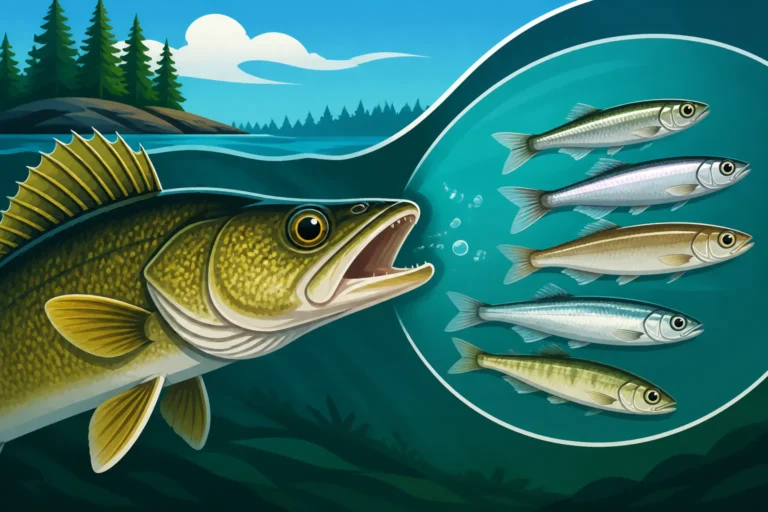
Walleye are opportunistic predators with light-sensitive eyes built for dawn, dusk and night; matching the baitfish they eat at a given moment decides success.
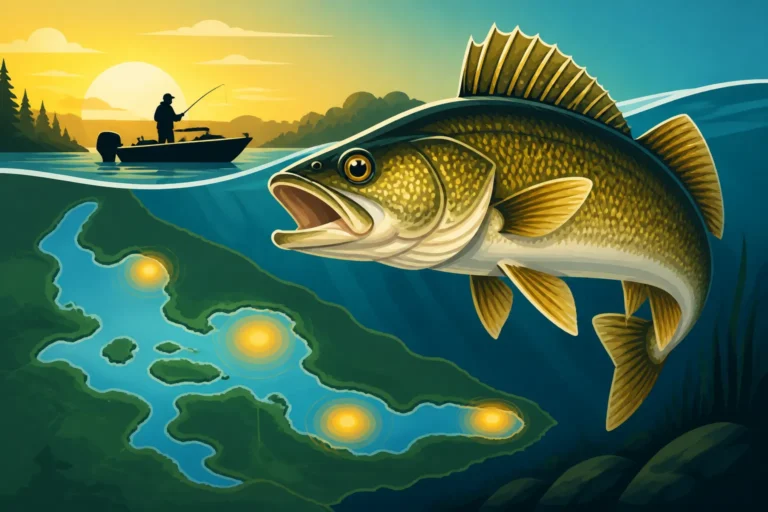
Bay of Quinte trophy walleye locations and seasonal strategies reveal specific areas where massive fish consistently grow to epic sizes.
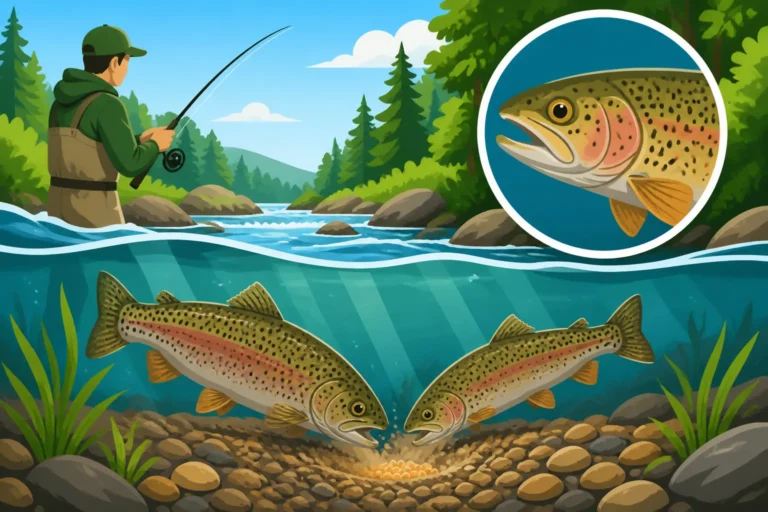
Ontario trout streams contain self-sustaining brook, brown, and rainbow trout populations that reproduce without stocking.
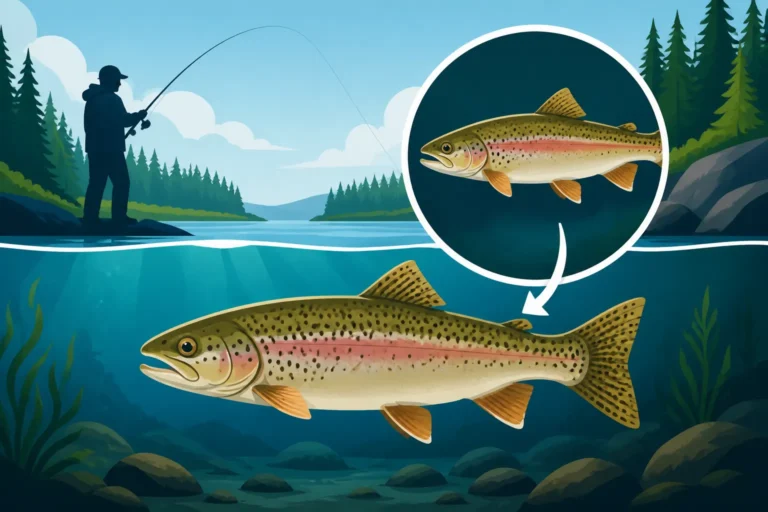
Holdover trout are hatchery fish that survive at least one winter in Ontario waters, adapting to natural conditions and predators.
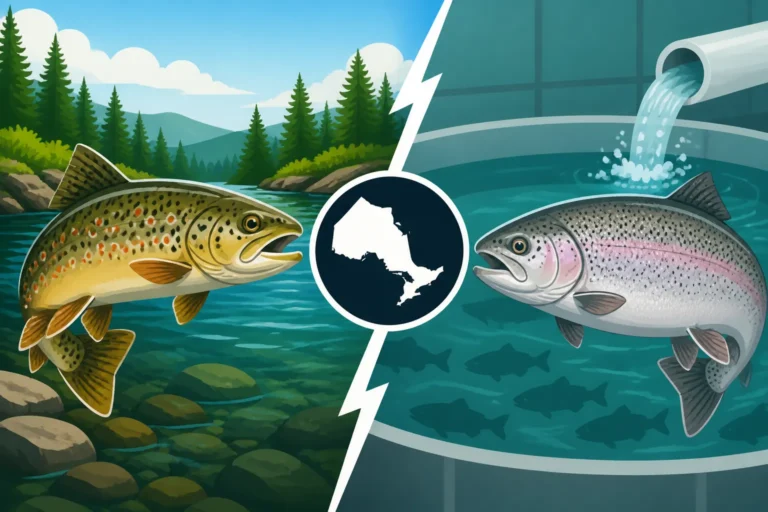
Ontario anglers can learn how to identify wild and stocked trout by examining physical characteristics and natural behavior.
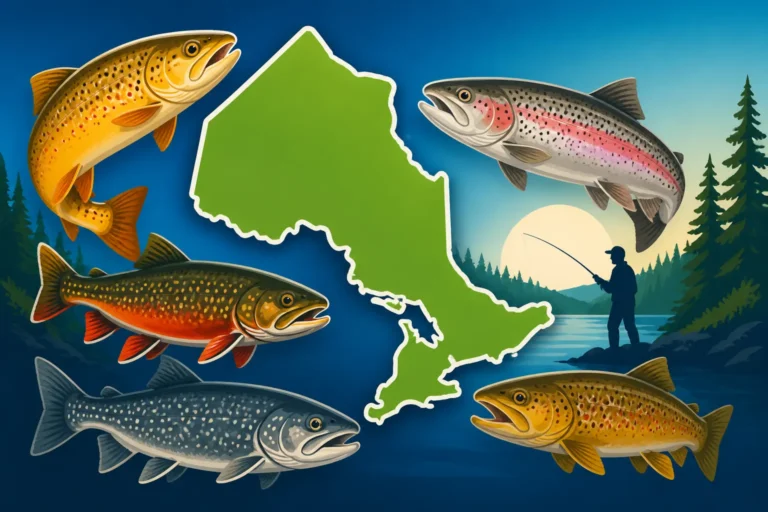
Ontario trout species and char types, including native brook and lake trout, are explained with identification details and scientific differences.