Best technique for fishing a plunge pool
Plunge pools, those churning cauldrons of water at the base of waterfalls, rapids, or spillways, can look intimidating, but let me tell you, they are absolute magnets for fish. The sheer power of the water can make them seem unfishable, leading many anglers to simply bypass them. But beneath that turbulent surface lies a prime feeding ground, a sanctuary, and an oxygen-rich environment that fish crave. This guide is all about demystifying these dynamic hotspots and equipping you with the best techniques to unlock their potential, transforming them from daunting obstacles into rewarding fishing grounds.
Understanding the Plunge Pool Ecosystem
Before we even think about casting a line, it's crucial to understand why plunge pools are such honey holes. They're not just random pockets of water; they're dynamic, living systems that provide everything a fish needs to thrive.
What Makes Plunge Pools Fish Magnets?
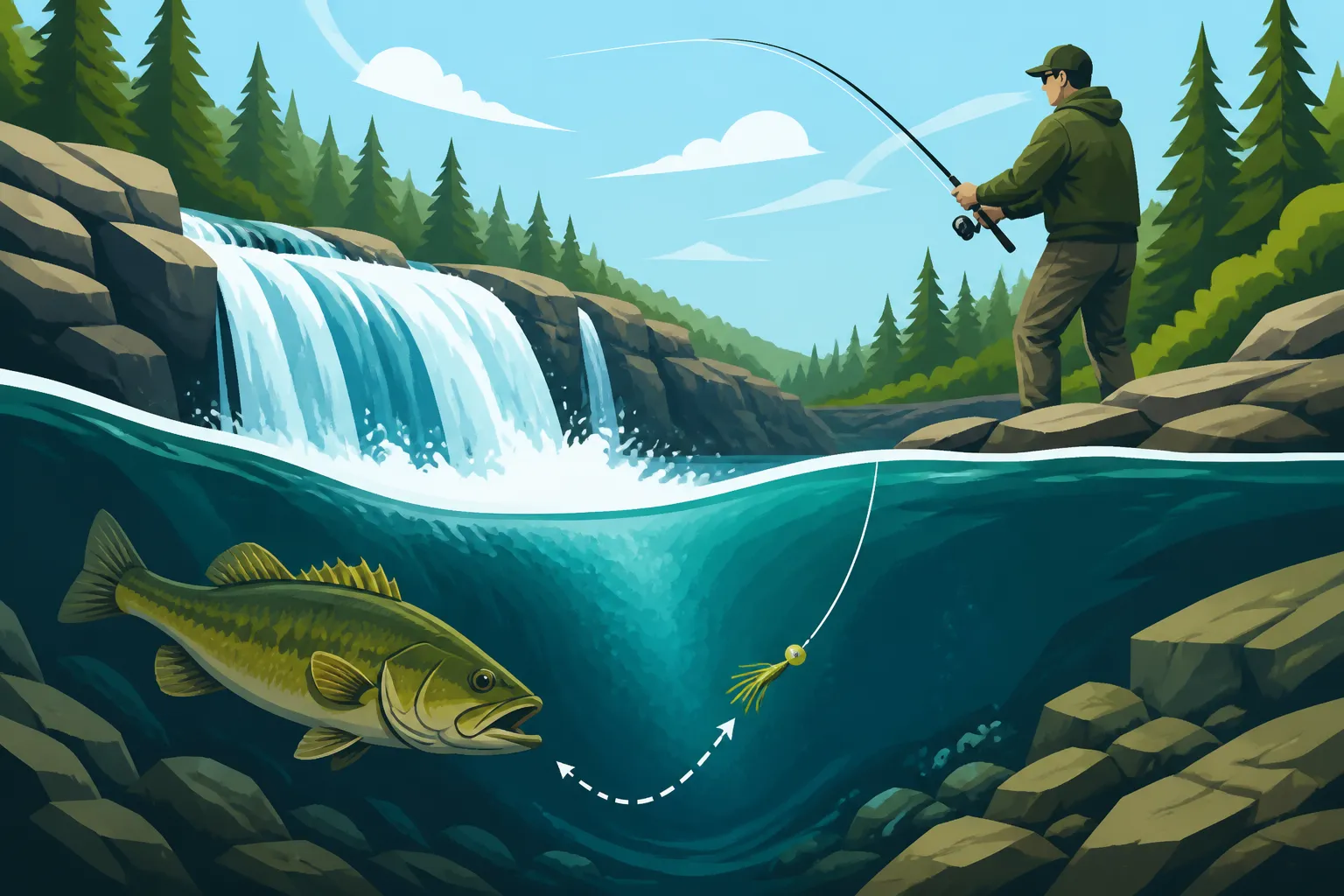
Think about it from a fish's perspective. That rushing water might seem chaotic to us, but for fish, it's a buffet and a fortress all rolled into one. The intense current churns up oxygen, which is vital, especially in warmer months. More importantly, it acts like a conveyor belt, washing all sorts of food items—insects, minnows, even dislodged worms or larvae—directly into the pool. Fish can sit in the slightly calmer pockets or "seams" within the pool, expending minimal energy while waiting for their next meal to literally be delivered to their mouths. The depth and turbulence also offer fantastic cover from predators, both avian and terrestrial, making them feel secure. It's a perfect storm of opportunity and safety that draws fish in and holds them there.
Diverse Types of Plunge Pools and Their Inhabitants
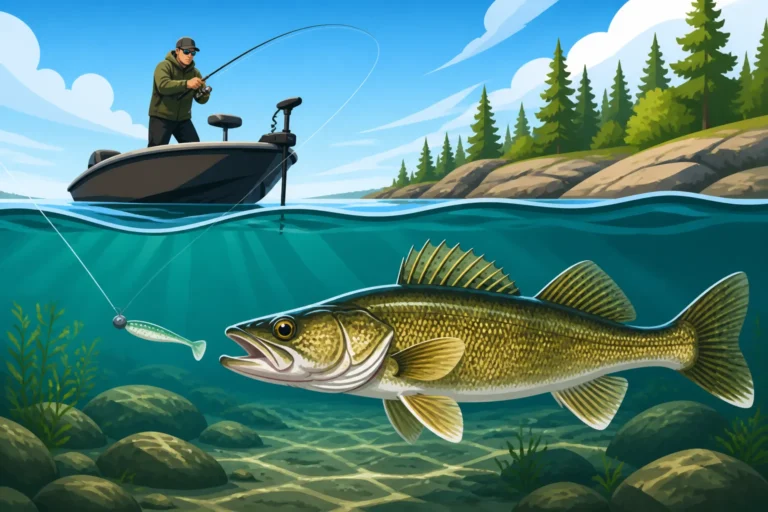
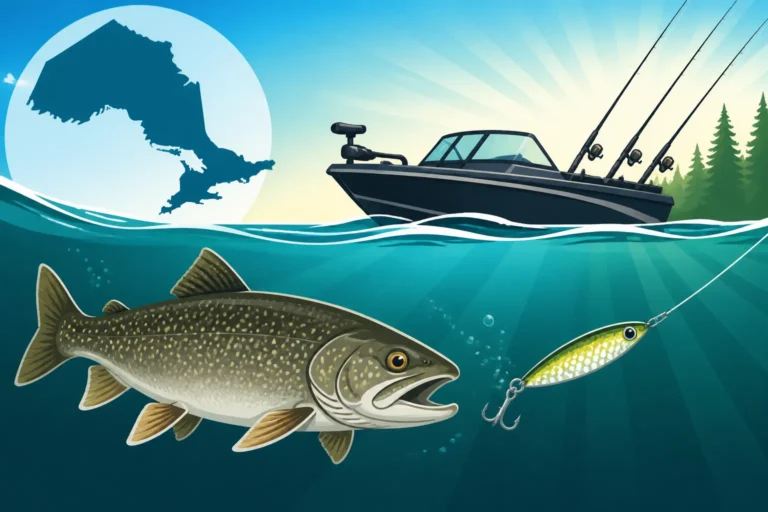
Plunge pools aren't all created equal, and understanding their origin can give you clues about what species you might encounter. A plunge pool below a roaring waterfall in Northern Ontario might be home to hard-fighting brook trout or lake trout, seeking out that cold, oxygenated water. Downstream in a warmer, slower river, a similar pool at the base of a set of rapids could be teeming with smallmouth bass, northern pike, or even walleye, especially if there's good forage flowing in. Even dam outflows create artificial plunge pools, often attracting a mix of species that congregate below the structure, taking advantage of the constant current and food supply. Each type presents its own subtle challenges and opportunities, requiring a slightly different approach, but the core principles of fishing them remain similar.
Essential Gear for Plunge Pool Success
You wouldn't bring a butter knife to a sword fight, and the same goes for fishing plunge pools. The demanding environment calls for specific gear that can stand up to the challenge and give you an edge.
Rod, Reel, and Line for Turbulent Waters
When you're dealing with strong currents and potentially powerful fish, your rod and reel setup needs to be up to snuff. I usually recommend a medium to medium-heavy power spinning rod, typically in the 6'6" to 7'6" range, with a fast action tip. This combination gives you the backbone to fight fish in current and cast heavier lures, while the fast tip provides the sensitivity to detect subtle bites in all that commotion. Pair it with a reliable spinning reel in the 2500-3000 size range, known for its smooth drag system.
Line choice is critical. Braided line, in the 15-20 lb test range, is my go-to for its incredible strength, zero stretch (which helps with bite detection), and thin diameter for cutting through current. However, fish in clear water can be line-shy. So, I always, always, always tie on a fluorocarbon leader, usually 6-10 lb test, depending on the species I'm targeting and the water clarity. Fluorocarbon is nearly invisible underwater and abrasion-resistant, which is a huge bonus when fishing around rocks. You can find excellent quality braided line and fluorocarbon leader material on sites like Amazon.
Lure and Bait Arsenal
Your tackle box for plunge pools needs to be versatile. The key is to have offerings that can get down quickly and stay in the strike zone despite the current.
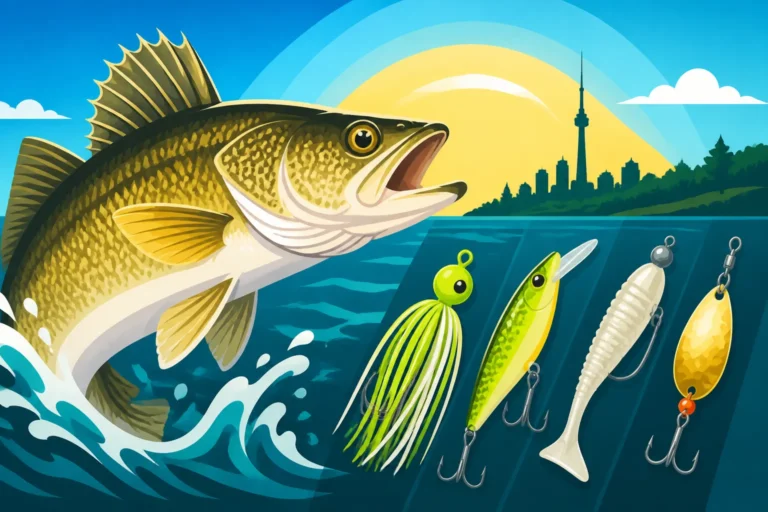
- Jigs: Bucktail jigs, soft plastic swimbaits on heavy jig heads (1/4 oz to 1 oz, sometimes more), or even hair jigs are fantastic. They sink fast and can be worked vertically or cast upstream to drift.
- Spoons: Heavy casting spoons (like a Little Cleo or a Williams Wabler) can be effective. Their weight helps them plummet, and their flash and wobble imitate baitfish being tossed around.
- Crankbaits: Deep-diving crankbaits can be fantastic for targeting aggressive fish, especially smallmouth bass or walleye, that are willing to chase. Look for models with a strong lip designed to dig into the current.
- Soft Plastics: Grubs, worms, and creature baits rigged on heavy jig heads or drop shot rigs can entice more finicky fish. The natural movement of soft plastics can be irresistible in the current.
- Live Bait: If legal and accessible, live bait like minnows, worms, or leeches can be deadly. Rig them on a simple hook with just enough weight to get them down, allowing them to drift naturally. This is often an effective strategy for How to Catch Walleye in Ontario or even trout.
Safety and Comfort for Anglers
Fishing in and around turbulent water demands respect and caution. Safety should always be your top priority.
- Wading Boots and Wading Staff: If you plan on wading, investing in a good pair of Best Wading Boots for Rocky Streams is non-negotiable. Look for felt or studded rubber soles for superior grip on slick rocks. A sturdy Best Wading Staff for Fast Current will provide crucial stability, helping you maintain balance and test depth before stepping.
- Life Jacket: Always, always wear a life jacket or personal flotation device (PFD) when wading in strong currents or fishing from a boat or kayak in these areas. Even if you're a strong swimmer, an unexpected slip or a snag that pulls you off balance can quickly turn dangerous. Many comfortable, low-profile PFDs are available on platforms like Amazon.
- Dry Bag: Keep your phone, keys, and any other essentials in a reliable dry bag. A quick slip means everything in your pockets could be soaked or lost forever.
- Polarized Sunglasses: Not just for comfort, polarized sunglasses cut through glare, allowing you to spot submerged rocks, current breaks, and sometimes even fish.
Strategic Approaches to Fishing Plunge Pools
Now that you're geared up and understand the environment, let's talk tactics. Fishing a plunge pool isn't about aimlessly casting; it's about precision, understanding water dynamics, and presenting your lure effectively.
Upstream Casting and Controlled Drift
This is perhaps the most common and effective technique for many plunge pool scenarios, particularly for species like trout or smallmouth bass. The idea is to cast your lure or bait well upstream of the most turbulent part of the plunge pool, allowing the current to carry it naturally downstream into the strike zone.
Imagine a small feeder stream entering the main river, creating a mini-waterfall and a small plunge pool. You’d cast your jig or weighted nymph (if fly fishing for trout) several feet above where the water crashes, letting it sink and drift with the current. The goal is to imitate a natural food item that's been dislodged and swept into the feeding zone. As your line and lure drift, maintain just enough tension to feel for a bite, but not so much that you pull the lure unnaturally against the current. This often means lifting and dropping your rod tip slightly or reeling in just enough slack to keep contact. It takes practice to achieve a "dead drift" where your lure looks completely natural. Fish holding in the calmer water, waiting for food to wash to them, are often quick to strike an easy meal. This technique is also excellent for How to fish a run and pool trout stream sections that feature smaller plunge pools.
Vertical Jigging and Bottom Bouncing
Sometimes, the current is so strong, or the pool is so deep, that a horizontal cast and drift simply won't get your lure where it needs to be. This is where vertical jigging or bottom bouncing comes into play. This technique is often employed when fishing from a boat or kayak, directly over the deepest part of the plunge pool, or from a steep bank where you can drop a lure straight down.
For vertical jigging, use a heavy jig (bucktail, spoon, or a heavy soft plastic) and drop it straight down to the bottom. Once there, you'll employ a lift-and-drop retrieve, rhythmically pulling the jig up a foot or two and then letting it fall back down on a semi-slack line. The goal is to mimic a dying baitfish or an invertebrate stirred up by the turbulence. Bites can be subtle – a slight tick, a feeling of "weight," or simply your line going slack when it should be falling. For bottom bouncing, you might use a three-way swivel with a bell sinker on a short dropper line and a hook or lure on a longer leader. This allows your bait to tumble along the bottom, staying in the strike zone. This can be particularly effective when fish are hugging the bottom in intense current, such as when targeting How to Catch Lake Trout in Ontario in deep holes or walleye. If you're using a kayak, consider a good anchor system for river fishing to hold your position in the current.
Edge and Seam Exploitation
While the center of a plunge pool is chaotic, the real feeding zones are often found along its edges and "seams." A seam is where two different current speeds meet, creating a visible line on the water. Fish, being energy-efficient creatures, will often hold in the slower water of a seam, darting out into the faster current to grab food as it washes by.
Look for these areas of transition:
- The "washout" area: Just downstream of the most turbulent water, where the current starts to spread out and slow down.
- The "eddy": A circular current that forms behind rocks or other obstructions, creating a calmer zone. Fish love eddies because food gets trapped in them, and they offer a respite from the main current.
- Parallel to the bank: Often, the water directly against the bank will be slower than the main flow.
- Behind large boulders: Submerged rocks create current breaks where fish can hide.
Casting your lure so it lands in the faster water just outside the seam, and then drifts into the calmer water, is a highly effective strategy. This makes your presentation look like an easy target being swept out of the main current. Experiment with different angles and retrieve speeds, as fish can be positioned in very specific spots.
Reading the Water for Holding Lies
Fishing a plunge pool effectively is as much about observation as it is about casting. The water itself tells a story if you know how to read it. Look for:
- Current Breaks: Any anomaly on the surface that suggests something below is disrupting the flow. This could be a submerged log, a large rock, or a change in bottom contour.
- Seams: As mentioned, these lines where fast and slow water meet are prime ambush points.
- Eddies: Swirling water that indicates a pocket of calm behind an obstruction.
- Colour Changes: Sometimes, where deeper, slower water meets shallower, faster water, you might see a subtle change in water colour or clarity.
- Bubbles and Foam: Persistent foam lines can indicate where currents are converging and concentrating food.
By carefully observing these signs, you can start to build a mental map of where fish are most likely to be holding, allowing you to make more targeted and effective casts. This skill is invaluable across all types of fishing, including when dealing with Best Techniques for High Water Spring Conditions or trying to understand How to use the Fish ON-Line interactive zone map to find prime areas.
Common Challenges and Troubleshooting
Fishing plunge pools is incredibly rewarding, but it’s not without its frustrations. Strong currents, snags, and spooky fish can test your patience.
Dealing with Strong Currents
The very thing that makes plunge pools so attractive to fish – the powerful current – is also what makes them tricky to fish.
- Weight Up: Don't be afraid to use heavier weights or lures than you normally would. If your lure isn't getting down to the strike zone quickly, it's just getting washed away.
- Angle Your Casts: Instead of casting directly into the teeth of the current, try casting at an angle, either upstream or across, to help your lure sink and drift more naturally.
- Maintain Contact: While you want a natural drift, you also need to feel for bites. Keep just enough tension on your line to detect a strike, but avoid "pulling" the lure unnaturally. This is a delicate balance that comes with practice.
- Use Current-Cutting Line: As discussed, braided line with a fluorocarbon leader excels here. The thin diameter of braid helps it cut through the water column more efficiently than mono, reducing belly in the line.
Avoiding Snags and Lost Tackle
Plunge pools are often littered with rocks, logs, and other debris that act as perfect snag magnets. Losing tackle is part of the game, but you can minimize it.
- Fish Lighter Rigs: When possible, use a single hook instead of treble hooks. For jigs, try a weedless design if the bottom is particularly cluttered.
- Feel the Bottom: Keep constant contact with the bottom, but be ready to lift your rod tip or reel in a bit if you feel your lure bumping against something too aggressively.
- Use Breakaway Rigs: For bottom bouncing, some anglers will use a lighter leader for their sinker. That way, if the sinker gets snagged, only the sinker is lost, not your entire rig or lure.
- Sharpen Hooks: Dull hooks will often get hung up more easily as they don't penetrate quickly. Keep your hooks needle-sharp.
- Retrieve Quickly After Landing: As soon as your lure hits the water, start retrieving. Don't let it sit on the bottom where it can instantly snag.
Staying Safe in Turbulent Water
I can't stress this enough: safety is paramount. Plunge pools can be beautiful but dangerous.
- Never Fish Alone: Always have a buddy, especially when fishing in or near strong currents.
- Know Your Limits: Don't wade into water that's too deep or has a current that's too strong. If it looks dangerous, it probably is. Your gear is replaceable; you are not.
- Check Water Levels: Be aware of recent rainfall or dam releases that could suddenly increase water levels and current speed.
- Footing First: Every step you take when wading should be deliberate. Shuffle your feet rather than lifting them high, and use your wading staff to probe for stable ground.
- Consider a Best Kayak for River Fishing in Ontario: If wading is too dangerous or simply not feasible, a stable fishing kayak can open up access to these spots while keeping you safely afloat. Just remember your life jacket!
Adjusting Techniques Based on Fish Activity
Fish in plunge pools don't always bite the same way. Sometimes they're aggressive, sometimes they're lethargic.
- Aggressive Fish: If you're getting short strikes or seeing fish flash but not commit, try increasing your retrieve speed or using more flashy, aggressive lures like crankbaits or spoons.
- Finicky Fish: If bites are sparse, slow everything down. Use smaller jigs, lighter line, and focus on those natural drifts with live bait or subtle soft plastics. Sometimes, a subtle lift-and-drop presentation with a heavier jig is all it takes to entice a reluctant bite.
- Time of Day/Weather: Fish activity can change with the conditions. Early morning or late evening often see more aggressive feeding. Overcast days can also be productive. Be prepared to adapt your lure choice and presentation.
| Lure Type | Best Use in Plunge Pools | Pros | Cons |
|---|---|---|---|
| Jigs | Vertical jigging, casting upstream for drift, targeting bottom-hugging fish. Effective for trout, walleye, bass. | Sink fast, versatile, mimic various prey, good for feeling bottom. | Can snag easily in rocky areas, require active presentation. |
| Spoons | Casting across or upstream for flash and wobble, jigging for deep fish. Great for trout, pike, walleye. | Heavy for casting distance, strong flash and vibration, good for attracting aggressive fish. | Less natural presentation, can get hung up if allowed to tumble too much. |
| Crankbaits | Targeting active fish in seams or just below the main current, especially for bass or walleye. | Aggressive action, cover water quickly, good for triggering reaction strikes, can reach deep. | Higher snag potential in rocky areas, limited by depth, not ideal for truly vertical presentations. |
| Soft Plastics | Rigged on heavy jig heads for drift or vertical presentation, drop shot rigs for finesse. Excellent for finicky trout, smallmouth bass, or walleye. | Versatile, natural movement, many shapes/sizes, can be very subtle. | Lighter rigs struggle in strong current, can be easily torn by fish or snags, less durable. |
| Live Bait | Drifting naturally on a simple rig with minimal weight, still-fishing in eddies. Effective for almost all species. | Unbeatable natural presentation, highly attractive to reluctant fish. | Can be messy, requires careful handling, availability might be an issue, specific regulations apply to use. |
Disclaimer
This article is for general informational purposes only and does not constitute professional advice. Laws, prices and regulations vary by location and change over time. Consult a qualified professional for guidance on your specific situation.