Best leader for pike and muskie fishing
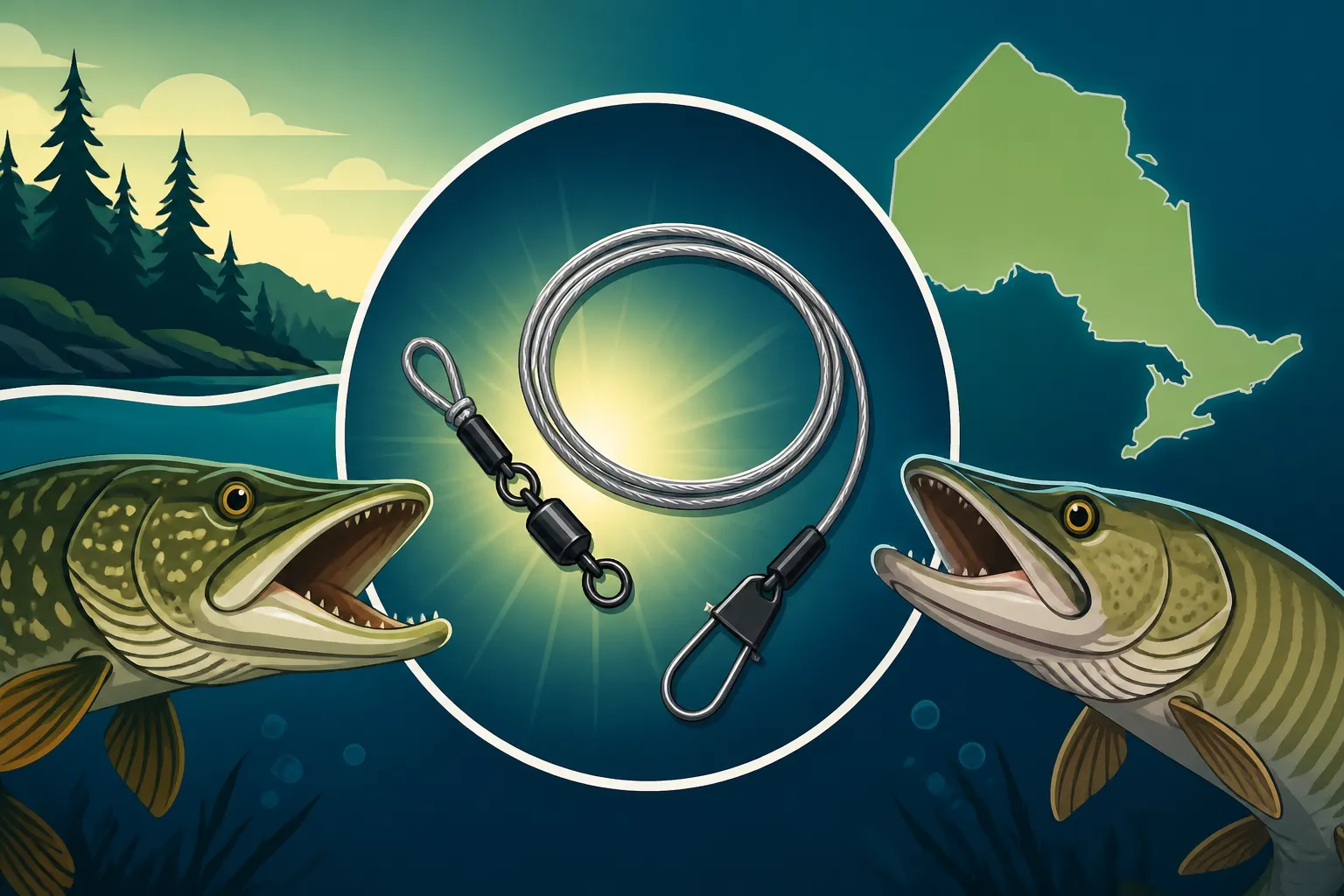
There's nothing quite like the heart-stopping moment when a massive pike or a monstrous muskie absolutely crushes your lure. But that thrill can quickly turn to utter heartbreak if your line snaps mid-fight, leaving you with nothing but a broken dream and a lost fish. That's a feeling every angler dreads, and it's almost always preventable. This guide is all about helping you understand why a proper leader is your best friend when targeting these toothy giants in Ontario's vast waters, and how to pick the perfect one for your next adventure.
Why Leaders Are Non-Negotiable for Pike and Muskie
Let's face it, losing a trophy fish because your line was no match for its impressive set of teeth is a gut-wrenching experience. Many of us have been there, watching our line go limp after a powerful strike, knowing full well what just happened. This isn't just about a missed catch; it's about respecting the fish and ensuring your gear can handle the challenge. When you're fishing for pike and muskie in Ontario, a robust leader isn't just a recommendation; it's an absolute necessity.
The Toothy Predator Problem
Pike and muskie aren't just big fish; they're apex predators with mouths full of razor-sharp teeth designed to hold onto struggling prey. Imagine a miniature shark's jaw, but with more rows and sharper points. When one of these fish clamps down on your lure, any unprotected mainline – be it braided, monofilament, or even standard fluorocarbon – will be instantly shredded. It’s like trying to cut a rope with scissors; their teeth make quick work of it.
This isn't just speculation; it's a cold, hard fact of fishing for these species. A beautiful braided line that boasts incredible strength against straight pulls will part like butter against the shear force of a muskie's teeth. The heartbreak of seeing an expensive crankbait or a custom-tied bucktail disappear forever with a trophy fish is a lesson many anglers learn the hard way. Don't be one of them. Protect your investment in lures and, more importantly, give yourself the best chance to land that fish of a lifetime.
Beyond the Bite: Abrasion Resistance
While the bite-off is the most dramatic way to lose a fish, it's not the only threat your line faces. Pike and muskie have incredibly rough, bony mouths, and their gill plates can be surprisingly sharp. During a prolonged fight, especially with a large fish that rolls or thrashes boatside, your line will rub against these abrasive surfaces. Even if the fish doesn't make a direct pass at your line with its teeth, constant friction against these rough areas can fray and weaken it significantly, leading to a break.
A proper leader provides that crucial buffer. It's designed not only to resist direct tooth penetration but also to withstand the constant grinding and rubbing that comes with battling a powerful, thrashing fish. This added layer of protection is vital, especially when you're trying to control a strong fish near submerged timber or rocky structure. You need a leader that can stand up to the abuse, ensuring that your connection to the fish remains solid from hook-up to net.
Understanding Your Leader Material Options
When it comes to leaders for pike and muskie, anglers have several fantastic options, each with its own set of strengths and weaknesses. The "best" choice often depends on the specific conditions you're fishing, the lures you're throwing, and your personal preferences. Let's dive into the most common and effective materials you'll find for tackling Ontario's toothy predators.
Fluorocarbon Leaders: The Stealthy Choice
Fluorocarbon has become a hugely popular leader material for many types of fishing, and it has a place in the pike and muskie world, particularly for those looking for a stealthier presentation. Its main appeal lies in its nearly invisible nature underwater, thanks to its refractive index being very close to that of water. This makes it an excellent choice when fish are pressured, or when you're fishing in exceptionally clear lakes and rivers across Ontario.
While fluorocarbon offers significantly better abrasion resistance than monofilament, it's crucial to understand its limitations with these toothy species. For smaller pike, a heavy fluorocarbon leader (say, 80-100 lb test) might offer enough protection. However, for larger pike or serious muskie fishing, it's generally considered a "risky" choice for direct bite protection. A trophy muskie's teeth can still sever even heavy fluorocarbon if it hits just right. It's a trade-off: improved stealth but reduced bite-proof security compared to metal options. Many anglers still use it for smaller fish or in scenarios where a slight reduction in bite resistance is acceptable for better lure action and invisibility, especially when casting jerkbaits or swimbaits in clear water. For those specific situations, Best Fluorocarbon Line for Clear Lake Water can provide insights into maintaining stealth.
Steel Leaders: The Classic Bite-Proof Solution
For decades, steel leaders have been the go-to for serious pike and muskie anglers, and for very good reason: they are virtually bite-proof. If you want absolute confidence that your leader won't be cut, steel is the answer. There are two main types of steel leaders to consider.
First, you have stranded wire leaders, often made from multiple fine strands of stainless steel woven together. These are more flexible than single-strand wire, offering better lure action and being less prone to kinking. They come in various finishes, often coated in nylon for added durability and reduced visibility. The multi-strand nature also means if one strand breaks, the others might still hold, though this is not something to rely on. You can find a wide selection of these versatile leaders on Amazon, perfect for a range of pike and muskie lures.
Second, there's single-strand wire leaders. These are typically stiffer and made from a single, heavy gauge wire. While incredibly strong and completely bite-proof, they can significantly impact lure action due to their stiffness and are very prone to kinking. Once a single-strand wire leader gets a serious kink, its integrity is compromised, and it needs to be replaced. These are often used for very large, heavy baits where a slight reduction in lure action is less of a concern, or when maximum durability is paramount in heavily structured areas. Despite the stiffness, their unyielding strength is why some anglers still swear by them for monster fish.
Titanium Leaders: The Modern Hybrid
Titanium leaders represent a significant advancement in bite-proof leader technology. Typically made from a nickel-titanium alloy, these leaders offer an incredible combination of strength, extreme kink resistance, and a lighter weight compared to traditional steel. The major advantage of titanium is its "memory" — it can be bent and twisted repeatedly, even severely, and will spring back to its original straight shape. This means fewer discarded leaders due to kinks, which can save money and reduce frustration over time.
While not quite as completely bite-proof as thick, single-strand steel (a truly massive muskie could potentially sever it with an unlucky crush), titanium offers excellent protection against the vast majority of strikes. Its flexibility often allows for better, more natural lure action than stiff steel leaders, making it a favorite for high-end jerkbaits and gliders. The downside? Titanium leaders are generally the most expensive option on the market. However, many dedicated anglers consider the investment worthwhile for the combination of durability, performance, and peace of mind they offer. For serious anglers, checking out the range of titanium options on Amazon can reveal some high-quality choices.
Heavy Monofilament: A Niche Option
Heavy monofilament line, usually in the 80-100 lb test range, is occasionally considered for leaders, but it really exists in a niche, almost cautionary, category for pike and muskie fishing. Its primary advantages are its very low visibility (even lower than fluorocarbon in some situations due to different properties) and its excellent knot-tying capabilities. It's also generally the most cost-effective option.
However, the major drawback is its lack of reliable bite-proof protection. While a very heavy mono might offer a slim chance against a tiny pike, it is absolutely no match for the formidable teeth of even an average-sized pike or any muskie. It lacks the cutting resistance of fluorocarbon and certainly can't compare to steel or titanium. Therefore, heavy monofilament is generally not recommended as a primary leader for targeting pike or muskie. It might be acceptable if you're targeting other species in waters where only very small pike are present, and you're prepared for potential bite-offs. Otherwise, save the heavy mono for catfishing or other applications where bite-offs aren't a concern.
Choosing the Right Leader for Your Ontario Adventure
Selecting the right leader isn't just about picking a material; it's about matching it to your target species, the size of fish you expect, your fishing technique, and even the conditions you're facing on an Ontario lake or river. A well-chosen leader is a crucial link in your setup, impacting everything from lure presentation to your ability to land a truly massive fish.
Strength and Length Considerations
When we talk about leader strength, for pike and muskie, we're not talking about dainty fishing. For general pike fishing in Ontario, especially if you're hoping for some bigger specimens, you'll want leaders in the 40-80 lb test range. For serious muskie hunters, don't shy away from 80 lb test and even up to 150 lb test, particularly for the biggest baits and toughest conditions. Remember, you're not just fighting the fish; you're often fighting the drag of heavy lures and the immense strain put on your tackle. For more on this, you might find our guide on Best Line Weight for Muskie Fishing helpful.
Leader length is another critical factor. Most anglers use leaders between 12 and 36 inches. Shorter leaders (12-18 inches) are often preferred for smaller, lighter lures or when extreme casting distance is required. They can offer a bit more stealth and less impact on very subtle lure actions. Longer leaders (24-36 inches) provide more protection, especially during the frantic boatside battle where a muskie might do a figure-eight right at the transom. This extra length helps prevent the main line from coming into contact with the fish's teeth or abrasive gill plates at a critical moment. Think about the "flexibility" of your fishing style; if you're often doing aggressive figure-eights or twitching large baits, a longer leader might be a game-changer.
Connecting Your Leader to Main Line and Lure
The strongest leader material is only as good as its connections. For attaching your leader to your main line, there are a few trusted methods. For fluorocarbon leaders, a modified Albright knot or a double uni knot can work well, ensuring a strong, streamlined connection. However, many anglers prefer to use a high-quality, heavy-duty swivel. A swivel helps prevent line twist, especially when casting bucktails or trolling, and also provides a convenient, strong point to attach your leader.
When it comes to attaching your lure to the leader, direct tying to wire leaders is often difficult or impossible, so a strong snap or a snap swivel is essential. Look for heavy-duty, interlock, or solid ring snaps designed for muskie and pike, as flimsy snaps can open under the strain of a big fish. Some anglers prefer to crimp their wire or titanium leaders for maximum strength and a clean look, using specialized sleeves and crimping tools. Others might opt for a direct loop knot on titanium, where possible, to maintain maximum lure action. For details on ensuring secure connections, check out Best Swivel Type for Muskie Leaders for robust options. The overall goal is to have a connection that is as strong as your chosen leader material and won't fail during the battle.
Matching Your Leader to Lure and Technique
The kind of leader you choose should ideally complement the lures and techniques you're employing. This isn't a one-size-fits-all situation; different baits and methods demand different leader characteristics.
For instance, when trolling for pike or muskie with large crankbaits or deep-diving plugs, you're often putting immense pressure on your gear. Here, a heavier, longer steel or titanium leader (24-36 inches) is often preferred. The stiffness of some steel leaders is less of a concern as the boat's movement provides the lure action. The added length also offers more protection against abrasion, especially when a fish is hooked and thrashing near the boat. Consider Best Muskie Gear for Ontario Waters for a broader look at setups for these powerful fish.
If you're casting big bucktails, jerkbaits, or gliders, especially in clearer waters, the nuance of lure action becomes more important. Here, titanium leaders, with their excellent kink resistance and flexibility, truly shine. They allow these specialized lures to perform optimally without hindering their unique swimming actions. A heavy fluorocarbon leader might also be considered for extremely clear water and pressured fish, but remember the bite-off risk. For more general fishing, where the fish are less finicky, multi-strand steel leaders offer a good balance of protection and lure movement. Even for walleye, which typically don't require bite-proof leaders, understanding the dynamics of lure presentation is key, as covered in Best Tackle for Ontario Walleye.
When it comes to ice fishing for pike, the dynamics change. You're typically fishing in a smaller hole with a shorter line. Shorter, heavy-duty steel or titanium leaders (12-18 inches) are usually sufficient. The key here is quick, decisive action to get the fish's head up through the hole, and a robust leader ensures your line holds up under that intense, close-quarters pressure.
Maintenance and Best Practices
Having the right leader is only half the battle; maintaining it and practicing safe handling techniques will ensure both your success and the well-being of these incredible fish. A leader isn't a "set it and forget it" piece of gear; it needs attention and care.
Inspect, Replace, Repeat
This might be the most crucial piece of advice for any angler targeting pike and muskie: inspect your leader constantly. After every fish, and even every few casts, take a moment to run your fingers along the length of your leader. Look for any nicks, kinks, fraying, or any signs of wear and tear. Even a tiny imperfection can compromise the integrity of the leader and lead to a lost fish.
For steel leaders, pay close attention to kinks. As mentioned earlier, a severe kink can weaken the wire significantly. For fluorocarbon, feel for any rough spots or nicks that indicate a tooth has grazed it. If you find any damage, no matter how small, don't hesitate: replace it immediately. It's a small investment in a new leader versus the agony of losing a trophy fish and an expensive lure. Many seasoned anglers keep a ready supply of pre-tied leaders, easily found on Amazon, so they can swap them out quickly on the water.
Handling Toothy Critters Safely
Leaders aren't just for protecting your line; they also play a vital role in the safe handling of pike and muskie. These fish are powerful, and their mouths are dangerous. A sturdy leader provides a secure point to grab with a specialized tool, preventing direct contact with their teeth. When you have a solid leader, you can confidently use tools like long-nose pliers, jaw spreaders, and a good landing net to control the fish.
Using the right tools is paramount for quick, safe unhooking and release. Never try to stick your hand in a pike or muskie's mouth. Instead, use a quality pair of long-nose pliers to remove hooks. If the fish is deeply hooked or particularly active, a jaw spreader can be invaluable, allowing you to safely access the hooks without risk to yourself or the fish. For recommendations on these essential tools, see Best Pliers for Unhooking Pike. Remember, proper handling minimizes stress on the fish, increasing its chances of survival and ensuring more anglers can enjoy catching these magnificent creatures in Ontario's waters for years to come.
Leader Material Comparison
Here's a quick look at the characteristics of popular leader materials for pike and muskie fishing:
| Leader Material | Bite Resistance | Visibility (Underwater) | Kink Resistance | Lure Action | Relative Cost | Best Use Cases |
|---|---|---|---|---|---|---|
| Fluorocarbon | Moderate-Good | Very Low | Good | Excellent | Mid-Range | Clear water, finicky fish, smaller pike, less aggressive presentations |
| Stranded Steel | Excellent | Moderate-High | Moderate | Good | Low-Mid | General pike/muskie, murky water, aggressive fish, all lure types |
| Single-Strand Steel | Exceptional | High | Poor | Poor-Moderate | Low-Mid | Heaviest baits, maximum bite protection, when lure action is less critical |
| Titanium | Very Good-Exceptional | Moderate-Low | Excellent | Excellent | High | Premium choice for all conditions, where durability & action matter |
| Heavy Monofilament | Poor | Very Low | Excellent | Excellent | Low | Not recommended for pike/muskie; incidental catches of small pike |
Disclaimer
This article is for general informational purposes only and does not constitute professional advice. Laws, prices and regulations vary by location and change over time. Consult a qualified professional for guidance on your specific situation.