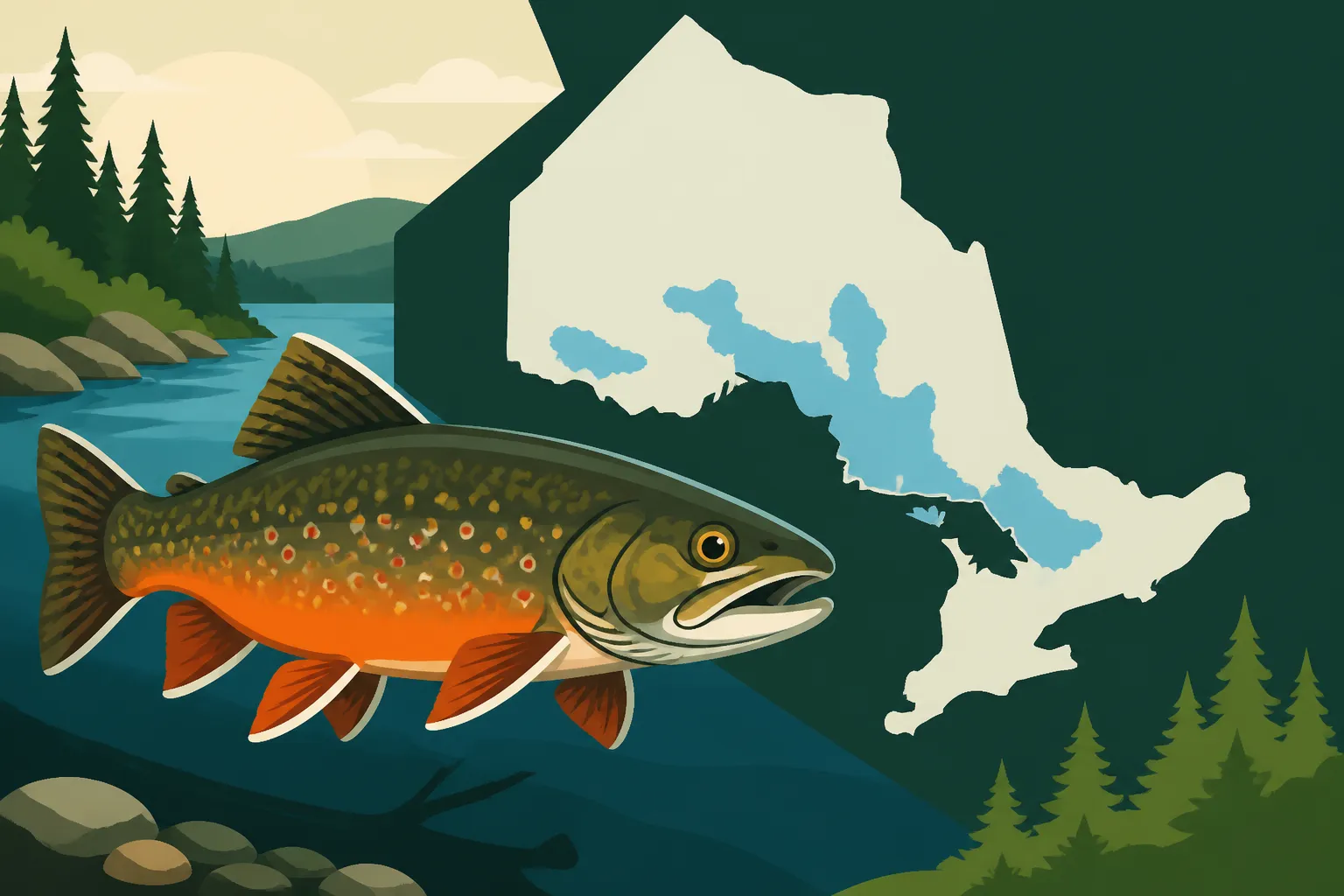
Brook Trout Native Range in Ontario
It's a frustrating reality for many anglers in Ontario: you head out hoping to connect with a true native brook trout, only to wonder if the fish you caught was a wild survivor or one put there by a stocking truck. The dream of finding those vibrant, wild brookies in their ancestral waters is a powerful one, but knowing where those native ranges actually are, and what defines them, can feel like a mystery. This guide aims to clear up that confusion, exploring the true native range of brook trout in Ontario and what it means for conservation and your fishing adventures.
What Defines the Native Range of Brook Trout?
When we talk about the "native range" of brook trout in Ontario, we're not just discussing any body of water where you might find a brook trout today. We're delving into history, genetics, and ecology to understand where these beautiful fish have truly called home for millennia. It's about preserving a piece of Ontario's natural heritage, not just a fishing opportunity. Understanding this distinction is crucial for appreciating what makes a wild brook trout so special.
Historical Context and Genetic Purity
Imagine Ontario before widespread settlement and industrialization – a landscape crisscrossed by countless cold, clear streams and lakes, many of them home to brook trout. The native range refers to these historical waters where brook trout naturally evolved and thrived without human intervention. These fish are genetically distinct, having adapted over generations to the unique conditions of their local environment. They carry the blueprint of survival, passed down from countless prior generations, reflecting a resilience that stocked fish, often bred for fast growth in hatcheries, simply don't possess. When you catch a truly native brook trout, you're not just catching a fish; you're connecting with a living piece of Ontario's wild past. It's a testament to the enduring power of nature.
The challenge lies in the fact that many of these historical waters have been altered, and countless others have been stocked with hatchery-raised fish, some from different genetic strains or even entirely different regions. This stocking can dilute the genetic purity of native populations, making true identification complex for the untrained eye. Conservation efforts often focus on protecting these remaining genetically pure populations, as they represent the most robust and adaptable examples of the species. It's a painstaking process, but vital for the long-term survival of our wild brook trout.
Ecological Niche and Habitat Requirements
Native brook trout are incredibly particular about their homes. They demand specific conditions that aren't found just anywhere, and this strict ecological niche is a key factor in understanding their native range. These fish are true indicators of environmental health; if you find a thriving population of native brook trout, it's a good sign the ecosystem around them is in excellent shape. They thrive in cold, clean, highly oxygenated water, typically found in spring-fed streams, beaver ponds, and clear, deep lakes. These waters often have gravel or rocky bottoms for spawning, plenty of undercut banks and submerged logs for cover from predators, and a healthy insect population to feed on.
The temperature sensitivity of brook trout means that even slight increases in water temperature can be detrimental, pushing them out of otherwise suitable habitats. This is why you'll often find them in headwater streams or northern lakes where the water remains consistently cool throughout the summer. They also require undisturbed riparian zones – the vegetated areas along the banks – which provide shade to keep water temperatures down, filter pollutants, and contribute to the invertebrate life that forms the base of their food chain. Any disruption to these delicate requirements, whether through logging, agriculture, or urban development, can quickly render a habitat unsuitable for native brook trout, forcing them to retreat further into untouched wilderness.
The Pre-Settlement Landscape: Where Brook Trout Once Roamed Free
To truly grasp the native range of brook trout, we need a glimpse into the past, before European settlement profoundly altered Ontario's waterways. It was a very different picture, with brook trout being far more ubiquitous across the province than they are today. This historical perspective highlights the immense impact human activity has had on these sensitive species and underscores the importance of the remaining wild populations.
Southern Ontario's Lost Trout Streams
It might be hard to believe today, but much of what is now Southern Ontario – a densely populated, agricultural, and urbanized landscape – once harboured an incredible network of brook trout streams. From the tributaries flowing into the Great Lakes to the smaller rivers of the Kawarthas and the Niagara Escarpment, these waters provided ideal conditions for brook trout. The land was heavily forested, shading the streams, maintaining cool temperatures, and providing stable banks and woody debris for cover. Farmers, pioneers, and early settlers often speak of abundant trout in almost every creek they encountered.
However, as settlement progressed, this pristine environment began to change dramatically. Forests were cleared for agriculture and timber, leading to increased erosion, sedimentation in streams, and higher water temperatures as protective shade disappeared. Dams were built for mills, fragmenting habitats and blocking fish migration. Pollution from nascent industries and growing communities further degraded water quality. Today, many of these once-thriving brook trout streams in Southern Ontario are either completely gone, irrevocably altered, or only support heavily stocked, non-native trout species. The few remaining pockets of wild brook trout in this region are often found in fiercely protected, smaller headwater streams or conservation areas, serving as poignant reminders of what was lost. Anglers seeking these gems often need to go off the beaten path, and having reliable gear, like a sturdy backpack or wading boots found on Amazon, can make all the difference for accessing these harder-to-reach areas.
The Vastness of Northern Ontario
While Southern Ontario saw the most dramatic decline, the vastness of Northern Ontario provided a refuge, and largely still does, for brook trout. Historically, and still to a significant extent today, the Canadian Shield region north of the French River was, and remains, the heart of Ontario's native brook trout country. This immense landscape, characterized by ancient rock formations, countless lakes, rivers, and extensive forests, offered a largely undisturbed haven. The sheer scale and remoteness of many areas meant that human impacts were localized, leaving vast stretches of pristine habitat intact.
Here, brook trout thrived in the cold, clear waters fed by bedrock and forested watersheds. Lakes like those in the Temagami, Algonquin, and Quetico regions, as well as innumerable smaller, unnamed lakes and connecting streams, were teeming with these vibrant fish. This extensive network of interconnected waters allowed for robust populations and genetic diversity, making Northern Ontario the true stronghold of wild brook trout. Even today, despite some localized pressures from resource extraction and development, it remains the primary destination for anglers seeking genuine wilderness brook trout experiences, with many lakes still supporting self-sustaining, native populations. Exploring these remote areas often requires meticulous planning, and resources like Algonquin Park Fishing Guide can be invaluable.
Understanding Current Strongholds: Where You Can Still Find Native Brook Trout
While the historical range has been severely diminished in some areas, Ontario is still blessed with incredible places where native brook trout continue to thrive. These strongholds are precious and represent the best opportunities for anglers to connect with truly wild fish. Knowing where to look and what conditions to seek out is key to a successful and meaningful experience.
The Canadian Shield's Cold, Clear Waters
The Canadian Shield, an ancient geological formation covering much of Northern Ontario, is undeniably the prime territory for native brook trout. Its geology – characterized by exposed bedrock, thin soils, and countless lakes and rivers – naturally produces the cold, clear, and often slightly acidic waters that brook trout adore. These waters are often oligotrophic, meaning they are low in nutrients but high in oxygen, which is perfect for trout. The landscape is also heavily forested, primarily with coniferous trees, providing essential shade to keep water temperatures down, especially during warmer summer months.
Think of regions like Algonquin Provincial Park, Temagami, the Haliburton Highlands, and the vast areas north of Lake Superior and Georgian Bay. Within these regions, you'll find countless small, isolated lakes and headwater streams that have remained largely untouched by large-scale development. These systems are often spring-fed, ensuring a consistent supply of cold water. Anglers looking for native brook trout in these areas should focus on smaller, lesser-known bodies of water, often requiring portaging or hiking to access. The reward for the effort is often a vibrant, beautifully coloured brook trout that has never seen a hook, living in an ecosystem that feels truly wild. For more on navigating these zones, checking out Ontario Fisheries Management Zones, Explained can be quite helpful.
Remote Backcountry Lakes and Rivers
Beyond specific geographical regions, the defining characteristic of current native brook trout strongholds is often their remoteness. The further you are from roads, towns, and easy access points, the higher your chances of finding truly wild, self-sustaining populations. These remote backcountry lakes and rivers, often requiring canoe trips, bush planes, or extensive hiking to reach, serve as natural sanctuaries. The lack of human pressure means less habitat degradation, minimal stocking (if any), and reduced angling pressure, allowing brook trout populations to flourish naturally.
These areas include countless lakes within provincial parks like Quetico, Killarney, and Wabakimi, as well as vast tracts of Crown land that are accessible only by adventurous means. In these pristine environments, you'll find brook trout of varying sizes, from smaller, feisty stream residents to larger, robust lake dwellers. They exist within a balanced ecosystem, coexisting with other native species and thriving on natural food sources. Anglers preparing for such trips often consult a variety of resources and pack specialized gear, from topographical maps to durable waders, many of which can be found conveniently on Amazon. The feeling of catching a native brook trout in such a setting is unparalleled, a profound connection to the wilderness that defines Ontario. For extended trips, understanding Ontario Crown land camping and fishing access permit rules is essential.
Challenges to Native Brook Trout Populations
Even in their strongholds, native brook trout face an array of significant challenges that constantly threaten their existence. These aren't just minor inconveniences; they are existential threats that require ongoing vigilance and proactive conservation efforts. Understanding these challenges is the first step towards protecting these iconic fish for future generations.
Habitat Degradation and Fragmentation
The most pervasive threat to native brook trout in Ontario is arguably habitat degradation and fragmentation. Despite the existence of vast wilderness areas, human development continues to encroach upon critical trout habitat. Activities like logging, road construction, mining, and agricultural expansion can lead to increased sedimentation in streams, altered water flows, and the removal of essential riparian vegetation. When forests are cleared, stream banks erode, filling gravel beds vital for spawning with silt, and reducing the shade that keeps water temperatures cool. Even seemingly minor disruptions can have cascading effects on these sensitive ecosystems.
Furthermore, the construction of dams, culverts, and other barriers can fragment existing habitats, isolating brook trout populations and preventing them from accessing different areas for spawning, feeding, or refuge during adverse conditions. This fragmentation leads to smaller, more vulnerable populations that are less resilient to environmental changes or disease. A once continuous network of streams and ponds can become a series of disconnected puddles, each supporting a genetically isolated and increasingly fragile group of fish. It's a slow, insidious process that chips away at their ability to thrive. This problem often leads to discussions on Ontario catch and release only waters to mitigate fishing pressure on struggling populations.
Competition from Invasive Species
Ontario's waters face a constant battle against invasive species, and native brook trout are often among the casualties. Non-native fish, introduced either intentionally for sport fishing or accidentally through various means, can outcompete brook trout for food and habitat, prey upon their young, or introduce diseases. Perhaps the most significant competitor and predator for brook trout is the brown trout or rainbow trout, both introduced species that are more tolerant of warmer water and less pristine conditions. While popular with many anglers, these species can push native brook trout out of their preferred habitats or simply out-compete them for resources.
Beyond other trout species, things like the round goby, an invasive fish in the Great Lakes basin, can negatively impact native fish by eating their eggs and fry, and competing for food sources. Certain invasive invertebrates can also alter the food web, indirectly affecting brook trout populations. The introduction of invasive species often has irreversible consequences, making prevention of new introductions paramount. Anglers play a critical role in preventing the spread of these species by cleaning their boats, trailers, and gear thoroughly between waterways. You can learn more about this issue by reading Invasive Fish Species in Ontario Waters.
Impacts of Climate Change
Climate change represents a growing and increasingly urgent threat to Ontario's native brook trout. These fish are highly sensitive to water temperature, preferring cold, stable environments. Rising air temperatures due to climate change directly translate to warmer water temperatures in streams and shallow lakes. Even a few degrees increase can push water temperatures beyond the brook trout's tolerance limits, forcing them to seek increasingly rare cold-water refugia or simply causing their demise. Prolonged periods of warm water also reduce oxygen levels, further stressing the fish.
Beyond temperature, climate change can lead to more extreme weather events, such as heavier rainfall and prolonged droughts. Heavy rains can cause increased runoff and sedimentation, further degrading stream habitats, while droughts can lead to lower water levels, reducing available habitat and concentrating fish, making them more vulnerable to predators and disease. These changes can disrupt spawning cycles, alter insect hatches (a primary food source), and generally destabilize the delicate ecosystems that native brook trout depend on. Protecting existing cold-water habitats and mitigating further climate impacts are crucial for the long-term survival of these species.
Conservation Efforts and What Anglers Can Do
Given the challenges, conservation of native brook trout populations in Ontario is more important than ever. It's a collaborative effort involving government agencies, conservation groups, and most importantly, anglers themselves. Our actions on and off the water have a direct impact on the future of these magnificent fish.
Catch and Release Practices for Wild Trout
One of the most immediate and impactful things anglers can do to protect native brook trout is to practice responsible catch and release, particularly in waters known to hold wild populations. While taking a brook trout home for dinner is a cherished tradition for some, minimizing mortality rates for wild fish is crucial for maintaining healthy populations. This means handling fish gently, minimizing their time out of water, using barbless hooks, and avoiding fishing during periods of extreme stress, such as when water temperatures are very high.
When you land a brook trout, keep it in the water as much as possible. Use a rubberized knotless landing net to prevent scale and slime removal. Quickly remove the hook with forceps or pliers. If you absolutely must take a photo, do so quickly with wet hands, holding the fish horizontally and supporting its belly. Revive the fish gently in the current, allowing it to swim away under its own power. Education on these practices is vital, and many useful tools, like barbless hooks and specialized forceps, are readily available from retailers such as Amazon, making it easier than ever to be a responsible angler. For more detailed guidance, consider reviewing Ontario Catch and Release Only Waters.
Supporting Research and Habitat Restoration
Beyond individual actions, supporting broader conservation efforts is essential. Many organizations and government programs in Ontario are dedicated to researching brook trout populations, understanding their genetics, monitoring their health, and restoring degraded habitats. This might involve projects like planting trees along stream banks to provide shade, removing outdated dams or poorly designed culverts to restore fish passage, or rehabilitating spawning beds. These efforts are often funded by grants, donations, and the sale of fishing licenses.
Anglers can contribute by purchasing their Ontario Fishing License Guide for 2026 and Ontario Outdoors Card, Explained, knowing that a portion of these fees goes directly back into fisheries management and conservation. Volunteering for local conservation initiatives, reporting observations of unusual fish or habitat concerns to the Ministry of Natural Resources and Forestry, and simply spreading awareness among fellow anglers can all make a significant difference. Staying informed about local regulations, like those discussed in Reading the Ontario Fishing Regulations Summary, also ensures you're part of the solution, not the problem.
Responsible Angling Practices
Responsible angling extends beyond just catch and release. It encompasses a broader commitment to ethical behaviour and minimizing your impact on the environment. This includes things like packing out all your trash, even biodegradable items like apple cores, to leave no trace. It also means being mindful of your access points, avoiding trampling sensitive vegetation, and respecting private property. When exploring remote areas, be prepared and practice wilderness safety.
Another critical aspect is preventing the spread of aquatic invasive species. Before moving from one body of water to another, always clean your boat, trailer, waders, and fishing gear to remove any plant fragments, mud, or organisms. This "Clean, Drain, Dry" protocol is simple but incredibly effective. Furthermore, never transfer live bait from one watershed to another, as this can introduce non-native species or diseases. Being an ambassador for responsible angling helps ensure that future generations can also experience the joy of fishing for native brook trout in Ontario's beautiful wild places. If you’re getting into fly fishing for trout, a great resource to check out is Fly Fishing for Trout in Ontario.
| Feature | Native Brook Trout (Wild) | Stocked Brook Trout (Hatchery-raised) |
|---|---|---|
| Appearance | Intense, vibrant colours; distinct vermiculations (worm-like markings); often smaller, streamlined body; unblemished fins. | Paler, less vibrant colours; often fewer or less distinct vermiculations; sometimes larger, chunkier body; fins may be worn or damaged (fin-clipped possible). |
| Fin Quality | Perfect, well-formed, often dark-edged fins. | May have frayed, shortened, or scarred fins due to hatchery conditions. Fin clipping common. |
| Behaviour | Wary, opportunistic, blend into surroundings; strong fighting fish. | Less wary, may be less reactive to natural threats; can be sluggish or more accustomed to artificial food. |
| Habitat | Pristine, cold, oxygen-rich waters; remote, undisturbed streams and lakes. | Can be found in a wider range of habitats, including those with degraded conditions or higher fishing pressure. |
| Food Source | Primarily insects, small baitfish, crustaceans, larvae. | May initially rely on pellet food; adapts to natural food but might be less efficient. |
| Reproduction | Self-sustaining populations through natural spawning. | Typically does not reproduce successfully in the wild; relies on human intervention for population maintenance. |
Disclaimer
This article is for general informational purposes only and does not constitute professional advice. Laws, prices and regulations vary by location and change over time. Consult a qualified professional for guidance on your specific situation.