Free and Discounted Fishing License Options in Ontario
Navigating the world of fishing licenses in Ontario can sometimes feel like trying to untangle a particularly stubborn knot in your fishing line – confusing, frustrating, and prone to leaving you wondering if you've missed something crucial. Many anglers, especially those just starting out or those on a tighter budget, often wonder if there are ways to enjoy Ontario's incredible waters without the full cost of a license. This comprehensive guide is here to untangle those complexities, shining a light on all the free and discounted fishing license options available in Ontario, ensuring you spend less time worrying about paperwork and more time casting a line.
Understanding the Basics of Ontario Fishing Licenses
Before we dive into the fantastic opportunities for free and discounted fishing, it's really important to grasp the foundational rules of Ontario's licensing system. It’s not just about having a piece of paper; it’s about understanding your role in conservation and sustainable angling. Without this baseline knowledge, even the exemptions can feel like a minefield.
Who Needs a License in Ontario?
At its core, almost anyone aged 18 to 64, who isn't a resident of Ontario and isn't specifically exempt, needs an Ontario fishing license to legally fish in the province's waters. This isn't meant to be a barrier, but rather a way to manage our precious natural resources. Think of it as a small contribution to the health of the lakes and rivers we all love to fish. The funds generated from license sales directly support fisheries management programs, habitat restoration, and enforcement efforts that keep our angling experiences top-notch.
If you're an avid angler who comes to Ontario from another province or country, this rule applies to you. Even if you're just dipping your toe in, trying it out for the first time, you typically need a license. It’s a pretty straightforward requirement to ensure everyone is contributing their fair share to the future of fishing in this incredible province. Knowing this standard helps highlight just how valuable the exemptions truly are.
The Role of the Outdoors Card
You can't really talk about fishing licenses in Ontario without talking about the Outdoors Card. It's not just a fishing license; it’s your unique identifier, a bit like a fishing passport. When you purchase your first fishing license, you'll also need to get an Outdoors Card. This card is valid for three calendar years and acts as your permanent customer profile number. Think of it as the foundation upon which your actual fishing license is built.
Every subsequent fishing license you purchase, whether it's a new annual one or a short-term option, will be associated with this Outdoors Card. It’s a convenient system that keeps all your licensing information in one place, making renewals and purchases much simpler. You can learn more about the specifics of the Ontario Outdoors Card, Explained. Even if you qualify for certain free fishing opportunities, understanding the Outdoors Card helps you navigate the system if you ever decide to purchase a full license in the future, or if you need to provide proof of identification for certain exemptions.
Sport vs. Conservation Licenses: A Quick Refresher
When you do buy a license, you'll encounter two main types: Sport and Conservation. This choice is incredibly important, as it directly impacts your bag and possession limits – essentially, how many fish you can keep. A Sport fishing license offers higher catch and possession limits, giving you more flexibility if your goal is to harvest fish for the dinner table.
On the other hand, a Conservation fishing license comes with reduced limits, often half of what a Sport license allows, and in some cases, certain species might be catch-and-release only. This option is perfect for those who primarily enjoy the act of fishing, maybe keeping one or two for a meal, but prioritize the health of the fishery above all else. It's a fantastic way to practice more sustainable angling. Understanding the difference between an Ontario Sport vs Conservation Fishing License is crucial, even when discussing exemptions, because the spirit of conservation still applies, especially if you plan to keep any fish during a free fishing period.
Fishing Without a License: Specific Exemptions
Now for the exciting part! Ontario genuinely wants to encourage people to get out and experience its fantastic fishing opportunities, and they've put some wonderful exemptions in place to make that happen. These aren't loopholes; they're official rules designed to be inclusive and foster a love for angling.
Age-Based Exemptions: Youth and Seniors
Ontario recognizes the importance of getting young people involved in fishing and celebrating the lifelong contributions of its seniors. That's why there are significant age-based exemptions that allow these groups to fish without needing a purchased license. It's a thoughtful way to make fishing more accessible for crucial demographics.
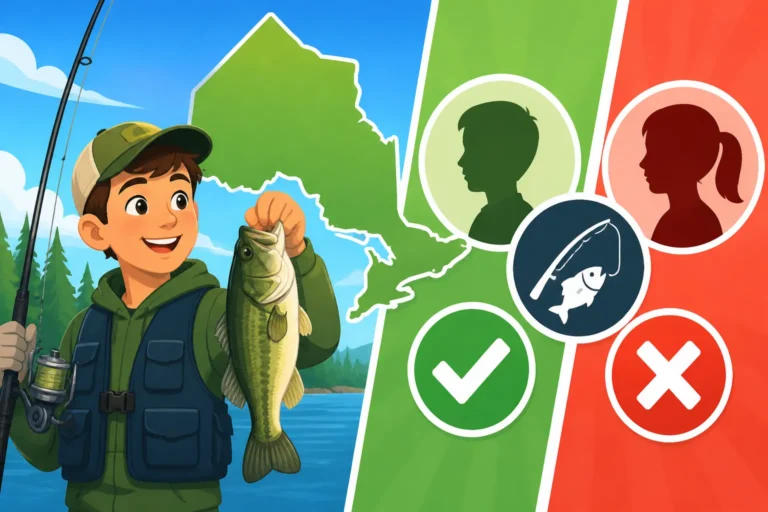
Children and youth under the age of 18 are completely exempt from requiring a fishing license in Ontario. This is fantastic news for families! You can take your kids, grandkids, nieces, and nephews out on the water, teach them the ropes, and watch them reel in their first fish, all without the worry of purchasing a separate license for them. This means a family outing to a local lake, maybe even one of the Best Fishing Lakes in Ontario, can be enjoyed without that extra cost. It's important to remember that while they don't need a license, they still need to follow all the applicable fishing regulations, including bag limits and season dates. If an adult with a Sport or Conservation license is accompanying them, the youth's catch counts towards the adult's limits. However, if the youth are fishing independently (without an adult who has a license), they are subject to the Sport fishing limits. For more details, check out Ontario Youth Fishing License Exemption Under 18.
Similarly, senior residents of Ontario, those aged 65 and over, also enjoy a full exemption from needing a fishing license. This is a wonderful way to acknowledge and support our elder anglers, allowing them to continue enjoying their passion or even discover a new hobby in their golden years. Many seniors have spent a lifetime contributing to their communities, and this exemption is a small token of appreciation. Much like with youth, while seniors don't need a license, they must still abide by all other fishing regulations, including respecting daily catch and possession limits. For more information, you can refer to Ontario Senior Fishing License Exemption at 65. These age-based exemptions remove a significant financial barrier, encouraging intergenerational participation in this cherished outdoor activity.
Ontario Family Fishing Weekends
One of the most popular and genuinely exciting free fishing initiatives in Ontario is the Family Fishing Weekends. These are specific dates throughout the year when Canadian residents can fish in Ontario waters without needing a fishing license or an Outdoors Card. It's a brilliant opportunity for families, friends, and anyone interested in trying fishing for the first time to do so completely free of charge.
These weekends are strategically planned during different seasons to offer diverse fishing experiences. For instance, there's typically one in February, perfect for trying out ice fishing on Lake Simcoe, another around Mother's Day, and a popular one in July that aligns with summer vacation. The exact dates change annually, so it's always a good idea to check the official Ontario government website for the most current information on Ontario Family Fishing Weekend Dates. During these weekends, you're still expected to follow all other fishing regulations, including season dates, catch limits, and size restrictions for the specific zone and species you're targeting. These weekends are a fantastic low-commitment way to introduce fishing to someone new, or for lapsed anglers to rekindle their passion. Just remember to pack your gear, maybe pick up a new tackle box on Amazon, and head out!
Individuals with Disabilities
Ontario also provides an exemption for certain individuals with disabilities, recognizing that accessibility to outdoor activities is incredibly important. If you are an Ontario resident and hold a Canadian National Institute for the Blind (CNIB) identification card, you are exempt from the requirement of an Outdoors Card and a fishing license. This specific exemption is in place to support and enable blind residents to enjoy fishing.
Beyond this specific exemption, other programs and accessible fishing locations exist to ensure that everyone can experience the joys of angling. While a general disability doesn't automatically grant a license exemption, the province actively works to make fishing accessible. Many provincial parks and conservation areas, for example, feature accessible docks or platforms. For Ontario residents with other disabilities, while a direct license exemption might not apply, organizations and programs often exist to assist with access and equipment. It's always worth exploring local fishing clubs or conservation authority resources for tailored support, or looking into a Ontario fishing license for disabled residents.
The Nuances of Residency for License Exemptions
When it comes to fishing licenses, your residency status in Ontario is a pretty big deal. It often determines not only the cost of your license but also whether you qualify for any of the aforementioned free or discounted options. It's not always as straightforward as it seems, so let's break down what "resident" truly means in the eyes of Ontario fishing regulations.
Defining "Resident" for Ontario Fishing
For fishing license purposes in Ontario, a "resident" is generally someone who has resided in Ontario for a period of at least six consecutive months immediately prior to applying for a license. This definition is crucial because many of the exemptions and lower-cost options are exclusively for Ontario residents. This isn't just a casual term; it has specific legal implications.
This six-month residency rule is in place to distinguish long-term residents who contribute to the provincial tax base and, by extension, the funding of natural resource management, from visitors or temporary residents. It ensures that the benefits of resident-specific programs are directed towards those who call Ontario home. So, if you've recently moved to the province, you'll need to hit that six-month mark before you can be considered an Ontario resident for licensing purposes. Understanding this definition is key to determining if you qualify for benefits like the senior exemption or if you need to purchase a non-resident license. This foundational aspect of Ontario fishing license residency requirements is critical for legal compliance.
Canadian Residents from Outside Ontario
If you're a Canadian citizen but live in another province or territory, you are considered a "Canadian resident (outside Ontario)" for fishing license purposes. While you don't qualify for the same exemptions as Ontario residents (like the senior or youth exemptions when fishing independently), you still typically pay less for a fishing license than non-Canadians. This distinction acknowledges your status as a Canadian citizen while recognizing that you don't directly contribute to Ontario's provincial resource management through your taxes in the same way an Ontario resident does.
The pricing structure for Canadian residents from outside Ontario is designed to be more accessible than for international visitors, fostering inter-provincial tourism and angling. You'll still need to purchase an Outdoors Card, and then your chosen fishing license (Sport or Conservation). While you won't get a completely free ride outside of Family Fishing Weekends, the costs are generally more reasonable than for non-residents from other countries. It's worth checking the specific fees, as they can differ, but it's a good middle-ground option for our fellow Canadians who want to enjoy Ontario's world-class fishing. You can compare these costs with Resident vs Non-Resident Fishing License Costs in Ontario.
Non-Residents and Their Options
For those who hail from outside of Canada, whether you're from the United States, Europe, or anywhere else in the world, you are considered a "non-resident" for Ontario fishing license purposes. This group has the highest license fees, reflecting the fact that non-residents do not contribute to Ontario's resource management through provincial taxes. However, Ontario still offers various license options to make it easy for international visitors to enjoy fishing here.
You will need to purchase both an Outdoors Card and a fishing license. While you won't qualify for any of the age-based exemptions (unless you're under 18 and fishing with an adult who has a valid non-resident license, where you'd be included in their limits), you can still choose between Sport and Conservation licenses. Short-term licenses, like the 1-day or 8-day options, are particularly popular among non-residents who might only be visiting for a short fishing trip. These offer a more affordable way to participate without committing to an annual license. Even if you're buying a fishing rod or tackle from Amazon for your trip, remember the license is essential. It's a testament to the quality of fishing that so many international anglers make the journey to Ontario each year, happily paying for the privilege.
Considering the Cost: How to Find Discounts
Even if you don't fall into an exemption category, there are still ways to manage the cost of fishing licenses in Ontario. It's not always about finding a "free" option, but about making smart choices that align with your fishing habits and budget. Ontario provides flexibility in its licensing structure to accommodate different needs.
The Standard Outdoors Card and License Costs
The most common path for adult anglers is purchasing an Outdoors Card and a fishing license. The Outdoors Card itself has a fee, which covers its three-year validity period. Once you have your Outdoors Card, you then purchase your actual fishing license. You can opt for a one-year or a three-year license, and you'll choose between a Sport or Conservation license.
Generally, the three-year options offer a slight discount compared to buying three one-year licenses consecutively. This is a great way to save a bit of money if you know you'll be fishing consistently for the next few years. For example, if you know you're committed to exploring the Best Walleye Lakes in Ontario every summer for the foreseeable future, a three-year license can offer a good long-term saving. While these aren't "free," they represent the standard, most cost-effective approach for regular anglers who aren't eligible for exemptions. You can find detailed breakdowns of these costs, including the Ontario Outdoors Card cost and validity period and the overall How Much Does an Ontario Fishing License Cost, on the government website or at licensed vendors.
Short-Term License Options
For anglers who only plan to fish for a very limited time, perhaps during a vacation or a specific weekend trip, Ontario offers short-term fishing license options. These are incredibly popular for non-residents but are also available to residents who might only fish once or twice a year.
The most common short-term options are the 1-day and 8-day fishing licenses. These licenses come with reduced fees compared to annual licenses, making them a budget-friendly choice for casual anglers. For instance, if you're visiting a friend's cottage on Lake Nipissing for a week and only plan to fish for a few days, an 8-day license makes much more sense than buying a full annual license. Even better, on a Family Fishing Weekend, you could fish for free, then purchase a short-term license for other days if you extend your trip. You can also pick these up easily online or from a local ServiceOntario centre. They offer the flexibility to enjoy Ontario's waters without the full financial commitment, making them a fantastic "discounted" option. You can check the specific Ontario 1-Day Fishing License Cost for current rates.
Special Programs and Permits
While direct license exemptions beyond age and CNIB status are rare, there are sometimes other localized or specific programs that might offer opportunities for reduced-cost or free fishing experiences. These often relate to specific events, conservation efforts, or accessibility initiatives, though they usually don't involve a blanket license exemption.
For example, some municipalities or conservation authorities might host special "Kids Fish Days" where fishing gear is provided, and the event falls within a Family Fishing Weekend. Certain charitable organizations sometimes offer fishing trips for specific groups, where the necessary licenses might be covered as part of the program. It's always a good idea to check with local conservation areas, provincial parks, or community recreation centres to see if any unique opportunities are available in your area. While these aren't consistent, province-wide "discounts," they represent a chance to participate in fishing without the usual costs, especially for specific groups or during special events.
Ensuring Compliance and Avoiding Penalties
Fishing for free or at a discount is a fantastic perk, but it comes with a big responsibility: understanding and following all other fishing regulations. An exemption from buying a license doesn't mean you're exempt from the rules that protect our fish populations and aquatic ecosystems. Ignoring these rules can lead to significant penalties, even if you’re fishing legally without a license.
Understanding Bag and Possession Limits During Exemptions
This is where many people get tripped up. Whether you're a youth, a senior, or fishing during a Family Fishing Weekend, you must still adhere to the applicable bag and possession limits for the species you're targeting and the fishing zone you're in. For youth and seniors fishing independently, they typically follow the Sport fishing limits. During Family Fishing Weekends, all participants must follow the Sport fishing limits for Canadian residents.
These limits are crucial for maintaining healthy fish stocks. If you catch a glorious walleye on the Bay of Quinte during a free fishing weekend, you need to know if it's within the legal size slot and if you've already reached your daily or possession limit. Ignorance of the rules is not an excuse. Always consult the current Ontario Fishing Regulations Explained summary before heading out, especially the section pertaining to Ontario Bag and Possession Limits by Species and the specific regulations for the Ontario Fisheries Management Zones, Explained you plan to fish in. A great fishing adventure can quickly turn sour if you're found to be over your limit.
Carrying Proof of Eligibility
Even if you don't need a physical license, you still need to be able to prove your eligibility for any exemption. For youth, this usually means simply stating their age, but carrying some form of ID (like a student card or health card) might be helpful if there's any doubt. For seniors, a government-issued ID like a driver's license or an Ontario Photo Card that clearly shows your date of birth is essential. For CNIB cardholders, your CNIB card is your proof.
During Family Fishing Weekends, Canadian residents simply need to provide proof of Canadian residency if asked (e.g., driver's license). The key here is readiness. Conservation Officers are out there ensuring everyone is fishing legally, and being able to quickly and clearly demonstrate your eligibility will save you a lot of hassle and potential issues. Remember, while you might not be printing your digital fishing license in Ontario, you might still need to carry some form of physical proof.
Consequences of Non-Compliance
Let's be blunt: fishing without proper authorization, or failing to adhere to regulations even when exempt from a license, can lead to serious consequences. These aren't just minor slaps on the wrist. Fines can be substantial, and in severe cases, equipment can be seized, and fishing privileges can be suspended. Nobody wants their hard-earned fishing gear confiscated or to be banned from the very activity they love.
For example, if you're found fishing during a Family Fishing Weekend and you're over the legal possession limit for walleye in FMZ 10, you could face fines just as if you had a regular license. The exemption pertains to the license fee, not the rules of fishing. It’s really about respecting the resource and playing fair. Always err on the side of caution. If you're unsure about a regulation, look it up. Better safe than sorry when it comes to enjoying Ontario's incredible fisheries responsibly. Understanding the Fishing Without a License in Ontario: Penalties is a strong motivator for compliance, even when you're fishing for free.
Making the Most of Free Fishing Opportunities
Alright, you know the rules, you know who's exempt, and you've got the scoop on discounted options. Now, let's talk about how to really leverage these opportunities to create memorable fishing experiences without breaking the bank. Free fishing isn't just about saving money; it's about opening doors to a fantastic outdoor lifestyle.
Planning Your Family Fishing Weekend Trip
Family Fishing Weekends are prime opportunities to introduce newcomers to the sport, especially kids. To make the most of it, planning is key. First, confirm the Ontario Family Fishing Weekend Dates for the year. Then, pick a location that's suitable for beginners. You might not want to tackle the vastness of Lake Superior on your first outing. Instead, consider a smaller, more accessible lake or pond known for panfish like perch or sunfish. These species are often easier to catch, boosting confidence for new anglers.
Look for places with amenities like accessible docks, washrooms, and picnic areas, especially if you have young children or seniors in your group. Provincial Parks like Balsam Lake Provincial Park or conservation areas often fit the bill perfectly. Pack a simple tackle box with basic hooks, bobbers, and worms (available cheaply at any local bait shop or sometimes on Amazon). Don't forget snacks, drinks, sunscreen, and maybe even a good book or some bug spray. The goal is fun, not necessarily a trophy catch!
Fishing Local for Accessible Fun
Even outside of Family Fishing Weekends, many local opportunities exist, especially if you're exempt due to age or disability. Exploring urban or suburban ponds, smaller rivers, or even community parks with water features can yield surprisingly good fishing. These spots are often overlooked but can be teeming with panfish, bass, or even pike.
Check your local municipality's website or conservation authority's resources. They often list publicly accessible fishing spots, sometimes even stocked ponds. These local gems are perfect for a quick, impromptu fishing trip without a long drive. If you're a senior or a parent taking out a young angler, these nearby spots reduce travel time and make it easier to enjoy a few hours on the water. Plus, supporting local bait shops is a great way to get up-to-date information on what's biting in your immediate area. You might even discover a new favorite spot for Best Shore Fishing Spots in Ontario right in your backyard.
Exploring Conservation Areas and Provincial Parks
Ontario's extensive network of conservation areas and provincial parks offers incredible fishing opportunities, and many of them are perfectly suited for those looking to fish for free or at a discount. If you have an Ontario Parks seasonal permit, you can access many fantastic fishing lakes and rivers within the parks.
Many provincial parks are home to clear, pristine waters with diverse fish populations, including trout, bass, and pike. Algonquin Park, for example, is renowned for its brook trout and lake trout fishing, and if you're exempt from needing a license, you just need to pay the park entry fee (or use your season pass). Similarly, conservation areas often manage lakes and ponds, sometimes even stocking them, providing excellent fishing access. Always check the specific regulations for the park or conservation area you visit, as they can sometimes have unique rules that differ from the broader provincial regulations. However, for a scenic and often rewarding fishing experience, these protected areas are hard to beat. Just imagine reeling in a bass from a serene lake in Killarney Provincial Park, all while enjoying your license exemption.
Common Misconceptions and FAQs
Even with all this information, there are always a few lingering questions or common misunderstandings that pop up when discussing free and discounted fishing. Let's tackle some of the most frequent ones to clear up any confusion and ensure you're fully informed before you head out.
"I Heard I Can Fish for Free on My Own Land"
This is a really common one, and while there's a kernel of truth to it, it's generally a misconception in the broader sense. The idea often comes from historic laws or local municipal bylaws that might have allowed fishing in private ponds that are entirely self-contained and not connected to any other public waterways.
However, almost all natural bodies of water in Ontario (lakes, rivers, streams) are considered public waters, regardless of whose land they flow through or touch. This means that if you own property along a river or lake, while you have access to the water from your land, you still need a valid fishing license (or be eligible for an exemption) to fish in that public water. The fish in those waters are a shared resource, managed by the province, not privately owned. So, unless you have a completely isolated, man-made pond on your property with no inlet or outlet to natural waterways, assume you need a license or an exemption.
"Do I Need an Outdoors Card if I'm Exempt?"
This question is a great one because it highlights the distinction between the Outdoors Card and the fishing license itself. The short answer for most license exemptions is: No, you generally do not need an Outdoors Card if you are fishing under a license exemption.
For example, youth under 18 and seniors aged 65 and over (who are Ontario residents) do not need an Outdoors Card. Similarly, during the designated Ontario Family Fishing Weekends, Canadian residents can fish without an Outdoors Card. The exception is if you hold a CNIB card; while you don't need a license, the CNIB card itself acts as your proof of eligibility, akin to an Outdoors Card in its function as an identifier for the exemption. If you are exempt, your age, residency, or event participation is your "card" for that period. However, if you're planning to buy a short-term or annual license at any point, you will need to get an Outdoors Card first, as all paid licenses are linked to it. For deeper understanding, revisiting Ontario Outdoors Card, Explained is a good idea.
"What About Fishing Tournaments During Free Weekends?"
This is a bit of a trickier situation, and the general advice is to exercise caution. While Family Fishing Weekends allow license-free fishing, participating in an organized fishing tournament typically has its own set of rules and often requires participants to hold a valid fishing license, regardless of the provincial exemption.
Tournaments often have specific prize structures, weigh-ins, and rules that fall outside the scope of a casual recreational fishing exemption. The organizers of the tournament are usually responsible for ensuring all participants are legally compliant, and that often means requiring a purchased license. If you're planning to participate in any kind of fishing derby or competition, even if it happens to fall on a Family Fishing Weekend, it is absolutely essential to check with the tournament organizers about their specific license requirements before you register or cast a line. Don't assume the free weekend applies to competitive events; it's always better to clarify and be on the safe side.
Disclaimer
The information provided in this guide is for general informational purposes only and is not intended as legal advice. Fishing regulations in Ontario can change, and it is the angler's responsibility to consult the most current official Ontario Fishing Regulations Summary, available on the Ontario government website or from license vendors, before engaging in any fishing activities. Always adhere to all applicable laws and regulations to ensure a safe and legal fishing experience.