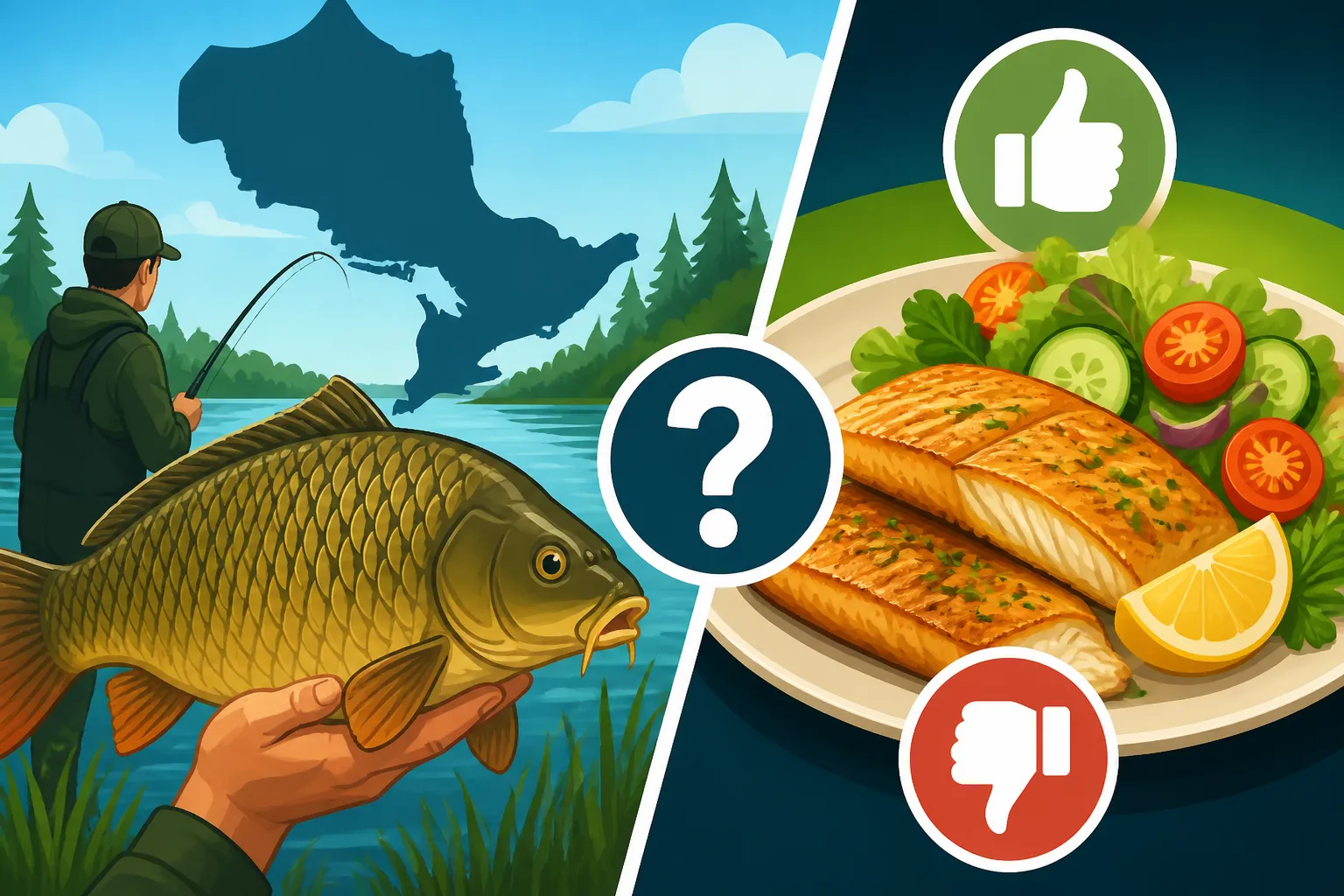
Are Carp Good to Eat from Ontario Waters?
For many anglers, the idea of eating carp from Ontario waters often conjures up images of muddy-tasting fish, a bony mess, or even a sense of taboo. It's a common misconception, perpetuated by decades of cultural preferences and a lack of understanding about how to properly prepare this abundant species. But what if I told you that, with a little know-how and the right approach, carp can actually be a surprisingly delicious and incredibly sustainable option for your dinner table? This guide will dive deep into why carp gets its bad rap, how to prepare it to maximize its flavour, and some fantastic culinary ideas that might just change your mind.
The Carp Conundrum: Why the Bad Rap?
Let's be honest, carp hasn't exactly been crowned the king of the dinner table in North America. Unlike the revered walleye or the sought-after lake trout, carp often get a sideways glance, if not an outright dismissal, from many anglers and foodies alike. But why is there such a strong stigma, and is it truly deserved?
A History of Misconception in North America
The common carp (Cyprinus carpio) actually originated in Asia and Eastern Europe, where it has been a prized food fish for centuries, often farmed for its flavourful meat. When it was introduced to North America in the late 19th century, the intention was to provide a new food source and sport fish. However, it quickly adapted, often thriving in waters that other native species struggled with, and its bottom-feeding habits sometimes stirred up sediment, leading to a reputation as a "rough" or "trash" fish.
Culturally, North America developed a preference for white, flaky fish like cod, pickerel (walleye), and panfish. Carp, with its darker, firmer flesh and numerous small "pin bones," didn't fit this culinary ideal. This, combined with its ability to grow large and reproduce prolifically, led many to view it as an invasive nuisance rather than a valuable food resource. This historical perspective has largely overshadowed its potential as a delicious and protein-rich meal.
Water Quality and Diet: The Real Flavor Factors
Here's the truth: a fish's flavour is heavily influenced by its environment and diet, regardless of species. A walleye caught from a stagnant, muddy pond might taste quite different from one caught in a clear, cold lake. The same principle applies to carp, perhaps even more so because of their bottom-feeding nature.
- Muddy vs. Clear Water: Carp from warm, shallow, muddy waters, particularly those with a lot of decaying vegetation, are more likely to have that earthy, "muddy" taste that puts many people off. This flavour comes from compounds like geosmin, which are absorbed through their skin and gills. Conversely, carp caught from clearer, deeper, cooler waters, especially those with good current or from large, clean lakes like parts of Lake Erie or Lake Huron, tend to have a much cleaner, sweeter flavour profile.
- Diet: A carp's diet also plays a role. If they're primarily feeding on detritus and decaying matter, their flavour might reflect that. If they're feeding on invertebrates, aquatic plants, or even small crustaceans, their flesh will likely be firmer and taste better.
- Age and Size: Smaller, younger carp generally have a milder flavour and fewer of the challenging pin bones. While trophy carp can be an amazing fight, for eating, aiming for carp in the 2-5 pound range is often ideal.
So, when considering if Are Carp Good to Eat from Ontario Waters?, the answer isn't a simple yes or no. It's more about where the carp comes from and how it's handled. Just like you wouldn't judge all deer meat by a deer that's been poorly field-dressed, you shouldn't judge all carp by one caught from less-than-ideal conditions.
Let's break down some common myths and realities about carp:
| Misconception | Reality |
|---|---|
| All carp taste muddy. | Flavour depends heavily on water quality and diet; cleaner waters yield better-tasting fish. |
| Carp are inherently "dirty" fish. | They are bottom feeders, but their cleanliness is a reflection of their environment, not the species itself. |
| Carp are full of bones and impossible to fillet. | They do have pin bones, but specific filleting techniques can remove them, making the meat boneless. |
| Carp have soft, mushy flesh. | When properly handled and prepared, carp flesh is firm, flaky, and has a good texture. |
| Nobody eats carp. | Carp is a popular food fish in many cultures worldwide, and its popularity is growing in North America. |
Preparing Carp for the Table: Techniques for Better Flavor
Okay, you've decided to give carp a chance. Fantastic! Now comes the crucial part: preparing it correctly. This isn't like cleaning a panfish. Carp require a few extra steps, but these small efforts make all the difference in turning a potentially "muddy" fish into a culinary delight.
The Importance of Bleeding and Icing
This step is non-negotiable for almost any fish you intend to eat, and it's doubly important for carp. Immediately after catching a carp you plan to keep, you want to bleed it out. This removes blood from the flesh, which can contribute to a stronger, "fishier" taste.
- Bleeding: A quick, humane way to do this is to make a cut behind the gills with a sharp knife, severing the main artery. You can also sever the caudal artery just above the tail. Let the fish bleed out thoroughly, ideally by placing it head-down in a bucket of water or by hanging it. This process only takes a few minutes.
- Icing: Once bled, get the fish on ice as quickly as possible. A cooler full of ice is your best friend. Rapid chilling slows down enzyme activity that can degrade the flesh and keeps the meat firm and fresh. This is particularly vital for carp, as their body temperature can rise quickly, affecting the quality of the meat. Think of it as preserving its best possible flavour from the moment it leaves the water. You can find excellent coolers on Amazon that are perfect for keeping your catch fresh.
Mud Vein Removal: A Game Changer
This is arguably the most critical step for eliminating any unwanted "muddy" flavour from carp. Many fish have a dark, reddish line of muscle tissue along their lateral line, often referred to as the "blood line" or "mud line." In carp, this vein can be particularly pronounced and is where a lot of those earthy compounds (like geosmin) tend to concentrate.
Once you've filleted your carp, you'll see this dark strip running down the middle of each fillet. Take a sharp fillet knife, like those often recommended by guides on Amazon, and carefully slice this dark strip out. It's usually about ¼ to ½ inch wide and runs the length of the fillet. Removing it will significantly improve the flavour and texture, leaving you with cleaner, whiter flesh. Don't be afraid to take a little extra meat if it means getting all of that dark vein out.
Different Cuts and Cooking Methods
Carp can be a versatile fish in the kitchen once properly prepared. Its firm, flaky white meat holds up well to various cooking methods.
- Traditional Fillets: After bleeding, icing, and removing the mud vein, you'll have boneless fillets. These can be breaded and fried, baked, grilled, or pan-seared. A simple seasoning of salt, pepper, and perhaps some lemon and dill can really let the natural flavour shine.
- Steaks: For larger carp, you can cut cross-section steaks. With these, you'll still have the pin bones to contend with, but some people don't mind picking around them. Steaks are excellent for grilling or smoking.
- The "Scoring" Method: This is a fantastic technique to deal with the small pin bones if you don't want to fillet them out entirely. After filleting, lay the fillet skin-side down. Using a very sharp knife, make shallow, closely spaced cuts (about 1/8 inch apart) perpendicular to the length of the fillet, going down to, but not through, the skin. These cuts will sever the tiny pin bones. When cooked (especially fried or baked), the heat will soften these bones to the point where they are virtually undetectable. This works especially well for pan-fried carp.
No matter your chosen method, soaking the fillets or steaks in milk or buttermilk for an hour or two before cooking can help draw out any lingering "fishy" flavours and tenderize the meat. Many anglers find this extra step well worth the time.
Beyond the Fillet: Creative Carp Culinary Adventures
Now that you know the essentials of preparing carp, let's talk about some truly delicious ways to enjoy it. This isn't just about frying a fillet; carp offers a canvas for a range of culinary experiences that might just surprise you.
Smoked Carp: A Surprising Delicacy
If you've never tried smoked carp, you are missing out on one of its best forms. The firm, rich flesh of carp takes to smoking beautifully, resulting in a flavour that's deep, savoury, and surprisingly elegant. It's a fantastic alternative to smoked salmon or trout and can be incredibly impressive for guests.
To smoke carp:
- Prepare the fillets/steaks: Bleed, ice, and remove the mud vein as described earlier. You can score the fillets if you prefer.
- Brine: This is crucial for both flavour and moisture retention. A good brine typically includes water, salt, brown sugar, and spices like garlic, onion powder, and black pepper. Submerge your carp in the brine for several hours, or even overnight, in the refrigerator.
- Rinse and Air Dry: After brining, rinse the fish thoroughly under cold water and pat dry. Then, let it air dry on a rack in the refrigerator for a few hours (or even overnight) until a shiny, tacky pellicle forms on the surface. This pellicle is essential for smoke adherence and a beautiful finish.
- Smoke: Use a smoker set to a low temperature (around 150-180°F or 65-82°C) with your preferred wood chips (hickory, apple, or alder are excellent choices for fish). Smoke until the internal temperature reaches around 160°F (71°C) and the fish is flaky. This can take anywhere from 2-6 hours depending on thickness.
Smoked carp is delicious on its own, flaked into salads, or served with crackers and cream cheese. It's often a dish that convinces even the most skeptical eaters of carp's true potential.
Carp Cakes, Pickled Carp, and More
Carp's firm texture and robust flavour make it suitable for much more than just smoking or simple fillets.
- Carp Cakes: Similar to crab cakes, flaked cooked carp (steamed or baked works well) can be mixed with breadcrumbs, mayonnaise, egg, and seasonings (like Old Bay, parsley, and lemon zest), then formed into patties and pan-fried until golden brown. The scoring method helps immensely if you're boiling or steaming the fish whole for flaking.
- Pickled Carp: For those who love pickled fish, carp is an excellent candidate. The pickling process softens the small bones and infuses the fish with tangy, savoury flavours. It's a traditional preparation in some European cultures and can be a delightful appetizer.
- Fish Stews and Curries: Because carp holds its shape well when cooked, it's a fantastic addition to hearty fish stews, curries, or even fish and chips. The flavour stands up well to strong spices and rich broths.
- Carp Tacos: Flaked, seasoned, and lightly fried carp makes for delicious fish tacos, topped with fresh salsa, cabbage slaw, and a squeeze of lime.
The possibilities are truly endless once you get past the initial hurdles of preparation. Don't be afraid to experiment!
Considerations for Consumption: Mercury and Advisories
While carp can be a delicious and healthy protein source, it's vital to be aware of local fish consumption advisories. Like many larger, longer-lived fish species, carp can accumulate contaminants, including mercury, especially in certain waters.
The good news is that Ontario has an excellent resource: the Guide to Eating Ontario Fish, often found through the Ministry of Environment, Conservation and Parks. This guide provides specific consumption advice for various fish species from hundreds of lakes and rivers across the province, based on the size of the fish and the age/gender of the consumer. It's always a good idea to consult this resource for the specific body of water you are fishing. For example, some parts of the Great Lakes might have different recommendations than a smaller, inland lake.
You can often find updated information and even an interactive map on the Ontario government's website. You might search for "Guide to Eating Ontario Fish" or Which Ontario waters have fish consumption advisories to get the most current details. When in doubt, it's always best to limit consumption, especially for children and pregnant or nursing individuals. By being informed, you can enjoy carp confidently and safely.
Ethical Angling and Sustainable Harvesting
Catching and eating carp isn't just about flavour; it's also about being a responsible angler and potentially contributing to healthier ecosystems in some cases.
Catching Carp in Ontario Waters
Carp are widely distributed across Ontario, found in many lakes and rivers, particularly those with warmer, shallower sections and abundant vegetation. They offer a fantastic fight on a rod and reel, making them a popular sport fish for many, often referred to as "river monsters" or "golden ghosts" due to their size and elusive nature.
You don't need highly specialized gear to catch carp, though dedicated carp anglers often use specific setups. A medium-heavy spinning or baitcasting rod with 10-20 lb test line will handle most carp. Simple baits like corn, dough balls, or worms fished on the bottom are very effective. You can learn more about general angling rules in Ontario Fishing Regulations Explained. Remember to have your valid Ontario Fishing License Guide for 2026 before heading out!
Contributing to Healthy Ecosystems
In many Ontario waters, particularly those where they are considered an introduced species, common carp populations can be very robust. Harvesting carp for food can be a small way to contribute to managing these populations, though larger-scale management is typically handled by fisheries biologists. For the individual angler, it's about making use of a readily available resource and reducing pressure on other, often more sought-after, native species. There are typically no possession limits on common carp in many zones, but it's always wise to double-check the Ontario Bag and Possession Limits by Species for your specific Fisheries Management Zone (FMZ).
By embracing carp as a table fish, you not only expand your culinary horizons but also participate in a broader, more sustainable approach to fishing in Ontario. It's a win-win: a delicious meal and a responsible angling practice. So next time you hook into one of these powerful fish, don't just dismiss it. Consider the possibilities – you might just discover your new favourite fish!
Disclaimer
This article is for general informational purposes only and does not constitute professional advice. Laws, prices and regulations vary by location and change over time. Consult a qualified professional for guidance on your specific situation.