Are There Bowfin in Ontario?
It’s a moment many anglers experience: you’re out on a quiet Ontario backwater, casting into the weeds, and suddenly you hook into something that feels… primal. It fights with incredible power, looks a bit like a pike but not quite, and has a menacing set of teeth. You pull it in, and the question hangs in the air: what on earth is this thing? For many, that mystery fish is an ancient warrior known as the Bowfin, and yes, they absolutely call certain parts of Ontario home. This guide will unravel the mystique surrounding this unique species, detailing where to find them, how to catch them, and why they deserve more respect from anglers.
The Mysterious Bowfin: Are They in Ontario Waters?
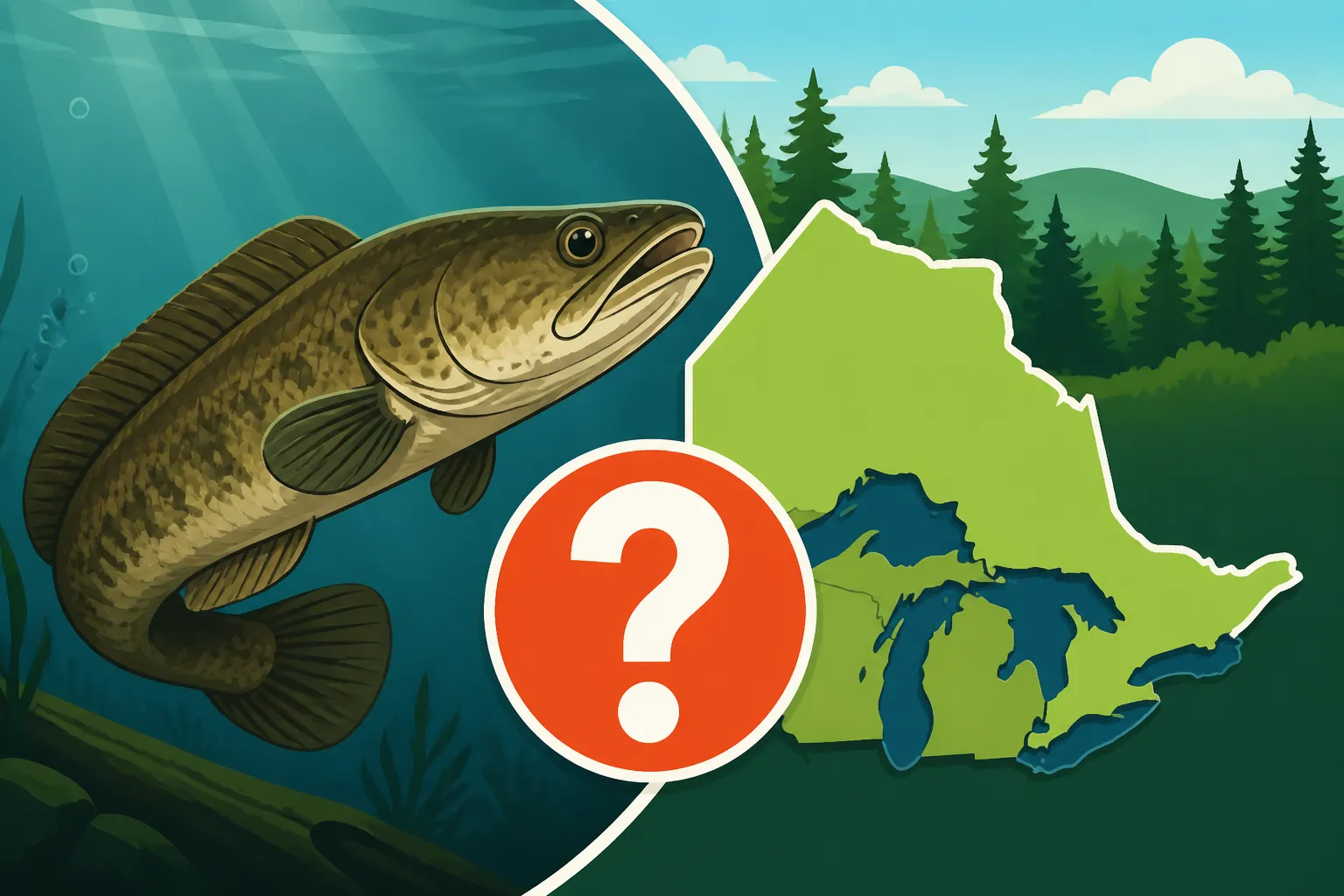
For many anglers, the Bowfin (scientifically known as Amia calva) is a species shrouded in a bit of mystery, often mistaken for other fish or simply unrecognized. They aren't as widely distributed or commonly discussed as walleye or bass, which means encountering one can be quite a surprise. However, they are indeed a native species to certain parts of Ontario, and understanding them adds another fascinating layer to our rich aquatic ecosystems.
A Native Species with Ancient Roots
The Bowfin is truly a living fossil, an ancient fish whose lineage dates back millions of years. When you hold one, you can almost feel that prehistoric connection, with their distinct, elongated body, long dorsal fin that undulates gracefully, and that formidable, toothy grin. They possess a thick, bony head and an overall robust build that speaks to their survival prowess. Unlike many of our more "modern" game fish, the Bowfin represents an evolutionary path that has remained largely unchanged, a testament to its incredible adaptability.
These fish are characterized by their deeply olive-to-brown coloration on their back, fading to a lighter, often creamier belly. A prominent dark spot, often ringed with a lighter halo, is usually present on the caudal (tail) fin, especially in males and juveniles. This spot can sometimes fade in older, larger females, but it’s a classic identifier. Their jaws are packed with sharp, conical teeth, making it clear they are efficient predators, and their scales are tough, almost armor-like.
Their physical attributes, particularly that long, flowing dorsal fin, are quite distinctive once you know what to look for. When observed in the water, this fin gives them a snake-like appearance as they glide stealthily through vegetation. They are often incredibly slimy, a protective mucus coating that helps them navigate their often weedy and abrasive environments, but it can make them a handful to manage once landed.
Where Bowfin Call Home in Ontario
While not found province-wide, Bowfin have established populations in specific regions of Ontario, particularly in the southern and eastern parts of the province. They tend to favor warmer, slower-moving waters, making them perfectly suited for certain lake systems and river backwaters. Think of areas with extensive weed beds, lily pads, and muddy or silty bottoms – these are prime Bowfin territories.
You'll find them predominantly in the Great Lakes basin, especially in the shallow, weedy bays and tributaries of Lake Erie, Lake St. Clair, and parts of Lake Huron. The marshy inlets and slow-flowing rivers that feed into these larger bodies of water are classic Bowfin haunts. Further east, sections of the Trent-Severn Waterway and the Rideau Canal system also hold healthy populations. These waterways provide the ideal combination of warm water, abundant aquatic vegetation for ambush points, and often shallower depths that Bowfin prefer.
It's less common to encounter them in the colder, deeper, and more oligotrophic (nutrient-poor) lakes of Northern Ontario, which are typically dominated by species like lake trout or northern pike in different habitats. Anglers targeting bass or pike in the warmer, weedier sections of southern and central Ontario lakes are most likely to hook into a Bowfin. Always check the Ontario Fishing Regulations Explained for any specific rules related to unusual catches, although Bowfin are generally open season with no specific limits, given they are often under-targeted.
Differentiating Bowfin from Other Ontario Fish
One of the main reasons for the "mystery" surrounding Bowfin is that they are often confused with other species, most commonly Northern Pike or even Burbot due to their elongated bodies. However, there are several key features that set the Bowfin apart. Understanding these differences is crucial for proper identification and can help you appreciate this unique fish even more.
The most obvious distinction from Northern Pike is the dorsal fin. Pike have a single, relatively short dorsal fin located far back on their body, close to the tail. Bowfin, on the other hand, possess a remarkably long dorsal fin that runs almost half the length of their back, creating that distinctive undulating movement when they swim. Additionally, a Bowfin's tail fin is rounded, while a pike's is distinctly forked. Look closely at the head too; Bowfin have a very hard, bony head with a single tubular nostril near the mouth, quite different from a pike's flatter, duck-bill-like snout.
Another common misidentification is with Burbot, sometimes called "freshwater cod." While Burbot also have a long dorsal fin, it's typically split into two sections, and they possess a distinctive single barbel (whisker) on their chin, which Bowfin completely lack. Burbot also have very small, embedded scales and a mottled, snake-like skin pattern, differing greatly from the Bowfin's larger, smoother scales and more uniform coloration. Recognizing these differences will not only impress your fishing buddies but also ensure you're correctly identifying your catch. If you’re ever unsure, a quick look at an Ontario fish species identification guide can help clear things up on the water.
Understanding Bowfin: Habits and Habitat
To truly appreciate Bowfin and increase your chances of catching one, it helps to dive into their daily lives. These fish are masters of their specific environments, utilizing unique adaptations and predatory strategies to thrive where other species might struggle. They're not just some random fish; they're perfectly designed for their niche.
Preferred Habitats and Aquatic Environments
Bowfin are primarily creatures of shallow, warm, and often somewhat turbid (cloudy) waters. They are not typically found in the cold, clear, rocky depths that lake trout or some walleye populations prefer. Instead, think of large, sprawling weed beds, dense lily pad fields, stagnant backwaters, oxbow lakes, and slow-moving river sections. These environments provide them with ample cover for ambush, protection from predators (especially when young), and a steady supply of their preferred prey.
Their habitat preference is a key factor in their survival. These dense vegetative areas offer a refuge from the sun in summer, helping them regulate their body temperature, and also act as fantastic hunting grounds. They often hug the edges of these weed lines or sit completely submerged within the vegetation, waiting for an unsuspecting meal to swim by. They are incredibly tolerant of low oxygen conditions, a trait that allows them to thrive in stagnant ponds or warm, shallow bays that would be uninhabitable for many other game fish. This tolerance is largely due to their unique respiratory system, which we’ll discuss shortly.
You might find them lurking in ditches, canals, or even flood plains after heavy rains, moving into areas that are temporarily wet. As the water recedes, they can often survive in shrinking pools where other fish perish. This hardiness makes them a resilient and adaptable component of Ontario's aquatic life. Targeting these specific environments is your best bet for a Bowfin encounter.
What Bowfin Eat and How They Hunt
Bowfin are voracious and opportunistic predators, truly at the top of the food chain in their preferred habitats. Their diet consists mainly of other fish, including smaller panfish like perch and bluegill, as well as minnows, frogs, and even crayfish. They are not particularly picky and will readily consume whatever is abundant and easily caught in their weedy domains. Their strong jaws and sharp teeth are perfectly adapted for grasping and holding onto slippery prey.
Their hunting style is classic ambush predation. They will often lie perfectly still, camouflaged within the aquatic vegetation, waiting patiently for an unsuspecting meal to swim past. When a target is identified, they execute a lightning-fast strike, using their powerful caudal fin for propulsion. It’s a sudden burst of energy, often accompanied by a violent splash, as they engulf their prey headfirst. They are particularly active during low light conditions, such as dawn, dusk, or even at night, though they will feed throughout the day if the opportunity arises.
When you hook a Bowfin, you'll immediately understand their predatory power. They fight with incredible intensity, making powerful runs and often thrashing wildly at the surface. Their aggressive nature means they're always looking for a meal, making them a fun, albeit challenging, target for anglers willing to venture into their weedy strongholds. Understanding their diet can help you choose the right bait; anything mimicking a small fish or frog is likely to get their attention.
Unique Adaptations: Breathing Air and Surviving Tough Conditions
The Bowfin's ability to survive in environments that would kill most other fish is perhaps its most remarkable adaptation: it can breathe air. They possess a specialized, vascularized swim bladder that functions much like a primitive lung. This allows them to gulp air directly from the surface when oxygen levels in the water become too low, a common occurrence in warm, stagnant, heavily vegetated waters during hot summer months or under ice in winter.
This adaptation is incredibly useful for survival. You’ll often see Bowfin "rolling" at the surface, breaking the water with their snout to take a gulp of air, especially on a hot day. This behaviour not only sustains them but also allows them to outcompete or simply survive in places where less tolerant fish perish. It’s a testament to their ancient lineage and their ability to endure environmental extremes. This means that even in harsh conditions, Bowfin can often be found alive and well, waiting for conditions to improve.
Beyond air breathing, their tough, armored bodies and high tolerance for a range of water temperatures also contribute to their resilience. They can handle quite warm water, which is why they thrive in the shallow, sun-baked bays of southern Ontario. This incredible hardiness ensures their continued presence in their specific habitats, making them a fascinating subject for any angler interested in the survival mechanisms of fish.
Fishing for Bowfin in Ontario
So, you're intrigued and want to try your hand at catching one of these prehistoric powerhouses? Great! While they might not be everyone's prime target, Bowfin offer a unique and exhilarating fishing experience. Just be prepared for a battle!
Tackle and Techniques for the Fight
Because Bowfin are incredibly strong fighters and have a mouth full of sharp teeth, you need to come prepared with the right gear. This isn't the time for ultralight finesse setups unless you enjoy losing fish and tackle. A medium-heavy to heavy action spinning or baitcasting rod, about 6.5 to 7.5 feet long, paired with a sturdy reel is ideal. You'll want a reel with a good drag system, capable of handling powerful runs.
For line, consider braided line in the 30-50 lb test range. Braided line offers excellent abrasion resistance, which is vital when fishing around heavy cover like weed beds and submerged wood. It also has minimal stretch, allowing for solid hooksets and direct control during the fight. A fluorocarbon or heavy monofilament leader (around 20-30 lb test) can be added to the end of your braid for stealth and extra abrasion resistance against their teeth and the abrasive environment. If you're looking to gear up, a quick browse on Amazon can show you a wide array of durable spinning rods and braided lines that are perfect for tackling these tough fish.
As for lures and baits, Bowfin aren't particularly fussy. Anything that mimics their natural prey will work.
- Spinnerbaits and Chatterbaits: These are excellent choices for covering water in weedy areas. The flash and vibration can trigger aggressive strikes.
- Jigs: Soft plastic creature baits or swimbaits rigged on heavy jig heads (1/4 oz to 1/2 oz) can be worked through cover.
- Spoons: Weedless spoons are another great option for dense vegetation.
- Live Bait: Minnows, shiners, or even small frogs fished under a float or on a Carolina rig can be irresistible to Bowfin. They often hit live bait with incredible ferocity.
When fishing for Bowfin, focus on their preferred habitats: thick weed lines, lily pad fields, and areas with submerged timber. Cast your lure into these zones and work it slowly, pausing occasionally. Be ready for a violent strike; they hit hard! Once hooked, keep steady pressure on the fish and try to steer it away from heavy cover to prevent it from burying itself or breaking your line.
Catch and Release Best Practices
Landing a Bowfin requires a bit of caution. Their powerful jaws and sharp teeth can easily inflict a nasty bite. It's highly recommended to use a good pair of long-nosed pliers or a dedicated hook-out tool for unhooking. Never put your fingers near their mouth. A sturdy landing net can help you control the fish once it's boatside or on shore.
Bowfin are incredibly hardy, which means their survival rate after catch and release is generally high, provided they are handled properly. To ensure a successful release:
- Minimize Air Exposure: Try to keep the fish in the water as much as possible during unhooking.
- Handle with Care: Support the fish horizontally, especially if lifting it for a quick photo. Avoid holding it vertically by the jaw if it's a large fish, as this can damage its internal organs.
- Quick Release: Once unhooked, gently place the fish back into the water and allow it to swim away under its own power. If it seems disoriented, hold it gently in the water, facing into any current, until it regains its strength and swims off.
Remember, treating all fish with respect, regardless of species, ensures the health of our fisheries for future generations. While they might be slimy and toothy, they are a vital part of the ecosystem. If you're not planning to keep your catch, having a reliable pair of unhooking pliers ready, which you can find easily on Amazon, is essential for a safe and swift release.
Why Anglers Love (and Sometimes Loathe) Bowfin
The Bowfin is a polarizing fish among anglers. Some consider them a nuisance, a "trash fish" that gets in the way of targeting more desirable species like bass or walleye. They're often called "dogfish" or "mudfish," terms that carry a negative connotation and sadly contribute to their undeserved reputation. Their slime and aggressive thrashing can indeed be a bit messy and challenging to deal with.
However, a growing number of anglers are starting to appreciate the Bowfin for what it truly is: an incredibly strong, tenacious, and unique sport fish. For those who enjoy a hard fight, Bowfin deliver in spades. They pull like freight trains, make explosive runs, and never give up. Catching a large Bowfin, especially on appropriate tackle, is a memorable experience that will test your gear and your angling skills. They're a fantastic target for those who appreciate the raw power of freshwater predators.
Furthermore, they offer an exciting challenge when other species might be sluggish, particularly in warmer water or low-oxygen conditions where Bowfin thrive. They are also incredibly beautiful fish when observed closely, with their intricate patterns and prehistoric features. Embracing the Bowfin means expanding your fishing horizons and discovering a truly unique angling adventure right here in Ontario. Don't be swayed by the old "trash fish" mentality; give them a chance, and you might just find a new favourite fight.
Conservation and Ecological Role of Bowfin
It's easy to overlook or misjudge species that aren't typically high on a dinner plate or tournament leaderboard. However, every native species plays a critical role in its ecosystem, and the Bowfin is no exception. Understanding their place is vital for appreciating the delicate balance of Ontario's aquatic environments.
Bowfin's Place in the Ontario Ecosystem
Bowfin are a key component of the food web in the warm, weedy habitats they inhabit. As apex predators in these specific environments, they help to control populations of smaller fish, frogs, and other aquatic organisms. This predatory role is crucial for maintaining the health and balance of their ecosystems. Without predators like the Bowfin, prey species could overpopulate, leading to resource depletion and a less diverse, less resilient environment.
Their hardiness and ability to tolerate fluctuating environmental conditions, particularly low oxygen levels, also make them a resilient species. In an era of changing climates and increasing environmental pressures, species that can adapt to challenging conditions are incredibly valuable for the overall biodiversity of a region. They serve as an important indicator species for certain types of healthy, vegetated wetland and shallow water ecosystems, providing food for larger predators (when they are young) and helping keep prey populations in check as adults.
The presence of healthy Bowfin populations often signifies a thriving, complex aquatic system, full of the vegetation and prey they require. This ancient fish isn't just surviving; it's playing its part in the intricate dance of nature, ensuring a stable and diverse habitat for all its inhabitants.
Debunking Myths: Are Bowfin Invasive or Harmful?
Unfortunately, Bowfin have historically suffered from a bad reputation, often being labeled as "trash fish" or even mistaken for invasive species due to their unusual appearance and aggressive nature. It’s crucial to understand that Bowfin are native to Ontario's waters and are not an invasive threat. Invasive species are non-native organisms that cause harm to the environment, economy, or human health. Bowfin, as indigenous inhabitants, do none of these.
The misconception that they are harmful often stems from a lack of understanding of their ecological role. Some anglers worry that Bowfin consume too many game fish like bass or walleye, but in reality, they primarily target readily available prey in their specific shallow, weedy habitats. Their presence does not typically lead to the decline of other sportfish populations; rather, they coexist within a balanced ecosystem, each filling their own niche. They might eat a small bass, but a large bass will also eat small Bowfin or other fish. It's simply how the food chain works.
By dispelling these myths, we can foster a greater appreciation for Bowfin and encourage responsible angling practices. These fascinating fish deserve our respect and protection as much as any other native species. Instead of being viewed as a nuisance, they should be celebrated for their ancient lineage, their incredible fighting spirit, and their valuable contribution to Ontario's rich freshwater biodiversity. So next time you hook into one, take a moment to admire this living fossil before a respectful Ontario Catch and Release Only Waters release!
| Feature | Bowfin | Northern Pike |
|---|---|---|
| Dorsal Fin | Very long, runs over half the back length | Short, located far back near the tail |
| Caudal (Tail) Fin | Rounded | Deeply forked |
| Head Shape | Bony, hard, rounded snout, tubular nostril | Elongated, "duck-bill" shaped snout |
| Body Markings | Olive/brown, sometimes worm-like patterns, prominent tail spot (often ringed) in males/juveniles | Green/yellow with bean-shaped spots, no tail spot |
| Teeth | Sharp, conical, numerous | Very sharp, backward-pointing, numerous |
| Air Breathing | Yes, gulps air from surface (vascularized swim bladder) | No |
| Slime | Very slimy | Moderately slimy |
| Preferred Habitat | Warm, shallow, heavily vegetated, low oxygen | Cooler, clearer waters, weed lines, structure |
Disclaimer
This article is for general informational purposes only and does not constitute professional advice. Laws, prices and regulations vary by location and change over time. Consult a qualified professional for guidance on your specific situation.