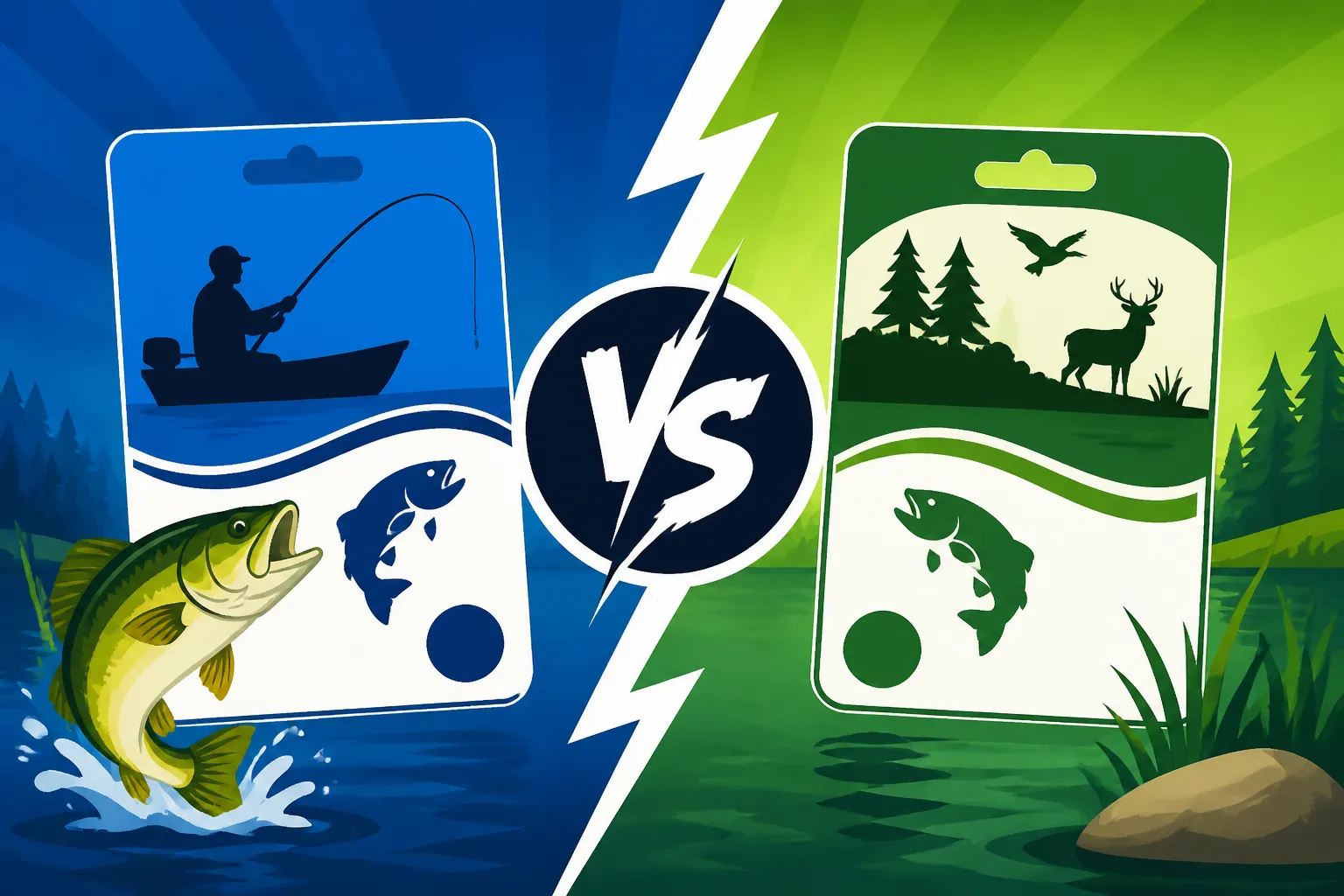
Ontario Sport vs Conservation Fishing License
Choosing the right fishing license in Ontario can feel a bit like trying to navigate a maze while blindfolded. You're just excited to get out on the water, but then you're faced with "Sport" versus "Conservation" and a million questions about what each one actually means for your day of angling. It’s easy to get confused about the differences, especially when you just want to make sure you’re following the rules without accidentally breaking them. This comprehensive guide will clear up all that confusion, helping you understand the nuances of Ontario's Sport and Conservation fishing licenses so you can make an informed choice and enjoy your time on the water, worry-free.
Understanding the Foundation of Ontario Fishing Licenses
Before we dive into the specifics of Sport versus Conservation, it's crucial to understand why we have fishing licenses in the first place and what other foundational elements are required to legally fish in Ontario. It's not just red tape; it's about protecting the incredible natural resources we're so lucky to enjoy.
The Core Purpose of Fishing Licenses in Ontario
At its heart, a fishing license in Ontario serves a vital role in maintaining healthy fish populations and ecosystems. The fees collected from license sales directly support conservation efforts by the Ministry of Natural Resources and Forestry (MNRF). This isn't just a government regulation for regulation's sake; it’s the financial backbone for initiatives like stocking programs, habitat restoration projects, research into fish populations, and enforcement of fishing regulations. Think of it as your direct contribution to ensuring that there will be fish for generations to come. Without these funds, our lakes and rivers could quickly become overfished or suffer from habitat degradation, diminishing the very experience we all cherish. It’s a collective responsibility, and your license fee is a tangible way you participate in that stewardship.
Beyond funding, the licensing system also provides the MNRF with critical data on angler participation, which helps in managing specific fisheries. By understanding how many people are fishing and what types of licenses they hold, the province can make informed decisions about catch limits, season dates, and other regulations designed to prevent overexploitation of certain species. It’s a complex dance between human enjoyment and ecological balance, and your license is a fundamental part of that rhythm.
The Outdoors Card Requirement
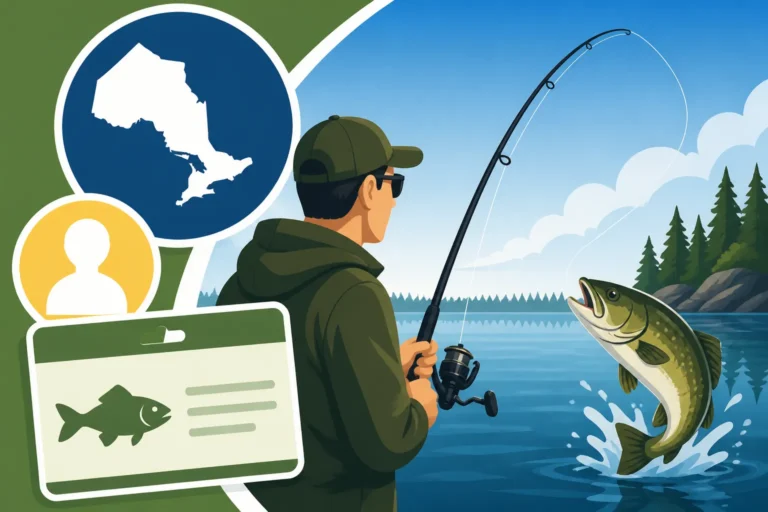
Now, here's a detail that often trips up new anglers or those who haven't fished in a while: you can't just buy a fishing license on its own. In Ontario, your fishing license is typically linked to an "Outdoors Card." Think of your Outdoors Card as your personal identification for all your fishing and hunting activities in the province. It's a physical card, much like a driver's license, that holds your unique customer number and is valid for a period of three calendar years. You only need one Outdoors Card, even if you plan to both fish and hunt. Once you have it, you can then purchase your specific fishing license – be it Sport or Conservation – which is then printed or digitally linked to your Outdoors Card number.
It’s important to remember that your Outdoors Card itself is not a fishing license. You must have both to legally fish. If you already have an Outdoors Card from previous hunting or fishing activities, you simply need to purchase the appropriate fishing license and ensure your card is still valid. If your Outdoors Card has expired, you'll need to renew it before you can buy a new fishing license. You can typically get an Outdoors Card and purchase your fishing license online through the official Ontario government website, at a ServiceOntario location, or through authorized license issuers like tackle shops and some retail stores. For a deeper dive into this essential component, check out our guide on the Ontario Outdoors Card, Explained.
The Sport Fishing License: For the Enthusiastic Angler
For many seasoned anglers and those looking to maximize their opportunities to harvest fish, the Sport Fishing License is the go-to choice. It's designed for individuals who are actively seeking to keep a reasonable number of fish for personal consumption, within sustainable limits.
What a Sport Fishing License Entails
A Sport Fishing License grants you the highest catch and possession limits available under Ontario's recreational fishing regulations. This means you are legally allowed to harvest more fish per day and possess more fish at any given time (whether they are in your cooler, freezer, or otherwise in your care) compared to someone holding a Conservation license. The intention behind the Sport license is to cater to anglers who value the experience of catching and keeping fish as a part of their outing, perhaps to feed their family or stock their freezer. It acknowledges that many anglers enjoy bringing home their catch, and it provides the legal framework for them to do so responsibly.
However, with higher limits comes greater responsibility. While you have the privilege of keeping more fish, it's absolutely crucial that you know and adhere to the specific regulations for the species you are targeting and the zone you are fishing in. These regulations cover not only the number of fish but also size restrictions (slot limits), open seasons, and even specific methods of fishing. Failing to follow these rules can result in significant penalties, including fines and potential license suspension. So, if you choose a Sport license, be prepared to do your homework and always carry a copy of the regulations with you. Our comprehensive Ontario Fishing License Guide for 2026 offers a broad overview of all licenses, including Sport options.
Daily and Possession Limits for Sport Licenses
The most significant differentiator of a Sport Fishing License is undoubtedly its daily and possession limits. For popular species like Walleye, Northern Pike, Smallmouth Bass, and various trout species, these limits are generally set to allow for a more substantial harvest. For example, in many zones, a Sport license holder might be permitted to keep four Walleye per day, with a possession limit of six. A Conservation license holder, on the other hand, might be restricted to two Walleye per day and a possession limit of three. These numbers are just examples, as the exact limits vary greatly by species and by the specific Fisheries Management Zone (FMZ) you are fishing in.
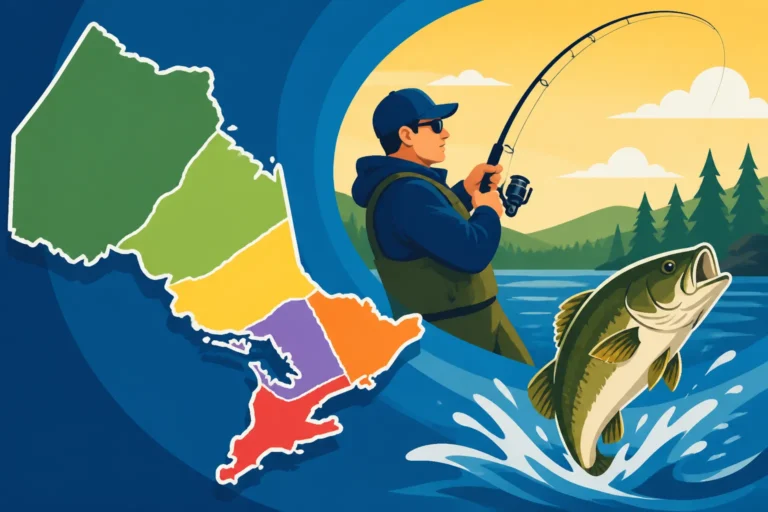
It’s not just about the raw numbers, though. Sometimes, a Sport license might allow you to keep a fish within a different size range (a "slot limit") that a Conservation license might not, or allow you to keep fish from a wider range of sizes. This flexibility is what appeals to anglers who are serious about bringing home a meal. It's incredibly important to stress that these limits are not universal across the province. Ontario is divided into numerous Ontario Fisheries Management Zones, Explained, each with its own specific rules that can change annually. Before heading out, you absolutely must consult the most current Ontario Fishing Regulations Summary to confirm the daily and possession limits for your chosen species and fishing location. This document is your bible for legal fishing in Ontario.
The Conservation Fishing License: Prioritizing Sustainability
On the flip side, the Conservation Fishing License embodies a strong commitment to the long-term health of Ontario's fisheries. It's designed for anglers who prioritize the experience of fishing and the sustainability of fish populations over the size of their cooler.
The Philosophy Behind a Conservation License
A Conservation Fishing License is built on the principle of minimal impact. It’s perfect for the angler who enjoys the thrill of the catch, the peacefulness of being on the water, and the challenge of technique, but who generally intends to release most, if not all, of their fish. While it does allow you to keep some fish, the daily and possession limits are significantly lower than those of a Sport license. This reduced harvest pressure directly contributes to maintaining robust fish stocks, ensuring that there are plenty of fish left in the water to reproduce and grow. It's a license for those who view themselves as guardians of the resource, making a conscious choice to participate in a more sustainable angling practice.
Many anglers choose a Conservation license because their primary goal is catch-and-release, or they simply don't need to take home a large quantity of fish. It's also a popular choice for casual anglers, families introducing children to fishing, or those who might only fish a few times a year. The lower limits mean less pressure to fill a quota and more focus on the enjoyment of the sport itself. This choice is a powerful statement about an angler's dedication to environmental stewardship and ensuring future generations can enjoy the same opportunities to fish.
Daily and Possession Limits for Conservation Licenses
The core difference, as with the Sport license, lies in the catch and possession limits. With a Conservation Fishing License, these limits are typically about half of what a Sport license allows, sometimes even less for certain species. For instance, if a Sport license allows you to keep four Walleye, a Conservation license might only permit two. If a Sport license has a possession limit of six, the Conservation limit could be three. The idea is to allow for a modest harvest while significantly reducing the overall take from the fishery.
It’s a common misconception that a Conservation license means you can't keep any fish. This is generally not true; you usually can keep fish, just fewer of them. These reduced limits are carefully determined by fisheries biologists to ensure that recreational harvesting remains sustainable for each species in each specific zone. For anglers who are primarily catch-and-release, these limits are often more than sufficient, offering the option to keep a fish or two for a fresh meal while still upholding conservation principles. As always, these limits are highly specific to the species and Ontario Fishing Season Dates by Zone, so a thorough review of the current regulations summary is non-negotiable before you cast your line.
Key Differences Between Sport and Conservation Licenses
Understanding the specific contrasts between the Sport and Conservation licenses is paramount to making the right choice for your fishing adventures in Ontario. It's not just about what you can do, but what you want to do and how that aligns with your fishing philosophy.
Comparing Catch and Possession Limits
The most obvious and impactful difference between the two license types is, without a doubt, the disparity in daily and possession limits. This distinction directly affects how many fish you can take home from your angling trip. A Sport license allows for a significantly higher number, catering to those who intend to harvest fish regularly. The Conservation license, by contrast, enforces lower limits, promoting catch-and-release practices and reducing overall fishing pressure on stocks. This difference is not just theoretical; it has real-world implications for how you plan your fishing trips and what you expect from them.
Let's illustrate with a comparison of a few common species in a hypothetical, generalized Fisheries Management Zone (remembering that actual limits vary widely and change, so always check the current regulations):
| Species | Sport License Daily Limit (Example) | Sport License Possession Limit (Example) | Conservation License Daily Limit (Example) | Conservation License Possession Limit (Example) |
|---|---|---|---|---|
| Walleye | 4 | 6 | 2 | 3 |
| Northern Pike | 6 | 9 | 3 | 4 |
| Smallmouth Bass | 6 | 6 | 2 | 2 |
| Lake Trout | 2 | 3 | 1 | 1 |
| Brook Trout | 5 | 7 | 2 | 3 |
(Note: These numbers are purely illustrative and do not reflect actual current Ontario fishing regulations. Always refer to the official Ontario Fishing Regulations Summary for the specific FMZ and species you are targeting.)
The practical implications are clear. If you're planning a trip with the specific goal of bringing home enough Walleye for a few family dinners, a Sport license is likely what you'll need. However, if you're hitting your favourite lake for some Smallmouth Bass Fishing in Ontario, enjoying the fight, and intend to release most of your catches, a Conservation license will be more than adequate. For instance, if you target Lake Erie Walleye Fishing, the limits can be very specific, and understanding your license type is crucial. Making the wrong choice could lead to unintentionally exceeding limits and facing penalties, even if your intentions were good.
Cost Implications and License Options
One common misconception is that a Sport Fishing License is significantly more expensive than a Conservation Fishing License. In reality, the cost difference is often minimal, or in some cases, the price can even be identical for certain durations. The price point is not the primary factor distinguishing these two licenses; it’s truly about the catch and possession limits. Both license types are available for different durations: a 1-day license (which does not require an Outdoors Card for non-residents, making it handy for quick trips), a 1-year license, and a 3-year license (which does require an Outdoors Card).
For Ontario residents, the 1-year Sport and Conservation licenses often have a difference of only a few dollars, making the decision more about your harvesting intentions than your budget. The same applies to non-residents, though their overall license costs are generally higher. For specific pricing details, it's always best to consult the official MNRF website or our detailed guides on Ontario resident sport fishing license cost 2026 or Ontario non-resident sport fishing license cost 2026. For a single day of fishing, you might also be interested in exploring the Ontario 1-Day Fishing License Cost option, which offers flexibility without the need for an Outdoors Card. The focus should always be on what type of angling experience you want to have, rather than trying to save a few dollars on the license itself, as the penalties for over-limits far outweigh any perceived savings.
When you're outfitting yourself, whether you choose a Sport or Conservation license, you'll want to ensure you have the right gear to comply with regulations. Items like a good measuring tape or a reliable digital scale can be easily found on platforms like Amazon and are indispensable for verifying your catch dimensions and weight, especially when dealing with slot limits or trophy fish.
Why Choose One Over the Other? Real-World Scenarios
Deciding between a Sport and a Conservation license really boils down to your personal fishing goals and ethics. There’s no single "best" choice; it’s about what’s right for your trip.
Scenario 1: The Family Fishing Adventure. Imagine you're taking your kids fishing for the first time on a local pond or lake known for panfish like perch or sunfish. The goal is to introduce them to the joy of fishing, maybe catch a few small ones, take some pictures, and release most of them. In this case, a Conservation license is likely perfect. The lower limits are more than sufficient for a casual outing, and it instills a sense of responsibility for the resource in young anglers. There's no pressure to fill a cooler, just to enjoy the experience.
Scenario 2: The Annual "Fish Fry" Trip. Let's say you and your buddies have a tradition of heading to Northern Ontario for a week, specifically targeting Walleye, with the intention of having several fish fries and bringing some fillets home. For this kind of trip, a Sport license would be the clear choice. The higher daily and possession limits align with your goal of harvesting a significant amount of fish for consumption. You'll still be fishing within legal limits, but those limits are designed for a more substantial take. If you didn't have a Sport license, you'd quickly find yourselves limited and unable to meet your group's harvest goals.
Scenario 3: The Dedicated Trophy Hunter. You've spent years honing your skills, and now your focus is on catching that one massive Muskellunge or a truly gargantuan Lake Trout. For these types of trophy fish, the intent is almost always catch-and-release, minimizing harm to the fish to allow it to grow larger and reproduce. Even if the law allowed you to keep such a fish, many trophy anglers wouldn't. Here, a Conservation license perfectly fits the philosophy. You're not worried about limits; you're focused on the battle and the release. This also highlights the crucial practice of proper catch and release techniques, especially for vulnerable species like sturgeon, as detailed in Ontario Sturgeon Catch and Release Rules.
Ultimately, your choice reflects your approach to fishing. Are you primarily looking to harvest fish for food, or is the thrill of the catch and the act of releasing the fish back into the water your main priority? Both are valid approaches, but they require different license types to ensure you're compliant with Ontario's fishing regulations.
Navigating Regulations with Your Chosen License
Getting your license is just the first step. Understanding how your chosen license type interacts with the broader framework of Ontario's fishing regulations is absolutely critical for a legal and enjoyable fishing experience.
The Critical Role of the Fishing Regulations Summary
Whether you hold a Sport or Conservation license, your ultimate guide to legal fishing is the annual Ontario Fishing Regulations Summary. This document is published by the MNRF and is readily available online, at ServiceOntario centers, and at most authorized license issuers. It's not just a suggestion; it's the law. Your license type (Sport or Conservation) modifies the general regulations outlined in this summary. It doesn't override them entirely. For example, the summary will list the open season for Walleye in a particular Fisheries Management Zone (FMZ). You must adhere to that open season regardless of your license type. What your license then determines are your specific daily and possession limits within that open season.
The summary details specific rules for each of Ontario's Ontario Fisheries Management Zones, Explained, including:
- Open and Closed Seasons: When you can and cannot fish for certain species.
- Daily Catch Limits: How many fish of a certain species you can keep in one day.
- Possession Limits: How many fish of a certain species you can have in your possession at any given time (this includes fish in your livewell, cooler, vehicle, or freezer).
- Size Restrictions (Slot Limits): Often, you can only keep fish within a certain size range, with larger or smaller fish needing to be released.
- Bait Restrictions: Rules about what types of bait can be used in certain waters.
- Special Regulations: Unique rules that apply to specific lakes or rivers (e.g., fly-fishing only, catch-and-release only waters, or different limits for a particular body of water).
Understanding how to read and interpret this summary is vital. It’s dense, but it's essential reading for every angler. A great internal resource to help you with this is our guide on Reading the Ontario Fishing Regulations Summary. Never assume that a rule that applies to one lake or zone will apply to another, and never rely on outdated information. Always check the current year's summary before each trip, especially if you're venturing to a new area or targeting a new species.
Consequences of Misunderstanding Your License
Ignorance is not a valid defense when it comes to fishing regulations. Misunderstanding the difference between a Sport and Conservation license, or misinterpreting the regulations themselves, can lead to serious consequences. Conservation officers are highly trained and regularly patrol Ontario's waterways, ensuring compliance with fishing laws. Their job is to protect our fisheries, and they take it very seriously.
The penalties for violating fishing regulations can range from substantial fines to the seizure of your fishing equipment, boat, and vehicle, and even potential license suspension or revocation. For instance, if you, as a Conservation license holder, are found to be in possession of fish exceeding your allowed limit, you could face charges. Similarly, if you fish during a closed season or exceed a slot limit, regardless of your license type, you will be penalized. The penalties for Fishing Without a License in Ontario: Penalties are severe, but so too are those for fishing with a license but not adhering to its specific terms or the broader regulations.
These penalties are designed to be a deterrent and reflect the importance of sustainable fishing practices. It's far better to spend a few extra minutes reviewing the regulations or asking for clarification than to face the legal and financial repercussions of a violation. The small difference in effort upfront can save you a huge headache and a significant amount of money down the line. Always fish responsibly, and always know what your license allows you to do.
Practical Advice for License Holders
Now that you understand the nuances of Ontario's Sport and Conservation fishing licenses, let's talk about the practical steps you can take to ensure a smooth and legal fishing experience.
Purchasing Your License and Outdoors Card
Getting your fishing license in Ontario is a straightforward process, but it requires a few steps to ensure everything is in order. As we discussed, for most annual licenses, the first step is obtaining or renewing your Outdoors Card.
Here's how you can typically purchase your license:
- Online: The most convenient method for many is through the official Ontario government website. This allows you to purchase or renew your Outdoors Card and immediately buy your desired fishing license (Sport or Conservation). You can then print a temporary license or save a digital copy to your phone. This method is quick and accessible from anywhere. For detailed steps, refer to How to Buy an Ontario Fishing License Online.
- ServiceOntario Centres: If you prefer an in-person transaction or need assistance, visit any ServiceOntario location. They can help you with your Outdoors Card and fishing license purchase.
- Authorized License Issuers: Many bait shops, sporting goods stores, and outdoor retailers across Ontario are authorized to issue fishing licenses. This is a great option if you want to pick up some tackle or get local fishing tips at the same time.
Regardless of where you purchase your license, it's crucial to have proof of it with you while fishing. While carrying a physical printout is always a safe bet, the MNRF also permits carrying a digital version on your smartphone. However, ensure your phone is charged, and consider printing a backup, especially if you’re heading to areas with no cell service. Our guide on Printing or Carrying a Digital Fishing License in Ontario has more tips on this. Remember, a Conservation Officer can ask to see your license at any time, and you must be able to present it.
Essential Gear for Responsible Angling
Beyond your rod, reel, and tackle, certain pieces of gear are indispensable for responsible angling, especially when adhering to specific catch, possession, and size limits dictated by your Sport or Conservation license.
- Measuring Device: A reliable measuring tape or ruler is non-negotiable. Many species in Ontario have length restrictions (slot limits), meaning you can only keep fish within a certain size range, or must release fish above or below a certain length. Having an accurate way to measure your catch right at the boat or shore is crucial. You can find excellent, durable, and waterproof measuring tapes specifically designed for fishing on platforms like Amazon, or at your local tackle shop.
- Digital Scale: While not always required by law for all species, a digital scale is incredibly useful, especially if you're interested in trophy sizes or simply want to track your catches. If there are weight-based limits, or you are participating in a local fishing derby, a scale is essential. Again, Amazon offers a wide selection of compact, water-resistant digital scales that are perfect for anglers.
- Proper Release Tools: If you've opted for a Conservation license, or if you simply intend to practice catch-and-release with your Sport license, having the right tools for a quick and safe release is vital. This includes long-nose pliers or a dedicated hook remover to safely extract hooks with minimal damage to the fish. A good quality net with knotless, rubberized mesh is also excellent for handling fish gently. Check out our recommendations for the Best Tackle Box Setup for Ontario Anglers for more ideas on essential tools. Using these tools significantly increases a fish’s survival rate, contributing directly to the health of the fishery you’re enjoying.
By investing in these simple yet crucial tools, you not only ensure compliance with regulations but also demonstrate your commitment to ethical and sustainable fishing practices, preserving the wonderful angling opportunities Ontario offers for everyone.
Disclaimer
The information provided in this guide is intended for general informational purposes only and is not a substitute for the official Ontario Fishing Regulations Summary. Fishing regulations in Ontario can change frequently, and it is the responsibility of every angler to consult the most current official summary before heading out on the water. While we strive to provide accurate and up-to-date information, we cannot guarantee its completeness or accuracy. Always refer to the official Ministry of Natural Resources and Forestry (MNRF) website or publications for the definitive rules and regulations.