Are Round Goby a Problem in the Great Lakes?
It's a question that weighs heavily on the minds of many Ontario anglers, from those casting lines in the vastness of Lake Superior to the quieter corners of Lake Erie: "Are round goby a problem in the Great Lakes?" The short answer, my friends, is a resounding yes, and understanding why they pose such a threat and what we can do about it is crucial for protecting the incredible fisheries we cherish. This guide is all about diving deep into the world of this tiny but tenacious invader, exploring the ripple effects they're having on our beloved waters, and empowering you with the knowledge to make a difference.
The Unwanted Guest: What Exactly Are Round Goby and How Did They Get Here?
When you pull in a fish you don't immediately recognize, there's always a moment of curiosity. But for the round goby, that curiosity quickly turns to concern. These aren't your typical native bottom dwellers; they're an ecological curveball thrown into the delicate balance of our Great Lakes system. It's easy to dismiss a small fish, often no bigger than your hand, but their story is a classic tale of unintended consequences, and their impact is far-reaching.
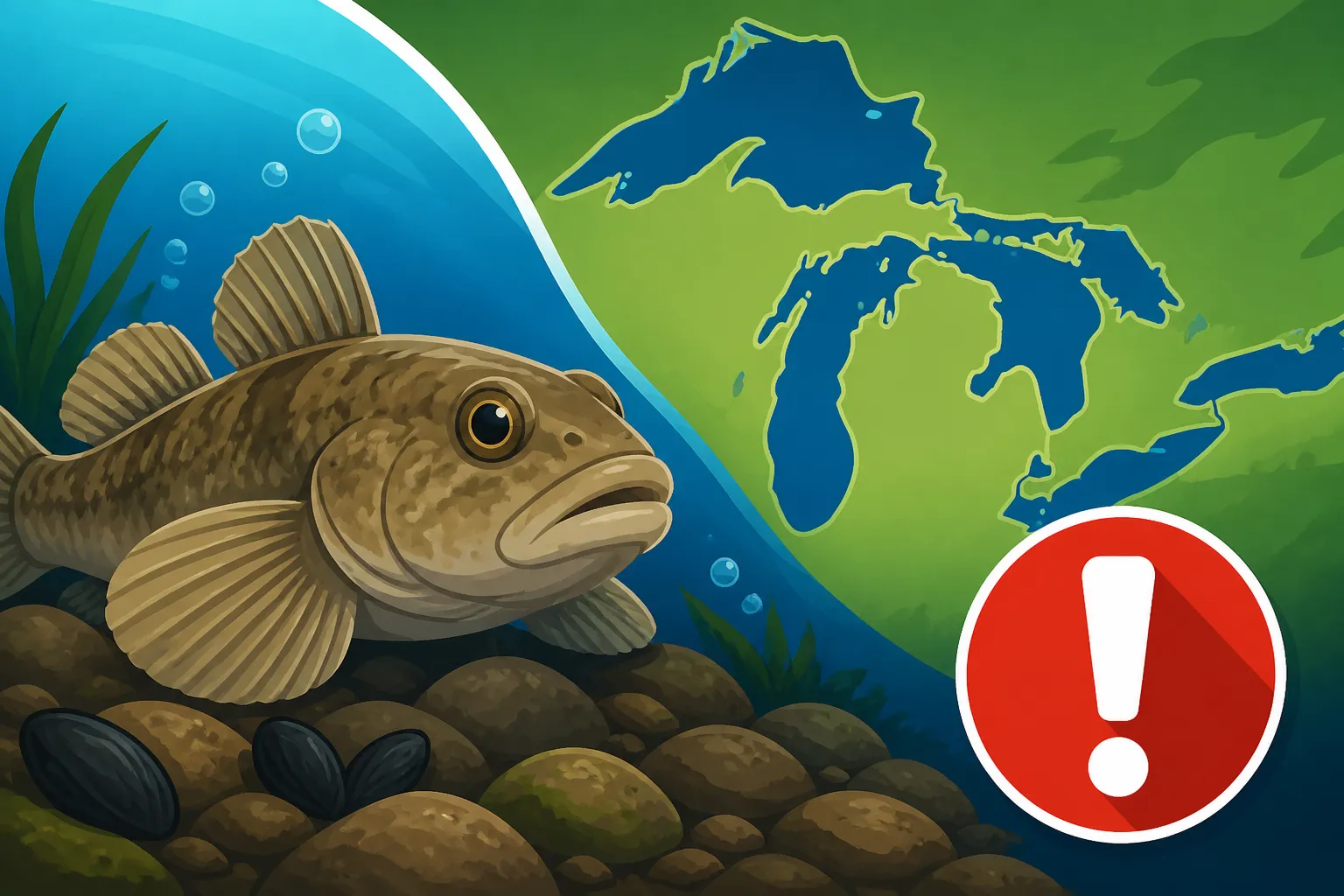
Round gobies (Neogobius melanostomus) are a small, bottom-dwelling fish, typically ranging from 4 to 10 inches in length. They're pretty distinctive once you know what to look for. Their bodies are mottled brown and grey, providing excellent camouflage against rocky bottoms. What really sets them apart, though, is their prominent eyes that sit high on their head, almost frog-like, and a single, fused pelvic fin that looks like a suction cup on their underside. This "suction cup" is actually a key adaptation that allows them to cling to rocks in strong currents, a trait not shared by many of our native bottom fish. They also have a noticeable black spot on the anterior dorsal fin, which is a dead giveaway. They're tough, resilient, and reproduce at an astonishing rate.
So, how did this little powerhouse from the Black and Caspian Seas end up making a home in our pristine North American waters? Like many aquatic invasive species, the round goby arrived via transoceanic shipping. Specifically, they hitchhiked in the ballast water of ocean-going vessels. Picture this: a ship takes on ballast water in a foreign port, sucking up water, sediment, and whatever creatures might be lurking. It then travels thousands of miles, crosses the Atlantic, enters the St. Lawrence Seaway, and eventually discharges that ballast water in a Great Lake port, unintentionally releasing these foreign invaders into a completely new environment. The first confirmed sighting in the Great Lakes was in the St. Clair River in 1990, and from there, they spread like wildfire, quickly colonizing all five Great Lakes and numerous connecting waterways and inland lakes. It's a sobering reminder of how interconnected our global systems are, and how quickly one small oversight can lead to a massive ecological challenge. The journey these fish undertake, often unseen and unnoticed, is a critical part of understanding their persistent presence.
Ripple Effects: The Significant Problems Round Goby Create in the Great Lakes
The arrival of the round goby wasn't just a minor blip on the radar; it initiated a cascade of ecological disturbances throughout the Great Lakes. They are, without a doubt, a significant problem. Their sheer numbers and aggressive nature have allowed them to elbow out native species and disrupt food webs in ways that are still being fully understood. They're like that one noisy, pushy neighbour who moves in and suddenly everything feels off-kilter.
One of the most concerning issues is their direct competition with and predation on native fish species. Round gobies are incredibly efficient at foraging for food, often outcompeting species like mottled sculpins, darters, and even young sport fish for limited resources. They have a voracious appetite and aren't picky, gobbling up insects, crustaceans, and the eggs and fry of other fish. Imagine a smallmouth bass nest, carefully guarded by a protective male, only to have a swarm of gobies descend and devour the precious eggs. It's a grim reality that plays out frequently. Smallmouth Bass Fishing in Ontario is such a popular activity, and seeing their populations potentially impacted by these invaders is a tough pill to swallow for many of us.
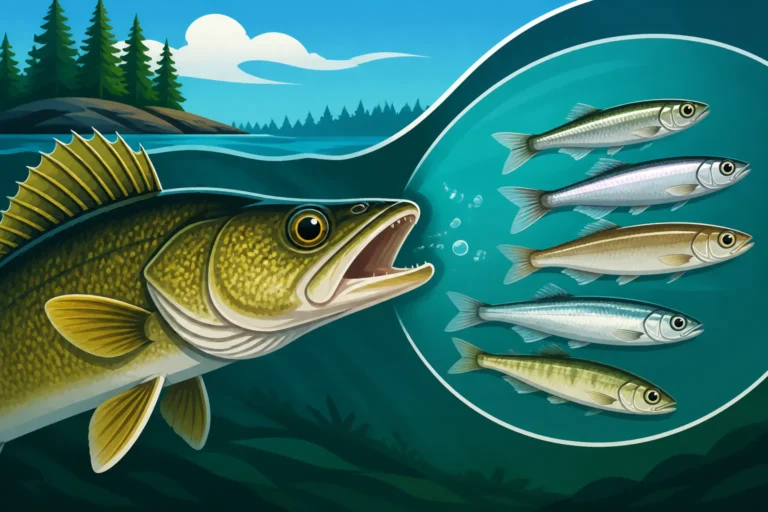
Their impact on native fish eggs and fry is particularly devastating because they are such aggressive spawners and nest invaders. Round gobies can spawn multiple times throughout the season, from April to September, laying thousands of eggs per female. The males guard the nests fiercely, and their sheer abundance means there are constantly new generations emerging. This puts immense pressure on native species that might only spawn once a year. When you combine their rapid reproductive rate with their habit of eating other fish's eggs, you've got a recipe for potential decline in our cherished native populations. Many anglers have expressed frustration with the sheer numbers of gobies they encounter, often hooking them one after another when targeting walleye or bass. While some larger sport fish like Walleye Fishing in Ontario and Muskellunge Fishing in Ontario have learned to prey on gobies, making them a new food source, the negative impacts on the vulnerable stages of these fish's lives can't be ignored. It's a complex dynamic where some species adapt, but others suffer greatly.
Beyond direct predation and competition, round gobies also transfer contaminants up the food chain. Because they are bottom-dwellers, they consume a lot of bivalves, including invasive zebra and quagga mussels, which are known to filter and accumulate toxins from the water. When a larger fish then eats the goby, those toxins are passed on, potentially affecting the health of our sport fish and, by extension, those who consume them. It's a troubling thought, knowing that an invader could be inadvertently bringing more than just competition to the table. This is part of the larger discussion about Invasive Fish Species in Ontario Waters and the complex challenges they pose.
Here's a quick look at some of the main problems:
| Problem Category | Specific Impact | Affected Native Species (Examples) |
|---|---|---|
| Competition for Food | Outcompete native bottom-dwellers for invertebrates & smaller fish. | Mottled Sculpin, Darters, juvenile Lake Whitefish |
| Predation on Eggs/Fry | Aggressively consume eggs and larvae of nesting fish. | Smallmouth Bass, Walleye, Lake Trout, Lake Whitefish |
| Habitat Displacement | Occupy prime spawning and foraging habitat. | Sculpin, Darters, juvenile Perch |
| Nuisance to Anglers | Frequently caught when targeting other species. | All sport fish (as bycatch) |
| Disease/Parasite Vector | Can carry diseases or parasites that affect native fish. | Potentially various species (research ongoing) |
| Toxin Accumulation | Bioaccumulate toxins from consuming invasive mussels, passing them up the food chain. | Walleye, Smallmouth Bass, Lake Trout, Salmon |
The impacts are undeniable. This little fish has carved out a niche for itself, often at the expense of our native aquatic life, prompting serious discussion among conservationists and anglers alike about the future of our precious Great Lakes.
Anglers on the Front Lines: What We Can Do About Round Goby in Ontario Waters
It can feel overwhelming to hear about all the problems caused by an invasive species like the round goby. You might feel a bit helpless, thinking, "What can I possibly do?" But as anglers, we are often the first line of defence and have a crucial role to play in managing these populations and preventing their further spread. Our collective actions, no matter how small they seem individually, can make a significant difference.
First and foremost, identification is key. If you're fishing in the Great Lakes or any connected waters, be vigilant about what you're catching. The distinctive "suction cup" pelvic fin and the black spot on the dorsal fin are your primary identifiers. If you catch a fish you suspect is a round goby, the general guidance from the Ontario Ministry of Natural Resources and Forestry (MNRF) is to not release it. It's a "kill on sight" mentality for this particular invasive species. This means dispatching the fish humanely and then properly disposing of it, either by taking it home for consumption (if you're inclined, though they are small) or, more commonly, by disposing of it in the trash, away from any water bodies. Never use live round gobies as bait, and never, ever return a live goby to the water, even if it's not the lake you caught it in. If you're unsure about any fishing regulations, especially when dealing with non-native species, always consult the Ontario Fishing Regulations Explained summary or the Ontario Fish ON-Line Interactive Zone Map, Explained.
Preventing the spread is another monumental task where anglers can truly shine. Round gobies are tough, and they can survive out of water for a surprising amount of time, making them easy to accidentally transport. The "Clean, Drain, Dry" principle isn't just a catchy phrase; it's a critical protocol for preventing the movement of all aquatic invasive species.
- Clean: Inspect your boat, trailer, fishing gear (including waders and nets), and even your boots for any mud, plants, or attached organisms. Remove everything before leaving the boat launch. For thorough cleaning, a stiff brush and hot, soapy water can be incredibly effective. You can find robust cleaning brushes and portable sprayers on platforms like Amazon that make this task easier at the end of a long day.
- Drain: Drain all water from your boat's bilge, livewells, bait buckets, and motor before leaving the access point. This is crucial because even a small amount of water can contain goby larvae or eggs, not to mention other tiny invaders.
- Dry: Allow your boat and gear to thoroughly dry for at least five days before using them in another water body. If you can't dry for that long, consider using high-pressure hot water (above 50°C) to wash everything down. This heat effectively kills many aquatic organisms.
Reporting new sightings, especially in inland lakes where round gobies might not yet be established, is also incredibly important. You can often report invasive species sightings to the MNRF or through dedicated invasive species programs. This information helps scientists and managers track their spread and implement control measures if possible. Understanding Ontario Fisheries Management Zones, Explained can help you determine if you're in an area where gobies are particularly problematic or if your sighting is an outlying concern.
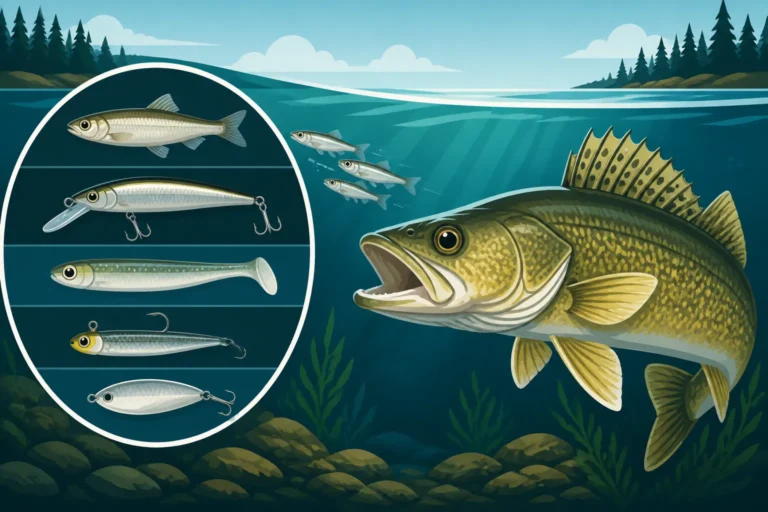
Finally, some anglers do choose to target round gobies, particularly if they are abundant in an area. While they're small, they can be aggressive biters, making them somewhat fun to catch on light tackle. Some predatory fish, like large smallmouth bass and walleye, have adapted to feed on gobies, so using goby-imitating lures can sometimes be effective, particularly in areas where these fish coexist. Lure companies like Rapala and Berkley offer a range of jigs and crankbaits in patterns that mimic the mottled brown and grey appearance of a goby, and these can be found readily on Amazon. While you won't eradicate them by fishing for them, every goby removed is one less competing with our native species. Just remember, once caught, these gobies should never be released alive, and always check local regulations regarding their use, even dead, as bait. Knowing What to do if you catch an invasive fish species in Ontario is not just good practice, it's essential for protecting our waters.
By understanding the threat, taking proactive steps, and following regulations, we can all contribute to mitigating the negative impacts of round gobies and help ensure a healthier future for Ontario's incredible fisheries.
Disclaimer
This article is for general informational purposes only and does not constitute professional advice. Laws, prices and regulations vary by location and change over time. Consult a qualified professional for guidance on your specific situation.