Ontario record muskellunge weight and length
The dream of hooking into a truly monstrous muskellunge is one that fuels countless Ontario anglers. These apex predators of our freshwater systems are known for their sheer size, incredible power, and their famously elusive nature. When you spend countless hours on the water, casting and trolling, it's natural to wonder just how big these fish can really get, and what the ultimate benchmark is in our province. This guide will take a deep dive into the official Ontario record for muskellunge, exploring the incredible dimensions of this legendary catch and what it means for muskie enthusiasts chasing their own giants.
Unveiling Ontario's Record Muskellunge: The Official Details
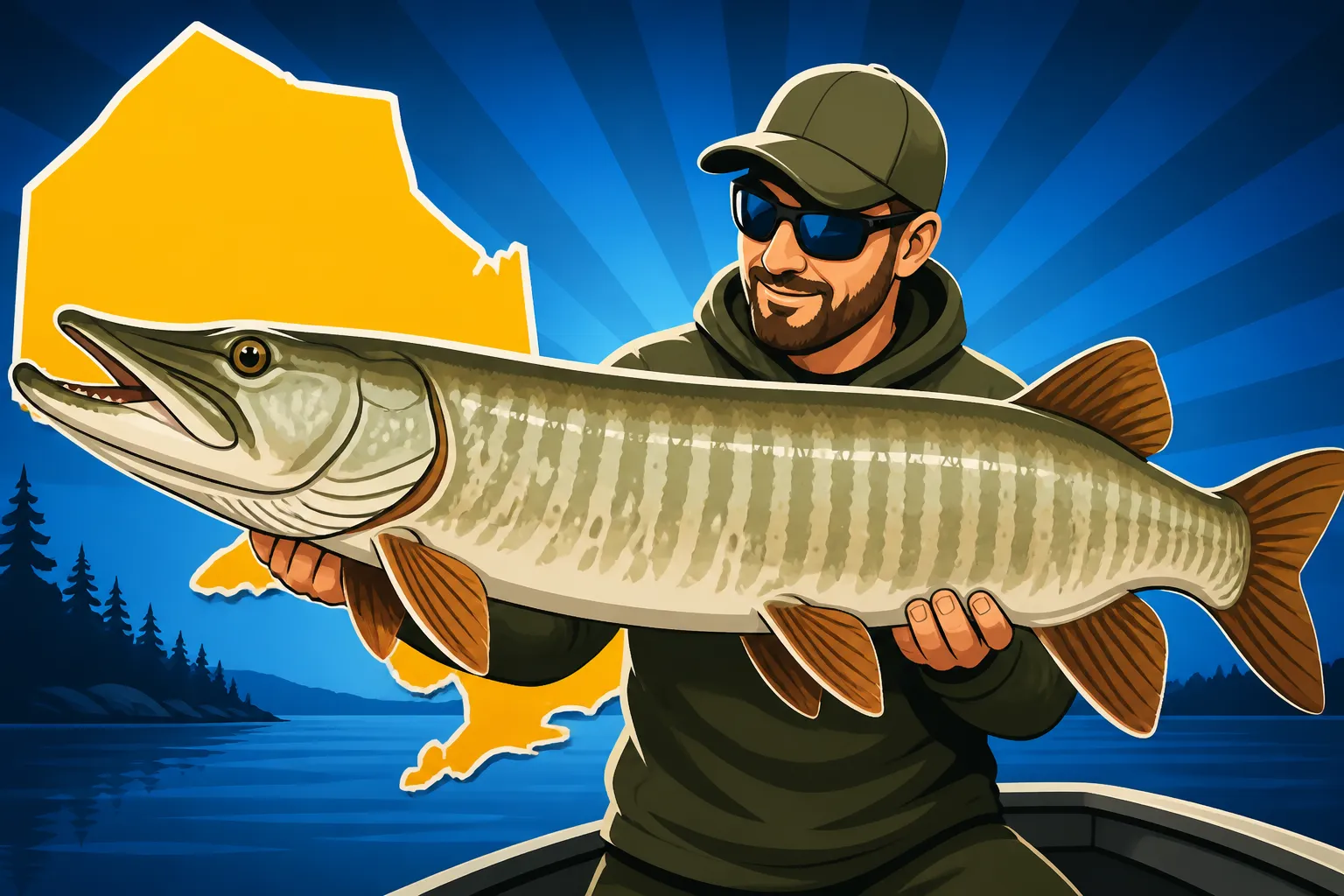
The world of muskie fishing is steeped in legend and hard-won triumph, and in Ontario, one fish stands above all others in the record books. The official provincial record for muskellunge is a truly astounding specimen, a fish that exemplifies the incredible potential of our waters. This colossal muskie weighed an incredible 65 pounds and was a majestic 58 inches in length. Imagine holding a fish that long, almost five feet of pure muscle and predatory power!
This monumental catch wasn't made yesterday; it's a record that has stood the test of time, a testament to the immense fish that once roamed, and indeed still roam, our vast freshwater systems. It was reportedly taken from the waters of Georgian Bay, a sprawling expanse of Lake Huron renowned for its rugged beauty and, as this record shows, its capacity to grow truly giant fish. The angler who achieved this feat etched their name into Ontario's angling history, a story passed down among those dedicated to the pursuit of these freshwater goliaths.
It's important to remember that such records aren't just about the numbers; they represent a pinnacle of angling achievement, a blend of skill, perseverance, and perhaps a touch of good fortune. For many, simply being on the water in a place like Georgian Bay, knowing such fish exist, is enough to keep them coming back, cast after arduous cast.
The Quest for a True Trophy: Understanding What It Takes
Catching a fish of any size is rewarding, but pursuing a muskie that even approaches the provincial record is an entirely different endeavour. It’s a quest that demands a unique blend of dedication, knowledge, and physical stamina. We often hear the saying "the fish of a thousand casts," and for muskie, it's not far from the truth, especially when you're targeting true giants. These fish are smart, wary, and often solitary, making them incredibly challenging to locate and entice.
To have a legitimate shot at a trophy muskie, anglers must invest heavily in specialized gear. We're talking about heavy-action rods, robust baitcasting reels capable of handling immense strain, and strong braided line, often upwards of 80 to 100-pound test. The lures themselves are often works of art – giant crankbaits, bucktails with massive blades, and oversized jerkbaits that can run you a pretty penny. Many dedicated muskie hunters spend hours researching and acquiring the right tackle, often scouring online retailers like Amazon for the latest innovations or hard-to-find lures that might just be the ticket. Learning about Best Muskie Gear for Ontario Waters is an essential first step.
Beyond the gear, there's the knowledge. Understanding muskie behaviour, their preferred habitats, their feeding patterns, and how they react to different weather conditions is paramount. This isn't just about reading a map; it's about interpreting subtle cues on the water, knowing when to slow down, when to speed up, and when to completely change your approach. Articles like How to Catch Muskie in Ontario delve into these critical strategies. Many anglers spend years honing their craft, learning from mentors, and absorbing every piece of information they can to increase their odds. It’s a pursuit that truly becomes a lifestyle, where every trip is a learning experience, and every follow or strike is a victory in itself.
Ontario's Waters: Breeding Grounds for Giants
Ontario is blessed with an abundance of freshwater, and among these, certain bodies of water have rightfully earned a reputation for consistently producing muskellunge of incredible size, including the legendary record-breaker from Georgian Bay. These aren't just random occurrences; these specific lakes and rivers offer the perfect cocktail of conditions for muskie to thrive and grow to gargantuan proportions.
What makes these waters so special? It boils down to a few key factors:
- Abundant Forage: Giant muskie need giant meals. Lakes like Georgian Bay and Lake St. Clair are teeming with large baitfish like ciscoes, whitefish, and suckers, providing a rich, high-protein diet that fuels rapid growth. The sheer volume of available food means these fish don't have to expend excessive energy hunting, allowing them to pack on pounds.
- Diverse Habitat: Muskie are ambush predators, and they need structure to hide in and hunt around. Deep weed beds, rocky shoals, submerged timber, and sharp drop-offs all offer prime muskie territory. The vastness and complexity of these habitats in places like Best Muskie Waters in Ontario provide endless opportunities for these fish to find sanctuary and ambush points.
- Long Growing Seasons: While Ontario winters are certainly cold, our muskie experience relatively long and productive feeding seasons during the spring, summer, and fall. This extended period of active feeding contributes significantly to their growth rate, allowing them to pack on size year after year. Understanding Muskellunge Growth Rate to Trophy Size helps appreciate this factor.
- Size and Connectivity: Large interconnected water systems, such as the Great Lakes and their connecting river systems (like the St. Lawrence River), provide muskie with vast territories to roam and genetic diversity, which also plays a role in their overall health and size potential. Georgian Bay Muskie Fishing and Lake St Clair Muskie Fishing are renowned for this.
While the exact location of the record catch is a closely guarded secret among some, the fact that it came from Georgian Bay speaks volumes about the potential of that expansive body of water. Other areas, like the St. Lawrence River and Lake of the Woods, also hold populations of truly massive muskie, offering anglers the chance to connect with their own fish of a lifetime. It’s a constant journey for many, trying to unlock the secrets of these legendary waters and the giant fish within them.
Ethical Angling: Protecting Our Giants for Future Generations
Catching a record-setting muskellunge, or even a personal best, is an unforgettable experience. However, the immense satisfaction of landing such a magnificent creature comes with an even greater responsibility: ensuring its survival and the health of the muskie population for future generations. Large muskie, particularly those approaching record size, are often old fish. They represent decades of growth and successful spawning, making them incredibly valuable to the ecosystem. For this reason, nearly all serious muskie anglers practice catch and release.
Proper handling is absolutely critical to the survival of these big fish. This isn't like unhooking a panfish; muskie have sharp teeth, are incredibly powerful, and can suffer significant stress or injury if not handled correctly. Key practices include:
- The Right Net: A large, rubber-coated landing net is essential. It minimizes damage to the fish's protective slime coat and fins. Using a net specifically designed for large muskie, like those often found on Amazon or at specialized tackle shops, is a must. Knowing Best net for landing a big muskie from a boat can make all the difference.
- Minimize Time Out of Water: Keep the fish in the water as much as possible. If you must lift it for a photo, do so quickly, supporting its entire body horizontally. Never hold a large muskie vertically by its jaw or gills.
- Tools for Unhooking: Long-nosed pliers, bolt cutters (for cutting hooks if necessary), and jaw spreaders are crucial for safe and efficient hook removal. Prioritize getting the hooks out quickly and gently.
- Revival: After unhooking and any quick photos, take the time to revive the fish. Hold it upright in the water, ideally in a gentle current, until it regains its strength and can swim away under its own power. Sometimes this means holding it for several minutes. Studying Muskie catch and release survival tips is highly recommended for anyone targeting these fish.
The angling community actively promotes these conservation efforts. When you buy your Ontario Sport vs Conservation Fishing License, you’re making a choice that reflects this commitment to protecting our natural resources. Sharing stories of respectful catch and release, rather than just the size of the fish, helps cultivate a culture of responsible angling. Ultimately, the future of Ontario's trophy muskie fishery depends on every angler's commitment to these ethical practices. We want future generations to have the same chance to chase these incredible giants and, perhaps, even break the current provincial record.
Table of Muskie Size Expectations
To put the Ontario record in perspective, here's a look at what constitutes various levels of muskie achievement in our waters:
| Muskie Category | Approximate Length Range | Approximate Weight Range | Notes |
|---|---|---|---|
| "Hammer Handle" (Small) | 24-36 inches | 5-10 lbs | Often younger fish, still a thrill to catch. |
| Good Keeper/Average | 36-45 inches | 10-25 lbs | Solid, respectable fish, common in many muskie waters. |
| Trophy Muskie | 45-55 inches | 25-45 lbs | What many dedicated anglers are actively seeking, a true challenge. |
| Ontario Record | 58 inches | 65 lbs | The ultimate benchmark, a legendary catch representing the pinnacle of size in Ontario. |
| "Mega Beast" | 55+ inches | 45-60+ lbs | Fish of this caliber are rare and are the stuff of angling dreams, just shy of the record. |
Disclaimer
This article is for general informational purposes only and does not constitute professional advice. Laws, prices and regulations vary by location and change over time. Consult a qualified professional for guidance on your specific situation.