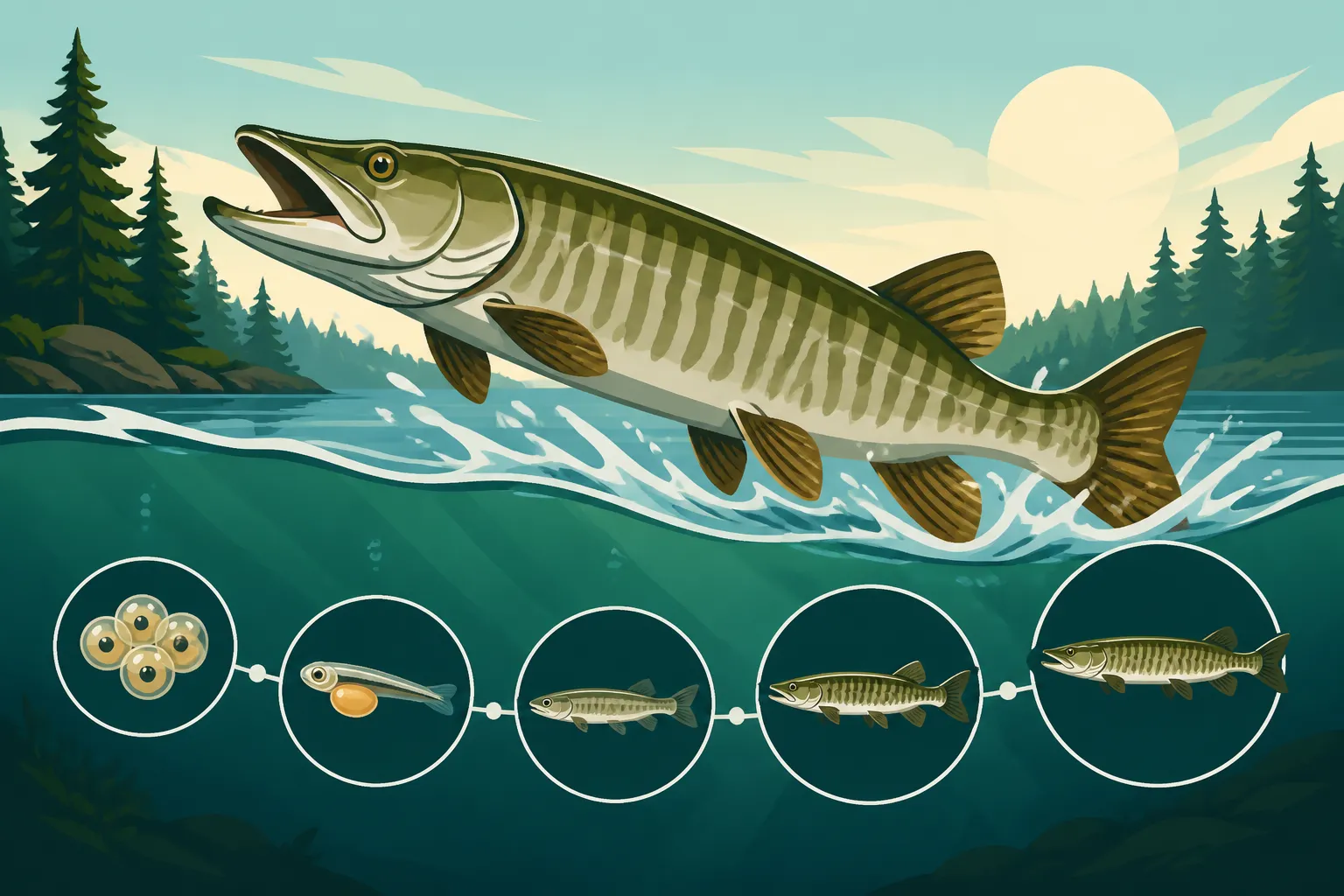
Life span of a muskellunge in Ontario waters
For many of us who chase the elusive muskie across Ontario's vast waters, there's a certain mystique about these magnificent fish. We marvel at their size, their power, and the sheer challenge they present. But beyond the thrill of the catch, have you ever wondered how long these incredible creatures actually live? It's a question that holds profound implications for both our angling pursuits and the future health of our fisheries. This comprehensive guide will dive deep into the fascinating world of muskellunge longevity, exploring their typical life spans, the factors that shape their years, and how we, as anglers, play a vital role in ensuring they continue to thrive for generations to come.
The Allure of the Muskellunge and Why Their Age Matters
There's a reason the muskie is often called the "fish of a thousand casts." It's not just their size or their aggressive strikes; it's the intelligence, the elusive nature, and the sheer dedication required to even have a chance at one. This legendary status is intrinsically linked to their age, making understanding their life span a cornerstone of the muskie angling experience.
Why Anglers Are Fascinated by Muskie Longevity
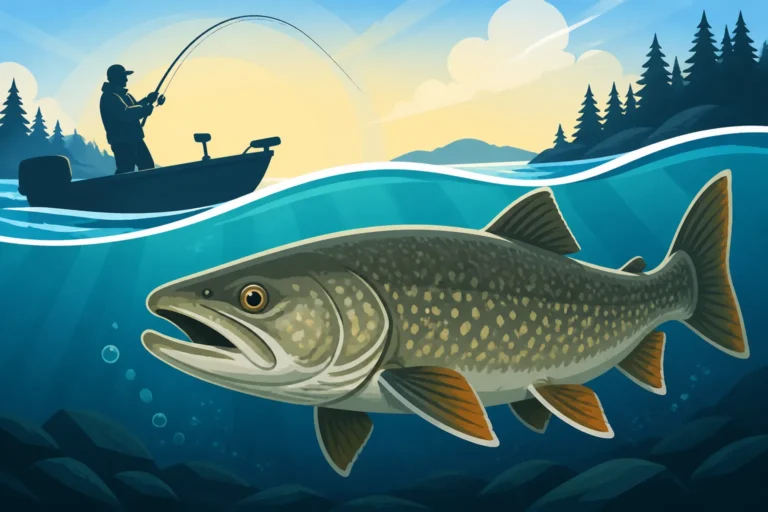
Let's be honest, part of the draw of muskie fishing is the pursuit of a true monster, a fish that has defied the odds and grown to an incredible size. These are often the oldest individuals in the population. We spend countless hours on the water, meticulously selecting our baits, perfecting our presentations, and enduring frustrating days without a strike, all for the chance to encounter one of these ancient giants. When you finally connect with a muskie, especially a truly large one, there's an immediate sense of respect and awe, knowing this fish has seen many seasons, survived countless challenges, and honed its predatory instincts over many years. This deep appreciation for their long journey adds an unparalleled layer of reward to the challenge, transforming a simple catch into a memorable interaction with a living legend.
The stories we tell, the photos we share, and the memories we cherish are often about those truly exceptional fish – the ones that measure over fifty inches, the ones that have grown to an impressive girth. These are the fish that represent the pinnacle of muskie growth, and that growth takes time, a lot of time. Understanding that an average muskie might live for a decade or more, and that the true giants could be twice that age, brings a whole new perspective to the sport. It makes every careful catch and release even more meaningful, knowing you're helping to preserve a potential future record-breaker or a crucial part of the breeding population.
The Role of Age in Conservation and Management
Beyond the personal thrill, muskie longevity plays a critical role in how these incredible fish are managed and conserved. Fisheries biologists closely study growth rates and life spans to understand population dynamics. When a species lives a long time and takes many years to reach maturity and trophy size, it requires a very different management approach than a fast-growing, short-lived species. For muskies, this often means strict slot limits, restrictive bag limits, and a strong emphasis on catch-and-release practices.
Knowing the average life span allows agencies to set appropriate regulations that ensure enough fish survive to reproductive age and beyond, maintaining a healthy population structure. Without this understanding, overfishing of older, larger individuals could quickly deplete a fishery, as these fish are often the most successful spawners and contribute significantly to the genetic health of the stock. It's a delicate balance, trying to satisfy the demand for trophy fishing while safeguarding the future of the species. That's why topics like Muskellunge Fishing in Ontario and Ontario Muskellunge Season Dates and Limits are so important for every angler to understand.
Understanding the Muskellunge Life Span in Ontario
So, how long do muskies truly live in Ontario's diverse waters? It's a question without a single, simple answer, as many variables come into play. However, we can look at averages and understand the incredible potential for longevity that these fish possess.
Average vs. Maximum Life Expectancy
In the wild waters of Ontario, a healthy muskellunge can typically live anywhere from 10 to 20 years. This is a pretty solid run for a freshwater fish! However, like any creature, there are outliers, and some truly exceptional individuals have been documented living significantly longer, pushing into the 25- to 30-year range, and even beyond in rare cases. Imagine a muskie that started its life when you were a teenager, and it's still out there, lurking in the shadows of a weed line today. That's the kind of longevity we're talking about.
Younger muskies grow relatively quickly, reaching respectable sizes within their first few years. As they age, their growth rate often slows, but they continue to add girth and length, becoming the massive, dominant predators we all dream of catching. A 10-year-old muskie might be a solid 40-inch fish, while a 20-year-old could easily be in the upper 40s or well into the 50-inch class. The truly ancient ones are often the widest and most battle-scarred, carrying the wisdom of many seasons spent avoiding predators, finding food, and surviving harsh winters.
Key Factors Influencing Muskie Longevity
Several critical elements dictate how long a muskie will survive and thrive in Ontario's lakes and rivers. These factors interact in complex ways, creating unique environments that either foster or challenge muskie longevity.
Habitat Quality
A muskie's home directly impacts its ability to survive and grow old. Pristine, diverse habitats with ample cover, healthy aquatic vegetation, clear water, and deep cool sanctuaries are essential. Lakes with abundant weed beds, rocky drop-offs, submerged timber, and access to deep-water refuges provide everything a muskie needs: ambush points for hunting, protection from predators, and stable temperatures. Conversely, waters with poor water quality, lack of cover, or excessive siltation create a stressful environment, making fish more susceptible to disease and reducing their life span. A healthy ecosystem ensures a strong base for the entire food chain, which directly benefits these apex predators.
Food Availability
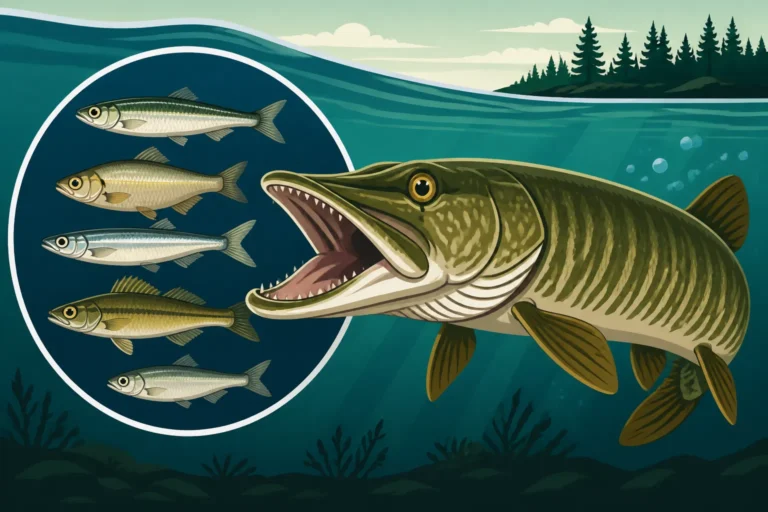
You can't grow big and live long without a consistent and nutritious food supply! Muskie are voracious eaters, and their diet consists of a variety of baitfish, sometimes even ducks or small mammals. Lakes and rivers with a robust population of forage species—like cisco, suckers, perch, and various panfish—will support larger, healthier, and ultimately older muskie. When food sources are scarce, muskie might experience slower growth, higher competition, and increased stress, which can shorten their lives. It's a simple equation: more food equals more energy for growth and survival. Understanding What muskie eat in Georgian Bay can give you an edge in finding these fish.
Water Temperature and Climate
Ontario's climate brings seasonal extremes, and these can significantly impact muskie. While muskies are resilient, prolonged periods of extreme heat can stress them, especially in shallower waters where oxygen levels might drop. Conversely, harsh winters with prolonged ice cover can also present challenges, affecting metabolism and access to food. Stable water temperatures within their preferred range allow muskie to thrive, grow efficiently, and maintain good health. Rapid fluctuations or sustained extremes often lead to increased mortality, particularly among younger or weaker fish.
Fishing Pressure and Catch-and-Release Practices
This is where anglers come in. Muskie fishing is incredibly popular, and while regulations are in place to protect the species, repeated captures and improper handling can take a toll. A muskie caught and released incorrectly might suffer injuries, undue stress, or succumb to delayed mortality. This is why proper catch-and-release techniques are not just good sportsmanship, but a vital conservation practice, especially for such long-lived fish. Minimizing fight time, keeping the fish in the water as much as possible, using appropriate landing nets, and employing specialized tools like long-nosed pliers or hook removers are crucial. Neglecting these practices, particularly with older, larger fish, can drastically reduce their chances of survival and thus their potential life span. For more on this, check out Muskie catch and release survival tips.
How Scientists Determine Muskie Age
Ever wondered how fisheries biologists figure out how old a muskie is without asking it for ID? They use some pretty clever methods, often involving examining hard parts of the fish that lay down annual growth rings, much like a tree.
One common method is scale analysis. Fish scales grow with the fish, and they develop rings called circuli. During periods of slow growth (like winter), these rings are closer together, forming annuli (annual rings). By counting these annuli under a microscope, scientists can estimate the fish's age. It's a non-lethal method, as scales can be taken without harming the fish, allowing for ongoing study of individuals.
Another highly accurate method involves examining otoliths, which are small ear bones. These bones also lay down distinct growth rings annually. Since otoliths are generally more robust and less susceptible to reabsorption than scales, they often provide a more precise age estimate, especially for older fish where scale annuli might become crowded or indistinct. However, collecting otoliths usually requires sacrificing the fish, so it's typically done as part of specific scientific studies or when a fish is already deceased.
Finally, fin rays (the bony spines or soft rays in a fish's fins) can also be used. A small cross-section of a fin ray can be taken, and like scales and otoliths, it will reveal annual growth rings. This method is less invasive than otolith removal, as the fin can regenerate, but it still requires careful handling. These scientific methods provide the data that informs our understanding of muskie life spans and, in turn, how we can best manage these incredible fish.
Growth Rates and Trophy Potential: The Connection to Life Span
The quest for a trophy muskie is deeply intertwined with the concept of longevity. A truly massive muskie isn't just lucky; it's a fish that has beaten the odds for many years, accumulating size and wisdom.
From Fry to Fifty-Inchers: The Growth Journey
Every behemoth muskie started as a tiny fry, barely an inch long, vulnerable to countless predators. Their initial growth is rapid; they need to get big fast to survive. Within their first year, they can reach a foot or more in length. This aggressive early growth is critical. However, to reach those legendary 50-inch-plus sizes, consistent, healthy growth over many, many seasons is required. A muskie doesn't just sprout to 50 inches in a few years; it's a slow, steady accumulation of mass and length, year after year.
As they mature, their growth rate might slow down, but their girth continues to increase, giving them that powerful, imposing appearance. This prolonged growth phase means that the truly monstrous muskie you might encounter could be well over 15 or 20 years old, a testament to their resilience and the richness of their habitat. The patience required from both the fish (to grow) and the angler (to catch one) is truly remarkable. For more on this journey, explore Muskellunge Growth Rate to Trophy Size.
Ontario's Waters and Their Role in Growing Big Muskie
Ontario is blessed with some of the finest muskie waters in the world, and many of these lakes and rivers are renowned for producing exceptionally large and, therefore, exceptionally old fish. Lakes like Georgian Bay, Lake St. Clair, and the vast expanses of Lake of the Woods offer the ideal combination of abundant forage, diverse structure, and stable ecosystems that allow muskie to reach their full potential.
Consider the immense baitfish populations in Lake St. Clair, or the complex, rocky structures and deep-water haunts of Georgian Bay. These environments provide consistent food sources, critical habitat for evasion, and thermal refuges during extreme temperatures, all contributing to a longer, healthier life. When a muskie has everything it needs, it can focus its energy on growing rather than merely surviving. This is why these specific areas are often highlighted in discussions about Best Muskie Waters in Ontario. The sustained quality of these fisheries, coupled with smart management, ensures that these old, trophy-sized fish continue to roam our waters.
| Life Stage | Approximate Age Range (Years) | Typical Length Range (Inches) | Key Characteristics & Survival Factors |
|---|---|---|---|
| Fry/Juvenile | 0-2 | 1-20 | Rapid growth, highly vulnerable to predation. Survival depends on abundant forage and protective cover. |
| Sub-Adult | 3-6 | 21-35 | Still growing quickly, becoming more efficient predators. Increased survival due to size, but still susceptible to fishing pressure and habitat loss. |
| Adult | 7-15 | 36-50 | Matures reproductively, growth rate slows but adds girth. Strong, dominant predators. Longevity depends heavily on habitat and wise angling practices. |
| Trophy/Old | 15+ | 50+ | Maximum size and girth achieved. These are the most resilient individuals, crucial for genetic diversity. Susceptible to handling stress. |
Responsible Angling and the Future of Ontario's Muskie
The long life span of a muskellunge means that every fish we encounter has a rich history and a vital future. As anglers, we hold a significant responsibility to protect these incredible fish, especially the venerable old giants.
The Importance of Conservation for Long-Lived Species
Imagine a species that might take 10 or more years to reach full reproductive potential, and potentially 20 or 30 years to become a true trophy. That's the muskellunge. Unlike species with rapid life cycles, muskie populations are slow to rebound from decline. This makes every individual, especially the older, larger ones, incredibly valuable to the overall health and genetic diversity of the fishery. Conservation for muskie isn't just about ensuring there are fish to catch next year; it's about safeguarding a lineage that spans decades.
When an old, dominant muskie is removed from the population, whether through harvest or improper handling, it's not just one fish lost. It's decades of genetic resilience, learned survival instincts, and often, a prolific breeder that is gone. This understanding compels us to treat every muskie with the utmost respect and to adhere strictly to all regulations. The future of Muskellunge Fishing in Ontario depends on this collective commitment to conservation.
Best Practices for Catch-and-Release to Ensure Longevity
Because muskie are such long-lived creatures, proper catch-and-release is perhaps the most critical component of muskie conservation. It's not enough to simply let the fish go; you need to ensure it has the best possible chance of survival.
First, minimize fight time. Use appropriate tackle for the size of fish you're targeting to bring it in quickly, reducing exhaustion. Once hooked, keep the fish in the water as much as possible. This means unhooking it boatside or, if you must bring it aboard, using a large, soft, knotless landing net. Never cradle a muskie horizontally by the gills or hang it vertically by its jaw, as this can cause severe internal damage.
When it comes to unhooking, be prepared. Have your tools ready before the fish is in the net. Long-nosed pliers, bolt cutters (for cutting hooks if necessary), and a jaw spreader are essential. Platforms like Amazon offer a fantastic selection of muskie-specific release tools, from robust pliers to specialized hook removers, ensuring you have the right gear to protect both yourself and the fish. Work quickly and efficiently to remove hooks. If a hook is deeply embedded or difficult to remove, cut the hook rather than tearing flesh.
For photos, be quick and keep it low. A quick photo with the fish held horizontally, fully supported, and as close to the water as possible is ideal. Avoid lengthy photo sessions, especially in warm water or when the fish shows signs of stress. After release, support the fish upright in the water until it regains its strength and swims off under its own power. Sometimes this means holding it gently by the tail and rocking it back and forth to push water over its gills. These thoughtful actions, especially for those old, wise muskie, drastically increase their chances of living on to fight another day, contributing to the health of the fishery for future generations.
Supporting Research and Management Efforts
As anglers, we're on the front lines, and our observations and participation can be invaluable to fisheries managers. By supporting research and management efforts, we directly contribute to a better understanding of muskie populations and their longevity. This can involve participating in citizen science programs, reporting significant catches, or even providing anecdotal information about patterns you've observed in a specific lake over many years.
Many organizations and government bodies rely on angler data to supplement their scientific studies. Your information about Muskellunge Habits in Georgian Bay, for instance, could help identify critical spawning areas or preferred habitats. By being engaged and responsible, we help ensure that regulations are based on the best available data, protecting these magnificent, long-lived predators and ensuring that the thrill of chasing the "fish of a thousand casts" continues for all. We all have a role to play in the stewardship of Ontario's incredible natural resources.
Disclaimer
This article is for general informational purposes only and does not constitute professional advice. Laws, prices and regulations vary by location and change over time. Consult a qualified professional for guidance on your specific situation.