Life Jacket Requirements for Ontario Boaters
It’s a common scenario: you’re excited for a day out on the stunning waters of Lake Simcoe or cruising down the French River, boat loaded, fishing gear ready, only to realize you’re not entirely sure about the confusing rules surrounding life jackets and Personal Flotation Devices (PFDs) in Ontario. This guide is here to untangle the legal jargon and practical realities, ensuring you and your loved ones stay safe and compliant while enjoying Ontario’s incredible waterways.
The Crucial Difference: PFDs vs. Lifejackets
When you're out on the water, whether you're paddling a canoe in Algonquin Park or motoring across Lake Superior, understanding the distinction between a "lifejacket" and a "PFD" isn't just a matter of semantics – it's a matter of safety and legal compliance. Many people use these terms interchangeably, and while they both serve the critical purpose of keeping you afloat, Canadian regulations, particularly here in Ontario, draw a very clear line. Getting this right is fundamental to responsible boating.
Understanding the "Approved" Standard in Ontario
In Canada, all recreational boats must carry Canadian-approved flotation devices. This "approved" standard is crucial. It means the device has met stringent testing criteria set by Transport Canada. You’ll typically see a label indicating approval from Transport Canada, or sometimes a dual approval from a recognized body like the Canadian Coast Guard or Underwriters Laboratories (ULC). Without this approval, no matter how buoyant or well-made a device might seem, it doesn’t count under the law. It’s not enough to just grab any old vest; it must explicitly state that it's Canadian-approved to ensure it meets the necessary safety benchmarks. This standard helps ensure that when push comes to shove, your flotation device will perform as expected in Canadian waters, which can range from calm cottage lakes to rough Great Lakes conditions.
Key Distinctions and When Each is Required
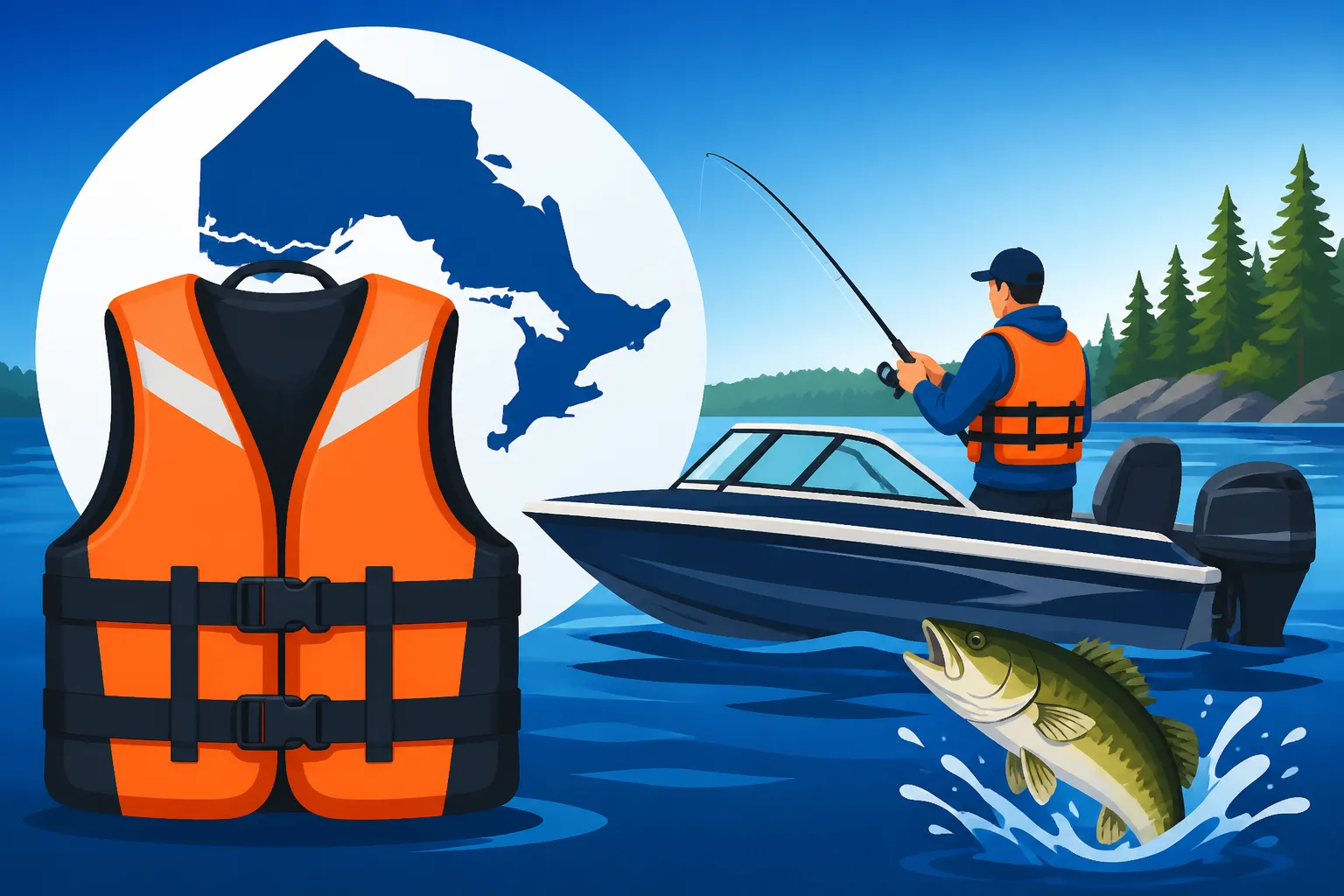
So, what's the real difference between a lifejacket and a PFD? A lifejacket is designed specifically to turn an unconscious person face-up in the water, providing maximum buoyancy and keeping their airway clear. They typically have a large collar to support the head and are often bright orange, yellow, or red for high visibility. They might not be the most comfortable for active use, but their primary purpose is survival in an emergency. On the other hand, a PFD (Personal Flotation Device) offers excellent buoyancy but isn't guaranteed to turn an unconscious person face-up. PFDs are generally more comfortable, less bulky, and come in a wider variety of styles and colours, making them popular for activities like kayaking, canoeing, or stand-up paddleboarding. They are designed for situations where help is likely nearby or where the wearer is conscious and able to assist themselves.
For example, if you're out fishing on a larger vessel and someone falls overboard, an approved lifejacket gives them the best chance of survival even if they hit their head. For paddlers enjoying a calm afternoon on the Trent River, a comfortable PFD is often preferred, as it allows for greater mobility while still providing essential flotation. The law states that you need one approved lifejacket or PFD for each person on board your vessel. This means if you have four people, you need four approved devices. Understanding this distinction helps you choose the right type of flotation for your specific activity and vessel, keeping both safety and regulations in mind.
Mandatory Wear vs. Onboard Requirement
This is where many anglers and recreational boaters get tripped up, and honestly, it’s a source of frequent frustration. It’s not just about having the right number of approved flotation devices on board; it's about knowing when you or your passengers absolutely must be wearing them. The rules around mandatory wear are designed to protect the most vulnerable and those participating in activities with higher inherent risks, recognizing that once you’re unexpectedly in the water, putting on a lifejacket can be incredibly difficult, if not impossible.
Who Must Wear a Lifejacket at All Times?
The most critical rule to remember is that anyone under 12 years of age must wear an approved lifejacket or PFD at all times when on a vessel that is underway. This applies to motorboats, sailboats, canoes, kayaks, and even stand-up paddleboards. This isn't a suggestion; it's a non-negotiable legal requirement. So, if you're taking your kids fishing on Lake Erie, make sure their PFDs are properly fitted and worn from the moment you leave the dock until you return. Beyond children, anyone being towed behind a vessel, whether water skiing, tubing, or wakeboarding, must also wear an approved flotation device. The sudden impact of hitting the water at speed, or the potential for injury, makes wearing one imperative. Additionally, those on personal watercraft (PWCs) like Jet Skis must wear an approved PFD or lifejacket at all times while operating the craft. The dynamic nature of PWCs and the higher likelihood of falling into the water necessitate this constant protection. Failing to comply can lead to significant fines, but more importantly, it puts lives at serious risk.
When is "Having It Onboard" Sufficient?
For adults aged 12 and older on most recreational vessels, the law generally requires that an approved lifejacket or PFD be readily accessible for each person on board. "Readily accessible" means it can be retrieved and donned quickly in an emergency – not stuffed deep in a storage locker under a pile of gear. Imagine your boat capsizes unexpectedly; you won't have time to dig through compartments. An approved device should be visible, within arm's reach, or in an easily accessible bag or compartment. So, if you're cruising on Lake Huron in your fishing boat, and you're over 12 and not being towed, you don't legally have to wear your PFD, but it absolutely must be right there, ready to go.
However, many seasoned anglers and boaters, myself included, strongly advocate for wearing your PFD whenever the boat is underway, regardless of legal mandates, especially if you're alone, in cold water, or in rough conditions. The simple fact is that accidents happen fast. Trying to find and put on a PFD when you've just been thrown into the water, perhaps disoriented or injured, is a monumental task. Brands like Mustang Survival and Salus Marine Gear offer comfortable PFDs that are designed for all-day wear, often with pockets for tackle or tools, making it easier to comply with regulations while maximizing your personal safety. You can find a great selection of these practical, wearable PFDs on platforms like Amazon, offering different styles from inflatable options to traditional foam vests that don't hinder your casting motion. Always remember, the law is the minimum standard; personal safety often calls for going above and beyond.
Sizing, Fit, and Condition: Beyond Just Having One
It's a common misconception that simply having an approved lifejacket or PFD on board is enough. While it meets the bare minimum legal requirement for many adults, the reality is far more nuanced when it comes to actual safety. A flotation device is only effective if it fits properly and is in good working order. An ill-fitting or damaged PFD is about as useful as a leaky bucket when you need it most. This is particularly crucial in the diverse conditions found across Ontario's waters, from the placid Kawartha Lakes to the sometimes-treacherous waves of the Great Lakes.
The Importance of Proper Sizing for All Ages
Think about it: a lifejacket that's too big will ride up around your ears, offering little support, while one that’s too small might not provide enough buoyancy and will be incredibly uncomfortable or impossible to fasten. This is especially vital for children. Kids grow quickly, and a PFD that fit perfectly last summer might be too snug or too loose this year. For infants and small children, look for PFDs with a large collar to support their head, a crotch strap to prevent it from riding up, and a grab handle for easy retrieval from the water. When trying on a PFD, ensure all zippers, buckles, and straps are fastened. Then, have someone gently pull up on the shoulders of the PFD. If it slides up past your ears, it’s too big. If you're buying online, perhaps from Amazon, make sure to consult the manufacturer's sizing charts carefully, which usually include weight ranges and sometimes chest measurements. Remember that clothing can impact fit, so try it on over the typical layers you'd wear while boating. A properly sized and adjusted PFD should feel snug but not restrictive, allowing for full range of motion while providing secure flotation. This attention to detail is paramount, especially when considering the safety of young ones who might be joining you for a day of fishing.
Inspecting Your Lifejacket for Wear and Tear
Even the most perfectly sized lifejacket is useless if it's compromised. Before every outing, or at least at the beginning of each boating season, make it a habit to thoroughly inspect all your PFDs and lifejackets. Check for tears, punctures, or signs of mildew and rot, particularly on the fabric and straps. Fading colours might indicate prolonged sun exposure, which can weaken the material over time. Examine all zippers, buckles, and fasteners to ensure they are fully functional and secure. For inflatable PFDs, this inspection is even more critical; check the CO2 cylinder to ensure it hasn’t been discharged and is securely installed, and that the indicator shows it’s ready for use. Also, check the inflation mechanism for any obstructions or signs of damage.
A good practice is to periodically test your PFDs in shallow water. This helps you and your family get a feel for how they perform and confirms their buoyancy. If a flotation device shows any significant signs of wear, damage, or compromise, it’s time to replace it. Don’t gamble with safety. Many outdoor retailers across Ontario, and large online marketplaces, offer a wide range of replacement options. Ensuring your equipment is in top condition is a non-negotiable part of responsible boating. This goes hand-in-hand with understanding Ontario boating laws for anglers and making sure your entire vessel is prepared for any eventuality on the water.
Special Considerations for Different Vessels and Activities
The expansive nature of Ontario's lakes and rivers means that a "one-size-fits-all" approach to lifejacket requirements simply doesn't cut it. What's appropriate for a large motorboat isn't necessarily the same for a paddleboard or a personal watercraft. The type of vessel you're using and the activity you're engaged in significantly influence the specific regulations and best practices for flotation devices. These nuanced rules are designed to match the risks inherent to different waterborne pursuits.
Kayaks, Canoes, and Stand-Up Paddleboards
For those who love the quiet propulsion of a paddle, whether gliding across the serene waters of Lake Muskoka in a kayak, exploring the rugged shores of Georgian Bay by canoe, or trying out stand-up paddleboarding on a calm river, the rules are clear: you must have one Canadian-approved PFD or lifejacket on board for each person. However, unlike larger vessels, for these smaller, more easily capsized crafts, it is highly recommended – and often seen as a best practice by the paddling community – that you wear your PFD at all times. Falling out of a canoe or off a paddleboard is a common occurrence, and once you're in the water, trying to don a PFD can be a real challenge, especially in wind or current, or if you're separated from your craft. Many paddlers opt for comfortable, low-profile PFDs that don't restrict arm movement, which you can easily find on platforms like Amazon. They also consider other essential gear, understanding that Ontario Pleasure Craft Operator Card Requirement applies to motorized vessels, but basic safety knowledge is crucial for all water users. For a deeper dive, consider articles like Best Kayak for Lake Erie or Best Kayak for River Fishing in Ontario which often discuss integrated PFD considerations.
Personal Watercraft PWCs and Tow Sports
If you're on a Personal Watercraft (PWC), such as a Sea-Doo, Yamaha WaveRunner, or Kawasaki Jet Ski, the rules become more stringent. Every person on a PWC must wear a Canadian-approved PFD or lifejacket at all times while operating the craft. This mandatory wear reflects the dynamic and often high-speed nature of PWCs, where sudden falls into the water are quite common. The same mandatory wear rule applies to anyone engaged in tow sports, like water skiing, wakeboarding, or tubing. The forces involved in these activities, the potential for high-speed impacts with the water, and the risk of being knocked unconscious make a constantly worn flotation device absolutely essential. For these activities, a securely fitting PFD that stays put even during vigorous movement is paramount. Look for PFDs designed for watersports, often with higher impact protection and secure strapping. This ensures that even if you take an unexpected spill, you're immediately buoyant and visible.
Boating with Children and Infants
Bringing children and infants on board introduces an even higher level of responsibility and specific legal requirements. As mentioned earlier, any child under 12 years of age must wear a Canadian-approved PFD or lifejacket at all times while the vessel is underway. This is not optional. For infants, choosing the right PFD is especially critical. Infant PFDs are designed for very small weights and feature extra head support to keep an infant's face clear of the water, along with a crotch strap to prevent the PFD from riding up. It’s imperative to choose a PFD that is specifically rated for the child's weight and that fits snugly.
Parents often struggle with finding comfortable PFDs that kids will actually keep on. Look for bright colours for visibility and designs that are less bulky. Involving children in the selection process can sometimes help. When planning a family fishing trip, say to a popular spot like Lake Simcoe, ensuring every child has a properly fitted and worn PFD is the number one safety priority. This also ties into other youth-related regulations, such as the Ontario Youth Fishing License Exemption Under 18, highlighting that safety and compliance considerations extend across various aspects of engaging youth in outdoor activities. Never underestimate the speed at which a child can slip overboard, even in seemingly calm conditions.
Here's a quick summary table for clarity:
| Vessel/Activity | Age Group | Requirement | Mandatory Wear? | Key Feature/Consideration |
|---|---|---|---|---|
| Most Recreational Vessels | 12 years + | Approved PFD/Lifejacket per person | No (readily accessible) | Comfort, ease of access, fit for specific activity |
| Most Recreational Vessels | Under 12 years | Approved PFD/Lifejacket per person | Yes | Proper fit, crotch strap, head support for infants, visibility |
| Kayaks, Canoes, SUPs | All ages | Approved PFD/Lifejacket per person | Highly Recommended | Low-profile, comfort for paddling, quick retrieval of craft |
| Personal Watercraft (PWC) | All ages | Approved PFD/Lifejacket per person | Yes | Secure fit, impact protection for active use |
| Tow Sports | All ages | Approved PFD/Lifejacket per person | Yes | Secure fit, high visibility, impact protection |
| Cold Water / Rough Conditions | All ages (adults) | Approved PFD/Lifejacket per person | Highly Recommended | Thermal protection, bright colors, immediate buoyancy |
Penalties for Non-Compliance and Staying Safe
Nobody wants a day on the water to end with a hefty fine or, worse, a preventable tragedy. Understanding the regulations for lifejackets and PFDs isn't just about avoiding legal trouble; it's about protecting yourself and your passengers from the very real dangers that exist on Ontario's diverse waterways. The Ministry of Natural Resources and Forestry (MNRF) and other law enforcement agencies take these regulations seriously because they are directly linked to preventing fatalities and serious injuries.
The Real Cost of Ignoring Lifejacket Rules
Let's not sugarcoat it: the penalties for not complying with lifejacket regulations can be quite significant. If you're caught without the required number of approved lifejackets or PFDs for everyone on board, or if children under 12 are not wearing theirs while underway, you could face substantial fines. The minimum fine for certain boating infractions, including not having proper safety equipment, can be in the hundreds of dollars. For instance, if you're stopped by the OPP or Coast Guard on the Ottawa River and your vessel doesn't have a properly sized and approved PFD for every passenger, the fine can easily put a serious dent in your wallet. These aren't just minor infractions; they reflect a fundamental disregard for safety standards established to prevent drownings. Beyond the monetary cost, there's the inconvenience of being delayed or even having your outing cut short. More importantly, the real cost could be immeasurable: the loss of a loved one. No amount of money can ever replace a life, and these regulations exist precisely to prevent such devastating outcomes. This is a critical component of Ontario Boating Laws for Anglers, which outlines various requirements beyond just PFDs.
Best Practices for Boating Safety Beyond the Law
While meeting the legal requirements is step one, truly embracing boating safety means going above and beyond the minimum. Here are some best practices that can significantly enhance your safety on the water:
- Wear It: As discussed, for activities like paddling or when on a PWC, wearing your PFD at all times is mandatory. But even on larger boats, consider wearing it. Modern PFDs are far more comfortable and less bulky than their predecessors, with options like inflatable vests that are barely noticeable until deployed. Think about it, if you fall overboard unexpectedly, putting on a PFD in the water is almost impossible, especially in cold water or if you're injured.
- Cold Water Awareness: Ontario's waters, even in summer, can be surprisingly cold, especially in deeper lakes like Lake Superior or early season on Lake Nipissing. Cold water saps your strength and coordination incredibly quickly, leading to hypothermia and significantly reducing your ability to stay afloat or swim to safety. A PFD is your best defense against cold shock and provides critical flotation while your body adjusts to the temperature.
- File a Float Plan: Before heading out, especially on longer trips or into unfamiliar waters, leave a float plan with a responsible person on shore. Include details like your route, destination, expected return time, and descriptions of your vessel and passengers. This ensures that if you don't return as planned, someone knows where to start looking.
- Check the Weather: Conditions on Ontario lakes can change rapidly. Always check the marine weather forecast before and during your trip. If stormy weather is predicted, err on the side of caution and postpone your outing.
- Maintain Your Boat: Ensure your boat is in good working order, with all necessary safety equipment beyond just PFDs. This includes flares, a sound-signalling device, bailer, paddle, and fire extinguisher, as outlined in the Ontario required boat safety equipment checklist. Regular maintenance prevents breakdowns that could leave you stranded.
- Boating Sober: Alcohol and drugs impair judgment, balance, and reaction time, significantly increasing the risk of accidents. Operating a boat while impaired is illegal and incredibly dangerous. Make sure everyone on board understands the importance of sobriety while boating. This also touches on regulations like Ontario boating under the influence penalties.
- Take a Boating Course: Even if you've been boating for years, a refresher course or obtaining your Ontario Pleasure Craft Operator Card Requirement can reinforce critical safety knowledge and introduce you to new best practices.
- Educate Passengers: Take a moment to show all passengers where the safety equipment is located, how to use it, and what to do in an emergency. This proactive approach ensures everyone is prepared.
By consistently adhering to these best practices, you're not just complying with the law; you're cultivating a culture of safety that makes every outing on Ontario's beautiful waters a secure and enjoyable experience for everyone on board.
Disclaimer
The information provided in this guide is for general informational purposes only and is not intended as legal advice. Boating regulations in Ontario, as established by Transport Canada and provincial authorities, can change. It is always the responsibility of the boater to consult the most current official regulations and summaries, such as the Canadian Aids to Navigation, Communications and Regulations (CAN-N-1) or the Transport Canada website, to ensure full compliance. Always prioritize safety on the water.