Ontario Canadian resident (outside Ontario) fishing license cost
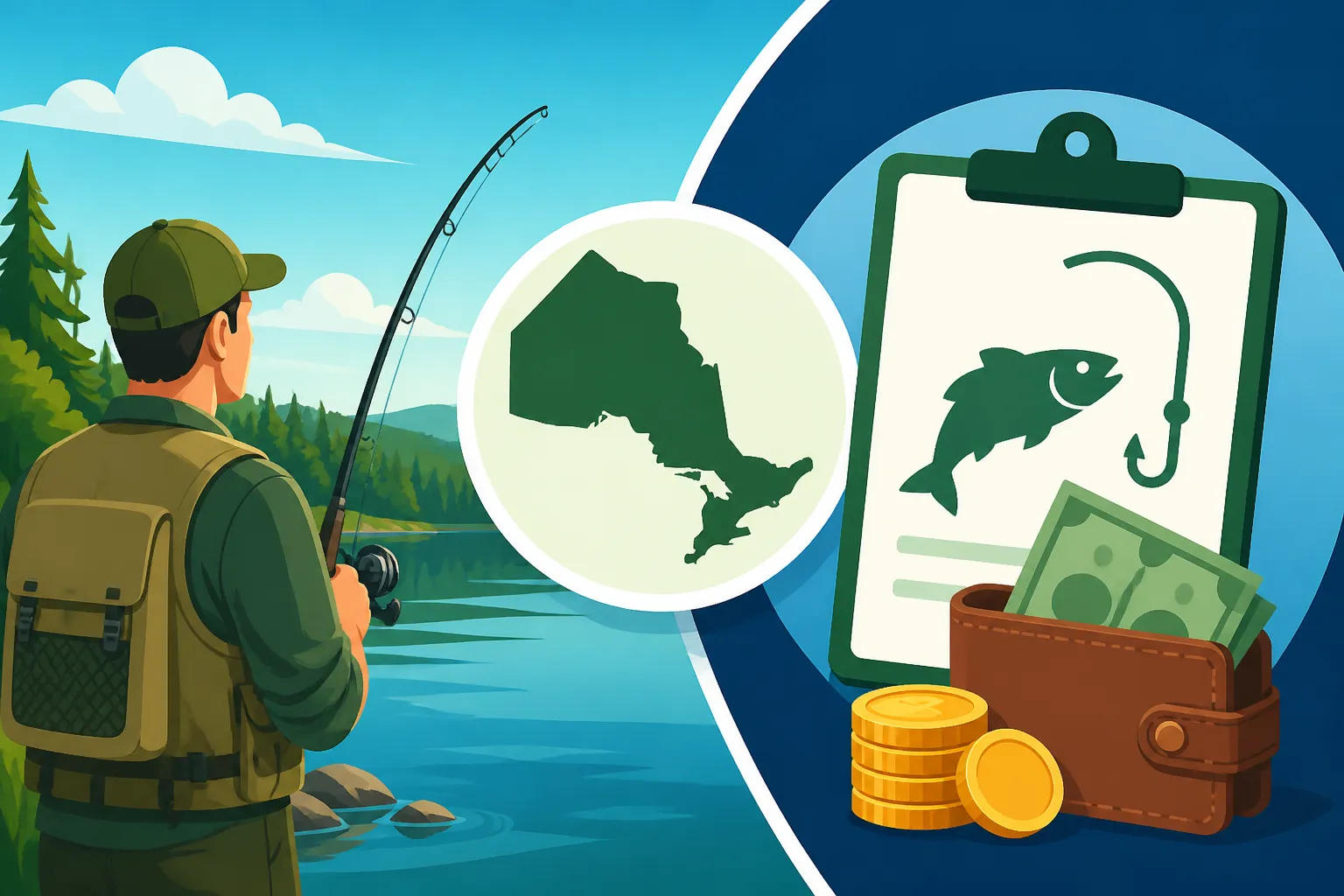
Planning a fishing trip to Ontario from another Canadian province can be incredibly exciting, but the logistics, especially understanding the fishing license requirements and costs, can sometimes feel like navigating a maze. Many anglers assume a Canadian license is just a Canadian license, or that costs will be identical to what Ontario residents pay, leading to frustration and unexpected expenses. This comprehensive guide will meticulously break down everything you need to know about the cost of an Ontario fishing license for Canadian residents living outside of Ontario, ensuring you're fully prepared before you even cast a line.
Understanding the "Canadian Resident (Outside Ontario)" Category
When it comes to fishing licenses, Ontario doesn't just differentiate between residents and non-residents of Canada; it has a specific category for those who call Canada home but reside outside the province's borders. This distinction is crucial and directly impacts both the type of license you need and its associated cost. It's not just a bureaucratic detail; it's designed to manage angling pressure and resource conservation across different user groups.
Who Qualifies as a Canadian Resident from Outside Ontario?
Essentially, if your primary residence is anywhere in Canada other than Ontario, you fall into this category. This means whether you're coming from Quebec, Manitoba, Alberta, or any other province or territory, you'll be classified under the "Canadian Resident (Outside Ontario)" umbrella. The key here is your permanent address. If your driver's license, government-issued ID, or other official documents show an address outside of Ontario, that's where you stand.
This often surprises people who might be spending extended periods in Ontario, perhaps at a family cottage or on a long vacation. Even if you're staying for several months, if your legal domicile remains in, say, British Columbia, you're considered an out-of-province Canadian resident for licensing purposes. It’s important to clarify this before you start your trip, as misrepresenting your residency could lead to penalties, which nobody wants when they're trying to enjoy a peaceful day on the water.
Why This Distinction Matters for Your Fishing Trip
The province of Ontario manages its fisheries resources with care, and part of that management includes different licensing structures for various user groups. For Canadian residents outside of Ontario, the costs are generally higher than what an Ontario resident pays but lower than what an international non-resident would pay. This tiered pricing helps balance access for different groups while contributing to the conservation efforts that benefit all anglers.
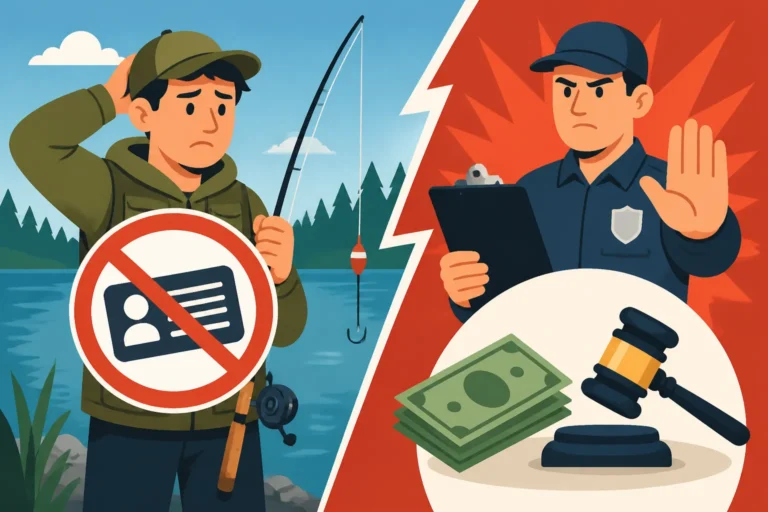
Moreover, understanding this category helps you accurately budget for your trip. You won't be caught off guard by unexpected fees or realize at the last minute that you've purchased the wrong type of license. It also ensures you're adhering to all local regulations, which can be quite complex in a province as vast and diverse as Ontario. Having the correct license is not just a formality; it's a legal requirement that demonstrates your commitment to responsible angling. Without the proper documentation, you could face fines, have your gear seized, or even be banned from fishing in Ontario waters. It's a small but significant detail that can make or break your angling adventure.
Breaking Down the Costs for Your Ontario Fishing License
Navigating the cost structure for fishing licenses in Ontario can feel a bit like a puzzle, especially with the different categories and options available. For Canadian residents outside of Ontario, the process usually involves two main components: acquiring an Outdoors Card and then purchasing the actual fishing license itself. Let's dive into the specifics of these costs.
The Outdoors Card – Your Essential First Step
Before you can even think about buying an actual fishing license in Ontario, you absolutely need an Outdoors Card. Think of it as your angler ID. It's a plastic card issued by the Ontario Ministry of Natural Resources and Forestry (MNRF) that is valid for three calendar years. This card is not your fishing license itself, but rather a prerequisite for purchasing one, and it serves as proof that you've registered with the province as an angler or hunter.
For Canadian residents from outside Ontario, the Outdoors Card has an approximate cost of $8.57, which is the same as what Ontario residents pay. This fee covers the administrative costs of issuing and maintaining your identification on the provincial system. It's a one-time purchase every three years, regardless of how many fishing licenses you buy within that period. Many people mistakenly think the Outdoors Card is the license, but it simply enables you to purchase a license. Make sure you apply for your Outdoors Card well in advance of your trip, especially if you're ordering online, to ensure you receive it or at least have your temporary authorization before you head out. Understanding the nuances of the Outdoors Card is key, and you can learn more about the Ontario Outdoors Card, Explained in detail.
Sport vs. Conservation Fishing License Costs for Non-Ontario Canadians
Once you have your Outdoors Card, you'll choose between a Sport fishing license and a Conservation fishing license. This is a critical decision because it impacts not only the cost but also the fishing regulations you must follow, specifically the catch limits and possession limits.
The Sport fishing license is the more comprehensive option. It typically allows for higher catch and possession limits for various species. For Canadian residents from outside Ontario, an annual Sport fishing license currently costs approximately $54.89. This is the preferred choice for anglers who want to maximize their time on the water and potentially take home a full limit of fish, adhering to the specific limits outlined in the Ontario Bag and Possession Limits by Species guide. It's generally a great option for longer trips or for those who plan multiple visits within the calendar year.
The Conservation fishing license, on the other hand, is a more restricted option, designed for anglers who primarily enjoy catch-and-release or who only want to keep a small number of fish for a meal. The catch and possession limits for a Conservation license are significantly reduced – often half or less than those of a Sport license. For Canadian residents outside of Ontario, an annual Conservation fishing license comes in at roughly $32.40. This is a fantastic, more affordable option for the casual angler or those focused on a sustainable fishing experience. The choice between these two license types is a personal one, depending on your fishing goals, and understanding the full scope of Ontario Sport vs Conservation Fishing License can help you make an informed decision.
Short-Term License Options for Visiting Anglers
Not everyone plans an extended fishing expedition. For those visiting Ontario for a shorter period, perhaps a weekend getaway or a quick stop on a longer journey, the province offers convenient short-term license options for Canadian residents from outside Ontario. These are perfect for those who don't need an annual license but still want to enjoy a few days of fishing.
- 1-Day Sport Fishing License: This is your most flexible option for a brief fishing outing. It's valid for one continuous 24-hour period. For non-Ontario Canadian residents, the cost is approximately $13.62. It's a great way to try out fishing in Ontario without committing to a larger annual fee. You can purchase this license at any authorized vendor or through the online system. This makes it incredibly convenient for spontaneous trips, and it’s good to know the specific Ontario 1-Day Fishing License Cost.
- 3-Day Sport Fishing License: If your trip is a bit longer, say a long weekend, the 3-day Sport fishing license might be a better fit. It provides three continuous calendar days of Sport fishing privileges. The cost for Canadian residents outside Ontario is around $29.74. This offers better value than purchasing three separate 1-day licenses and is ideal for a short vacation or a planned multi-day fishing adventure.
It's important to remember that even with short-term licenses, you still need a valid Outdoors Card. The cost of the Outdoors Card is separate and mandatory. When considering these options, always check the current year's fees on the official MNRF website, as prices can change.
How to Purchase Your Non-Ontario Canadian Resident Fishing License
Purchasing your Ontario fishing license, especially as a Canadian resident from outside the province, is a straightforward process once you know where to go. There are primarily two convenient ways to get your Outdoors Card and fishing license: online or in person.
Online Purchase Through the MNRF Website
The most common and often easiest way to acquire your license is directly through the Ontario Ministry of Natural Resources and Forestry (MNRF) website. Their online portal, known as the Fish and Wildlife Licensing Service, is designed to be user-friendly and accessible 24/7.
Here’s a general rundown of the steps:
- Visit the Official Website: Navigate to the MNRF's Fish and Wildlife Licensing Service portal.
- Create an Account or Log In: If you're a first-time user, you'll need to create an account. This involves providing personal details, including your Canadian residential address outside Ontario. If you already have an Outdoors Card, you can simply log in using your existing details.
- Purchase Your Outdoors Card: If you don't already have one, your first step will be to purchase or renew your Outdoors Card. Remember, this is mandatory before you can buy a fishing license. You'll pay the applicable fee, and a temporary authorization will be immediately available for printing or saving to your mobile device. Your physical card will then be mailed to your address, usually within a few weeks.
- Select Your Fishing License: Once your Outdoors Card is active (even if you just have the temporary version), you can proceed to purchase your fishing license. You'll choose between the annual Sport or Conservation license, or a short-term 1-day or 3-day Sport license. Ensure you select the "Canadian Resident (outside Ontario)" category to see the correct pricing.
- Complete the Transaction: Follow the prompts to complete your purchase using a credit card.
- Print or Save Your License: Upon successful payment, you'll receive a confirmation and a printable version of your fishing license (which will have your Outdoors Card number on it). This digital or printed copy is your valid license until your physical Outdoors Card arrives. It's essential to have this on you while fishing. For more detailed instructions, check out How to Buy an Ontario Fishing License Online.
Many anglers find this online method incredibly convenient as it allows them to purchase licenses before leaving home, avoiding any potential delays or queues once they arrive in Ontario. This is especially helpful if you're traveling a long distance and want to ensure everything is sorted before you even hit the road or the airport.
In-Person at Authorized License Issuers
If you prefer a face-to-face transaction, or if you're already in Ontario and need a license quickly, you can purchase one from any authorized license issuer. These include many ServiceOntario centres, tackle shops, sporting goods stores, and various outfitters across the province.
Here’s what to expect:
- Locate an Issuer: Before heading out, you can use the MNRF's website to find a list of authorized license issuers near your travel destination. This ensures you don't waste time driving around.
- Bring Identification: Make sure you have valid government-issued identification that clearly states your Canadian residential address outside Ontario. This is crucial for verifying your residency status.
- Request Your License: Inform the vendor that you are a Canadian resident from outside Ontario and specify whether you need an Outdoors Card, a Sport or Conservation fishing license, or a short-term option.
- Pay the Fee: You'll pay the applicable fees, often in cash or by debit/credit card, depending on the vendor.
- Receive Your Temporary/Physical Card: The vendor will issue you a printed temporary Outdoors Card and fishing license on the spot. If you're purchasing an annual license, your physical Outdoors Card will be mailed to you later. For short-term licenses, the printed document acts as your full license for its duration.
Purchasing in person can be great for getting immediate assistance if you have questions about specific regulations or need advice on local fishing spots. The staff at many tackle shops are often avid anglers themselves and can provide invaluable insights.
Important Considerations Beyond the License Cost
Getting your license is a crucial first step, but it’s just one piece of the puzzle for a successful and legal fishing trip in Ontario as a non-Ontario Canadian resident. There are several other vital aspects you need to be aware of to ensure your adventure goes smoothly and adheres to all provincial guidelines.
Validity Periods and Expiration Dates
It's easy to assume an annual license means it's valid for a full year from the purchase date, but in Ontario, fishing licenses typically operate on a calendar year system. This means an annual license purchased in July will still expire on December 31st of that same year. For Canadian residents outside of Ontario, this is an important distinction to remember when planning your trips and budgeting.
Your Outdoors Card, however, is valid for three calendar years. So, if you buy it in 2024, it will be valid through the end of 2026. This staggered validity means you might need to renew your fishing license annually while your Outdoors Card remains current. Always double-check the expiration dates on both your Outdoors Card and your fishing license to avoid unknowingly fishing without proper authorization. A lapse in your license could lead to serious repercussions, so setting a reminder for renewal is a smart move.
Understanding Your Zone-Specific Regulations
Ontario is a massive province with incredibly diverse fisheries, and to manage them effectively, it's divided into 20 Fisheries Management Zones (FMZs). Each zone has its own specific set of regulations regarding season dates, catch limits, size restrictions, and even specific methods for certain species. What's legal in FMZ 11 might be entirely different in FMZ 20.
As a non-Ontario Canadian resident, it's your responsibility to know the regulations for the specific waters you plan to fish. Before you even pack your rods, consult the official Ontario Fishing Regulations Summary – it's updated annually and available online or at license issuers. This document is your bible for legal fishing. Pay close attention to:
- Season Dates: When you can legally fish for certain species. For example, Ontario Walleye Opener Dates by Zone can vary significantly across the province.
- Catch & Possession Limits: How many fish of a certain species you can keep (daily limit) and how many you can have in your possession (possession limit), which differs based on whether you have a Sport or Conservation license.
- Size Restrictions: Minimum or maximum sizes for keeping certain fish, often called slot limits, like the Ontario Smallmouth Bass Slot Limits.
- Specific Waterbody Rules: Some lakes or rivers have additional special regulations that override general FMZ rules.
Failing to understand these regulations, even as an out-of-province visitor, is not an excuse for breaking the law. Ignorance can still lead to fines or charges. Always verify the rules for your specific fishing destination.
The Role of an Outdoors Card
While we've touched on the Outdoors Card as a prerequisite for purchasing a license, its role extends beyond just being an ID. It's the central identifier that links you to your fishing (and hunting) history within Ontario's system. When you're checked by a conservation officer, presenting your Outdoors Card alongside your fishing license (whether digital or printed) is standard practice.
It helps the MNRF track angler participation, which in turn aids in making informed decisions about fisheries management. For you, it simplifies future license purchases, as your information is already in the system. Just like ensuring you have the correct Ontario Fishing License Age Requirements, having your Outdoors Card is a non-negotiable part of responsible angling in the province. Keep it safe, carry it with you, and understand that it's an integral part of your legal right to fish in Ontario.
Frequently Asked Questions About Non-Ontario Canadian Fishing Licenses
Even with a detailed guide, a few common questions always pop up, especially for those venturing to Ontario from other parts of Canada to fish. Let's tackle some of these to help clear up any lingering uncertainties.
Can I Get a Multi-Year License?
This is a common question, and the answer, for the fishing license itself, is generally no. Unlike some other jurisdictions, Ontario does not offer multi-year fishing licenses for Canadian residents (whether from within or outside Ontario). Both the Sport and Conservation fishing licenses are typically issued for a single calendar year, expiring on December 31st, regardless of when you purchase them during the year.
However, your Outdoors Card, which is required to purchase a fishing license, is a multi-year document. It's valid for three calendar years. So, while you'll need to purchase a new fishing license each year you plan to fish, your Outdoors Card usually lasts for three seasons before it needs to be renewed. This means you won't have to go through the full application process for the Outdoors Card every single year, just update your fishing license. It streamlines the annual renewal process significantly.
What if I Lose My License?
Losing your fishing license or Outdoors Card while on a trip can be a real headache, but thankfully, there are clear procedures to follow for replacements. The good news is that if you purchased your license online, you can often simply log back into the Fish and Wildlife Licensing Service portal and print another copy of your temporary fishing license and Outdoors Card authorization. This makes it incredibly convenient, especially if you're out in a remote area but can access an internet connection and a printer.
If you can't access a printer or prefer an in-person solution, you can visit any authorized license issuer. They can look up your record in the system using your personal information and issue you a replacement. There might be a small administrative fee for a physical replacement Outdoors Card, but having a digital copy available is often free and the easiest solution. Always ensure you have a valid copy on hand – whether digital or physical – when you are fishing, as conservation officers can request to see it at any time. More details on this can be found under Ontario Fishing License Refund and Replacement Policy.
Are There Any Exemptions for Youth or Seniors?
Ontario does offer some exemptions regarding fishing licenses, which can benefit certain age groups, including Canadian residents from outside the province.
- Youth Exemptions: Children under the age of 18 are generally exempt from needing an Outdoors Card and a fishing license to fish in Ontario. However, they must still abide by the catch and possession limits of the Conservation license, unless they are accompanied by an adult who holds a valid Sport fishing license, in which case they can fish under that adult's Sport fishing limits (but the total catch cannot exceed the single Sport license holder's limit). This is a fantastic initiative to get young people involved in fishing, and it’s important to understand the Ontario Youth Fishing License Exemption Under 18.
- Senior Exemptions: For Canadian residents, the senior exemption applies to Ontario residents aged 65 or older. Unfortunately, this exemption does not extend to Canadian residents from outside Ontario. If you are a Canadian senior visiting from another province, you will still need to purchase an Outdoors Card and a valid fishing license (Sport or Conservation) as outlined in this guide. While some provinces have different rules, in Ontario, the senior exemption is specifically for residents of the province. This is a key distinction that sometimes catches out-of-province seniors by surprise, so it's good to be aware of the specific Ontario Senior Fishing License Exemption at 65 rules.
These exemptions are designed to encourage participation while still managing the resource. Always confirm the most current rules before heading out, as regulations can occasionally be updated.
Comparison of Non-Ontario Canadian Resident Fishing License Costs (Approximate)
Here's a quick overview of the approximate costs for Canadian residents from outside Ontario, to help you plan your budget. Please note that these figures are subject to change and may not include any applicable HST or processing fees, which are usually minor. Always check the official MNRF website for the most current pricing.
| License Type | Validity Period | Approximate Cost (CAD) | Notes |
|---|---|---|---|
| Outdoors Card | 3 Calendar Years | $8.57 | Mandatory for all anglers aged 18-64 |
| Annual Sport Fishing License | 1 Calendar Year | $54.89 | Highest catch & possession limits |
| Annual Conservation Fishing License | 1 Calendar Year | $32.40 | Reduced catch & possession limits |
| 1-Day Sport Fishing License | 24 Consecutive Hrs | $13.62 | Good for short, casual trips |
| 3-Day Sport Fishing License | 3 Consecutive Days | $29.74 | Value option for longer weekends |
(Costs are approximate and subject to change by the Ontario Ministry of Natural Resources and Forestry. Always verify current prices on the official MNRF website.)
Knowing these costs upfront allows you to prepare adequately for your fishing adventure. Don't forget to factor in other trip expenses, like gas, accommodation, food, and maybe even some new fishing gear you spotted online at retailers like Amazon, to make your experience as enjoyable as possible.
Disclaimer
The information provided in this guide is intended for general informational purposes only and is subject to change. While every effort has been made to ensure accuracy, fishing regulations, license costs, and policies are set by the Ontario Ministry of Natural Resources and Forestry (MNRF) and can be updated at any time. It is the responsibility of each angler to consult the most current official Ontario Fishing Regulations Summary and the MNRF's website before engaging in any fishing activities. Compliance with all applicable laws and regulations is mandatory.