Ontario fishing derby permit requirements
Organizing a fishing derby in Ontario can sometimes feel like trying to untangle a particularly stubborn fishing knot – you know it's possible, but the rules can seem convoluted and leave many folks wondering if they even need a special permit. It's a completely valid frustration, especially when your main goal is simply to bring people together for some angling fun, whether it's for charity, community building, or just a friendly competition. This comprehensive guide will cast a line through the complexities of Ontario fishing derby permit requirements, helping you understand when and how to secure the necessary approvals to ensure your event runs smoothly, legally, and without any unexpected snags.
Understanding What Constitutes a Fishing Derby in Ontario
Before diving into the permit requirements, it's crucial to understand how the Ministry of Natural Resources and Forestry (MNRF) defines a "fishing derby." What might seem like a simple gathering of friends to you could be seen as an organized event requiring oversight by the authorities. This distinction isn't always obvious, and it's where many organizers inadvertently run into trouble.
At its core, a fishing derby in Ontario's regulatory sense is typically any organized event that involves competitive angling. This often includes elements like entry fees, prizes (whether monetary or material), a formal weigh-in or scoring system, and public promotion. It’s more than just a casual outing; it’s an event with a structure, a purpose, and often, an incentive for participation beyond the simple joy of fishing.
For example, if you and a few buddies decide to meet at a local lake, put five bucks in a pot for whoever catches the biggest bass, and have a handshake agreement, the MNRF probably isn't going to consider that a "derby" in the formal sense. However, if you advertise this event at local tackle shops, charge a $25 entry fee, offer a brand-new fishing rod (perhaps something you found a great deal on Amazon) as a prize, and have a designated time and place for measuring catches, then you've almost certainly crossed the line into needing a permit.
The intent behind these regulations isn't to stifle community events, but rather to manage fish populations, ensure fair play, and promote conservation. Organized events can concentrate fishing pressure in specific areas and potentially impact fish stocks, especially if they encourage harvesting or target vulnerable species. This is why understanding this foundational definition is your first and most important step.
Do You Really Need a Permit? Navigating the Specific Requirements
Now for the million-dollar question: does your particular fishing event actually require a permit? The short answer for most organized, public-facing, or prize-oriented fishing events in Ontario is a resounding yes. However, there are nuances, and understanding them can save you a lot of headache.
Generally, any event that meets the criteria of a "fishing derby" as described above will require a permit from the local MNRF District Office. This includes, but isn't limited to, charity tournaments, community fishing days with prizes, corporate team-building events involving competitive fishing, and even youth fishing clinics that incorporate a competitive element with awards. The rationale is to allow the MNRF to monitor and manage fishing pressure, ensure compliance with provincial regulations, and uphold conservation principles.
However, there are a few scenarios where a permit might not be necessary:
- Private Gatherings on Private Property: If you're hosting a purely private fishing get-together on your own pond or private lake, with no public advertising, no entry fees, and no formal prizes beyond bragging rights among friends, you likely won't need a permit. The key here is "private" – no public access or participation is implied or invited.
- Informal Family/Friend Outings: As mentioned, a small, informal gathering of family or friends where the competition is purely for fun and informal, without any public element or significant prizes, usually doesn't fall under the derby permit umbrella. Think of it as an escalated day of fishing with your closest circle.
- Catch-and-Release Only Events (with caveats): While catch-and-release events are generally seen as more conservation-friendly, they are not automatically exempt from permit requirements. If your catch-and-release event still has entry fees, significant prizes (perhaps a high-end fish finder also available on Amazon), or is publicly advertised, a permit will almost certainly still be required. The MNRF wants to know about these events because even catch-and-release can stress fish, and they want to ensure best practices for fish handling are followed. You'll still need to be mindful of rules regarding Ontario Catch and Release Only Waters if applicable.
It’s crucial to remember that even if your event doesn't require a specific derby permit, all participants must still comply with general Ontario Fishing Regulations Explained, including having a valid Ontario Fishing License Guide for 2026 and an Ontario Outdoors Card, Explained. They must also adhere to all species-specific rules, such as Ontario Bag and Possession Limits by Species and Ontario Fishing Season Dates by Zone, even if your derby format focuses on catch, measure, and release. Ignoring these fundamental rules can lead to serious consequences, and if you're curious about the repercussions, you can learn more about Fishing Without a License in Ontario: Penalties.
To help you quickly assess whether your event might need a permit, consider the following table of factors:
| Factor | Likely Requires Permit? | Notes |
|---|---|---|
| Entry Fees | Yes | Any monetary charge for participation typically signals a formal event. |
| Prizes (monetary or goods) | Yes | Even small prizes can push an event into requiring a permit, especially if publicly advertised. Consider prizes from places like Amazon for smaller events, but still check permit needs. |
| Public Advertising | Yes | If you're promoting the event through posters, social media, or local newspapers, it's almost certainly considered a public derby. |
| Organized Weigh-in/Scoring | Yes | Formal tracking of catches, length, or weight indicates a competition structure. |
| Non-Private Waterbody | Yes | Fishing on public lakes, rivers, or Crown land definitely requires careful attention to regulations. Even a small event on public waters can draw attention from the MNRF. |
| Large Number of Participants | Likely | While there's no hard-and-fast number, a large gathering increases environmental impact and potential for rule violations, making a permit more probable. |
| Specific Species Targeted | Potentially | If targeting sensitive species, or fishing during critical spawning periods, additional scrutiny or restrictions may apply, even with a permit. |
| Catch & Keep Format | Potentially | Catch-and-release events may have fewer restrictions, but catch-and-keep events, especially with high participant numbers, often require stricter oversight to prevent overharvesting. Even for catch-and-release, permits may still be required if other factors (prizes, entry fees) are present. Many organizers might look for unique trophies on Amazon. |
When in doubt, it is always, always best to contact your local MNRF District Office. A quick phone call can save you a lot of grief and potential penalties down the road.
The Application Process for an Ontario Fishing Derby Permit
So, you've determined your event needs a permit. Don't fret! The application process, while requiring attention to detail, is straightforward once you know the steps. The key is to start early and be thorough.
Step 1: Contact Your Local MNRF District Office
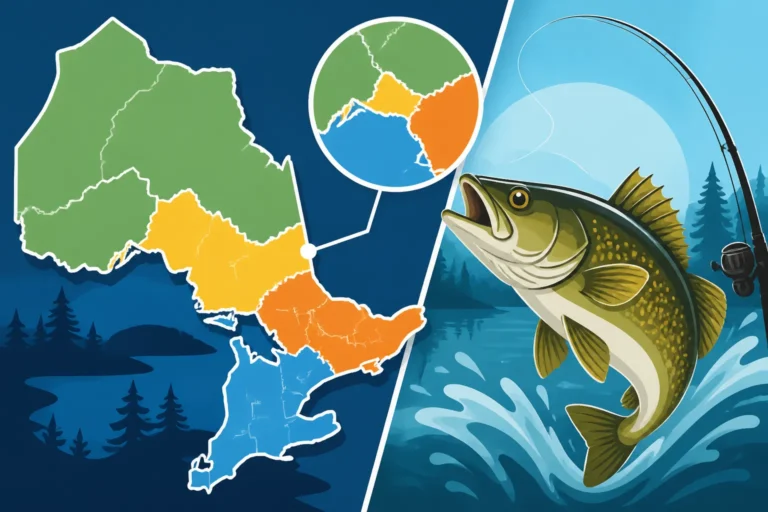
This is your first and most crucial step. The specific requirements and contact persons can vary slightly depending on your fishing location, as Ontario is divided into various Ontario Fisheries Management Zones, Explained. You can usually find contact information for your regional office through a quick online search or by calling the general MNRF inquiry line. They will provide you with the necessary application forms and guidance. Sometimes, they might even have specific forms available on their website or direct you to resources like general event planning guides, which you might also find digitally on platforms like Amazon.
Step 2: Gather Required Information
The MNRF will want a comprehensive understanding of your event. Be prepared to provide:
- Event Details: Proposed dates, times, and alternative dates (in case of conflict or bad weather).
- Location: The specific lake, river, or water body where the derby will take place. If it's within a provincial park, there might be additional considerations.
- Target Species: Which fish species will be targeted? This is important for conservation planning.
- Number of Participants: An estimated number of anglers. This helps the MNRF assess potential fishing pressure.
- Derby Format: Will it be catch-and-release, or catch-and-keep? What are the scoring rules (length, weight, total number)?
- Rules and Regulations: A copy of your derby rules, including any specific guidelines for fish handling, weigh-in procedures, and participant conduct.
- Conservation Measures: What steps will you take to minimize environmental impact and promote fish welfare? This might include requiring specific landing nets, aerated live wells, or promoting specific Ontario Lake Trout Limit and Possession Rules if targeting that species.
- Organizer Contact Information: Full details for the primary organizer(s).
Step 3: Complete the Application Form
Fill out the application form meticulously. Double-check all information for accuracy. Incomplete forms can lead to delays. Be honest and transparent about all aspects of your event.
Step 4: Submit Your Application Well in Advance
This cannot be stressed enough. Don't wait until a few weeks before your event! MNRF offices are busy, and processing permits takes time. A good rule of thumb is to apply at least 2-3 months in advance, especially for larger or more complex derbies. This buffer allows for any back-and-forth questions, adjustments, or unexpected administrative delays.
Step 5: Pay Any Applicable Fees
While many community-based or conservation-focused derby permits might not incur significant fees, some larger commercial events might. The MNRF will advise you of any associated costs during the application process.
Step 6: Review and Understand Your Permit
Once issued, read your permit carefully. It will outline any specific conditions or restrictions for your derby. These might include maximum allowable participants, specific catch limits for the event (which might differ from general Ontario Walleye Daily Limit rules), mandatory catch-and-release for certain species, or requirements for live fish release. Understanding these conditions is crucial for compliance.
Key Considerations and Best Practices for Derby Organizers
Getting the permit is a significant hurdle cleared, but your responsibilities as a derby organizer extend beyond just the paperwork. To host a truly successful and responsible event, you'll want to focus on several key areas.
Participant Compliance and Education
It's your job to ensure every participant understands and adheres to both the provincial fishing regulations and your derby-specific rules.
- Valid Licenses: Emphasize that every angler must possess a valid Ontario Fishing License Guide for 2026 and an Ontario Outdoors Card, Explained. Make it clear whether a Sport or Conservation license is appropriate for your event's format (you can learn more about Ontario Sport vs Conservation Fishing License differences).
- Regulation Briefing: Consider holding a brief pre-derby meeting or providing a handout summarizing key provincial regulations relevant to the species being targeted and the specific waterbody. This includes reminding anglers of Ontario Boating Laws for Anglers, Ontario Pleasure Craft Operator Card Requirement, and Life Jacket Requirements for Ontario Boaters if boats are involved.
- Derby Rules: Clearly articulate all derby rules, including legal fishing methods, minimum/maximum sizes, and any specific catch-and-release protocols. Confusion leads to rule violations, which can reflect poorly on your event and potentially lead to charges for participants.
Environmental Stewardship
Organizing a derby means taking on a leadership role in environmental responsibility.
- Waste Management: Provide ample garbage and recycling bins. Encourage participants to "pack it in, pack it out" and leave no trace. Consider a prize for the participant who collects the most litter, found on the day, if safe to do so.
- Fish Handling: For catch-and-release derbies, instruct participants on proper fish handling techniques to minimize stress and mortality. This includes using knotless nets, promptly releasing fish, and minimizing air exposure.
- Invasive Species: Educate participants about preventing the spread of invasive species by cleaning, draining, and drying their boats and gear.
Safety First
Safety should always be paramount at any outdoor event.
- Emergency Plan: Have a clear emergency plan in place, including contact information for local emergency services, and designated meeting points.
- Weather Monitoring: Monitor weather conditions closely and be prepared to postpone or cancel the event if conditions become unsafe (e.g., severe thunderstorms, high winds).
- First Aid: Ensure there are trained first-aid personnel or kits readily available.
- Boating Safety: If participants are using boats, remind them of essential safety equipment and adherence to all Ontario Boating Laws for Anglers. A simple checklist can be extremely helpful.
Post-Derby Reporting
Depending on your permit, you may be required to submit a post-event report to the MNRF. This typically includes details on total catches, species caught, and any incidents or observations. This information helps the MNRF monitor fisheries and can be a valuable contribution to conservation efforts.
By meticulously planning and responsibly executing your fishing derby, you're not just ensuring a legal and fun event for everyone; you're also setting a positive example for responsible angling in Ontario. Beyond the permits, ensuring participants are properly equipped can make a huge difference. Encourage them to check out essential gear, from rain jackets to landing nets, on platforms like Amazon. If you're hosting a weigh-in, specialized scales and measuring boards can be found easily on Amazon to ensure accuracy. The more prepared and informed you and your participants are, the better the experience will be for all.
Disclaimer
Please note that this guide provides general information about Ontario fishing derby permit requirements. Regulations are subject to change, and specific rules may vary depending on your location and the nature of your event. Always consult the most current official publications from the Ontario Ministry of Natural Resources and Forestry (MNRF) or contact your local MNRF District Office directly for the most accurate and up-to-date information before organizing any fishing derby or event.