Best tippet material for tiny Crown land stream trout
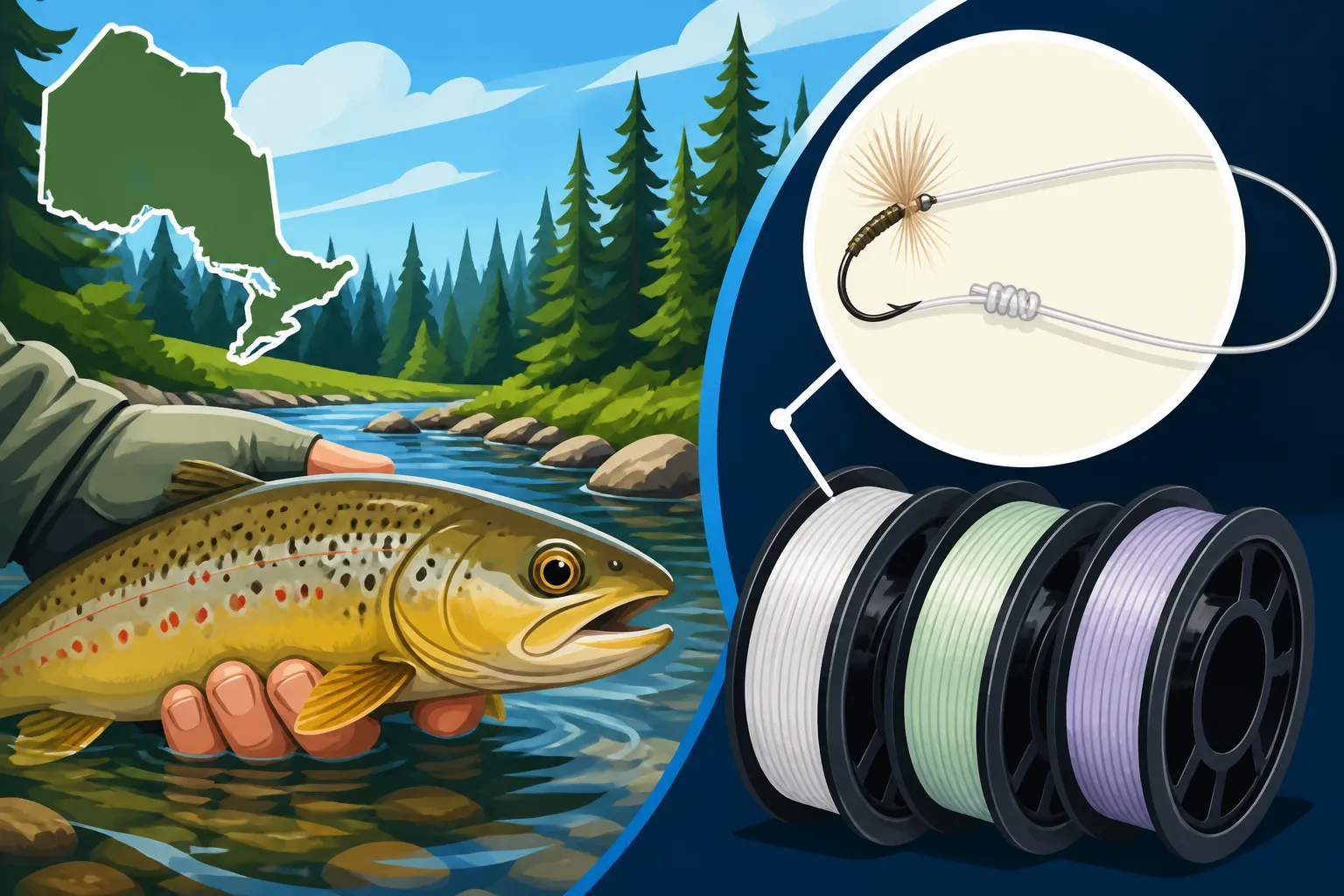
Anglers venturing out to Ontario's countless Crown land streams, particularly those targeting the feisty but often tiny trout that inhabit these pristine waters, know the frustration of a seemingly perfect cast resulting in a spooked fish or a snapped tippet. These wild brook trout and other small species are incredibly wary, demanding a tippet material that offers both stealth and enough strength to handle their quick, spirited fights without being seen. This comprehensive guide will walk you through the nuances of choosing the best tippet material to ensure your presentations are delicate, your knots hold, and you bring more of those elusive stream trout to hand.
Why Your Tippet Choice is Critical for Tiny Trout
When you're chasing trout in those tucked-away Crown land streams across Ontario, where the water is often crystal clear and the fish haven't seen a hundred flies a day, your tippet isn't just a piece of line – it's your stealth cloak. These aren't hatchery-fed, eager eaters; these are wild, often brook trout, that have survived on their wits. They're incredibly sensitive to anything that looks unnatural, whether it's the glint of a thicker line or the splash of a poorly presented fly.
The Spooky Nature of Stream Trout
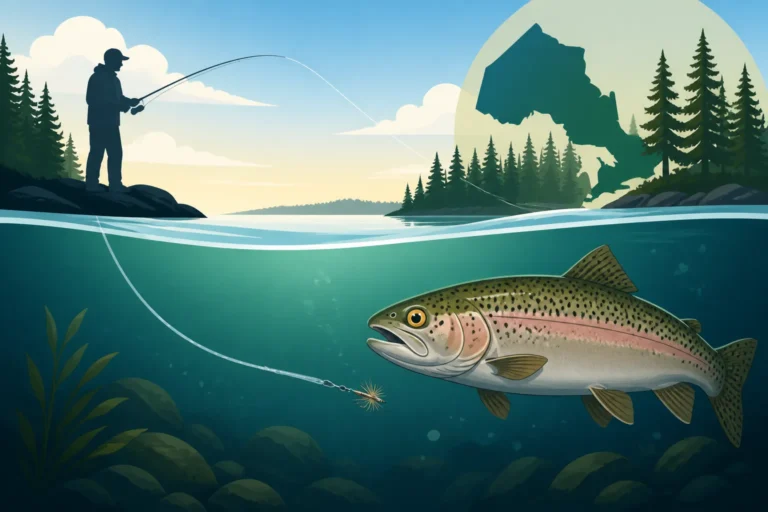
Imagine a small, clear pool in a remote Ontario stream, perhaps up near Algonquin Park or in the Temagami region. The water is pristine, and the trout living there are acutely aware of their surroundings. Any disturbance, any unnatural shadow, or any glint of line can send them darting for cover under a log or rocky overhang. A tippet that's too thick, too stiff, or too visible acts like a giant warning sign. It spooks the fish before your fly even has a chance to tempt them. You need something almost invisible, something that lets your tiny dry fly or nymph drift as naturally as a real insect. This often means going down a size or two in tippet than you might initially think necessary, prioritizing stealth over brute strength.
Delicate Presentations and Natural Drifts
Beyond not spooking the fish outright, the right tippet material allows for a truly delicate presentation. When you're trying to land a tiny size 18 or 20 fly onto the water without a ripple, a supple, thin tippet is your best friend. It minimizes drag, allowing your fly to drift freely with the current, mimicking the natural movement of an insect. A stiff, heavy tippet will cause your fly to drag unnaturally, creating a "wake" that immediately tells the fish, "Danger!" This is especially crucial when fishing dry flies on calm water or when nymphing in slow, clear runs where the fish have ample time to inspect your offering. The goal is to make your fly look like a part of the natural environment, not a bug tied to a rope.
Understanding Tippet Types: Fluorocarbon vs. Monofilament
When it comes to tippet, you'll generally encounter two main types: monofilament and fluorocarbon. Both have their place in an angler's arsenal, but for the specific challenge of tiny Crown land stream trout, understanding their unique properties is paramount. You might find a great selection of both at places like Bass Pro Shops, or readily available for quick shipping from Amazon.
Monofilament Tippet
Monofilament (or "mono") has been the traditional workhorse for fly anglers for decades, and for good reason. It's generally more affordable than fluorocarbon, readily available, and offers a good balance of characteristics.
The Advantages of Monofilament for Stream Trout
- Suppleness and Knot Strength: Monofilament is typically more supple and has a bit more stretch than fluorocarbon. This suppleness can be an advantage when tying tiny flies with delicate knots, as it's more forgiving. Its inherent stretch also provides a small shock absorber, which can be crucial when a feisty brook trout suddenly decides to run or jump, protecting your light leader from snapping. For many small stream applications, the extra give prevents those heartbreaking break-offs.
- Buoyancy: Mono tends to float or at least sink very slowly, making it excellent for dry fly fishing. It helps keep your leader and tippet on the surface, aiding in visibility and allowing your dry fly to ride high without being pulled under by a sinking line. This is a huge plus when sight fishing to rising trout in a glassy pool.
- Cost-Effectiveness: If you're going through a lot of tippet, perhaps due to snagging branches in tight quarters or frequent fly changes, mono is generally easier on the wallet. It's a reliable, all-around choice that still delivers excellent results for many situations, especially with smaller, more forgiving fish.
When Monofilament Might Fall Short
While excellent, monofilament isn't perfect for every situation. Its main drawback for wary fish in clear water is its visibility. Monofilament has a refractive index similar to water, but not identical, meaning it reflects light and can be seen by discerning trout. In incredibly clear, still water, especially on bright days, mono can stand out more than fluorocarbon. It also has a tendency to absorb water over time, which can slightly affect its strength and feel, though for short outings on small streams, this is rarely a major concern.
Fluorocarbon Tippet
Fluorocarbon is a newer material that has gained immense popularity among fly anglers, particularly for nymphing and streamer fishing, but it also has a strong case for delicate dry fly presentations to spooky fish.
The Advantages of Fluorocarbon for Stream Trout
- Near-Invisibility in Water: This is fluorocarbon's superpower. Its refractive index is very close to that of water, making it incredibly difficult for fish to see once submerged. For those ultra-wary trout in pristine Crown land streams, this invisibility can be the game-changer, allowing for presentations that appear entirely natural. If you're nymphing small patterns in clear runs, or even using tiny dry flies on a bright day, fluorocarbon gives you a distinct edge in fooling those easily spooked fish.
- Higher Density and Faster Sink Rate: Fluorocarbon is denser than monofilament, causing it to sink faster. This is invaluable when fishing small nymphs or emergers where you want your fly to get down quickly into the feeding zone without adding extra weight. It means your tiny subsurface fly reaches the fish faster and drifts more naturally at the correct depth.
- Abrasion Resistance: Fluorocarbon is generally more abrasion-resistant than monofilament. This is a significant advantage when fishing around rocky stream beds, fallen logs, or other snags common in wild Ontario streams. It can help prevent break-offs when your line brushes against rough surfaces during a fight or a tough retrieve, saving you from losing that trophy brook trout.
- Lower Stretch and Higher Sensitivity: The reduced stretch of fluorocarbon translates to greater sensitivity. You'll feel those subtle takes much more distinctly, even from the smallest trout lightly mouthing your fly. This improved feedback allows for quicker reaction times, increasing your hook-up ratio, which is crucial when dealing with quick, fleeting strikes common with small stream fish.
When Fluorocarbon Might Be Less Ideal
Fluorocarbon isn't without its downsides. It's typically stiffer and has less stretch than monofilament, which can lead to more knot breakage if knots aren't tied carefully or if there's a sudden, hard strike. You'll want to moisten your knots thoroughly when tying fluorocarbon to ensure they seat properly and maintain their strength. It also tends to be more expensive than monofilament, which can add up if you're frequently re-tying leaders. For dry fly fishing, its tendency to sink means you might need to apply floatant to your leader more regularly to keep it on the surface.
Choosing the Right Tippet Size: X-Ratings and Diameters
Once you've decided between monofilament and fluorocarbon (or perhaps carrying both for different situations), the next crucial step is selecting the correct tippet size. This is where the "X-rating" system comes into play, dictating the diameter and strength of your tippet. For tiny Crown land stream trout, you'll almost always be working with the lighter end of the spectrum.
Understanding the X-Rating System
The X-rating system is a standardized way to denote tippet diameter, and by extension, its breaking strength. The higher the X-number, the smaller the diameter and lighter the breaking strength.
Here's a general guide:
| X-Rating | Diameter (Approx. Inches) | Diameter (Approx. Millimeters) | Breaking Strength (Approx. lbs) | Typical Fly Size |
|---|---|---|---|---|
| 7X | .004 | .10 | 2.5 | 18-24 |
| 6X | .005 | .13 | 3.5 | 16-22 |
| 5X | .006 | .15 | 4.5 | 14-18 |
| 4X | .007 | .18 | 6 | 12-16 |
Note: Breaking strengths can vary slightly between brands and materials (mono vs. fluoro).
For the "tiny Crown land stream trout" scenario, you'll likely be living in the 6X and 7X range, possibly even 8X if you're using extremely small flies or facing exceptionally spooky fish in ultra-clear, calm conditions.
Matching Tippet to Fly Size
The golden rule for tippet selection is to match the tippet size to your fly size. A general guideline is to choose an X-rating that, when added to your fly size number, totals around 10 or 12. For example, if you're fishing a size 18 dry fly, a 6X tippet (18 + 6 = 24) or 7X tippet (18 + 7 = 25) would be appropriate. If you're using a tiny size 22 midge, a 7X or even 8X tippet will allow that fly to behave naturally.
- Too Heavy: Using a tippet that's too heavy for your fly will restrict its natural movement, make it look unnatural, and often cause the fish to refuse it. The fly won't sink correctly (for nymphs) or drift freely (for dry flies).
- Too Light: Conversely, using a tippet that's too light risks frequent break-offs. While you want stealth, you still need enough strength to set the hook and fight the fish without snapping your line. It’s a delicate balance!
When you're dealing with trout in those small, intimate streams, often surrounded by overhanging branches or tight spots where a quick, precise cast is needed, the combination of a well-chosen tippet and a short, accurate cast can make all the difference. Check out Best Fly Rods for Ontario Trout Streams and Best Fly Line for Small Crown Land Streams for more on balancing your entire setup.
Considerations for Water Conditions
The water conditions play a huge role in your tippet choice.
- Clear, Calm Water: This is where you need to go as light and thin as possible. Think 7X or even 8X fluorocarbon for nymphs or tiny dry flies. The fish have all the time in the world to inspect your offering, and visibility is at its highest.
- Stained or Faster Water: If the stream is a bit off-colour after a rain, or if you're fishing faster riffles and runs, you might be able to get away with a slightly heavier tippet, like 5X or 6X monofilament. The reduced visibility and increased current make it harder for fish to scrutinize your line. The extra strength can be beneficial if you hook into a surprisingly large fish in a swift current. You might find a good selection of various tippet spools in a convenient multi-pack at a tackle shop, or even put together your own kit from a reliable online retailer like Amazon.
Tips for Rigging and Presentation
Choosing the right tippet is only half the battle; knowing how to rig it properly and present your flies effectively is equally important for success on Ontario's Crown land streams. These subtle techniques can make a world of difference when chasing those finicky trout.
Tying Reliable Knots
For light tippets, knot strength is paramount. A poorly tied knot can reduce your tippet's breaking strength by 50% or more, leading to frustrating break-offs.
- Leader-to-Tippet Connection: The most common and reliable knot for connecting your tippet to your leader is the double surgeon's knot or the blood knot. Both offer excellent strength and are relatively easy to tie in the field. When tying, ensure you moisten the knot thoroughly before tightening. This lubrication helps the line cinch down without friction, which can weaken the material, especially with fluorocarbon. You want a smooth, consistent tightening to maintain maximum strength.
- Tippet-to-Fly Knot: For tying your fly to the tippet, the improved clinch knot is a classic and highly effective choice. Another popular option is the Davy knot or the Pitzen knot (also known as the 16-20 knot), particularly good for very small flies as it's compact and strong. Again, moisten the knot before pulling it tight. With very light tippet, a strong, small knot allows the fly to move freely and reduces its visible impact. If you're targeting brook trout, which are often in these pristine waters, every detail matters. Learn more about these beautiful fish in Brook Trout in Ontario's Crown Land Lakes.
Leader Construction and Taper
Your tippet is just the end of your leader system. A good tapered leader helps transfer casting energy smoothly from your fly line to your fly, turning over your fly with precision and delicacy.
- Tapered Leaders: Most commercially available leaders are tapered, meaning they start thick at the butt section (connecting to your fly line) and gradually thin down to a fine tip where your tippet attaches. This taper is crucial for smooth casts and gentle presentations. For small stream trout, a 7.5-foot or 9-foot tapered leader ending in 4X or 5X is a good starting point. You'll then add your chosen tippet (e.g., 6X or 7X) to the end of this tapered leader.
- Adding Tippet Sections: It's good practice to add a fresh section of tippet as needed, rather than continually tying flies directly to the end of your tapered leader. This preserves the leader's taper and ensures good turnover. Carry small spools of 6X and 7X (and maybe 5X and 8X) tippet in both monofilament and fluorocarbon. Many anglers use a small tippet holder or C&F Design tippet dispenser for easy access. You can find these essentials at any well-stocked fishing store like Bass Pro Shops.
Mastering Your Casting and Drift
Even with the perfect tippet, a sloppy cast or an unnatural drift will blow your chances.
- Soft Landings: Practice casting to achieve soft, delicate landings, especially with dry flies. Avoid smashing your fly onto the water; aim for a gentle touch down. This is where a proper leader and tippet combination really shines, allowing for that finesse.
- Mending Line: Learn to mend your line to eliminate drag. When fishing nymphs or dry flies, drag is the enemy of a natural drift. By strategically mending your fly line upstream or downstream, you can keep your fly drifting at the same speed as the current, presenting it as naturally as possible. This is particularly important on those small, winding streams where currents can be tricky.
- Stealth and Approach: Remember, these tiny stream trout are easily spooked. Approach the water slowly, stay low, and cast from a distance where you won't cast a shadow over the fish. Your tippet choice is the last line of defense in stealth, but your overall approach often makes the biggest difference. For more insights on fishing specific techniques in Ontario, consider exploring articles like How to fish a wooly bugger for trout or Best nymph rig for freestone streams.
Carrying the Right Gear
Having a variety of tippet materials and sizes readily accessible is key. A small, organized fly vest or pack should include spools of both mono and fluoro in various light X-ratings. A small pair of nippers and a hemostat or forceps are also essential tools for quick fly changes and releasing fish. Sometimes, having the right gear, from your tippet to your waders, can make or break your day on the water. Check out Best Waders for Ontario Trout Streams for related insights.
Ultimately, success with tiny Crown land stream trout comes down to attention to detail. By carefully selecting your tippet material and size, honing your knot-tying skills, and refining your presentation, you'll significantly increase your chances of connecting with these beautiful and challenging fish.
Disclaimer
This article is for general informational purposes only and does not constitute professional advice. Laws, prices and regulations vary by location and change over time. Consult a qualified professional for guidance on your specific situation.