Best chatterbait for early spring bass
Early spring bass fishing in Ontario can be incredibly challenging, leaving many anglers scratching their heads as they struggle to locate and entice active fish in cold, often murky water. Those initial weeks after ice-out, before the bass really settle into their predictable patterns, demand a specific approach and the right tools in your tackle box. This guide is here to unravel the mystery of early spring bass, focusing specifically on why the chatterbait is such a game-changer and how to pick the best one for those finicky, cold-water conditions across Ontario's diverse lakes and rivers.
Understanding Early Spring Bass Behavior in Ontario
When the ice finally recedes from Ontario's lakes and rivers, a new season of fishing begins, but it's far from the predictable summer bite. Bass, both largemouth and smallmouth, are emerging from a long, cold winter, and their metabolism is still quite sluggish. They're not chasing bait with reckless abandon just yet, and understanding their subtle movements and preferences is key to success. Anglers often find themselves fishing seemingly good spots with no luck, purely because they haven't tuned into the bass's early spring mindset.
The Pre-Spawn Puzzle: Where Do They Go?
In early spring, bass aren't thinking about spawning yet; they're primarily focused on recuperating and finding the warmest water available to them. This often means they'll be in transition zones, moving from their deep wintering holes to shallower, sun-drenched areas. Think about north-facing shorelines, protected bays, and shallow flats that receive direct sunlight for much of the day. These spots warm up first, even by a degree or two, and that subtle temperature increase can make all the difference. You'll frequently find them near the first available cover in these warmer zones – things like dying remnants of last year's weeds, submerged logs, rock piles, or even docks. They're often grouped up, so if you find one, there are likely more. Largemouth Bass Fishing in Ontario and How to Catch Smallmouth Bass in Ontario provide excellent insights into their general behaviors, but in early spring, the rules are slightly different.
Water Temperature is Key
I can't stress this enough: water temperature dictates everything in early spring. Bass are ectothermic, meaning their body temperature mirrors the water around them. When the water is cold, their metabolism slows down, making them less aggressive and less willing to expend energy chasing a fast-moving lure. You're typically looking for water temperatures in the low to mid 40s Fahrenheit (around 4-8 degrees Celsius) for the bite to start picking up. As the water creeps into the high 40s and low 50s, they become more active, moving into even shallower feeding grounds. Use a good thermometer to check the surface temperature in various areas. A small difference can indicate a hotspot where bass are congregating. These warmer pockets are essentially comfort zones where they can warm up and ambush easy meals. Knowing Best water temperature smallmouth bass prefer can give you a crucial edge, as even slight variations impact their activity.
Why Chatterbaits Shine for Early Spring Bass
Now that we understand the bass's state of mind in early spring, let's talk about why the humble chatterbait often outperforms other lures during this tricky period. It's not just another vibrating jig; it has a unique combination of attributes that seem to perfectly appeal to lethargic, cold-water bass. When other lures fall flat, a chatterbait can often elicit that crucial reaction strike.
The Unique Action That Triggers Bites
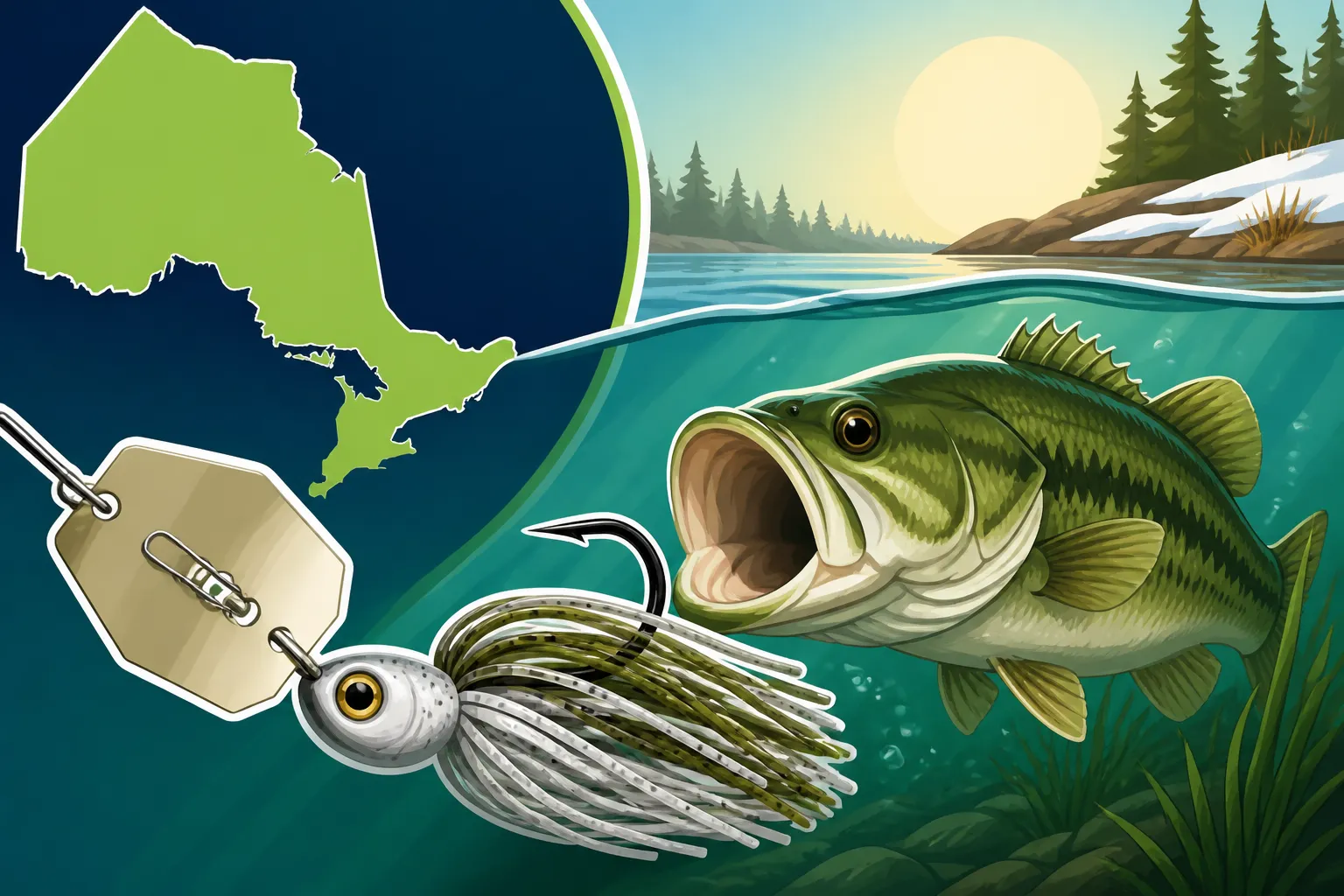
A chatterbait's magic lies in its bladed head, which creates a distinct, erratic vibration that's quite different from a spinnerbait or a lipless crankbait. The blade bangs against the jig head, sending out strong sonic vibrations and a powerful wobble that bass can detect from a distance, even in murky water. This isn't just a consistent thump; it's an unpredictable, almost frantic movement that often mimics a fleeing or injured baitfish. For sluggish bass that might not chase a fast-moving target, this erratic action can trigger an instinctive reaction strike, purely out of irritation or opportunity, rather than aggressive feeding. It's a lure that demands attention without requiring the fish to be in a full-on feeding frenzy.
Versatility in Challenging Conditions
One of the greatest strengths of the chatterbait in early spring is its incredible versatility. Ontario's early spring can throw a lot at you: cold fronts, sudden temperature drops, high winds, and periods of clear or exceptionally stained water. A chatterbait can be effective through varying depths and conditions. It can be fished slowly along the bottom, ripped through submerged vegetation, or even swum higher in the water column when bass are suspended. Its single hook configuration also makes it less prone to snagging in the scattered, dying weed beds or woody cover that early spring bass often relate to. This means more time fishing and less time re-tying, which is crucial when the bite windows can be short. It's a reliable choice when you're unsure exactly where the bass are or what mood they're in.
Top Chatterbait Features for Early Spring Success
Choosing the right chatterbait for early spring isn't just about grabbing any one off the shelf. Certain features make some chatterbaits far more effective when the water is cold and the bass are hesitant. Paying attention to these details can significantly improve your hook-up ratio and put more fish in the boat. Whether you're browsing the aisles at a Bass Pro Shops or scrolling through options on Amazon, keep these characteristics in mind.
Blade Design and Vibration Profile
The blade is the heart of the chatterbait. For early spring, you generally want a blade that creates a strong, distinct vibration, even at slower retrieve speeds. Larger, more aggressive blades can be excellent for displacing a lot of water and calling fish in from a distance, especially in stained water. However, sometimes a slightly smaller, more refined blade might be better if the fish are extremely finicky. The material of the blade can also play a role; some blades are made of thin stainless steel, others from thicker, painted metal, each offering a slightly different sound and vibration. Experimentation is key, but generally, a blade that generates a noticeable "thump" or "clack" is what you're after.
Skirt Colors and Trailer Pairings
Color choice is always a hot topic, and early spring is no exception. With cold, often murky water, natural colors tend to be very effective. Think about imitating local baitfish: shad, perch, or bluegill patterns. Greens, browns, blacks, and natural baitfish patterns with some flash are excellent starting points. Consider pairing your chatterbait with a soft plastic trailer that complements the skirt. For sluggish bass, a paddle-tail swimbait or a straight-tail grub provides a subtle, flowing action that doesn't overpower the chatterbait's vibration. Something that mimics the profile of a small baitfish or crawfish is usually a winner. Avoid overly aggressive or large trailers that might hinder the bait's natural action. A natural green pumpkin or black and blue trailer is a classic combination that rarely disappoints. Best lure color for muddy water walleye fishing principles can often be applied here, as both species react similarly to visual cues in poor visibility.
Weight and Size Considerations
When the water is cold, a slower presentation is often paramount. This means your chatterbait's weight and size are critical. For early spring, I often find myself reaching for lighter chatterbaits, in the 3/8 oz to 1/2 oz range. This allows for a slower retrieve while still maintaining bottom contact or staying in the strike zone longer. If you're fishing extremely shallow flats, even a 1/4 oz can be effective. A smaller overall profile can also be advantageous when bass aren't aggressively feeding, presenting a less intimidating meal. However, if you're fishing larger bodies of water with deeper cover, or in windy conditions, you might need to bump up to a 5/8 oz to maintain control and get to the desired depth. Consider how the bait's size and weight affect its descent rate and how long it stays in the fish's face.
| Chatterbait Weight | Typical Depth Range | Preferred Conditions | Advantages in Early Spring |
|---|---|---|---|
| 1/4 oz | 1-5 feet | Very shallow flats, calm conditions | Very slow retrieve, subtle presentation |
| 3/8 oz | 3-10 feet | Shallow to mid-depths, light wind | Excellent all-rounder, good for slow rolling |
| 1/2 oz | 5-15 feet | Mid-depths, moderate wind or current | Good balance of castability and depth control |
| 5/8 oz | 10-20+ feet | Deeper water, strong wind, current | Reaches depth quickly, maintains contact |
Retrieves and Presentations for Ontario Waters
Having the right chatterbait is only half the battle; knowing how to present it effectively is just as important, especially with moody early spring bass. Your retrieve speed, pauses, and target areas will all play a crucial role in triggering those much-desired bites. Remember, these fish are often lethargic, so subtlety and patience are your best friends.
Slow Rolling and Bottom Contact
This is arguably the most effective retrieve for early spring bass with a chatterbait. The goal is to keep the bait just barely ticking along the bottom or through the tops of any submerged vegetation. Cast your chatterbait out, let it sink to the bottom, and then begin a slow, steady retrieve with your reel. You should feel the blade vibrating and occasionally bumping into cover or the bottom. This slow, methodical presentation mimics a crawfish or a stunned baitfish slowly moving along, making it an easy target for a bass that isn't willing to chase. The constant vibration still calls attention to the bait, but its slow pace allows hesitant fish ample time to inspect and commit. Don't be afraid to let it scrape the bottom, kicking up little puffs of sediment.
Stop-and-Go Tactics
Sometimes, a completely steady retrieve isn't enough to trigger a bite. That's when a stop-and-go retrieve comes into play. Cast your chatterbait out and retrieve it slowly for a few feet, then pause it for a second or two, letting it flutter or fall slightly. Then, continue your retrieve. This erratic action can be just what's needed to trigger a reaction strike from a bass that was following but not committing. The sudden change in direction or momentary "vulnerability" can make it irresistible. Vary the length of your pauses and the speed of your retrieves until you find what the fish are responding to. This technique can be especially effective when bass are relating to specific pieces of cover, giving them a chance to ambush the bait as it pauses nearby. This is a common tactic, similar to how anglers think about Best crankbait retrieve for smallmouth on Georgian Bay but applied to a different bait.
Targeting Specific Structure
In early spring, bass are almost always relating to some form of structure or cover that offers warmth, ambush points, or both. Focus your casts on likely areas: the edges of dying weed lines, submerged timber, rock piles, docks, and even subtle depth changes like small ledges or points. If you're fishing a river, look for eddies, current breaks, and slack water areas where bass can rest out of the main flow. When fishing these spots, make multiple casts from different angles to ensure you cover the area thoroughly. Often, a bass will only strike if the bait comes within a very small strike zone. A sturdy rod and reel combo, perhaps like those discussed in Best Fishing Rods for Ontario Lakes, can help you pull fish out of this heavy cover effectively. Always assume there's a fish tucked away near good cover in those warmer zones.
This often means longer casts and using gear that can handle the occasional snag. Make sure your line is up to the task; while not strictly a chatterbait discussion, the principles of Best Line Weight for Muskie Fishing (focused on strength) can remind you to use a robust main line like braided line with a fluorocarbon leader for abrasion resistance when fishing around heavy cover. When you do get a bite, be ready for it; early spring bass bites can sometimes be subtle "thumps" or simply feel like your lure got hung up. A good Best Tackle Box Setup for Ontario Anglers will also ensure you have a variety of chatterbait options and trailers ready to go for whatever conditions Ontario throws at you.
Disclaimer
This article is for general informational purposes only and does not constitute professional advice. Laws, prices and regulations vary by location and change over time. Consult a qualified professional for guidance on your specific situation.