Ontario Fishing License for Disabled Residents
Navigating the world of fishing regulations can feel like trying to untangle a stubborn knot, especially when you're also managing the unique challenges that come with a disability. It's frustrating to feel like the system isn't always set up with your needs in mind, and figuring out how to get a fishing license that acknowledges your situation shouldn't be another hurdle. This comprehensive guide is here to unravel all those complexities, making it easier for disabled residents of Ontario to understand their fishing license options and enjoy the province's incredible waters.
Understanding Eligibility for Disabled Resident Licenses
When it comes to obtaining an Ontario fishing license as a disabled resident, the first hurdle many people face is simply understanding what qualifies them for special consideration. It’s not always as straightforward as it seems, and the Ministry of Natural Resources and Forestry (MNRF) has specific criteria that need to be met. This isn't just about having a disability; it's about providing the right documentation to prove you meet the provincial standards for an accessible license.
Defining Disability for Licensing Purposes
In Ontario, eligibility for a fishing license designed for disabled residents hinges on demonstrating a "permanent disability" as defined by the province. This isn't a vague term; it typically aligns with the criteria used for other provincial support programs. Generally, you need to be a resident of Ontario and have a disability that significantly limits your ability to perform daily activities or participate in recreational pursuits without assistance or accommodation. This could include a wide range of physical, developmental, or sensory impairments. The key here is "permanent" – meaning it's not a temporary condition like a broken leg that will heal.
For many, the most straightforward way to prove this is if you're already receiving disability support payments from the provincial government, such as through the Ontario Disability Support Program (ODSP). If you're receiving these benefits, your eligibility for the fishing license is often much simpler to establish, as the province already has your disability status on record. However, even if you’re not on ODSP, you might still qualify. The MNRF will usually require a medical certificate or a letter from a qualified medical practitioner, like your doctor or an occupational therapist, clearly stating the nature of your permanent disability and how it impacts your daily living. It’s important that this documentation is clear, concise, and directly addresses the permanent nature of your condition to avoid any delays in your application.
Ontario Residency Requirements for Accessible Licenses
Just like with any other fishing license in the province, to qualify for a disabled resident fishing license, you must first and foremost be an Ontario resident. This might sound obvious, but there are specific legal definitions for residency when it comes to provincial services and licenses, and they're important to understand. Generally, an Ontario resident is someone whose primary residence is in Ontario and who has lived in the province for at least six consecutive months in the past 12 months. This means you can't just be visiting or own a cottage here; your main home and life need to be established within the province's borders.
The MNRF is pretty clear about this, and they have ways of verifying your residency. You'll typically need to provide official identification that shows your current Ontario address, such as a valid Ontario driver's license or a provincial photo card. Utility bills, property tax statements, or even a lease agreement can sometimes be used as supplementary proof of residency. It’s all about ensuring that the benefits of an Ontario fishing license, especially one with special considerations, are directed to those who genuinely call Ontario home. If you're an Ontario Canadian resident (outside Ontario) fishing license cost and thinking about moving here, you’ll need to establish your residency before applying for this particular license type.
License Options for Disabled Anglers
Once you've confirmed your eligibility, it's time to look at the actual license options available to you as a disabled resident. The good news is that the process is designed to be as equitable as possible, ensuring that everyone has the chance to enjoy fishing. Ontario offers different types of fishing licenses, and these distinctions carry over to those with disabilities, often with significant benefits.
Sport vs. Conservation for Disabled Anglers
For disabled residents, the primary distinction you'll encounter is between a Sport Fishing License and a Conservation Fishing License, just like for any other angler. The core difference between these two licenses lies in the catch limits and possession limits they permit. A Sport Fishing License allows you to retain a higher number of fish, typically the full legal limit for each species. It’s designed for those who want to keep some of their catch for personal consumption or perhaps share with family.
On the other hand, a Conservation Fishing License has reduced catch and possession limits. It encourages a more conservative approach to fishing, emphasizing catch-and-release and ensuring sustainable fish populations. For many disabled anglers, particularly those who might prefer a more relaxed fishing experience or are focused on the enjoyment of the sport rather than the harvest, the Conservation license is a fantastic, often more affordable, option. It's a great way to participate fully without the pressure of needing to fill a cooler. Understanding this difference is a key part of the Ontario Sport vs Conservation Fishing License decision-making process for all anglers.
Companion Card Options and Benefits
One of the most significant benefits for disabled anglers in Ontario is the potential availability of a Companion Card. This card is a game-changer for many, as it allows a designated companion to fish alongside the disabled angler without needing their own fishing license. Imagine the relief of not having to worry about an extra license fee for a friend, family member, or caregiver who accompanies you on your fishing adventures. This not only makes fishing more affordable but also more accessible, as it encourages others to come along and provide assistance if needed.
The Companion Card is directly tied to the disabled angler's license. To qualify, the disabled angler must possess a valid Ontario fishing license that includes the designation for a person with a disability. The companion must fish with the disabled angler, meaning they need to be in the same boat, on the same dock, or within a reasonable proximity, actively assisting or participating in the shared fishing experience. This isn't a free pass for your companion to go fishing alone; its purpose is to facilitate the disabled angler's participation. It's important for the companion to carry the disabled angler's valid fishing license and the Companion Card when fishing, as proof of their legal right to fish without an individual license. This thoughtful provision truly enhances the outdoor experience for many, helping to remove barriers to enjoyment.
The Application Process and Required Documentation
Okay, so you've understood the eligibility and the types of licenses. Now comes the practical part: how do you actually get one? The application process is designed to be as straightforward as possible, but like any official procedure, it requires attention to detail regarding documentation. You don't want to show up unprepared and have to make a second trip!
Where and How to Apply for Your License
Applying for your Ontario fishing license, including those with disability considerations, can be done through a few convenient channels. The most popular method these days is online through the Fish and Wildlife Licensing Service portal, which you can access from the comfort of your home. This digital platform allows you to apply, pay, and even print your license or save it digitally to your phone. It's a fantastic option for those who find travel challenging or prefer managing their affairs electronically. For step-by-step guidance, you can refer to our detailed post on How to Buy an Ontario Fishing License Online.
If you prefer a more personal touch or need assistance with the application, you can visit a ServiceOntario Centre. These provincial government offices have staff available to help you navigate the process, answer your questions, and ensure all your documentation is in order. Additionally, many authorized license issuers, such as tackle shops, bait stores, and some sporting goods retailers, are equipped to process fishing license applications. These vendors are often very knowledgeable about local fishing conditions and regulations, making them a great resource. Just be sure to call ahead to confirm their operating hours and that they process the specific type of license you need.
Essential Documentation for Your Application
No matter where you choose to apply, having the correct documentation is absolutely critical. For disabled residents, this goes beyond the standard identification and proof of residency required for any Ontario fishing license. The most important piece of documentation will be proof of your permanent disability. As mentioned earlier, if you are a recipient of the Ontario Disability Support Program (ODSP), you can usually provide documentation of your enrollment in that program. This often acts as sufficient proof of your disability status.
If you are not an ODSP recipient, you will likely need a medical certificate or a letter from a licensed medical practitioner. This document needs to clearly state that you have a permanent disability, as defined by the province, and explain how it affects you. It's not enough for it to just say "disabled"; it needs to be specific enough for the MNRF to assess your eligibility. Ensure the letter is on official letterhead, signed by the medical professional, and dated recently. You’ll also need your Ontario Outdoors Card, which is a prerequisite for purchasing any fishing license in Ontario. If you don't have one, you'll apply for it at the same time. Having all your ducks in a row – your ID, proof of residency, Outdoors Card, and disability documentation – will make the application process much smoother and faster.
Renewing Your Disabled Resident Fishing License
Once you've gone through the process and successfully obtained your disabled resident fishing license, you might be wondering about renewals. The good news is that the renewal process is typically much simpler than the initial application. Your Outdoors Card, which is essential for purchasing any fishing license, usually has a validity period of three years. When you renew your Outdoors Card, you can concurrently purchase your fishing license for the upcoming season or a multi-year period, if offered.
For subsequent renewals, especially if your disability status is permanent and well-documented, you generally won't need to resubmit all the same medical documentation again. The system often keeps a record of your established disability status, streamlining future purchases. However, it's always a good practice to keep copies of all your original disability documentation on hand, just in case there are any system updates or if you're ever asked to provide proof again. Many anglers find the online portal the easiest way to manage renewals, allowing you to quickly purchase your new license and print it or save it to your device. You can learn more about the Ontario Outdoors Card, Explained in our dedicated guide.
The Perks and Practicalities of an Accessible License
Beyond simply getting out on the water, holding a disabled resident fishing license in Ontario comes with a suite of perks and practical considerations that can genuinely enhance your fishing experience. It's about more than just the piece of paper; it’s about the opportunities and support it represents.
Cost Savings and Financial Relief
Let’s be honest, fishing can sometimes be an expensive hobby. Gear, bait, gas, and of course, the license itself, can add up quickly. One of the most tangible benefits of the disabled resident fishing license is the potential for significant cost savings. In Ontario, these specialized licenses are often available at a reduced rate or even, in some cases, free of charge, depending on the specific program or regulations in place at the time. This financial relief can make a real difference, allowing disabled anglers to allocate those savings to other essential fishing expenses, or simply make the sport more affordable and accessible.
The fee structure can vary, so it's always best to check the most current How Much Does an Ontario Fishing License Cost directly on the MNRF website or through a ServiceOntario representative. But generally, the commitment to providing discounted or free options for disabled residents is a clear effort to encourage participation and remove financial barriers. Combine this with the Companion Card benefit, where a caregiver can fish without their own license, and the savings become even more substantial, making fishing a much more attainable pastime for many. This program truly embodies the spirit of inclusivity, recognizing that every dollar saved can mean more time spent enjoying the serenity and excitement of Ontario’s beautiful lakes and rivers.
Enhanced Outdoor Experience and Inclusivity
While cost savings are important, the true value of an accessible fishing license often lies in the enhanced outdoor experience and the feeling of inclusivity it fosters. Knowing that the provincial government has programs specifically designed to support disabled anglers sends a powerful message of welcome and encouragement. It’s about creating an environment where everyone feels valued and has the opportunity to connect with nature, regardless of their physical or cognitive abilities. This can lead to greater confidence, independence, and a stronger sense of belonging within the angling community.
Fishing offers incredible therapeutic benefits, from the calming effects of being by the water to the mental engagement of mastering new techniques. For disabled residents, these benefits can be even more pronounced, providing a much-needed escape, a chance for physical activity, and a pathway to social connection. The existence of these licenses helps break down social barriers, encouraging family and friends to participate, especially with the Companion Card. It’s about making sure that the joy of a tug on the line, the beauty of an Ontario sunrise over the water, or the simple pleasure of a quiet afternoon on a Best Fishing Lakes in Ontario is within reach for everyone.
Special Accommodations and Support Systems
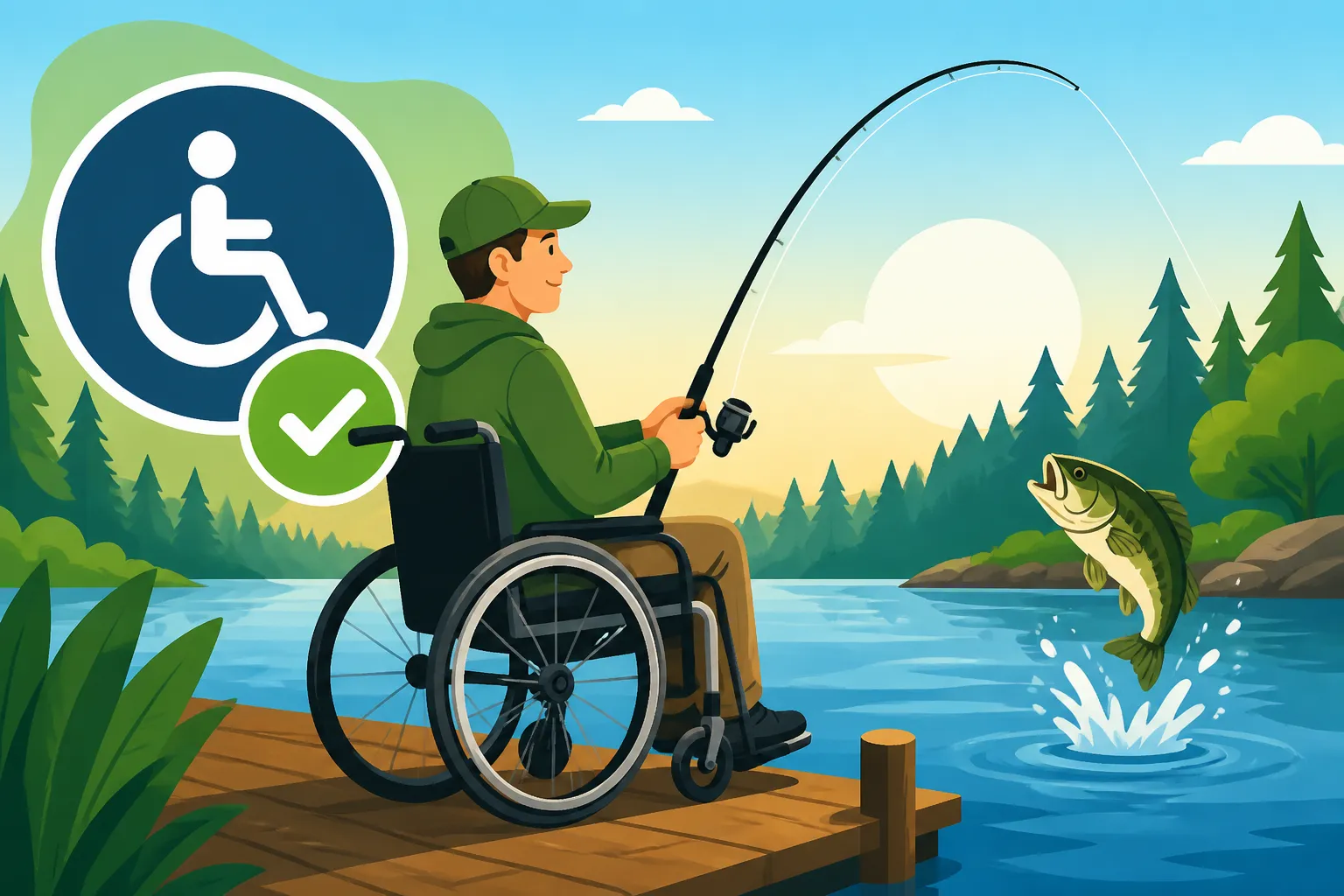
Beyond the license itself, the push for accessibility extends into various support systems and accommodations designed to help disabled anglers. While the license facilitates the legal aspect of fishing, many organizations and initiatives are working to make the act of fishing more comfortable and enjoyable. This can include anything from specialized equipment to accessible fishing piers. For instance, some provincial parks and conservation areas have invested in accessible fishing docks with ramps and railings, making it easier for individuals using wheelchairs or those with mobility challenges to get right to the water's edge.
Moreover, there are adaptive fishing gear innovations that can greatly assist anglers with limited mobility or dexterity. These can range from rod holders that attach to wheelchairs, electric reels that minimize physical effort, or modified handles for better grip. You can often find a wide array of specialized equipment on platforms like Amazon, which are designed to make fishing accessible to a broader audience. Beyond gear, many local fishing clubs and community groups are becoming more inclusive, offering mentorship programs or guided fishing trips specifically for disabled individuals. These networks provide invaluable support, sharing knowledge, tips, and companionship, further enriching the overall fishing experience for disabled residents in Ontario.
Accessible Fishing: Beyond the License
Having your license sorted is just the first cast in the journey of accessible fishing. To truly embrace the sport, it’s vital to consider the broader ecosystem of resources, locations, and equipment that can make your time on the water not just possible, but genuinely enjoyable. The license opens the door, but knowing how to navigate the rest of the landscape is what truly makes the experience.
Finding Accessible Fishing Locations
One of the biggest challenges for disabled anglers can be finding fishing spots that are truly accessible. It’s one thing to have a license, and another entirely to find a lake or riverbank that you can comfortably and safely access. Fortunately, many provincial parks, conservation areas, and even some municipal parks across Ontario have made significant strides in improving accessibility. Look for locations that boast paved paths, boardwalks, accessible parking close to the water, and specially designed fishing piers or docks that accommodate wheelchairs and other mobility aids.
When planning your trip, it’s always a good idea to call ahead to the park or conservation area office to inquire about their specific accessibility features. Websites like the Ontario Parks site often provide detailed information about accessible facilities. For instance, destinations along the Kawartha Lakes Fishing Guide or specific spots like those within the Credit Valley Conservation Authority have made efforts to improve access. Remember that "accessible" can mean different things to different people, so confirming the specifics of ramps, washrooms, and path surfaces is crucial for a stress-free outing. A little research beforehand can save a lot of frustration on the day of your trip.
Adaptive Fishing Gear and Equipment
The world of fishing gear has seen incredible advancements, and adaptive equipment is a prime example of how innovation can break down barriers. If you face challenges with grip, strength, or mobility, there's likely a piece of gear out there designed to help. This can range from simple modifications to sophisticated electronic aids. For example, automatic rod holders can keep your rod steady and even detect bites, allowing you to fish hands-free. Electric fishing reels, once primarily for deep-sea anglers, are now available in lighter models, making reeling in a catch much less physically demanding.
For those with limited hand dexterity, specialized grip aids or larger, easier-to-handle fishing reels can make a world of difference. There are even voice-activated fishing devices for anglers with severe mobility impairments. Don’t be afraid to explore options beyond the traditional tackle shop. Online marketplaces like Amazon often feature a wide selection of adaptive gear from various manufacturers. Furthermore, local disability organizations or occupational therapists can be excellent resources for suggesting specific equipment or modifications that might suit your individual needs. Investing in the right adaptive gear isn’t just about convenience; it’s about empowering you to fish independently and enjoy every moment on the water.
Joining Support Networks and Community Groups
While fishing is often seen as a solitary pursuit, joining a community of like-minded individuals can greatly enhance the experience, especially for disabled anglers. Support networks and fishing clubs offer a fantastic opportunity to share knowledge, find fishing buddies, and discover new accessible spots. Many regions have inclusive fishing groups or chapters of larger organizations dedicated to adaptive outdoor recreation. These groups often organize outings, workshops, and social events, creating a welcoming atmosphere where disabled anglers can feel completely at home.
These communities are invaluable for practical advice, too. For instance, members might share insights on Best Kayaks for Ontario Fishing that are particularly stable or easy to launch for individuals with mobility challenges, or recommend specific Fly Patterns for Ontario Trout Streams that are easier to handle. They can also be a source of information on new accessibility initiatives, upcoming accessible fishing events, or even details on Free and Discounted Fishing License Options in Ontario that might emerge. Connecting with others who understand your challenges and share your passion can build lasting friendships and ensure you never feel alone in your angling journey.
Common Questions and Clarifications for Disabled Anglers
It's natural to have a few lingering questions when dealing with specific license types and regulations. The world of fishing licenses can sometimes feel like a maze, and when you add personal circumstances like disability into the mix, it's easy to get confused. Let’s tackle some of the most frequently asked questions and clear up any misconceptions.
Navigating Companion Card Rules and Responsibilities
The Companion Card is a fantastic benefit, but its rules are often misunderstood. The most common question is: "Can my companion fish without me?" The answer is a definitive no. The Companion Card is strictly valid only when the designated disabled angler is actively fishing alongside their companion. Its sole purpose is to facilitate the disabled angler's participation, not to grant an extra, free fishing license to someone else. If your companion is found fishing without you present, they could face penalties for Fishing Without a License in Ontario: Penalties.
Another common query revolves around who can be a companion. The beauty of the rule is its flexibility: your companion can be anyone – a friend, a family member, a professional caregiver, or even a child, provided they are capable of assisting you if needed. There’s no strict age limit for the companion, though they should be able to understand and follow fishing regulations. It is the disabled angler's responsibility to ensure their companion understands and adheres to all relevant Ontario Fishing Regulations Explained, including catch limits and season dates. The companion is essentially fishing under the disabled angler's license, so any violations committed by the companion would be tied back to that license.
Addressing Out-of-Province Disabled Anglers
A frequent question that arises is whether disabled anglers visiting Ontario from another province or country can also benefit from these special provisions. Unfortunately, the specific disabled resident fishing license and its associated benefits, like the Companion Card, are generally reserved for Ontario residents. As we discussed earlier, proving Ontario residency is a fundamental requirement for this particular license type.
If you are a disabled angler visiting from outside Ontario, you would typically need to purchase a non-resident fishing license. While you wouldn't qualify for the resident-specific disabled license, you would still be subject to the same general rules and opportunities as other non-resident anglers. This includes adhering to non-resident catch limits and purchasing a non-resident Outdoors Card. While it might be disappointing not to access the same discounts, Ontario's waters remain open and welcoming to all anglers. It's always a good idea to check the most current Ontario Fishing License Guide for 2026 for non-resident options and regulations before planning your trip.
Provisional Status and Reassessment Policies
Sometimes, anglers might have a disability that isn't immediately classified as "permanent" but is expected to be long-term, or they might be awaiting official disability status. This brings up questions about provisional licenses or reassessment policies. Generally, the MNRF's framework for disabled fishing licenses is focused on "permanent disability." This means that temporary conditions, even if severe, typically wouldn't qualify for the specialized disabled resident license. The intention is to streamline the process for those with lifelong conditions, reducing the need for repeated reassessments.
However, if your condition is progressive or your disability status changes, it's crucial to understand how this might impact your license. If you initially obtained a disabled resident license based on a condition that was later deemed temporary or if your disability status changes significantly, you should contact ServiceOntario or the MNRF directly. They can provide clarification on whether your eligibility needs to be reassessed. While the system aims for long-term consistency, it's always best to stay informed and ensure your license status accurately reflects your current situation, avoiding any potential issues down the line.
Table: Ontario Fishing License Options for Residents with Disabilities
To help clarify the options and benefits we've discussed, here's a quick overview of what a disabled resident angler can expect in Ontario:
| Feature | Disabled Resident Sport Fishing License | Disabled Resident Conservation Fishing License | Companion Card (Attached to Disabled Angler's License) |
|---|---|---|---|
| Eligibility | Ontario resident with permanent disability | Ontario resident with permanent disability | Available to an accompanying person of a disabled angler |
| Outdoors Card Required | Yes | Yes | Not applicable (companion fishes under disabled angler's license) |
| Catch & Possession Limits | Full legal limits for species | Reduced limits for species (e.g., half of sport) | Follows the limits of the disabled angler's license |
| Cost | Often reduced or free | Often reduced or free | No additional cost to the companion |
| Validity | 1 or 3 years (with Outdoors Card) | 1 or 3 years (with Outdoors Card) | Valid only when fishing with the disabled angler |
| Proof of Disability | Required (e.g., ODSP confirmation, medical certificate) | Required (e.g., ODSP confirmation, medical certificate) | Disabled angler provides this for their license |
| Purpose | General fishing with higher harvest potential | Sustainable fishing with lower harvest potential | Facilitates disabled angler's participation by allowing an assistant to fish without their own license |
This table provides a snapshot, but remember to always consult the official Ontario Fishing Regulations Summary for the most up-to-date and specific details regarding limits and regulations.
Disclaimer
The information provided in this guide is intended for general informational purposes only and does not constitute legal advice. While we strive to provide accurate and up-to-date information, fishing regulations and licensing policies in Ontario can change. Always consult the official Ontario Ministry of Natural Resources and Forestry (MNRF) website, the current Ontario Fishing Regulations Summary, or a ServiceOntario Centre for the most precise and current information before engaging in fishing activities. Compliance with all provincial and federal regulations is the responsibility of the individual angler.