Ontario non-resident youth fishing license exemption rules
It's completely understandable to feel a bit lost when trying to figure out Ontario's fishing regulations, especially when it comes to non-resident youth. The rules can seem like a tangled mess of age limits, residency definitions, and license types. This guide is here to untangle all that, giving you a clear picture of when a non-resident youth needs a fishing license in Ontario and, more importantly, when they don't.
Understanding Non-Resident Status in Ontario Fishing Regulations
Before we dive into the specifics of youth exemptions, it's crucial to understand what "non-resident" actually means in the eyes of Ontario's fishing regulations. It's not always as straightforward as it seems, and getting this wrong can lead to unnecessary complications or even fines.
Defining "Non-Resident" for Fishing Purposes
In Ontario, a "non-resident" for fishing license purposes is generally defined as anyone who is not ordinarily resident in Ontario for seven consecutive months of the immediately preceding twelve-month period. This also extends to anyone who is not a Canadian citizen or a permanent resident of Canada who has resided in Canada for at least 12 months immediately preceding the time of applying for a license.
What does this mean in practical terms? It means if you're visiting from the United States, or even from another Canadian province like Quebec or Manitoba, you're considered a non-resident. This distinction is important because the cost, types of licenses available, and the rules that apply to you and anyone fishing with you (including youth) are different from those for Ontario residents. For example, if you're planning a trip to the Kawartha Lakes Fishing Guide area from Michigan, you and your family would fall under the non-resident category.
Why Residency Matters for Fishing Licenses
The primary reason residency matters so much for fishing licenses boils down to management and funding. Ontario's fisheries are a valuable natural resource, and the revenue generated from license sales helps fund critical conservation programs, enforcement, fish stocking, and research carried out by the Ministry of Natural Resources and Forestry (MNRF). Residents often pay lower fees as they also contribute to provincial taxes.
For non-residents, the license fees are typically higher, reflecting their temporary use of the resource without contributing to the ongoing tax base that supports these programs. This difference in fees ensures that everyone who enjoys Ontario's incredible fishing opportunities contributes fairly to its sustainability. Understanding this distinction is the first step in ensuring you're compliant, which can prevent unexpected costs or legal issues during your trip. You can find more comprehensive details on general fishing rules in the Ontario Fishing Regulations Explained article.
The Core Non-Resident Youth Fishing License Exemption
Now, let's get to the heart of the matter: when do non-resident youth need a license, and when are they exempt? Ontario's regulations are designed to encourage young people to get involved in fishing, but there are specific conditions that must be met for non-resident youth to fish without their own license.
Age Limits and Conditions for Exemption
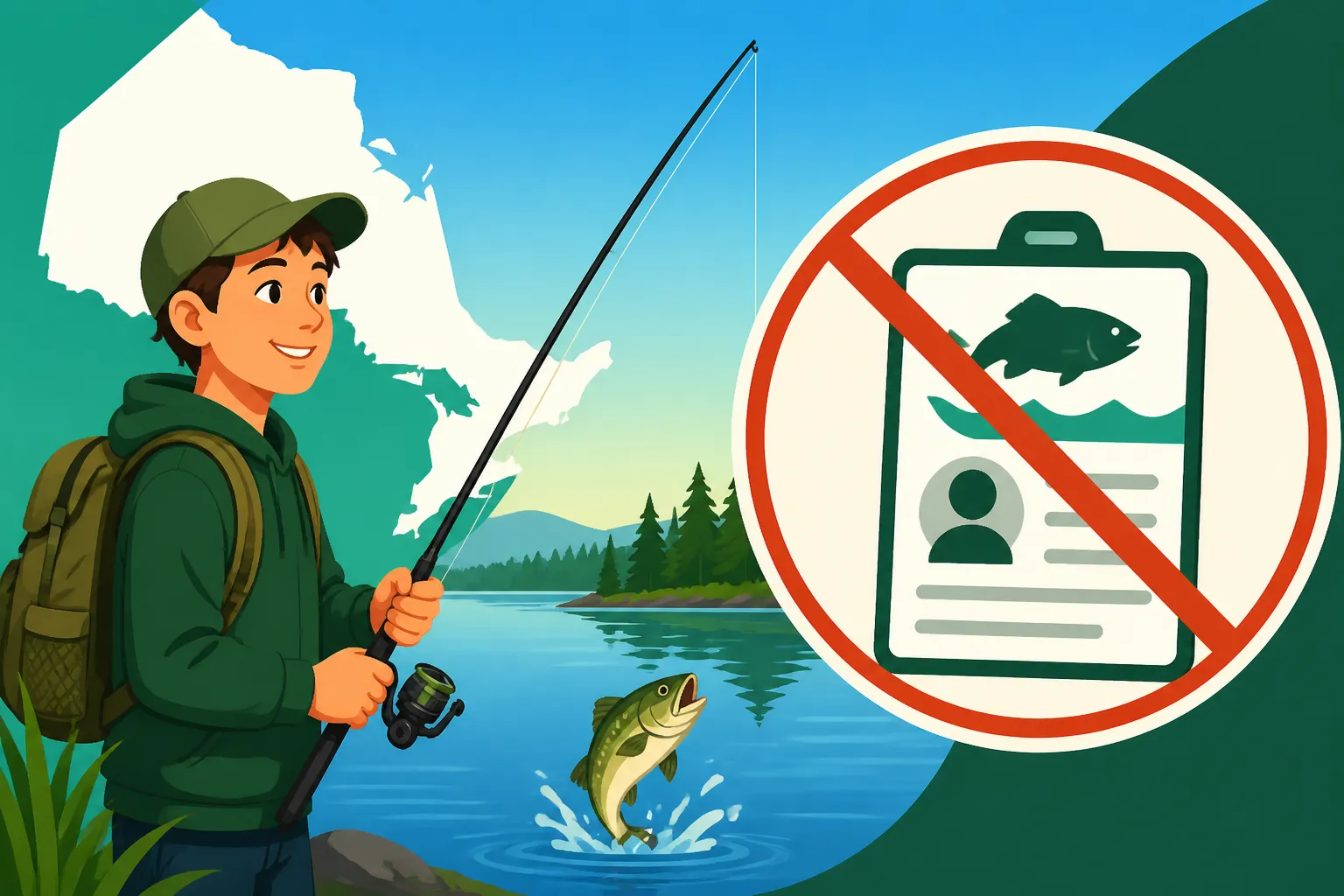
The good news for families visiting Ontario is that non-resident youth under 18 years of age generally do not need their own fishing license or Outdoors Card, provided they meet a few key conditions. This is a fantastic way to introduce kids to the joys of fishing without the added expense or paperwork for every child.
The critical condition for this exemption is that the non-resident youth must be accompanied by an adult who holds a valid Ontario fishing license. "Accompanied" means they must be actively fishing together, staying within sight and sound of each other. It’s not enough for the adult to simply be on the same lake; they need to be actively supervising and fishing alongside the youth.
Furthermore, any fish caught by the unlicensed non-resident youth must be included within the accompanying adult's daily catch and possession limits. This means the total number of fish kept by the adult and the youth combined cannot exceed what the adult's license permits. For example, if the adult's limit for walleye is two, and the youth catches one, the adult can only keep one more walleye. This is a really important detail that many people overlook, leading to potential over-limit violations. Always be mindful of the Ontario Bag and Possession Limits by Species for the waters you're fishing.
When a Non-Resident Youth Does Need a License
While the exemption is generous, there are specific situations where a non-resident youth will need their own fishing license. It’s crucial to understand these exceptions to avoid any trouble on the water.
Firstly, if a non-resident youth under 18 wants to fish on their own, without a licensed adult accompanying them, they must purchase their own non-resident fishing license and obtain an Outdoors Card. This applies even if they're just fishing off a dock at a cottage property or a resort while the adults are doing something else. The exemption is strictly tied to being accompanied and supervised by a licensed adult.
Secondly, if the non-resident youth's catch, combined with the accompanying adult's catch, would exceed the adult's bag limits, then the youth would need their own license to have their own separate limits. This scenario might come up if you're having an exceptionally good day on a lake known for its abundant fish, like Lake Erie Walleye Fishing. If your child wants to keep more fish than your license allows, they’d need their own.
Lastly, the exemption ties the youth's fishing activities directly to the adult's license type and the specific regulations that apply to that adult. If the adult's license doesn't cover certain species or specific fishing zones, the youth cannot legally fish for those species or in those zones under the exemption. For instance, if the adult holds a license valid only for specific Ontario Fisheries Management Zones, Explained, the youth's fishing is restricted to those same zones.
Navigating License Types and Accompanied Fishing
Understanding the nuances of the adult's license type is just as important as knowing the youth exemption rules. The type of license the accompanying adult holds directly impacts the fishing opportunities and limits for the unlicensed non-resident youth.
Sport vs. Conservation License Implications
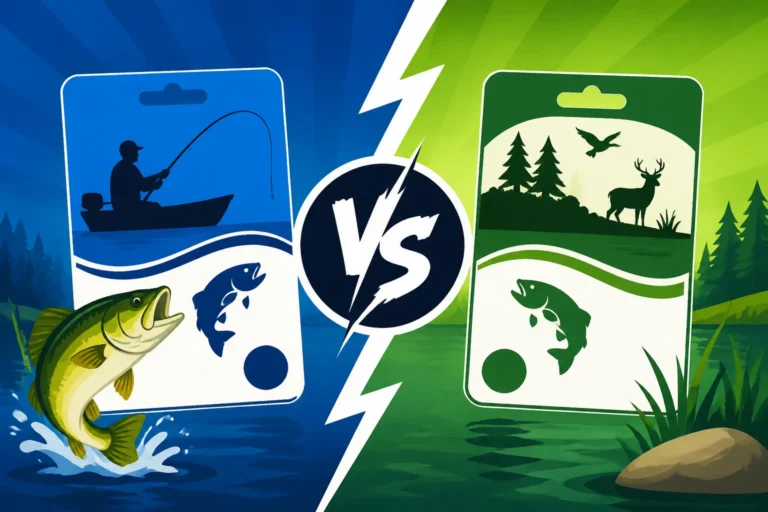
In Ontario, adult anglers have two main choices for their fishing licenses: a Sport Fishing License or a Conservation Fishing License. The key difference lies in the bag and possession limits. A Sport Fishing License typically allows for higher limits, while a Conservation Fishing License has reduced limits, encouraging more catch-and-release practices and providing a conservation-minded approach.
When a non-resident youth is fishing under the exemption, their combined catch with the adult cannot exceed the limits specified by the adult's license. So, if the accompanying adult has a Conservation Fishing License, the total number of fish kept by both the adult and the youth will be considerably lower than if the adult had a Sport Fishing License. This is a critical point to discuss with your fishing party, especially if you plan to keep any fish. For a detailed breakdown, check out our guide on Ontario Sport vs Conservation Fishing License.
For instance, on a day out walleye fishing on Lake Nipissing Walleye Fishing, if the adult has a Conservation license with a limit of two walleye, the combined total for both adult and youth cannot go over two. If the youth catches a walleye, the adult can only keep one more. This highlights the importance of the adult choosing the license that best suits their (and the youth's) fishing goals for the trip.
Practical Tips for Fishing with Unlicensed Non-Resident Youth
Fishing with kids should be a fun and memorable experience, not a source of stress over regulations. Here are some practical tips to ensure you stay compliant while making the most of your time on the water with unlicensed non-resident youth:
- Communicate Clearly: Before you even cast a line, have a conversation with the youth about the rules. Explain that any fish they catch will count towards your limit. This helps them understand the importance of responsible angling and avoids disappointment if a fish needs to be released because the limit has been reached.
- Keep Track of Catch: It's a good idea to visibly separate the fish caught by the youth from those caught by the adult, perhaps in different sections of a cooler or livewell, while always remembering they all count towards the adult's limit. This helps in keeping an accurate tally throughout the day.
- Have Your License Handy: Always ensure the accompanying adult's valid Ontario fishing license (and Outdoors Card) is easily accessible. If a Conservation Officer stops you, you'll need to present it. Whether you carry a printed copy or a digital version on your phone, make sure it's valid and readily available. Information on Printing or Carrying a Digital Fishing License in Ontario can clarify your options.
- Consult the Regulations Summary: Before heading out, always review the most current Reading the Ontario Fishing Regulations Summary. These summaries are updated annually and are available online or as free pamphlets at license vendors. They provide detailed information on specific rules for different species, fishing zones, and seasons. Many anglers even pick up supplementary guidebooks from places like Amazon that summarize regulations for popular fishing areas.
- Focus on the Experience: While limits are important, remember that for many youth, the joy is in the act of fishing itself. Emphasize the experience of being outdoors, learning new skills, and connecting with nature.
| Non-Resident Youth Fishing Scenario | License Required? | Additional Notes |
|---|---|---|
| Youth under 18, accompanied by licensed adult, catch within adult's limit | No | Adult must have a valid license and Outdoors Card. Youth must be within sight/sound. Combined catch cannot exceed adult's limits. |
| Youth under 18, fishing alone | Yes | Youth must purchase their own non-resident license and Outdoors Card. |
| Youth under 18, accompanied by licensed adult, combined catch exceeds adult's limit | Yes | If the youth wishes to keep fish beyond the adult's limit, they need their own license and Outdoors Card. |
| Youth 18 or older, fishing with or without accompaniment | Yes | All non-residents aged 18 and older require their own valid license and Outdoors Card. |
Beyond the Basics: Important Considerations for Youth Anglers
Beyond the strict license requirements, there are other crucial aspects to consider when bringing non-resident youth fishing in Ontario. These often revolve around safety, education, and planning for future fishing adventures.
Safety and Education for Young Anglers
Introducing youth to fishing is a wonderful opportunity to teach them about respect for nature, responsible outdoor practices, and personal safety. Regardless of whether they have a license, these lessons are paramount.
- Life Jacket Requirements: This is non-negotiable. Anyone on a boat in Ontario needs access to an appropriately sized, approved life jacket or PFD. For youth, it's often best that they wear it at all times while on the water. Familiarize yourself with the Life Jacket Requirements for Ontario Boaters to ensure everyone is safe. You can find a wide range of youth life jackets and PFDs on Amazon, often with varying levels of buoyancy and comfort.
- Boating Safety: If you're using a boat, teach youth about basic boating etiquette, how to safely move around the vessel, and what to do in an emergency. It’s also wise to review general Ontario Boating Laws for Anglers before your trip.
- Responsible Angling: Emphasize catch-and-release techniques, especially for fish that are out of season, undersized, or if you've reached your limit. Teach them how to properly handle fish to minimize stress and injury before release. Using barbless hooks can also aid in easier, safer releases.
- Environmental Stewardship: Encourage youth to leave no trace. This means packing out all trash, not littering fishing line, and respecting wildlife and natural habitats. This sets them up to be good stewards of the environment for years to come. Many great books on outdoor ethics and responsible angling can be purchased from Amazon to help educate young minds.
Future Licensing and Outdoors Card
The exemption for non-resident youth is a fantastic way to ease them into fishing, but it's important to remember that it has an age limit. As they grow older, the rules will change, and planning ahead can make future trips much smoother.
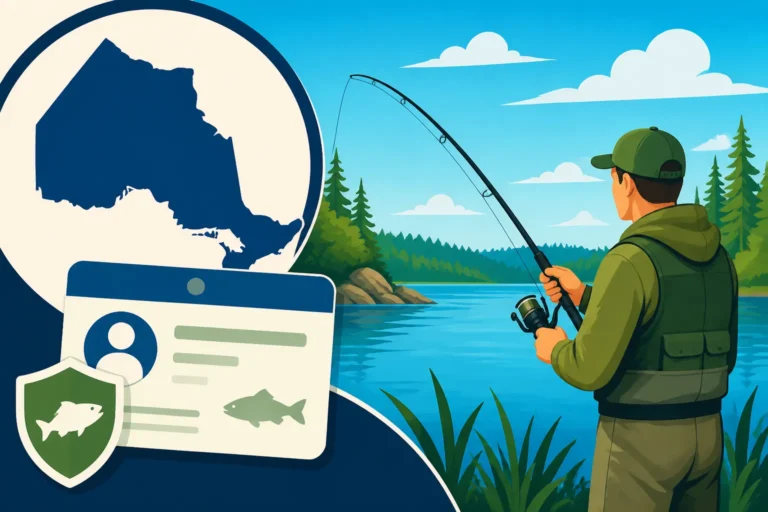
Once a non-resident youth turns 18 years of age, they are no longer eligible for the exemption and must obtain their own valid non-resident fishing license and an Outdoors Card before they can legally fish in Ontario. The Ontario Outdoors Card, Explained is a plastic identification card, similar to a driver's license, that you must have to purchase a fishing license. It's valid for three years, and you'll need to renew it when it expires.
When the time comes for them to purchase their own license, they'll have the option of either a one-day, annual, or multi-year non-resident fishing license. Details on the costs can be found in articles like Non-Resident Annual Fishing License Cost in Ontario or Ontario 1-Day Non-Resident Fishing License Cost. The process is generally straightforward and can often be done online through the Ontario government's website or in person at authorized license vendors across the province.
By understanding these rules and planning ahead, you can ensure that your non-resident youth anglers have many years of enjoyable and compliant fishing experiences in Ontario's beautiful waters.
Disclaimer
The information provided in this guide is for general informational purposes only and does not constitute legal advice. Fishing regulations in Ontario can change, and it is the angler's responsibility to consult the most current official Ontario Fishing Regulations Summary before engaging in any fishing activities. Always adhere to local rules and regulations set by the Ontario Ministry of Natural Resources and Forestry.