Ontario walleye opener date for FMZ 18 in 2026
It's incredibly frustrating when you're trying to plan that perfect walleye fishing trip, only to find yourself sifting through endless regulations, trying to pinpoint a simple opener date for a specific zone. The good news is, you've landed in the right spot. This comprehensive guide will clear up all the confusion, providing you with the confirmed walleye opener date for Fishing Management Zone (FMZ) 18 in Ontario for 2026, along with crucial details to ensure your trip is legal and successful.
Understanding Fishing Management Zone 18
Before we dive into the exact dates, it's essential to grasp what a Fishing Management Zone, or FMZ, truly is and why it matters so much to your angling plans. Ontario is a vast province, and its diverse aquatic ecosystems mean that fish populations, particularly highly sought-after species like walleye, vary greatly from one region to another. To manage these fisheries effectively and ensure sustainability, the province is divided into 20 distinct Fishing Management Zones. Each zone has its own set of specific regulations, including different season dates, catch limits, and size restrictions, all tailored to the local fish populations and environmental conditions.
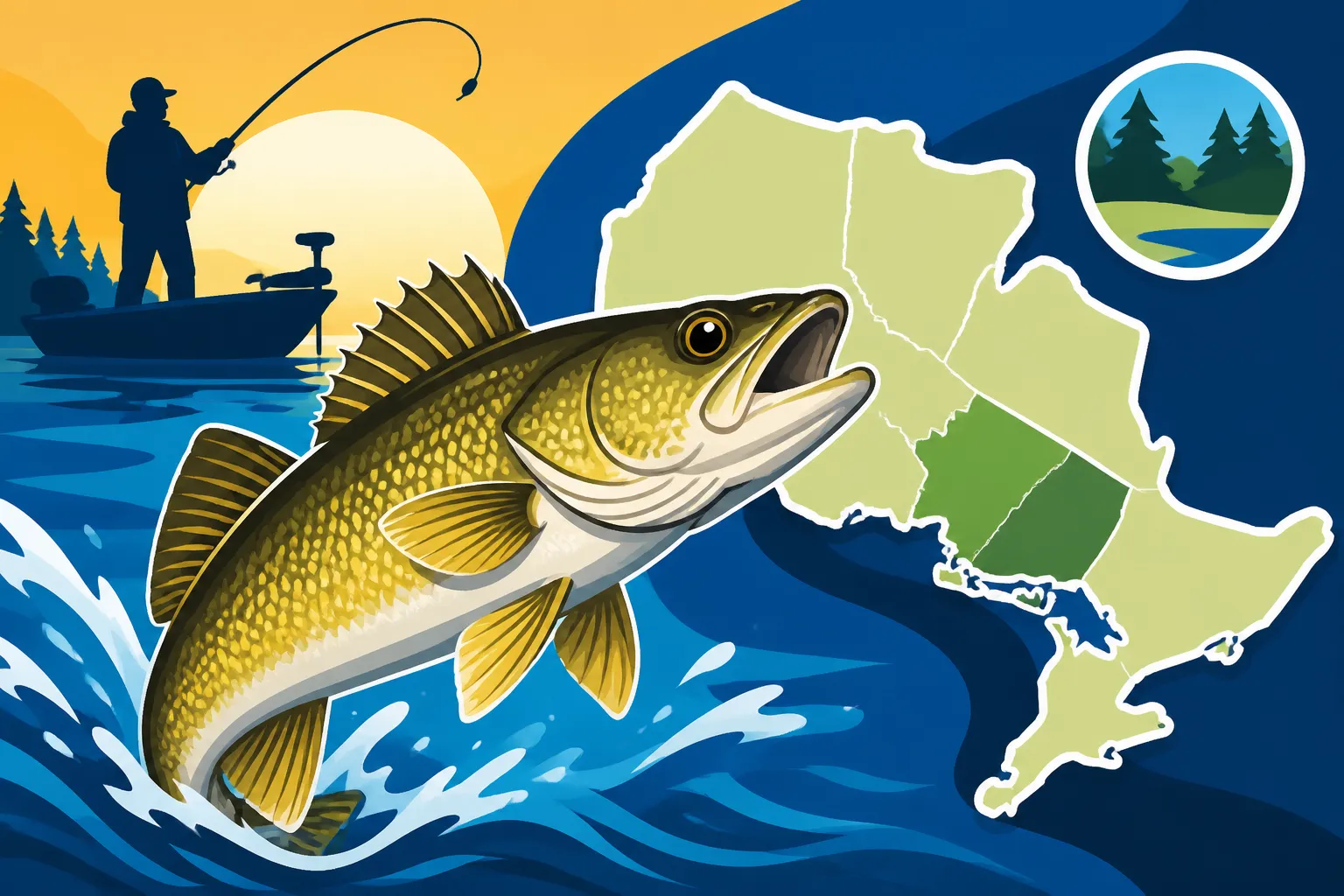
FMZ 18, often referred to as the "Southwestern Ontario Zone," covers a significant portion of southwestern Ontario. This zone includes major bodies of water such as the Canadian side of Lake Erie, Lake St. Clair, and the Detroit River, along with their associated tributaries. It also encompasses numerous smaller inland lakes and rivers throughout the region, stretching from the tip of the Bruce Peninsula down to the Windsor area and across to the Niagara Region. The diverse habitats within FMZ 18, ranging from the shallow, warm waters of Lake St. Clair to the deeper, expansive waters of Lake Erie, support a robust walleye population, making it a prime destination for anglers. Understanding the boundaries and characteristics of your chosen FMZ is the first critical step in ensuring you comply with all local rules. If you're looking for a broader overview, our guide on Ontario Fisheries Management Zones, Explained can provide even more context.
The Official 2026 Walleye Opener for FMZ 18
When it comes to planning your ultimate walleye adventure, knowing the exact opening date is paramount. For Fishing Management Zone 18, the walleye season typically opens on the first Saturday in May. Looking ahead to 2026, this means the official walleye opener date for FMZ 18 will be Saturday, May 2, 2026.
This consistent opening date is a vital part of Ontario's fisheries management strategy. The timing is carefully chosen to protect walleye during their critical spawning period, which usually occurs in early spring as water temperatures begin to rise. By delaying the season opener until after the peak spawning activity, the Ministry of Natural Resources and Forestry (MNRF) aims to allow walleye populations to successfully reproduce, ensuring healthy numbers for future generations of anglers. It's a delicate balance between providing angling opportunities and safeguarding the species. While regulations can occasionally see minor adjustments, this May 2nd date is widely anticipated and generally consistent for FMZ 18. Always remember to double-check the most current official Ontario Fishing Season Dates by Zone published by the MNRF closer to the date, just in case of any unforeseen changes. For those particularly interested in walleye across the province, our comprehensive guide on Ontario Walleye Opener Dates by Zone offers a full breakdown.
Beyond the Date: Key Walleye Regulations in FMZ 18
While the opener date is crucial, it's only one piece of the regulatory puzzle. To truly enjoy your walleye fishing experience in FMZ 18 without any unwelcome surprises from conservation officers, you need to be intimately familiar with the other critical rules governing walleye in this zone. These regulations are designed to protect the fishery and ensure sustainable harvesting.
Bag and Possession Limits
Understanding the difference between bag and possession limits is fundamental for any angler in Ontario. The "bag limit" refers to the number of fish of a particular species you can keep in one day, while the "possession limit" is the total number of fish of a particular species you can have on your person, in your cooler, in your vehicle, or in your freezer at home, at any given time. Your possession limit cannot exceed your daily bag limit multiplied by the number of days you've been fishing, up to a maximum defined by your license type.
For walleye in FMZ 18, these limits are directly tied to the type of fishing license you hold:
- Sport Fishing License: Typically, a Sport Fishing License allows for a higher daily bag and possession limit. For walleye in FMZ 18, this often means you can keep a certain number of fish, usually around four or six, with a specific number permitted to be over a certain size.
- Conservation Fishing License: A Conservation Fishing License has reduced limits, designed for anglers who primarily practice catch and release or only wish to keep a small meal of fish. For walleye in FMZ 18, the limit is usually two fish, with specific size restrictions, none of which can be of a larger size category typically allowed on a Sport License.
It's critical to know which license you have and adhere strictly to its corresponding limits. Exceeding these limits, even accidentally, can lead to significant fines. For a detailed breakdown of province-wide limits, refer to our guide on Ontario Bag and Possession Limits by Species, and for clarification on license types, check out Ontario Sport vs Conservation Fishing License.
Size Restrictions and Slot Limits
Beyond just numbers, walleye in FMZ 18 are often subject to size restrictions, commonly known as "slot limits." These regulations aim to protect specific size classes of fish, typically the larger, more reproductively mature individuals, while allowing for the harvest of smaller, more abundant fish.
For example, a common slot limit might allow you to keep walleye that are under a certain length (e.g., under 18 inches) and one walleye over a certain length (e.g., over 23 inches), but none in the "slot" in between. The exact measurements for FMZ 18 can fluctuate, but the principle remains the same: measure your fish carefully! Always carry a reliable measuring tape or board on your boat or with you on shore. If a fish falls within a protected slot, it must be immediately and carefully released. This management technique helps maintain a healthy age structure within the walleye population, ensuring a good balance of young, growing fish and large, spawning adults. These specific details are outlined clearly in the annual Ontario Fishing Regulations Summary.
Special Regulation Waters
It's a common misconception that once you know the rules for an FMZ, you're good to go for every body of water within it. However, this isn't always the case. Within FMZ 18, as with other zones, there are certain lakes, rivers, or even specific stretches of water that are designated as "Special Regulation Waters." These areas have their own unique rules that supersede the general FMZ regulations.
For instance, a particular lake known for its trophy walleye might have a catch-and-release only policy, or an even stricter slot limit than the rest of the zone. A river might have a shorter season or different bait restrictions. These special regulations are put in place for various reasons, such as protecting vulnerable populations, managing unique genetic strains, or facilitating research. Ignoring these localized rules, even unknowingly, is not an excuse for non-compliance. Therefore, before you cast a single line in any specific body of water within FMZ 18, always consult the "Exceptions to the Zone Regulations" section in the current Ontario Fishing Regulations Summary. Our article on Special Regulation Waters in Ontario provides more general information, but the summary is your ultimate source for hyper-local rules. Make it a habit to look up your specific fishing spot every year when planning.
Essential Preparation for Your FMZ 18 Walleye Opener
With the walleye opener date confirmed for May 2, 2026, and a clearer understanding of the regulations in FMZ 18, now it’s time to shift your focus to getting everything ready for that exciting first cast of the season. Being prepared means more than just having the right gear; it’s about ensuring you’re legally compliant and ready for a safe and enjoyable experience on the water.
Licensing Requirements
Let's start with the absolute basics: your fishing license. You cannot fish for walleye in Ontario without one, unless you fall under specific age exemptions (like those under 18 or seniors over 65). Every angler 18 years of age or older and under 65, who is an Ontario resident, Canadian resident outside of Ontario, or a non-resident of Canada, needs a valid fishing license.
Your Ontario fishing license comes in two parts: your Outdoors Card and your actual fishing license tag. The Outdoors Card is a plastic photo ID card that is valid for three calendar years. It’s essentially your identification as a licensed angler in Ontario. Once you have an Outdoors Card, you then purchase fishing license tags, which can be valid for one year, three years, or a shorter duration like a one-day license. For the avid angler, a three-year license can be very convenient. You can purchase your Outdoors Card and fishing license conveniently online through the Fish and Wildlife Licensing Service, in person at a ServiceOntario location, or from authorized license issuers such as bait shops and tackle stores. Don't leave this to the last minute! Ensure your license is valid and readily accessible before you head out. Our comprehensive Ontario Fishing License Guide for 2026 is a fantastic resource, as is the detailed explanation of the Ontario Outdoors Card, Explained. If you're wondering about the various ways to acquire your license, check out Where and How to Buy an Ontario Fishing License.
Recommended Gear and Techniques
The walleye opener in early May can present a variety of conditions, from crisp, sunny days to chilly, rainy ones. Walleye during this post-spawn period can be found transitioning from their spawning grounds to deeper feeding areas, often relating to structure or baitfish concentrations. Having the right gear and knowledge of appropriate techniques will significantly boost your chances of success.
For early season walleye in FMZ 18, consider these essentials:
- Rods and Reels: Medium-light to medium power spinning rods (6'6" to 7'6") with sensitive tips are ideal for detecting subtle walleye bites. Pair them with reliable spinning reels spooled with 8-15 lb braided line, often with a fluorocarbon leader for stealth.
- Lures and Baits:
- Jigs: Finesse jigs (1/4 oz to 3/8 oz) tipped with soft plastic swimbaits, grubs, or live bait like minnows or worms are highly effective. Bright colors (chartreuse, orange, white) or natural colors (green pumpkin, black) can all produce.
- Crankbaits: Trolling or casting lipless crankbaits or shallow to medium-diving crankbaits can be great for covering water and locating active fish. Rapala, Berkley, and Storm are popular brands you can find on sites like Amazon, offering a wide array of options.
- Blade Baits: For vertical jigging over structure, blade baits can trigger aggressive strikes.
- Live Bait: Minnows, nightcrawlers, and leeches are classic walleye baits that often out-produce artificials, especially in colder water. Always check local regulations on bait use.
Focus on techniques like slow-trolling crankbaits along breaklines, drifting with jigs and live bait over humps and points, or casting jigs to shallow rock piles. For more in-depth advice on what tackle to bring, our guide on Best Tackle for Ontario Walleye is a must-read, and you can learn effective strategies in Spring Walleye Fishing Techniques for Ontario.
Safety and Respecting the Resource
Beyond licenses and lures, safety and ethical angling practices are paramount. Boating safety is a serious concern, especially on large bodies of water like Lake Erie or Lake St. Clair, where conditions can change rapidly. Always wear your life jacket, ensure you have all required safety equipment on board, and check the weather forecast before heading out. Our guide on Ontario Boating Laws for Anglers provides essential information to keep you safe and compliant on the water.
Furthermore, practice responsible angling. Adhere strictly to catch and possession limits, handle all fish gently, especially those you intend to release, and minimize your impact on the environment. Pack out everything you pack in, and leave no trace. Protecting Ontario's incredible natural resources ensures that these world-class walleye fishing opportunities will be available for everyone for generations to come.
Walleye Limits in FMZ 18: Sport vs. Conservation
To help clarify the differences between license types and their respective walleye limits in FMZ 18, here's a quick summary. Remember, these are general guidelines, and the Ontario Fishing Regulations Summary is the definitive source for current, precise numbers.
| License Type | Daily Catch Limit (Walleye) | Possession Limit (Walleye) | Key Restriction/Note |
|---|---|---|---|
| Sport Fishing License | Typically 4 | Typically 4 | Often includes a maximum size restriction for 1 fish, e.g., only 1 over 60 cm (23.6 in). |
| Conservation Fishing License | Typically 2 | Typically 2 | Often includes a maximum size restriction for both fish, e.g., none over 60 cm (23.6 in). |
Always remember to measure your fish accurately. If you're unsure about the length, it's always best to release it to avoid any potential penalties.
Disclaimer
The information provided in this guide is intended for general informational purposes only and is based on current understanding of Ontario's fishing regulations. While we strive to ensure accuracy, regulations can change. It is the angler's sole responsibility to consult the official and most current Ontario Fishing Regulations Summary published by the Ontario Ministry of Natural Resources and Forestry (MNRF) before heading out to fish. Failure to comply with regulations may result in fines or penalties.