Ontario Aurora Trout closed lakes for 2026
It’s a truly disheartening feeling to finally plan that perfect fishing trip, maybe even dreaming of a rare catch like the Aurora Trout, only to discover that your chosen lake is closed. This isn't just a minor inconvenience; it can derail months of anticipation and planning. In Ontario, the majestic Aurora Trout is subject to very specific and often rotational closures designed for its protection, and knowing which lakes are off-limits for 2026 is crucial for a compliant and successful angling adventure. This comprehensive guide will walk you through everything you need to know about these special conservation measures, helping you understand the 'why' behind them and where to find the most current information for the upcoming season.
The Enigmatic Aurora Trout and Its Conservation Story
The Aurora Trout isn't just any fish; it's a true gem of Ontario's natural heritage, a unique and beautiful subspecies that holds a special place in the hearts of dedicated anglers. Understanding its rarity and the intense efforts to conserve it is key to appreciating why certain lakes are subject to these periodic closures.
A Glimpse into the Aurora Trout's Rarity
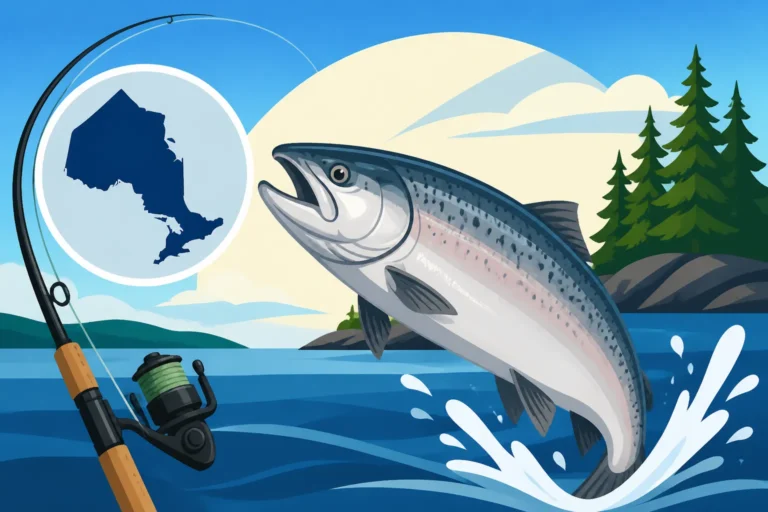
Imagine a brook trout, but with a striking, almost iridescent silver-pink hue, distinct from the more common greens and reds. That's the Aurora Trout. Scientifically, it's a naturally occurring, genetically distinct strain of brook trout (Salvelinus fontinalis timagamiensis), found exclusively in a very limited number of high-acid, nutrient-poor lakes in the Lady Evelyn-Smoothwater Provincial Park area, specifically near Gamble Lake and White Pine Lake in northeastern Ontario. It was first discovered in the early 20th century and immediately recognized for its unique beauty and limited range.
Unlike many other trout species, Aurora Trout have a very specific set of habitat requirements. They thrive in these isolated, cold, and acidic waters, which unfortunately also makes them incredibly vulnerable to environmental changes, particularly acid rain. For decades, pollution threatened their very existence, pushing them to the brink. Thanks to dedicated conservation efforts, including water quality improvements and a highly structured stocking and management program, these incredible fish have been brought back from the edge. This precarious history is precisely why their management is so meticulous and why special rules, like lake closures, are put in place.
The Importance of Protecting a Unique Genetic Strain
The Aurora Trout's survival isn't just about having fish in a lake; it's about preserving a unique genetic lineage that has adapted over millennia to its specific environment. This genetic purity is invaluable for scientific study and for maintaining biodiversity. If these populations were to interbreed extensively with other brook trout strains or succumb to environmental pressures, a truly one-of-a-kind piece of Ontario's natural heritage would be lost forever.
Conservation efforts focus on several fronts:
- Habitat Protection: Ensuring the water quality and surrounding environment of their native lakes remains pristine.
- Genetic Purity: Carefully managing stocking programs to prevent hybridization and maintain the distinct Aurora Trout genetics.
- Population Monitoring: Regular surveys to assess population health, growth rates, and spawning success.
- Angling Management: This is where the rotational closures come in, designed to provide periods of complete rest for the fish populations, allowing them to reproduce and grow without angling pressure. It’s a delicate balance, but one that is absolutely necessary to ensure future generations can experience the thrill of encountering this rare species.
Understanding Rotational Closures: A Conservation Cornerstone
When you hear about a lake being closed for fishing, especially for a specific species, it can feel like a personal affront, especially if you had your heart set on that particular spot. However, these rotational closures are not arbitrary; they are a scientifically-backed strategy, a critical tool in the ongoing battle to ensure the long-term survival of the Aurora Trout.
The 'Why' Behind Lake Closures
The primary reason for rotational closures in Aurora Trout lakes is to provide vital periods of uninterrupted recovery and reproduction for the fish populations. Think of it like rotating crops in a field to allow the soil to regenerate; the same principle applies here, but for a delicate fish species.
Here's how it generally works:
- Reduced Angling Pressure: Even with strict catch-and-release rules, any angling activity puts stress on fish. Closures remove this stress entirely, allowing fish to feed, grow, and spawn naturally without disturbance.
- Population Rebuilding: Aurora Trout populations, though recovering, are still considered vulnerable. Closing lakes for a season or two allows younger fish to mature and contribute to the spawning cycle, boosting overall numbers. This also means when a lake reopens, there's a higher chance of encountering healthy, vibrant fish.
- Maintaining Genetic Health: By managing which lakes are open and closed, the Ministry of Natural Resources and Forestry (MNRF) can closely monitor the genetic health of different populations, ensuring they remain distinct and robust. This approach is a cornerstone of Ontario's broader Ontario Fisheries Management Zones, Explained strategy.
- Adaptation to Environmental Factors: If a particular lake experiences specific environmental challenges, such as a localized shift in water chemistry or a temporary drop in baitfish populations, a closure can provide the necessary respite for the ecosystem to rebalance.
The ultimate goal of these closures is sustainable fisheries management – not just for today, but for decades to come. It’s a necessary sacrifice for a species that is truly unique to Ontario.
How Closures Impact Anglers and the Ecosystem
For anglers, a closed lake can be genuinely frustrating. You've scouted your spot, maybe even invested in specialized gear, and then BAM – it's off-limits. It's a real bummer, no doubt about it. However, the long-term benefits far outweigh the short-term inconvenience. When these lakes eventually reopen, they offer a much healthier, more vibrant fishery with potentially larger and more numerous Aurora Trout.
From an ecological perspective, these closures are a lifeline. They ensure that Ontario doesn't lose a part of its natural heritage. The health of the Aurora Trout also serves as an indicator of the overall health of these unique, sensitive lake ecosystems. Protecting them helps safeguard the delicate balance of these pristine wilderness areas.
While your initial reaction might be disappointment, understanding that you're contributing to a vital conservation effort can help shift your perspective. Plus, it's a great excuse to explore other incredible fishing opportunities Ontario has to offer. Perhaps you could research Best Fishing Lakes in Ontario that are currently open, or dive into Walleye Fishing in Ontario or Muskellunge Fishing in Ontario in different zones.
Navigating Aurora Trout Lake Closures
When it comes to planning your fishing adventures for Aurora Trout, the critical thing to remember is that these closures are rotational and subject to annual review. What was open last year might be closed next, and vice-versa.
Confirmed Closed Lakes for 2026 and What to Expect
As of mid-2024, the specific list of Aurora Trout closed lakes for the 2026 fishing season is not yet officially released. The Ministry of Natural Resources and Forestry (MNRF) typically publishes the new Ontario Fishing Regulations Summary annually, usually in late fall or early winter of the preceding year (e.g., the 2026 regulations would likely be available in late 2025). This is the definitive source for all regulations, including specific lake closures for Aurora Trout.
However, based on historical patterns and the rotational management strategy, we can expect that a select number of lakes within the Aurora Trout's management area will be designated as closed. These closures are implemented on a cycle, often with lakes being closed for one or two full fishing seasons (January 1st to December 31st) to allow for full recovery. Common lakes that are part of this rotational system include those within the Lady Evelyn-Smoothwater Provincial Park, such as Borealis Lake, Wilderness Lake, and the surrounding system.
Key takeaway:
- Anticipate Closures: Be prepared for some lakes to be closed. It's a standard part of Aurora Trout management.
- Official Release: The official list will come out with the next Ontario Fishing Regulations Summary. Do not rely on outdated information or social media posts alone.
- Rotational Nature: Don't be surprised if lakes that were open in 2024 or 2025 are closed in 2026, and vice versa. This is the very essence of the rotational system.
For instance, if you're planning a trip, checking the official regulations is as important as having the right gear. And speaking of gear, if you find yourself needing to adapt your fishing plans to other species due to a closure, remember that Amazon has an incredible array of tackle options, from fly fishing gear to casting setups for pike and bass.
Planning Your Trip Around the Rotational System
So, how do you plan effectively when the specific 2026 closure list isn't out yet? It requires a bit of foresight and flexibility.
- Consult Past Regulations: While not definitive for 2026, looking at previous years' Ontario Fishing Regulations Summary can give you an idea of which lakes are part of the rotational system and what the typical closure patterns look like. This can help you identify high-risk lakes that are often included in the rotation.
- Delay Final Bookings (if possible): If you're specifically targeting Aurora Trout in a remote lodge or arranging a guide, try to hold off on final, non-refundable bookings until the 2026 regulations are published. Communicate your needs to outfitters; they are usually well-versed in these rotational systems and can offer advice.
- Have Backup Plans: This is crucial. Instead of fixating on one particular Aurora Trout lake, research several potential locations or even entirely different species. If your primary Aurora Trout spot is closed, you can pivot to a fantastic brook trout lake in Crown land, or perhaps try for lake trout, knowing their Ontario Lake Trout Limit and Possession Rules beforehand.
- Embrace Exploration: Use the closure as an opportunity to discover new waters. Ontario has an incredible number of lakes and rivers. A bit of research into Best Fishing Lakes in Ontario or Best Fishing Rivers in Ontario can open up a world of possibilities you might not have considered before. You might even find some hidden gems for Brook Trout in Ontario's Crown Land Lakes that aren't under the same intense scrutiny as the Aurora Trout waters.
- Stock Up on Versatile Gear: If you're unsure which lakes will be open, having a versatile setup can be a lifesaver. A medium-light spinning rod suitable for trout, pike, and even smaller bass means you're ready for more scenarios. You can always find a wide range of versatile fishing gear on Amazon to build out your tackle box for various species.
Staying Ahead: Resources for Up-to-Date Information
The key to a successful and legal fishing trip in Ontario, especially when dealing with unique species like the Aurora Trout, is having the most current information. Relying on old regulations or hearsay can lead to disappointment or, worse, penalties for non-compliance.
The Official Ontario Fishing Regulations Summary
This document is your absolute bible for fishing in Ontario. The Ontario Fishing Regulations Summary is published annually by the Ministry of Natural Resources and Forestry (MNRF) and details all the rules, limits, and season dates for every fishing zone in the province.
Here's why it's so important for Aurora Trout:
- Definitive Source: It will contain the official list of Aurora Trout closed lakes for the 2026 season once published. There's no other source that supersedes it.
- Zone-Specific Information: While Aurora Trout have specific rules, the summary also explains the broader Ontario Fishing Season Dates by Zone and Ontario Bag and Possession Limits by Species, which are vital for any fishing trip.
- Accessibility: You can usually find the latest summary online as a PDF download on the Ontario government website (Ontario.ca/fishing). Hard copies are often available at ServiceOntario locations or license vendors. Always ensure you are reading the current summary for the specific year you plan to fish. You can even find previous years' regulations archived, which is useful for understanding patterns. Knowing Reading the Ontario Fishing Regulations Summary effectively is a critical skill for any angler.
It's strongly recommended that you review the summary thoroughly before every fishing trip, even if you think you know the rules. Regulations can and do change. A quick check can save you a lot of hassle. And while not a direct source of regulations, if you're looking for a physical waterproof map or guide that might refer to these areas, sometimes you can find such resources on Amazon.
Utilizing Digital Tools and Community Knowledge
Beyond the official summary, several other resources can help you stay informed.
The Fish ON-Line Interactive Zone Map
The MNRF's Ontario Fish ON-Line Interactive Zone Map, Explained is an incredibly powerful digital tool that allows you to explore waterbodies across the province. While it primarily shows Fisheries Management Zones (FMZs), species information, and general regulations, specific closures, including those for Aurora Trout lakes, are often integrated into the map data. By zooming into the specific area you plan to visit, you can click on individual lakes to see their unique regulations. This can be a fantastic visual aid for confirming information found in the written summary.
How to use it:
- Go to the Fish ON-Line website.
- Navigate to your intended fishing area.
- Click on the specific lake or river you're interested in.
- Look for any special regulations or closure notices associated with that waterbody.
Online Forums and Social Media Groups
The angling community in Ontario is vibrant and knowledgeable. Online forums and Facebook groups dedicated to Ontario fishing, or specifically to trout fishing, can be great places to:
- Ask Questions: Experienced anglers often share their insights and can point you to official resources.
- Get Local Tips: You might find information about alternative lakes if your primary choice is closed.
- Stay Updated: Members often share news or updates from the MNRF as soon as they become available.
However, a crucial word of caution: always verify information found in online communities with official sources like the Ontario Fishing Regulations Summary or Fish ON-Line. While community members are usually well-meaning, interpretations can vary, and outdated information can spread quickly. You don't want to inadvertently break the law, which could lead to severe Fishing Without a License in Ontario: Penalties, let alone misinterpret season dates or bag limits. For essential items like an Ontario Outdoors Card, Explained, always go through official channels.
By combining the authoritative source of the Ontario Fishing Regulations Summary with the interactive capabilities of Fish ON-Line and the collective wisdom (and verification) of the angling community, you'll be well-equipped to plan your 2026 Aurora Trout adventure wisely, ensuring you respect the conservation efforts for this magnificent species.
| Resource Type | Best For | How to Access | Key Information for Aurora Trout | When to Check |
|---|---|---|---|---|
| Ontario Fishing Regulations Summary | Official, definitive rules | Ontario.ca/fishing (PDF), ServiceOntario | Confirmed 2026 closed lakes, seasons, limits | Annually (late 2025 for 2026) |
| Fish ON-Line Interactive Map | Visual confirmation, zone details | Ontario.ca/fishonline | Lake-specific regulations, zones, species data | Continuously, before trips |
| MNRF Website News Releases | Updates, important announcements | Ontario.ca/newsroom (search "fishing") | Major regulation changes, urgent notices | Periodically, leading up to season |
| Local Bait & Tackle Shops | Local knowledge, hard copies of regulations | In-person visit | Tips, advice, local conditions, hard copies | Before and during trips |
| Online Fishing Forums/Groups | Community insight, general discussion | Various platforms (e.g., Facebook) | Shared experiences, informal updates (verify!) | As needed, for general info |
Disclaimer
The information provided in this guide is intended for general informational purposes only and is based on the general understanding of Ontario's fishing regulations and conservation practices for Aurora Trout. While we strive to provide accurate and up-to-date content, specific regulations, especially for future seasons like 2026, are subject to change and are officially published by the Ontario Ministry of Natural Resources and Forestry (MNRF). Always consult the most current official Ontario Fishing Regulations Summary and the Fish ON-Line interactive map for the definitive and legally binding rules before planning or undertaking any fishing activity in Ontario. Failure to comply with regulations can result in significant penalties.